What is the Maximum Allowed Water Content in SF6 for New Circuit Breakers per NETA ATS?
Date
2026-04-29
[email protected]
Website
www.sf6gasdetector.com
Get Solutions And Quotes
Contact Factory
What is the Maximum Allowed Water Content in SF6 for New Circuit Breakers per NETA ATS?
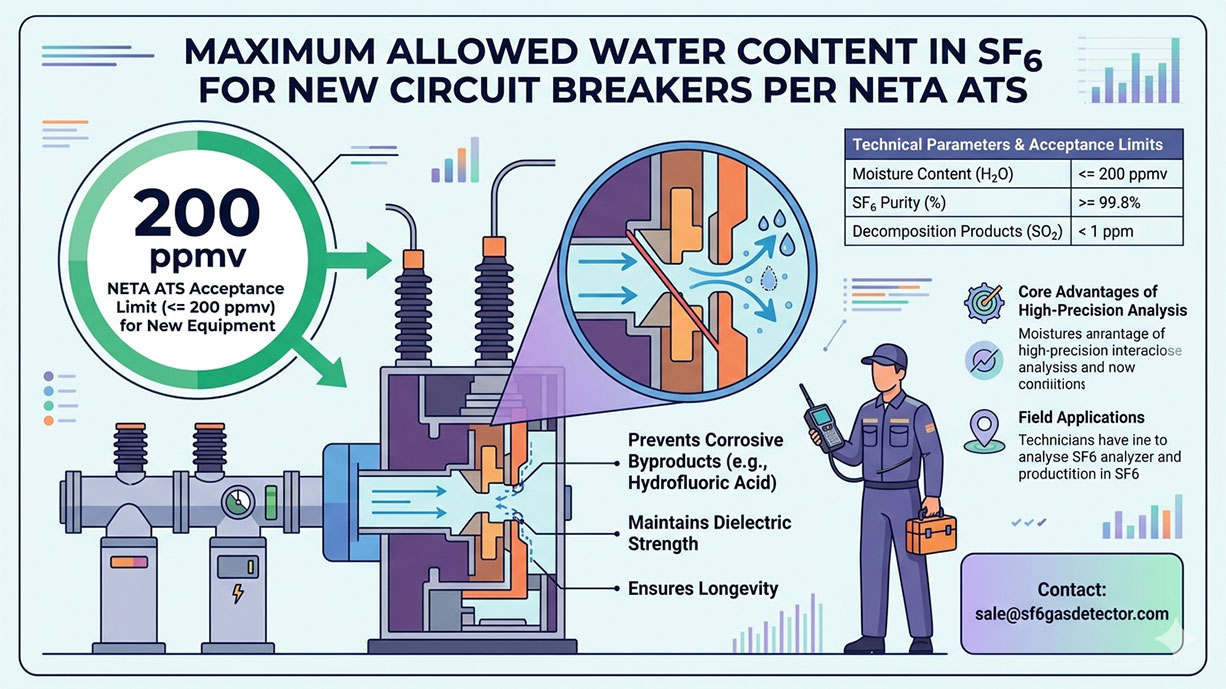
According to the ANSI/NETA ATS (Acceptance Testing Specifications), the maximum allowed water content in SF6 for new circuit breakers should not exceed 200 ppmv (parts per million by volume). Maintaining moisture levels below this threshold during the initial commissioning phase is vital to ensure dielectric strength and prevent the formation of corrosive hydrofluoric acid within the high-voltage equipment.
Understanding NETA ATS Standards for SF6 Gas Quality
When commissioning power infrastructure, adhering to the maximum allowed water content in SF6 for new circuit breakers per NETA ATS ensures that the gas remains an effective insulator. While the 200 ppmv limit is a standard benchmark, some manufacturers or specific voltage classes may require even lower levels to mitigate the risk of flashovers.
Core Advantages of High-Precision SF6 Analysis
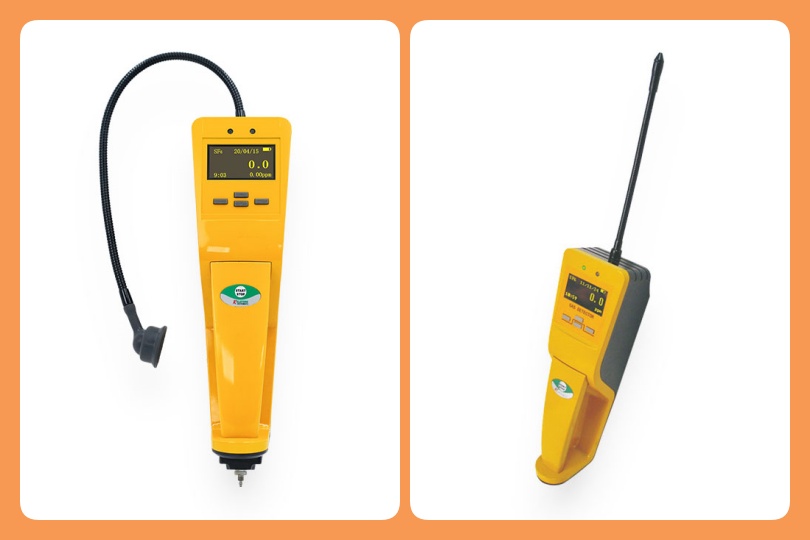
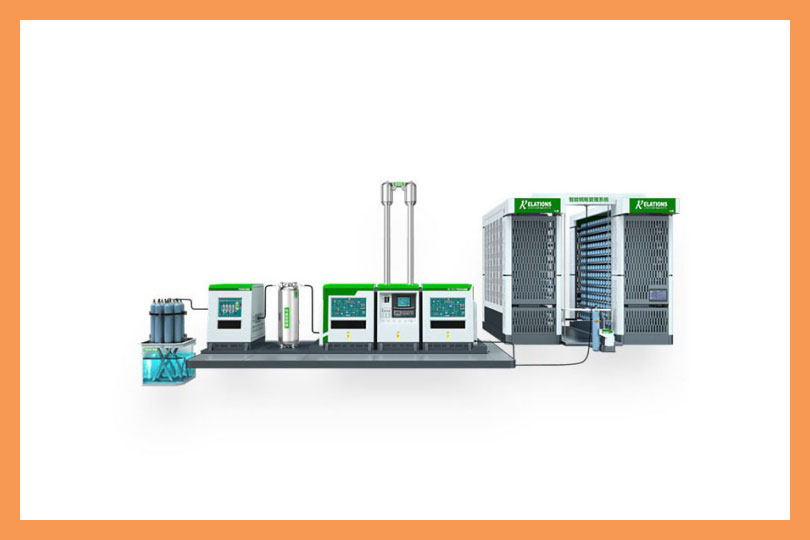
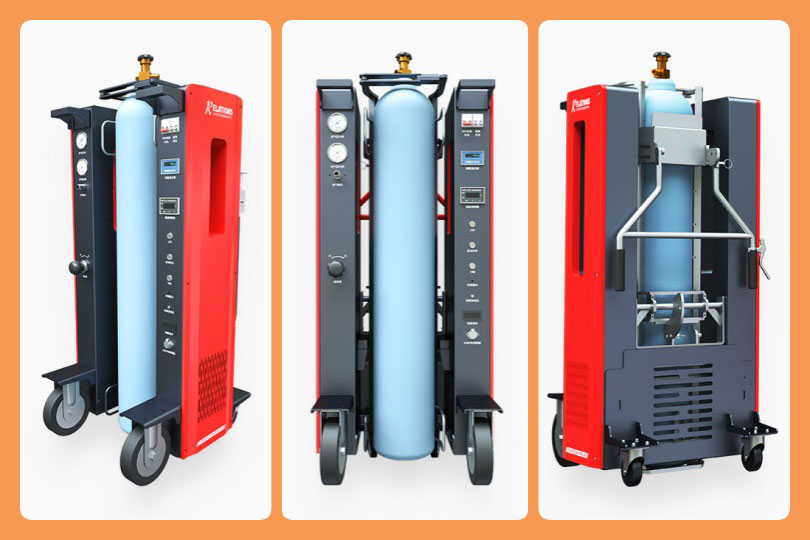
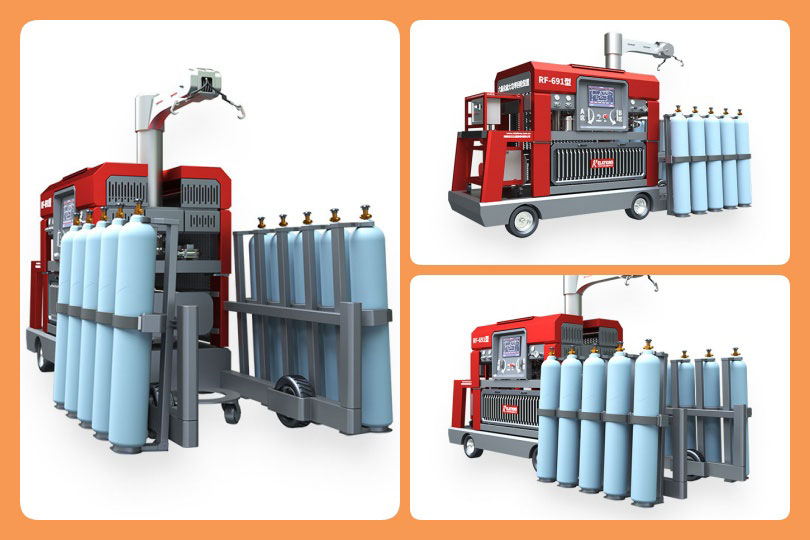
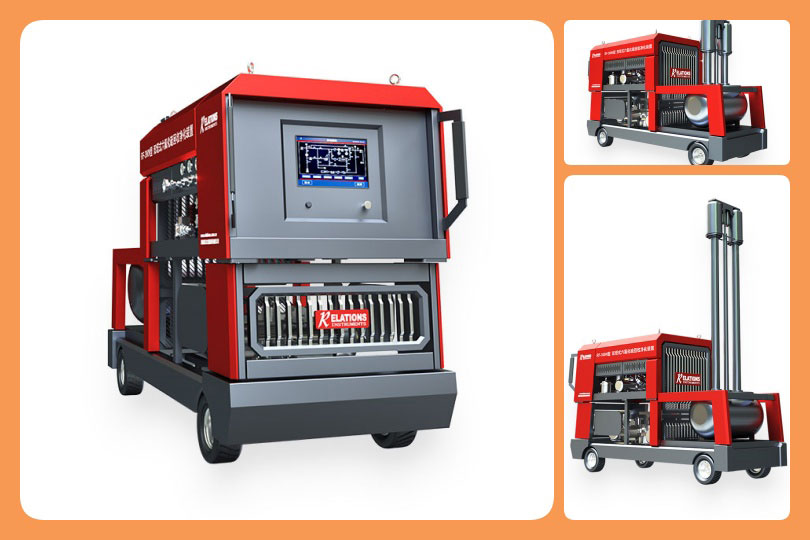
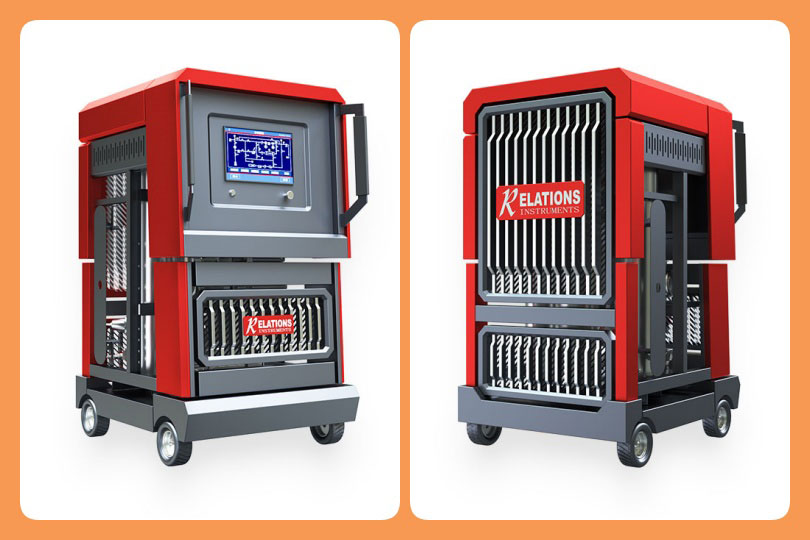
To accurately verify the maximum allowed water content in SF6 for new circuit breakers per NETA ATS, professional testing equipment is required. Our SF6 recovery machines and analyzers provide:
-
Dual-Sensor Accuracy: Utilizing chilled mirror and polymer technology to detect moisture at the sub-ppm level.
-
Zero-Emission Testing: Integrated gas recovery systems ensure that no gas is released into the atmosphere during the testing of new SF6 circuit breakers.
-
Real-time Compliance Alerts: Built-in software that automatically compares results against NETA ATS and IEC 62271-4 standards.
Technical Parameters & Acceptance Limits
| Parameter | NETA ATS Limit (New Equipment) | Recommended Field Limit |
| Moisture Content (H2O) | <= 200 ppmv | <= 150 ppmv |
| SF6 Purity (%) | >= 99.8% | >= 99.9% |
| Decomposition Products (SO2) | < 1 ppm | 0 ppm |
Usage Scenarios & Field Applications
The verification of the maximum allowed water content in SF6 for new circuit breakers per NETA ATS is a critical step in:
-
Substation Commissioning: Ensuring that the evacuation and filling process did not introduce ambient humidity.
-
Gas Refilling Procedures: Checking the quality of bulk SF6 gas before it is injected into the high-voltage switchgear.
-
Annual Maintenance Audits: Tracking moisture trends to predict the saturation of internal desiccant bags.
SF6 Equipment Purchasing Guide
When sourcing an SF6 recovery machine or SF6 analyzer to monitor the maximum allowed water content in SF6 for new circuit breakers, prioritize the following:
-
Measurement Range: Ensure the device can measure from -60°C to +20°C dew point.
-
Pressure Regulation: The analyzer must handle the high-pressure environment of gas-insulated switchgear (GIS) safely.
-
Data Logging: Ensure the device can export reports for NETA compliance documentation.
Frequently Asked Questions (FAQ)
Q: Why does the NETA ATS limit for moisture matter for new breakers?
A: Excess water reacts with SF6 during arcing to create toxic byproducts. Following the maximum allowed water content in SF6 for new circuit breakers per NETA ATS prevents equipment corrosion and toxic exposure for technicians.
Q: What are the relevant to SF6 moisture testing?
A: Industry professionals often search for SF6 gas dew point limits, how to measure moisture in gas insulated switchgear, and SF6 gas purity requirements for IEC standards.
Q: Can a standard SF6 recovery machine remove moisture?
A: Yes, professional-grade SF6 recovery machines are equipped with molecular sieves and filters designed to dry the gas back to within NETA ATS acceptable limits.
Inquiries and Consultation
For expert assistance in selecting the right testing equipment to verify the maximum allowed water content in SF6 for new circuit breakers per NETA ATS, or for detailed technical specifications:
📧 Contact us at:
Our technical team provides comprehensive consultation on SF6 lifecycle management and regulatory compliance.