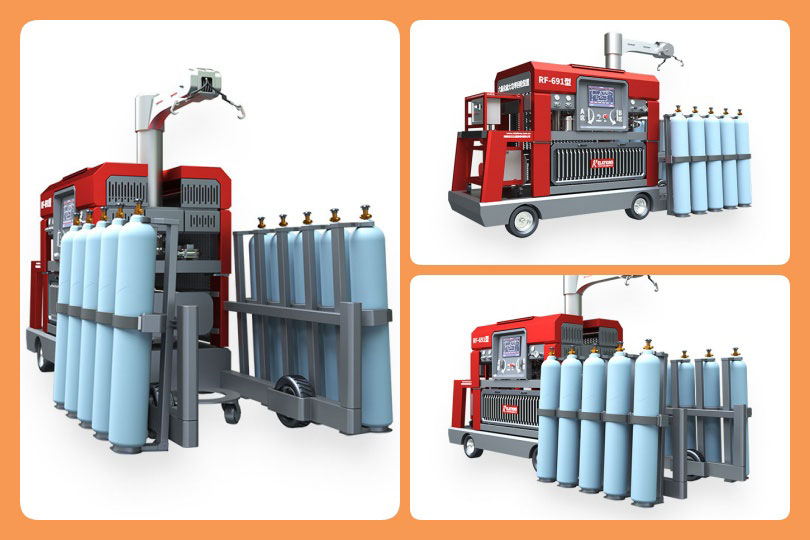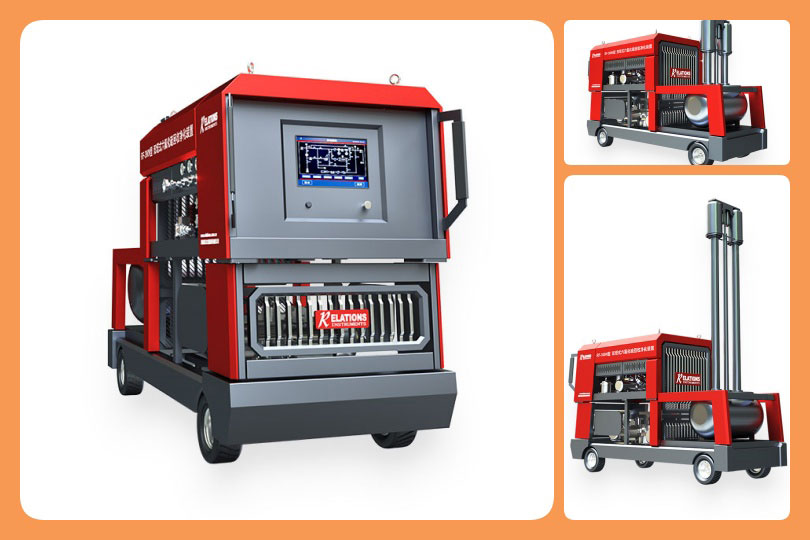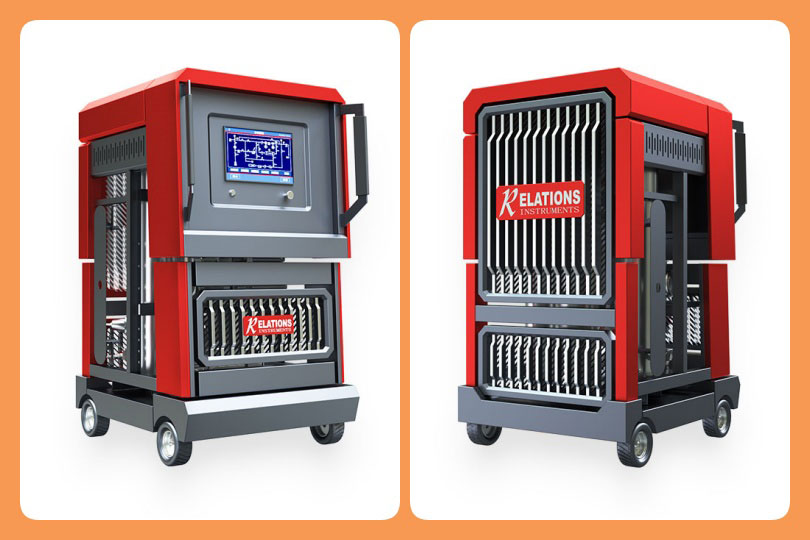
How to Implement Substation Gas Density Monitoring Protocols 2026 for SF6 Maintenance?
Date
2026-05-15
[email protected]
Website
www.sf6gasdetector.com
Get Solutions And Quotes
How to Implement Substation Gas Density Monitoring Protocols 2026 for SF6 Maintenance?
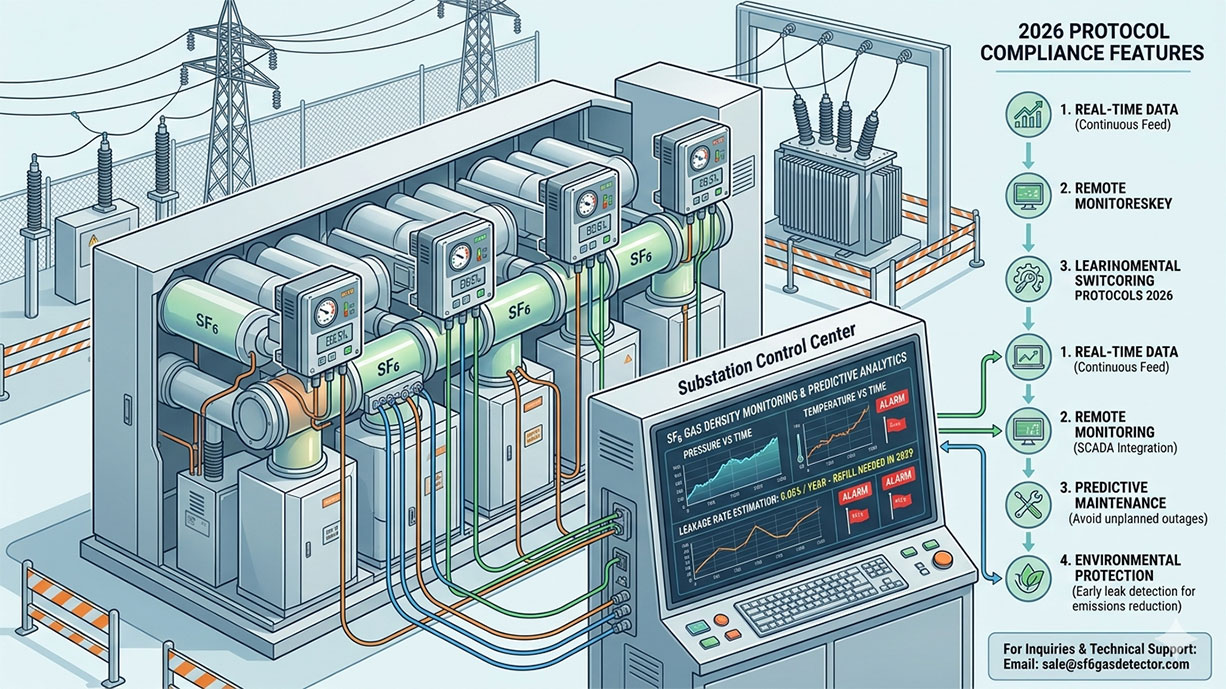
To implement Substation gas density monitoring protocols 2026, grid operators must transition from reactive manual inspections to proactive, data-driven systems centered on fully electronic SF6 gas density relays. These updated protocols require real-time tracking of gas pressure, temperature, and leakage rates to ensure equipment reliability and environmental compliance. By integrating smart sensors that offer remote data transmission and automated trend analysis, substations can meet the 2026 standards for predictive maintenance and zero-emission targets.
The Shift Toward Smart Substation Gas Density Monitoring Protocols 2026
The power industry is undergoing a digital transformation. The Substation gas density monitoring protocols 2026 focus on eliminating the blind spots associated with traditional mechanical gauges. The modern requirement is for “Always-On” visibility, where the health of SF6-insulated switchgear is monitored via high-precision electronic interfaces.
For technical support or to learn how to align your current infrastructure with these new standards, you can contact our engineering team at [email protected].
Core Advantages: Precision and Connectivity
Adopting a fully electronic SF6 gas density relay provides several critical advantages that satisfy the 2026 regulatory framework:
-
Elimination of Mechanical Fatigue: Electronic sensors do not suffer from the “sticking” issues found in old pointer-type gauges.
-
Automated Leakage Rate Calculation: The system doesn’t just show current pressure; it analyzes the drop rate to predict when a refill is needed.
-
Environmental Compliance: Early detection of micro-leaks is the most effective way to meet 2026 SF6 emission reduction targets.
Technical Parameters of 2026-Ready Relays
To meet the latest Substation gas density monitoring protocols 2026, the hardware must possess specific high-performance capabilities:
| Feature | Technical Specification |
| Design Pressure | 7MPa |
| Adjustment Range | 0.1~0.8MPa (Adjustable for varied GIS needs) |
| Flow Performance | ≤120N m³/h Inflation flow rate |
| Drive Type | Electric Drive with Remote Control |
| Operating Power | AC380V, 50Hz (10 kW) |
Optimized Usage Scenarios & Applications
Beyond standard GIS monitoring, these electronic systems are essential for:
-
High-Voltage SF6 Circuit Breaker Safety: Ensuring arc-quenching capabilities are never compromised.
-
Remote Digital Substation Upgrades: Providing the necessary Modbus or digital output for IEC 61850 compliance.
-
Extreme Weather Performance: Utilizing electronic temperature compensation to maintain accuracy from -40°C to +60°C.
If you have specific technical requirements for your local grid, feel free to send your project specifications to [email protected] for a customized evaluation.
2026 Purchasing Guide: What to Look For
When upgrading your equipment to match Substation gas density monitoring protocols 2026, prioritize these three factors:
-
Data Logging: Ensure the device can store historical density curves.
-
Accuracy Grade: Look for devices with a precision class of 1.0 or higher.
-
Ease of Integration: The relay should be compatible with existing SF6 gas filling and recovery units for seamless maintenance.
Frequently Asked Questions (FAQ)
Q: Can electronic relays be installed without power outages?
A: Depending on your valve configuration, many modern systems allow for “breathing” type installations or bypass valves to minimize downtime.
Q: How do these protocols impact SF6 gas recycling?
A: The Substation gas density monitoring protocols 2026 emphasize “recovery over venting.” Accurate monitoring ensures you only perform recovery operations when necessary, preserving gas purity.
Q: Where can I get a quote for 2026-compliant monitoring systems?
A: You can request a comprehensive quote and technical datasheet by emailing [email protected]. Our team provides global shipping and technical installation guidance for all industrial gas measurement equipment.