Compliant SF6 Disposal & Recycling for U.S. Utilities
Date
2026-07-07
[email protected]
Website
www.sf6gasdetector.com
Get Solutions And Quotes
Compliant SF6 Disposal & Recycling for U.S. Utilities
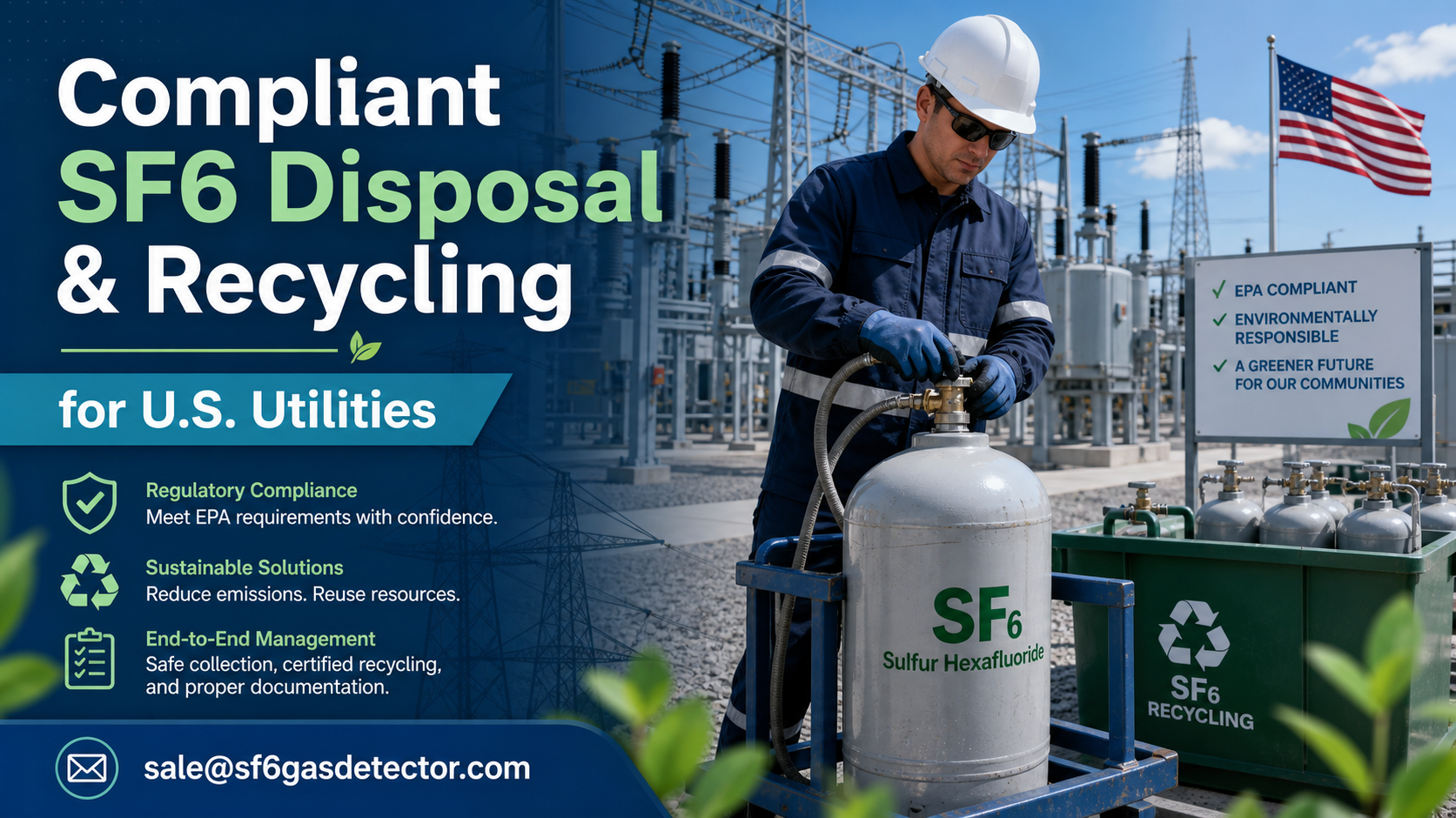
As U.S. electrical utilities continue to modernize substations, replace aging gas-insulated switchgear, and comply with tightening greenhouse gas reporting requirements, the demand for a reliable SF6 disposal and recycling service for electrical utilities in USA has become increasingly important. Sulfur hexafluoride (SF6) remains widely used in high-voltage equipment because of its excellent dielectric strength and arc-quenching performance, but it is also a potent greenhouse gas that must be recovered, analyzed, reclaimed, and disposed of according to strict environmental and industrial standards. A professional SF6 gas management program helps utilities reduce emissions, control compliance risk, recover valuable gas, and extend the service life of critical electrical assets.
Why SF6 Disposal and Recycling Matters for U.S. Electrical Utilities
SF6 is commonly found in gas-insulated switchgear (GIS), circuit breakers, transformers, and other high-voltage electrical equipment. While it provides proven operational benefits, uncontrolled SF6 release can create serious environmental and regulatory concerns. In the United States, utilities are expected to follow applicable EPA greenhouse gas reporting rules, state-level emission reduction programs, OSHA safety requirements, DOT transportation rules, and industry best practices such as IEC and IEEE guidelines for gas handling.
A specialized SF6 disposal and recycling service for electrical utilities in USA supports responsible lifecycle management from gas recovery and purification to cylinder handling, documentation, and final recycling or destruction. This is especially valuable during equipment maintenance, decommissioning projects, emergency leak response, and large-scale substation upgrades.
Core Advantages of Professional SF6 Disposal and Recycling Services
Regulatory Compliance and Traceable Documentation
Professional SF6 service providers help utilities maintain accurate gas inventory records, recovery logs, cylinder tracking, gas analysis reports, and disposal certificates. This documentation supports internal audits and regulatory reporting, reducing the risk of non-compliance. Proper chain-of-custody records are especially important when handling contaminated SF6, mixed gases, or gas removed from obsolete electrical equipment.
Emission Reduction and Sustainability Performance
Recycling SF6 instead of venting or discarding it directly supports greenhouse gas reduction objectives. Utilities can recover used SF6, process it through filtration and purification systems, and reuse gas that meets quality specifications. This reduces the need for new SF6 purchases and demonstrates measurable progress toward corporate sustainability and environmental, social, and governance goals.
Cost Savings Through Gas Reclamation
SF6 is a high-value specialty gas. Reclaiming reusable gas can lower procurement costs and reduce waste disposal expenses. For utilities managing multiple substations across wide service territories, a structured SF6 recycling program can deliver long-term operational savings while improving asset management efficiency.
Improved Safety for Field Crews
Safe SF6 handling requires trained technicians, proper recovery equipment, compatible cylinders, gas analyzers, moisture control, personal protective equipment, and documented operating procedures. Professional services reduce the risk of overfilled cylinders, contaminated gas exposure, pressure-related hazards, and improper transport.
Typical SF6 Disposal and Recycling Workflow
A qualified provider generally follows a controlled process designed to protect equipment, personnel, and the environment. While procedures may vary by project size and equipment type, the core workflow typically includes the following steps:
| Service Stage | Main Activities | Utility Benefit |
|---|---|---|
| Site Assessment | Review equipment type, gas volume, cylinder status, access conditions, and safety requirements | Creates a practical project plan and minimizes downtime |
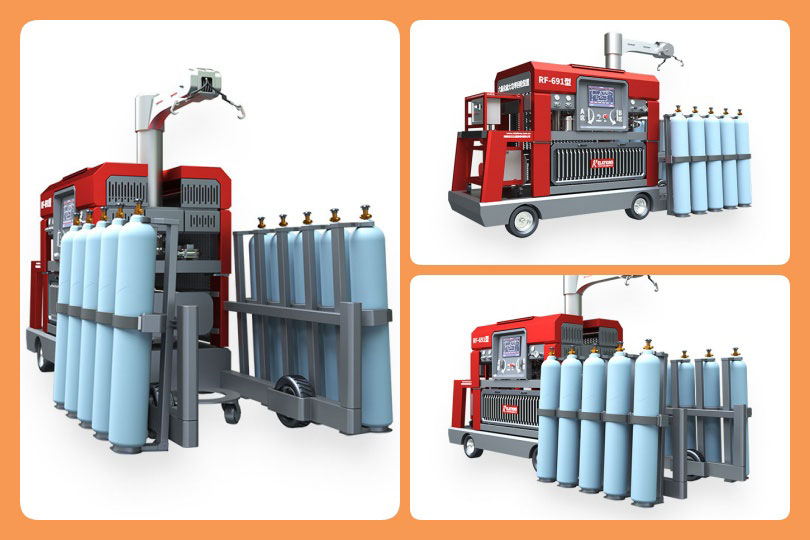
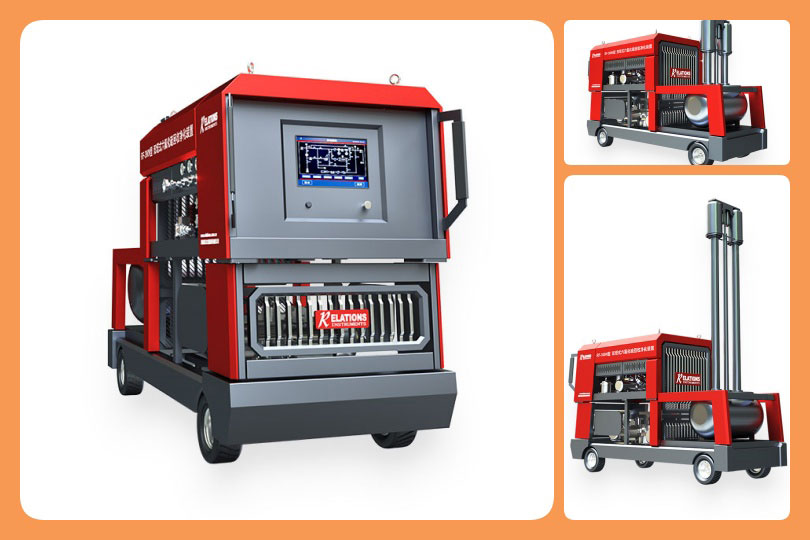
| Gas Recovery | Extract SF6 from GIS, breakers, or cylinders using recovery carts and vacuum systems | Prevents gas release and supports emissions control |
| Gas Analysis | Test purity, moisture, decomposition byproducts, air content, and contamination levels | Determines whether gas can be reused, reclaimed, or must be destroyed |
| Filtration and Recycling | Remove moisture, particulates, oil vapor, and acidic decomposition products | Restores gas quality for potential reuse |
| Storage and Transport | Transfer gas into approved cylinders or tanks with labeling and tracking | Maintains safe and compliant logistics |
| Disposal or Destruction | Send non-reclaimable gas to approved destruction or treatment facilities | Ensures environmentally responsible final handling |
| Reporting | Provide gas quality reports, recovery records, and disposal certificates | Supports audits, compliance, and sustainability reporting |
Key Technical Parameters for SF6 Recycling Equipment and Services
When evaluating an SF6 disposal and recycling service for electrical utilities in USA, technical capability is a critical factor. Utilities should verify that the provider can handle the required gas volumes, pressure levels, and contamination conditions while meeting project deadlines.
| Parameter | Recommended Consideration | Why It Matters |
|---|---|---|
| Recovery Efficiency | High-efficiency recovery to low residual pressure | Reduces emissions and improves gas accountability |
| Gas Testing Scope | Purity, humidity, SO2, HF, air/N2, CF4, and decomposition products where applicable | Ensures correct reuse or disposal decision |
| Filtration Capability | Moisture removal, particle filtration, and acid gas absorption | Improves reclaimed SF6 quality |
| Cylinder Compliance | Use of approved cylinders with current hydrostatic test status | Supports DOT-compliant transport and safe storage |
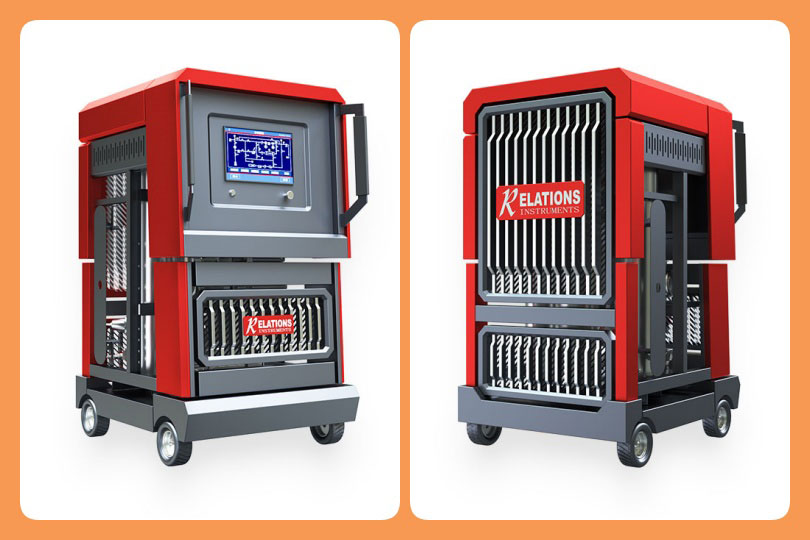
| On-Site Service Availability | Mobile recovery and reclamation units for substations | Reduces equipment downtime and logistics complexity |
| Documentation | Chain-of-custody, gas analysis report, waste/disposal certificate | Strengthens regulatory and internal audit records |
| Emergency Response | Availability for urgent leak recovery or failed equipment events | Limits environmental impact and operational disruption |
Application Scenarios for SF6 Disposal and Recycling in the USA
Substation Maintenance and Scheduled Outages
During routine maintenance, utilities may need to evacuate SF6 from circuit breakers or GIS compartments before inspection or repair. On-site SF6 recovery and recycling minimizes gas loss and allows crews to complete maintenance safely within outage windows.
GIS and Circuit Breaker Decommissioning
Many utilities are retiring older high-voltage assets or upgrading to newer technologies. Before equipment can be dismantled, all SF6 must be recovered and documented. A professional disposal service ensures that residual gas is captured and either reclaimed or destroyed through approved channels.
Emergency Leak Response
Unexpected SF6 leaks can occur because of aging seals, mechanical damage, improper assembly, or pressure system failures. Rapid response services help utilities recover remaining gas, assess contamination, and prevent further emissions while supporting equipment troubleshooting.
Gas Inventory Optimization
Utilities with multiple SF6 cylinders across different service areas often face challenges related to expired cylinders, unknown gas quality, and inconsistent labeling. A recycling and inventory management program can consolidate usable gas, identify contaminated stock, and improve accountability.
Renewable Energy and Transmission Expansion Projects
As the U.S. grid expands to connect renewable energy resources, new substations and transmission systems may require specialized high-voltage equipment. SF6 handling services support installation, commissioning, filling, recovery, and future maintenance while maintaining environmental responsibility.
Purchasing Guide: How to Choose the Right SF6 Service Partner
Selecting the right provider is essential for safety, compliance, and long-term value. Utilities should look beyond basic gas collection and evaluate whether the supplier can provide a complete lifecycle solution.
| Selection Factor | What to Verify | Recommended Action |
|---|---|---|
| Industry Experience | Experience with utilities, substations, GIS, and high-voltage breakers | Request project references or case examples |
| Compliance Knowledge | Understanding of EPA, DOT, OSHA, and relevant state requirements | Confirm documentation process before project start |
| Technical Equipment | Recovery carts, analyzers, vacuum pumps, filtration units, and approved cylinders | Match equipment capacity to project scale |
| Gas Quality Control | Ability to test and classify reusable, reclaimable, or waste gas | Require written gas analysis reports |
| On-Site Capability | Mobile teams available for remote substations or multi-site programs | Plan scheduling around outage windows |
| Safety Management | Technician training, PPE, job hazard analysis, and pressure handling procedures | Review safety documentation and work procedures |
| After-Service Support | Consultation, reporting assistance, and ongoing gas management guidance | Choose a partner that supports long-term compliance |
Best Practices for Utility SF6 Gas Management
To improve the effectiveness of an SF6 disposal and recycling service for electrical utilities in USA, utilities should establish internal procedures for gas tracking, leak detection, preventive maintenance, and technician training. Best practices include maintaining an updated SF6 inventory, inspecting gas compartments regularly, using calibrated gas analyzers, avoiding unnecessary gas transfers, and keeping detailed records of all filling, recovery, recycling, and disposal activities.
Utilities should also evaluate whether reclaimed SF6 meets applicable quality standards before reuse. Gas that contains excessive moisture, air, toxic decomposition byproducts, or unknown contaminants should not be returned to service without proper treatment and verification. Working with qualified engineering support helps ensure that gas handling decisions protect both equipment reliability and environmental compliance.
Frequently Asked Questions
Can used SF6 gas be recycled and reused?
Yes. Used SF6 can often be recycled if testing shows that contamination levels are manageable. Through filtration, drying, and purification, reclaimed gas may be restored to acceptable quality for reuse in electrical equipment, depending on applicable standards and equipment manufacturer requirements.
When should SF6 be disposed of instead of recycled?
SF6 should be considered for disposal or destruction when it contains severe contamination, hazardous decomposition byproducts, mixed unknown gases, or impurities that cannot be economically removed. A professional gas analysis determines the appropriate handling method.
What documents should utilities receive after SF6 disposal?
Utilities should receive recovery records, gas analysis results, cylinder tracking information, chain-of-custody documentation, and a disposal or destruction certificate when applicable. These records support environmental reporting and internal compliance programs.
Is on-site SF6 recycling available for remote substations?
Yes. Many professional providers offer mobile SF6 recovery and recycling services for remote substations, transmission facilities, and multi-site utility projects. On-site service helps reduce downtime and minimizes the need to transport equipment or gas unnecessarily.
How does SF6 recycling support sustainability goals?
SF6 recycling reduces the need for newly produced gas, prevents avoidable emissions, and supports responsible greenhouse gas management. For utilities, it also demonstrates proactive environmental stewardship and helps align operations with corporate sustainability objectives.
Conclusion: Building a Responsible SF6 Lifecycle Strategy
A dependable SF6 disposal and recycling service for electrical utilities in USA is no longer just a maintenance support option; it is a key part of modern utility compliance, sustainability, and asset management. By recovering gas safely, analyzing quality, reclaiming reusable SF6, and disposing of non-recoverable gas through approved channels, utilities can reduce emissions, control costs, and protect high-voltage equipment reliability.
For electrical utilities planning substation maintenance, GIS decommissioning, emergency leak recovery, or long-term SF6 inventory optimization, expert technical guidance can make the process safer and more efficient. For free consultations, customized on-site SF6 handling solutions, or one-on-one engineering guidance, contact [email protected] to discuss a practical service plan tailored to your utility operations.