SF6 Leak Detection & Gas Leak Detector Safety Checklist
Date
2026-07-16
[email protected]
Website
www.sf6gasdetector.com
Get Solutions And Quotes
SF6 Leak Detection & Gas Leak Detector Safety Checklist
Sulfur hexafluoride (SF6) is widely used in gas-insulated switchgear, circuit breakers, transformers, and high-voltage substations because of its excellent dielectric strength and arc-quenching performance. However, SF6 is also a potent greenhouse gas and can displace oxygen in confined or poorly ventilated areas. For electrical utilities, industrial plants, and maintenance contractors, a structured safety program covering SF6 leak detection, leak prevention, and emergency response is essential for protecting personnel, maintaining asset reliability, and meeting environmental compliance obligations.
Why SF6 Safety Management Matters on Site
Although SF6 is non-flammable and chemically stable under normal conditions, unsafe handling can create operational, environmental, and occupational risks. Leaks may reduce insulation performance, increase equipment failure probability, and lead to regulatory reporting requirements. In enclosed spaces, accumulated SF6 can lower oxygen concentration, creating an asphyxiation hazard.
A professional SF6 safety program should align with recognized industrial practices, including manufacturer instructions, local environmental regulations, occupational safety requirements, lockout/tagout procedures, confined space rules, and electrical safety standards such as IEC, IEEE, OSHA-related practices, and national grid maintenance guidelines where applicable.
Core Advantages of Using a Professional SF6 Gas Leak Detector
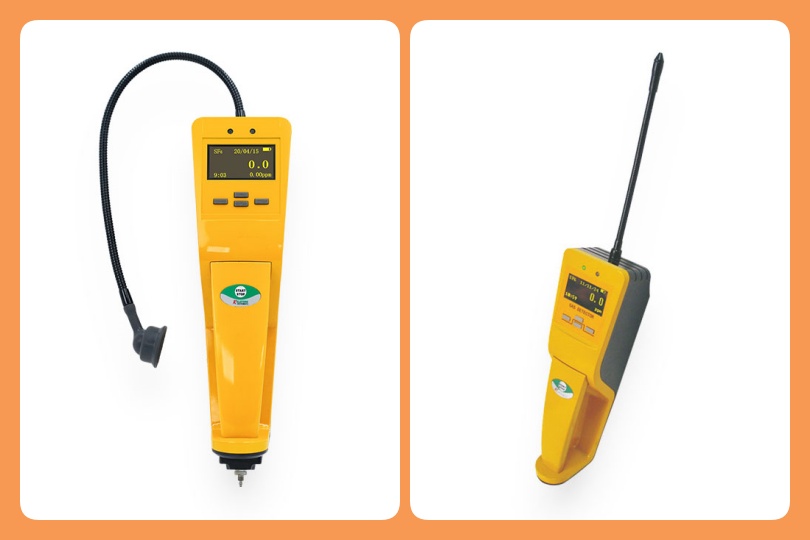
A reliable sf6 gas leak detector is one of the most important tools for on-site inspection and preventive maintenance. Compared with visual inspection or pressure monitoring alone, dedicated instruments help crews detect smaller leaks earlier and respond before gas loss becomes serious.
Key Benefits for Maintenance Teams
- Early Leak Identification
Modern SF6 leak detection equipment can identify minor leakage points around flanges, valves, density monitors, pipe joints, and gas compartments before pressure alarms are triggered. - Improved Personnel Safety
Portable detectors support rapid screening in switchgear rooms, cable basements, GIS halls, and other areas where gas accumulation may occur. - Reduced Environmental Impact
Detecting and repairing leaks quickly helps reduce SF6 emissions and supports compliance with greenhouse gas reduction policies. - Lower Maintenance Costs
Early detection prevents repeated gas refilling, minimizes unplanned outages, and reduces the risk of insulation failure caused by low gas density. - Better Maintenance Documentation
Many advanced detectors support data logging, alarm records, and inspection traceability, which are useful for audits and asset management.
For teams selecting equipment for substations or industrial plants, obtaining application-specific guidance is recommended. You can contact [email protected] for a free consultation on choosing a suitable SF6 gas leak detector for your operating environment.
Structured Parameter Table for SF6 Leak Detection Equipment
When purchasing or specifying a detector, technical parameters should match the site risk level, inspection frequency, and required sensitivity.
| Parameter | Recommended Consideration | Practical Importance |
|---|---|---|
| Detection Gas | SF6 sulfur hexafluoride | Ensures the device is specifically suitable for SF6 leak detection |
| Detection Method | Infrared, photoacoustic, electrochemical, or semiconductor technology | Affects sensitivity, stability, and response speed |
| Sensitivity | ppm-level or g/year leak rate capability | Determines ability to find small leaks early |
| Response Time | Typically within seconds | Improves efficiency during large-area inspections |
| Alarm Type | Audible, visual, vibration, or digital display | Supports safe use in noisy or low-light environments |
| Portability | Handheld, portable, or fixed installation | Matches mobile inspection or continuous monitoring needs |
| Data Logging | Optional but recommended | Supports compliance records and maintenance history |
| Operating Temperature | Suitable for outdoor and indoor substation conditions | Ensures reliable performance in harsh environments |
| Calibration Requirement | Periodic calibration according to manufacturer guidance | Maintains measurement accuracy |
| Protection Rating | Industrial-grade enclosure, dust and moisture resistance | Improves durability in field applications |
Essential On-Site Safety Procedures Before SF6 Work
Before any inspection, gas handling, filling, recovery, or maintenance activity, crews should complete a formal safety preparation process.
Pre-Job Planning
Every SF6 task should begin with a job safety analysis or risk assessment. The supervisor should confirm equipment status, gas compartment pressure, electrical isolation requirements, weather conditions, and emergency access routes. Work permits should be approved where required, especially for confined spaces or energized facilities.
Personnel Qualification
Only trained personnel should operate SF6 handling equipment, recovery units, and leak detectors. Workers should understand gas properties, pressure hazards, environmental rules, emergency response procedures, and correct use of personal protective equipment.
Lockout/Tagout and Electrical Safety
Before opening panels, accessing gas compartments, or performing maintenance near high-voltage equipment, crews must follow site-specific lockout/tagout procedures. Equipment should be de-energized, grounded, and verified according to the applicable electrical safety standard and switching order.
Ventilation and Atmosphere Testing
For GIS rooms, trenches, pits, basements, or enclosed switchgear areas, confirm adequate ventilation before entry. Oxygen concentration should be measured where SF6 accumulation is possible. Fixed or portable monitoring may be required depending on the site risk assessment.
SF6 Leak Prevention Steps During Maintenance
Leak prevention is more cost-effective than emergency repair. Crews should use consistent procedures to reduce the likelihood of gas escape during installation, inspection, and servicing.
Inspect Sealing Components
Before assembly or reassembly, check O-rings, gaskets, valve seats, and flange surfaces for cracks, deformation, contamination, or aging. Replace damaged sealing components with manufacturer-approved parts. Never reuse seals that are not designed for repeated installation.
Control Torque and Connection Quality
Improper tightening is a common cause of leakage. Bolts, fittings, and gas pipe connections should be tightened according to manufacturer torque specifications using calibrated tools. Uneven tightening can distort flanges and create leak paths.
Use Proper Gas Handling Equipment
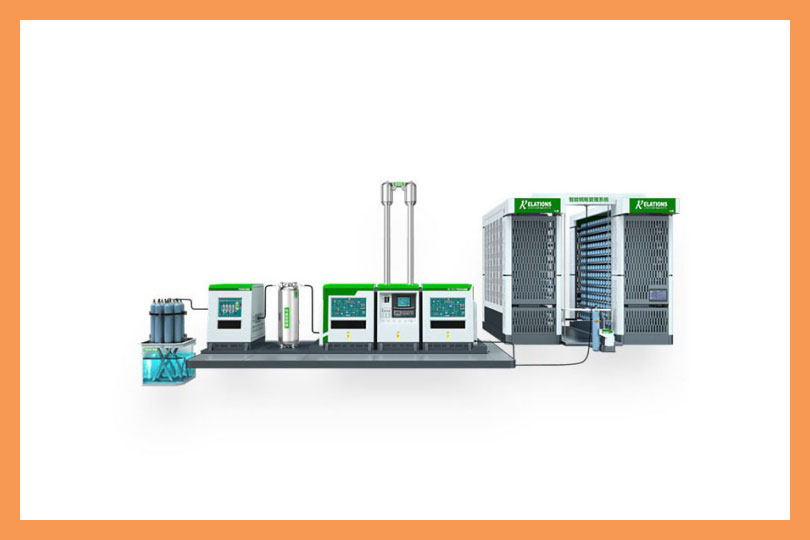
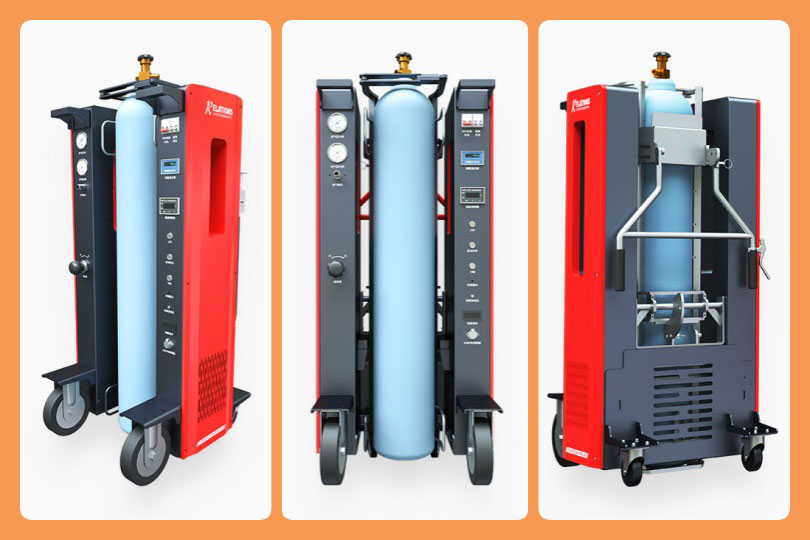
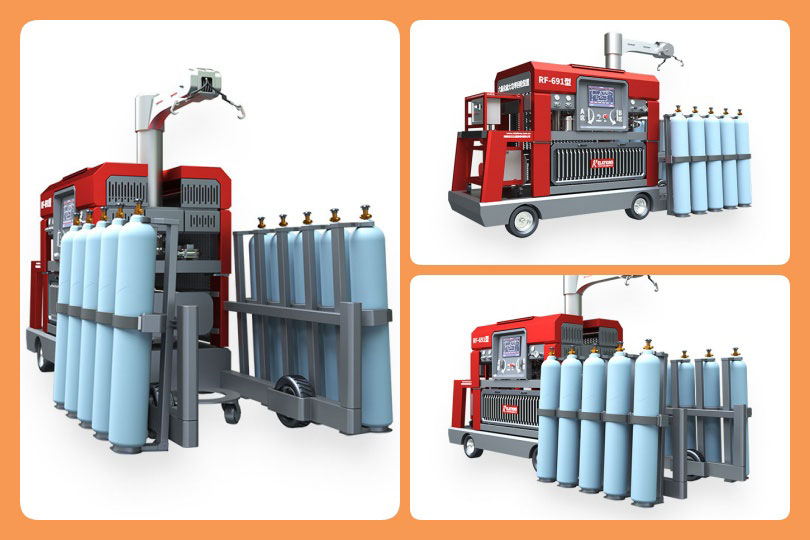
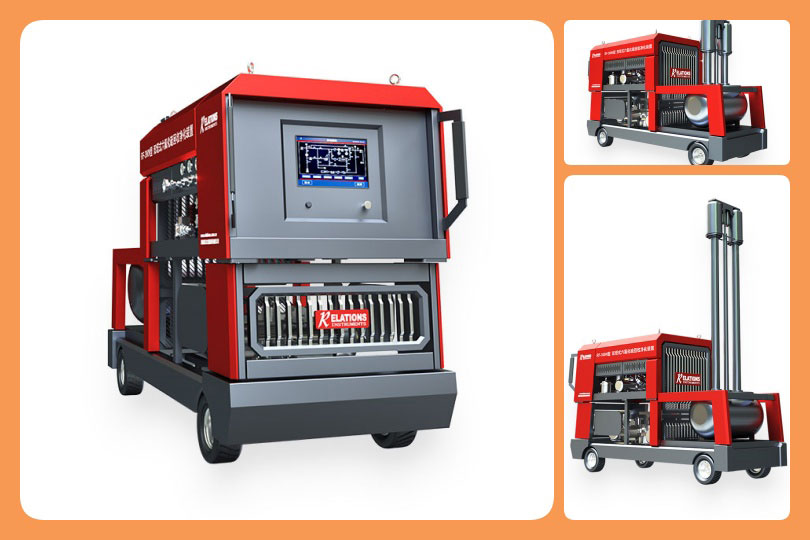
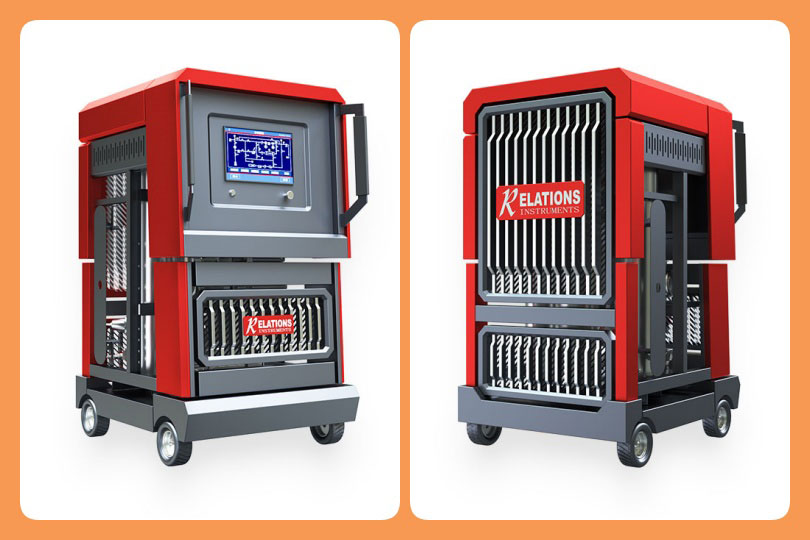
SF6 recovery, evacuation, filtering, and filling should be performed with compatible gas carts and hoses designed for SF6 service. Hoses and couplings must be inspected before use. Quick connectors should be clean, dry, and properly sealed.
Avoid Overfilling and Pressure Shock
Gas filling must follow the equipment nameplate, density chart, and temperature compensation instructions. Overfilling may stress seals, while rapid pressure changes can damage components or create unsafe operating conditions.
Perform Post-Maintenance SF6 Leak Detection
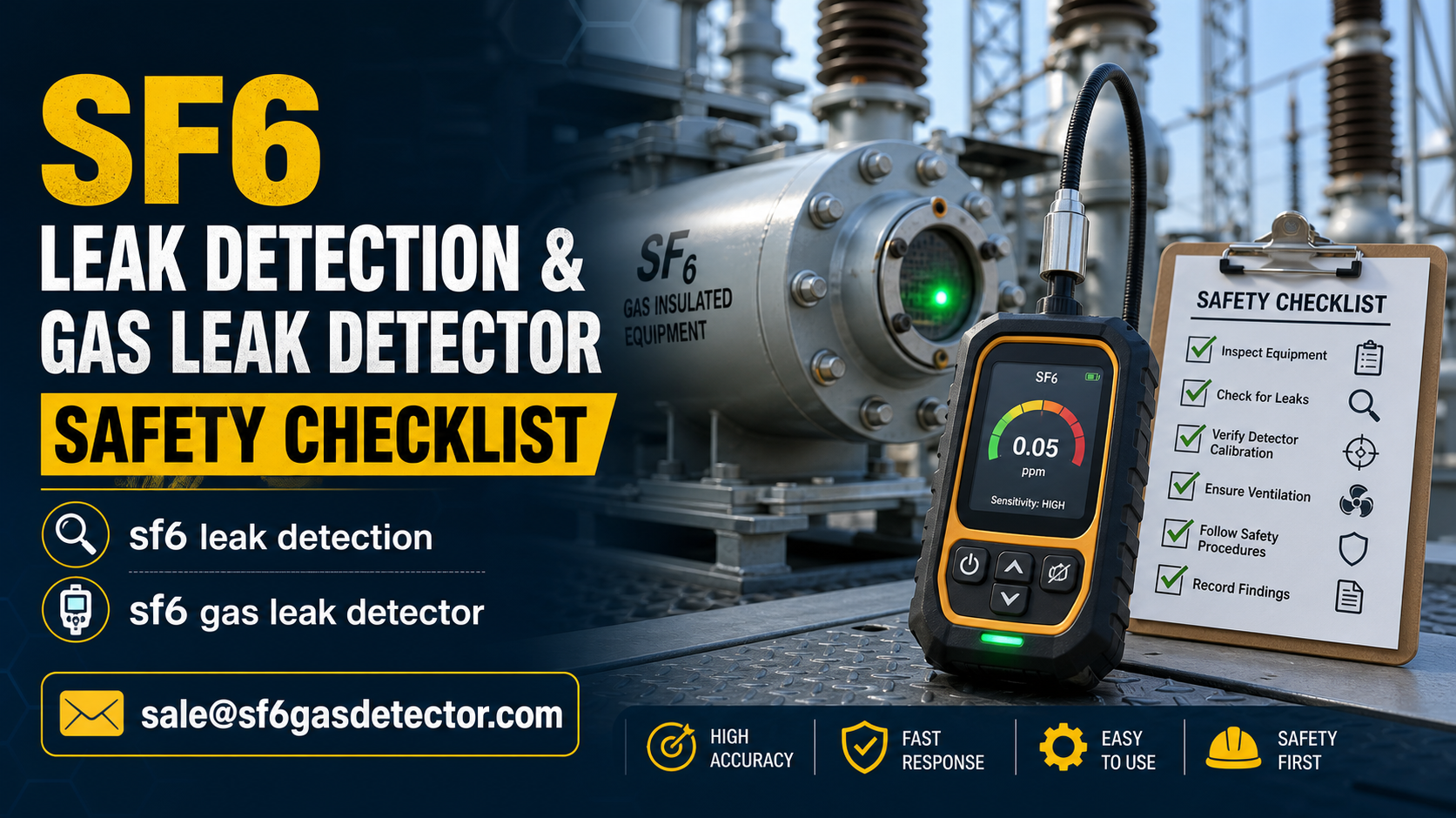
After gas handling or component replacement, crews should conduct systematic SF6 leak detection around all serviced points. A handheld sf6 gas leak detector should be moved slowly along seals, joints, valves, pressure gauges, density monitors, and pipework. Inspection results should be documented with date, location, instrument ID, and corrective action.
For complex GIS installations or recurring leakage issues, customized on-site solutions can improve reliability. Industrial users may request engineering support through [email protected] for tailored inspection plans and detector configuration advice.
Key Application Scenarios for SF6 Leak Detection
High-Voltage Substations
Transmission and distribution substations use SF6-insulated circuit breakers and GIS equipment. Routine leak checks help prevent low-density alarms, unplanned outages, and environmental reporting issues.
Gas-Insulated Switchgear Rooms
Indoor GIS rooms require special attention because gas can accumulate in low-lying areas. Portable SF6 leak detection instruments and ventilation checks are recommended before and during maintenance.
Industrial Power Systems
Steel plants, petrochemical facilities, rail systems, data centers, and large manufacturing sites may use SF6 switchgear for stable power distribution. Preventive monitoring reduces production downtime and safety risks.
Equipment Manufacturing and Testing
Manufacturers of SF6-insulated equipment need precise leak testing during assembly, quality control, and factory acceptance testing. High-sensitivity instruments support product reliability and compliance documentation.
Emergency Checklist for Suspected SF6 Leakage
A clear emergency checklist helps crews respond quickly and consistently when a leak is suspected.
Immediate Response Checklist
- Stop work if safe to do so.
- Move personnel away from the suspected leak area.
- Do not enter confined or low-lying areas without atmosphere testing.
- Activate local ventilation if available and safe.
- Notify the site supervisor and safety officer.
- Restrict access using barriers or warning signs.
- Use a calibrated sf6 gas leak detector to confirm the leak location only when conditions are safe.
- Check oxygen concentration before re-entry into enclosed spaces.
- Follow emergency response procedures for gas release and electrical equipment status.
- Record the incident, estimated gas loss, corrective action, and repair verification.
Repair Verification Checklist
- Confirm equipment is electrically safe and isolated where required.
- Recover gas if repair requires opening the gas compartment.
- Replace faulty seals, valves, fittings, or components.
- Reassemble using correct torque and approved parts.
- Evacuate and refill according to manufacturer procedures.
- Perform SF6 leak detection at all repair points.
- Confirm gas density or pressure stability.
- Update maintenance records and environmental reports if required.
Purchasing Guide: How to Choose the Right SF6 Gas Leak Detector
Selecting the right detector depends on operating conditions and inspection goals.
Match Sensitivity to Risk
For routine field inspections, a portable detector with fast response and ppm-level sensitivity may be sufficient. For factory testing or critical GIS maintenance, higher sensitivity and data logging may be required.
Consider Work Environment
Outdoor substations need rugged instruments with stable performance under temperature variation, dust, and humidity. Indoor GIS rooms may require portable detectors with audible and visual alarms for quick area screening.
Verify Calibration and Support
A detector should come with calibration guidance, technical documentation, and after-sales support. Periodic calibration is essential for reliable SF6 leak detection results.
Evaluate Ease of Use
Maintenance crews benefit from lightweight design, intuitive controls, clear displays, long battery life, and flexible probe options. A detector that is difficult to operate may reduce inspection quality.
For one-on-one equipment selection guidance from engineers, contact [email protected] to discuss your application, inspection frequency, and required detection sensitivity.
Frequently Asked Questions
How often should SF6 leak detection be performed?
Inspection frequency depends on equipment age, leakage history, regulatory requirements, and operating criticality. Many facilities perform routine checks during scheduled maintenance, after gas handling, and whenever density alarms or pressure changes occur.
Is SF6 dangerous to breathe?
SF6 is not toxic under normal conditions, but it can displace oxygen in enclosed or low-lying areas. Decomposition by-products from electrical arcing may also be hazardous. Proper ventilation, atmosphere testing, and PPE are important.
Can pressure gauges replace a leak detector?
No. Pressure or density gauges indicate gas condition but may not locate small leaks. A dedicated sf6 gas leak detector helps identify the exact leakage point for repair.
What should be documented after a leak inspection?
Records should include inspection date, equipment location, detector model and calibration status, leak points found, repair actions, gas quantity added or recovered, and final verification results.
What is the best method for preventing SF6 leaks?
The best approach combines correct installation, high-quality sealing components, proper torque control, careful gas handling, routine SF6 leak detection, and well-trained personnel.
Building a Safer and More Reliable SF6 Maintenance Program
Effective SF6 management requires more than one inspection tool. It depends on trained crews, standardized safety procedures, accurate leak detection instruments, preventive maintenance discipline, and emergency readiness. By following structured on-site safety procedures, applying proven SF6 leak prevention steps, and using a reliable sf6 gas leak detector, industrial and utility teams can improve worker safety, reduce emissions, extend equipment life, and maintain stable power system operation.