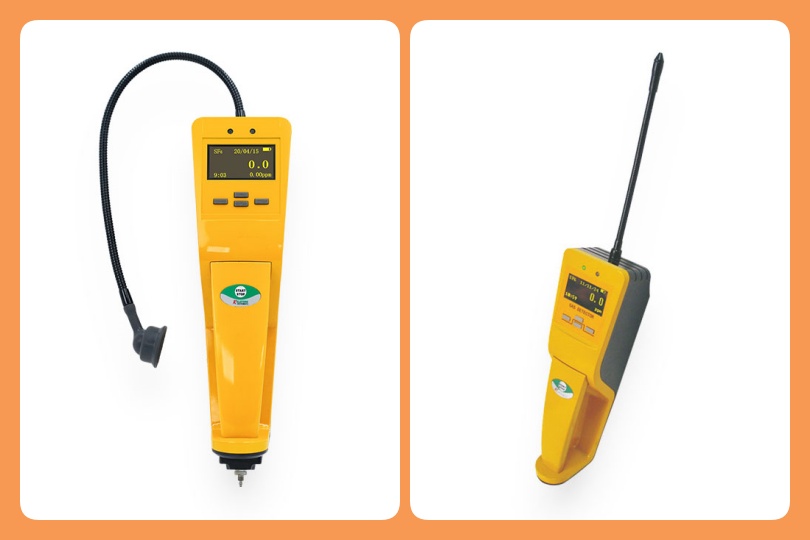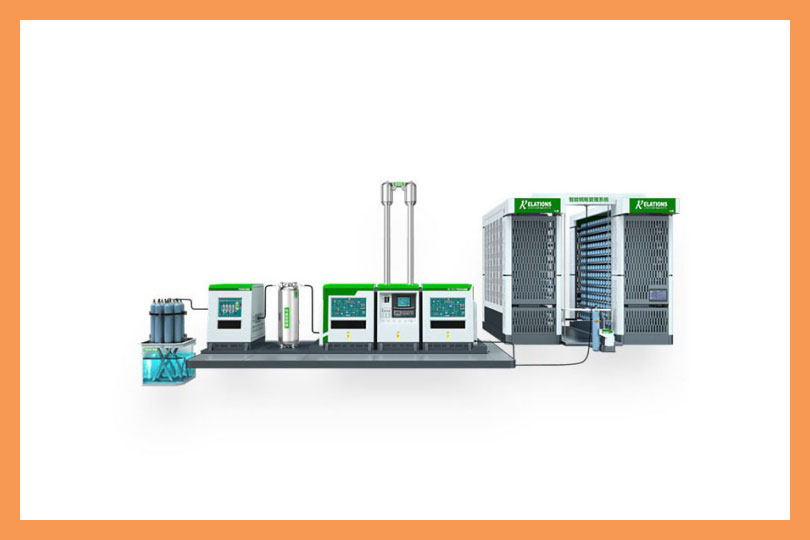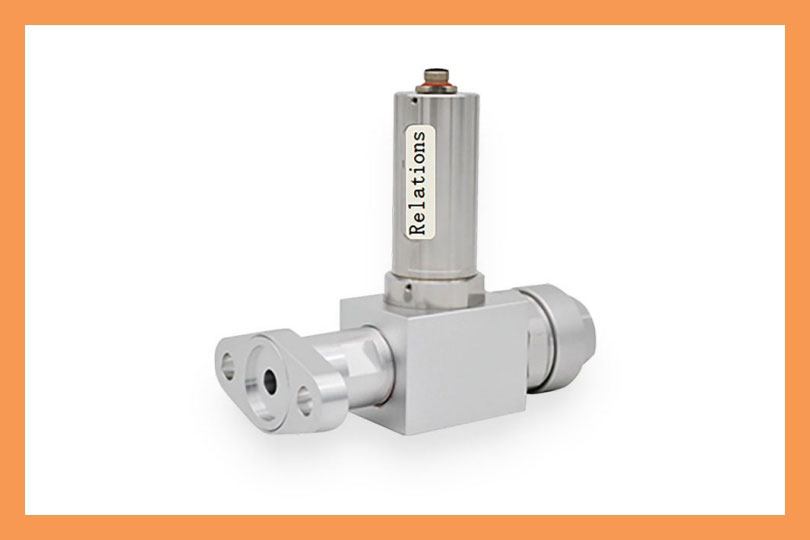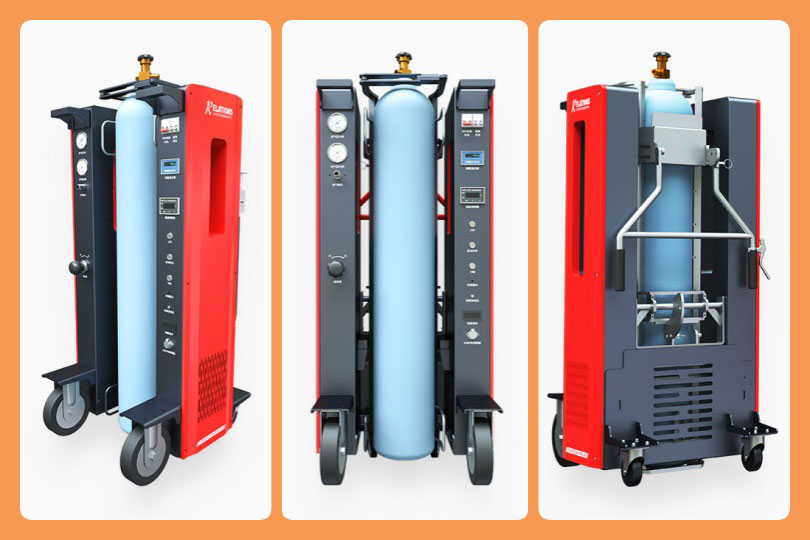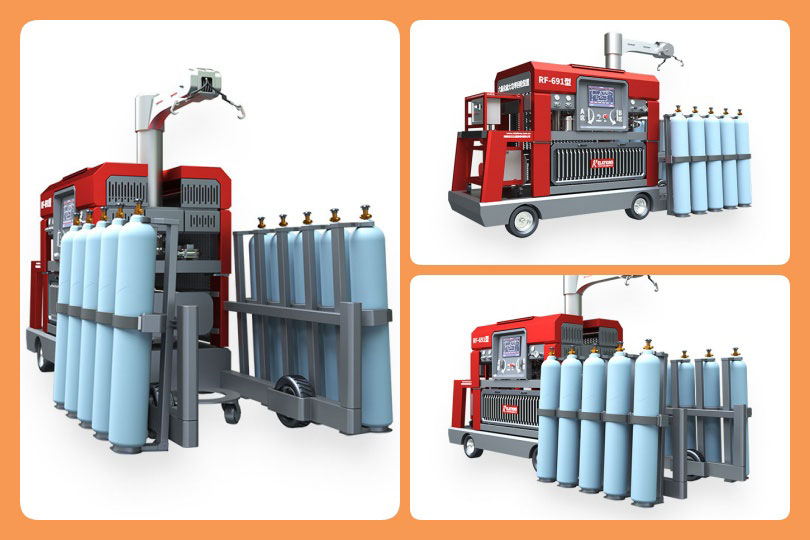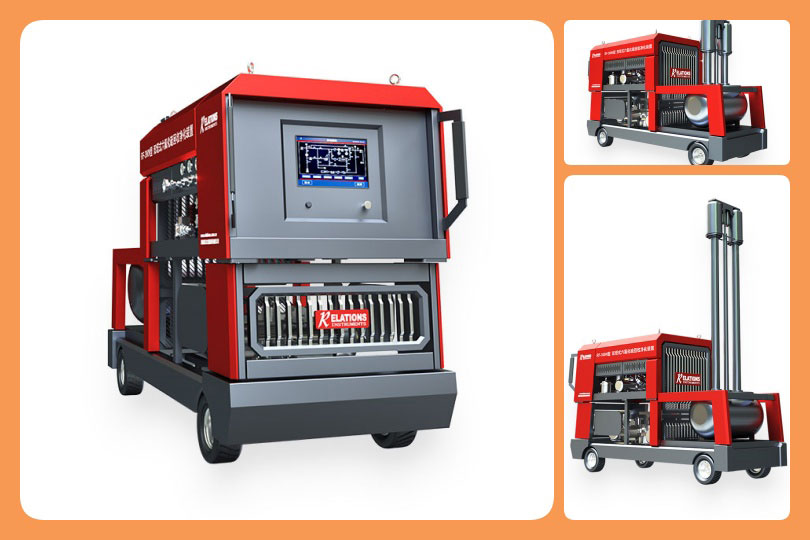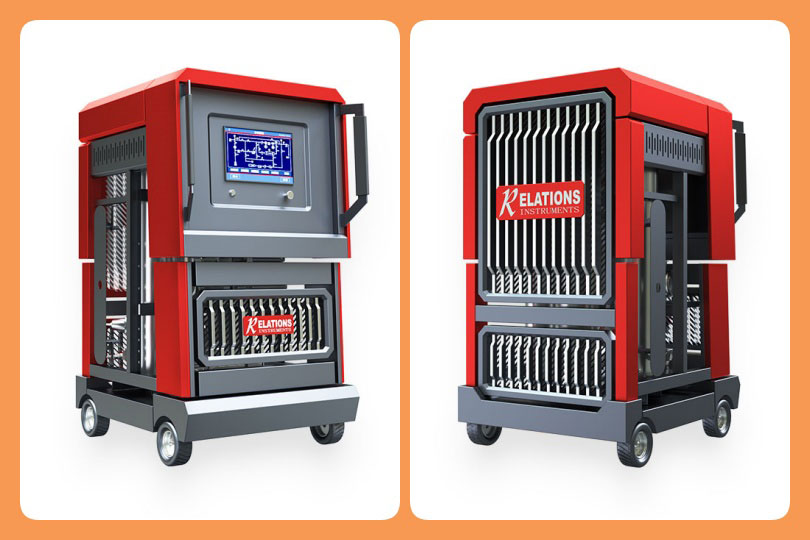
Multipoint Infrared SF6 Leak Detection System Factory Direct Inquiry

Date
2026-07-15
[email protected]
Website
www.sf6gasdetector.com
Get Solutions And Quotes
Contact Factory
Multipoint Infrared SF6 Leak Detection System Factory Direct Inquiry
In high-voltage power transmission, GIS substations, semiconductor manufacturing, and industrial gas-insulated environments, sulfur hexafluoride (SF6) leak monitoring is directly related to operational safety, environmental compliance, and equipment reliability. A multipoint infrared SF6 leak detection system factory direct inquiry allows industrial buyers to obtain accurate technical specifications, customized monitoring layouts, and competitive pricing directly from the manufacturer. For organizations seeking long-term SF6 gas management, a factory-direct solution can reduce procurement risk while improving system compatibility with real site conditions.
Why Choose a Multipoint Infrared SF6 Leak Detection System?
A multipoint infrared SF6 leak detection system is designed to monitor several potential leak points simultaneously through distributed sampling or sensor networks. Compared with single-point portable detectors, multipoint systems provide continuous, centralized, and automated monitoring for critical facilities.
Core Advantages of Infrared SF6 Detection
Infrared detection technology is widely used for SF6 gas monitoring because SF6 strongly absorbs infrared light at specific wavelengths. This enables precise gas identification with strong resistance to interference from many common background gases.
Key advantages include:
- High selectivity for SF6 gas using non-dispersive infrared detection principles
- Continuous online monitoring for unmanned or semi-unmanned substations
- Multipoint coverage for GIS rooms, cable tunnels, gas cabinets, and switchgear areas
- Fast alarm response to support early leak control and maintenance planning
- Low maintenance design compared with chemical sensor technologies
- Integration capability with PLC, SCADA, DCS, and building management systems
- Improved environmental compliance by supporting SF6 emission reduction programs
For buyers searching for a multipoint infrared SF6 leak detection system factory direct inquiry, these benefits are especially important when evaluating lifecycle cost, accuracy, and long-term reliability.
Typical Technical Parameters
The following table provides a general reference for common industrial-grade multipoint infrared SF6 leak detection systems. Actual specifications should be confirmed based on project requirements, installation environment, and applicable standards.
| Parameter | Typical Specification |
|---|---|
| Detection Gas | Sulfur Hexafluoride (SF6) |
| Detection Principle | Non-dispersive Infrared (NDIR) |
| Monitoring Type | Multipoint online monitoring |
| Measuring Range | 0–1,000 ppm / 0–3,000 ppm / customizable |
| Resolution | 1 ppm or project-specific |
| Accuracy | Typically ±2% FS or better, depending on configuration |
| Sampling Points | 4, 8, 16, 32 points or customized |
| Response Time | Usually ≤30 seconds, depending on sampling distance |
| Alarm Levels | Low alarm / high alarm / fault alarm |
| Output Signals | 4–20 mA, RS485, Modbus RTU/TCP, relay output |
| Display | LCD or touchscreen interface |
| Power Supply | AC 220V / DC 24V optional |
| Operating Temperature | Commonly -10°C to +50°C |
| Protection Grade | IP rating based on cabinet and installation needs |
| Data Storage | Historical trend, alarm records, export options |
| Installation Type | Wall-mounted cabinet, rack-mounted, or customized |
Compliance and Industrial Standards Considerations
A professional SF6 leak detection solution should be designed and installed in accordance with recognized industrial safety practices and local regulatory requirements. For international projects, buyers should consider standards and guidelines related to electrical safety, electromagnetic compatibility, environmental gas management, and occupational health.
Important considerations include:
- SF6 emission reduction policies and greenhouse gas reporting requirements
- Electrical safety requirements for high-voltage substations
- EMC compatibility for installations near switching equipment
- Calibration traceability and maintenance records
- Alarm strategy aligned with site emergency response procedures
- Proper ventilation and gas concentration risk assessment
A factory-direct supplier can help confirm whether the proposed equipment configuration is suitable for the operating environment and documentation requirements.
Key Application Scenarios
GIS Substations and High-Voltage Switchgear Rooms
Gas-insulated switchgear uses SF6 as an insulating and arc-quenching medium. Even small leaks can reduce equipment performance, increase maintenance cost, and contribute to greenhouse gas emissions. Multipoint infrared monitoring can be installed around GIS compartments, flange joints, valve connections, and cable termination areas to provide early warning.
Power Plants and Transmission Utilities
Utilities operating large-scale substations require continuous SF6 gas monitoring for operational reliability and regulatory reporting. A centralized multipoint system helps maintenance teams identify abnormal concentration trends before leaks become severe. This supports predictive maintenance and reduces unplanned outages.
Semiconductor and Electronics Manufacturing
SF6 may be used in plasma etching and other process applications. In these environments, gas detection must be precise, stable, and compatible with clean production management. Infrared multipoint systems can monitor gas cabinets, process tool areas, exhaust lines, and service corridors.
Industrial Gas Storage and Laboratory Facilities
Facilities storing or using SF6 cylinders require reliable leak detection around cylinder rooms, manifold stations, pressure regulators, and enclosed spaces. Multipoint monitoring improves safety by providing real-time alarms and historical data for safety audits.
Cable Tunnels and Enclosed Technical Rooms
SF6 is heavier than air and may accumulate in low-lying or poorly ventilated areas. Multipoint sampling can be arranged near floor level, cable trench locations, and ventilation dead zones to improve detection coverage.
Factory Direct Purchasing Guide
When initiating a multipoint infrared SF6 leak detection system factory direct inquiry, buyers should prepare accurate site and technical information. This helps the manufacturer recommend the correct system model, sampling structure, communication protocol, and installation accessories.
Information to Provide Before Quotation
| Required Information | Why It Matters |
|---|---|
| Number of monitoring points | Determines channel quantity and system architecture |
| Area layout or drawings | Supports sampling point placement and tubing length calculation |
| Target detection range | Ensures suitable sensitivity and alarm threshold design |
| Installation environment | Affects enclosure, temperature rating, and protection grade |
| Communication requirements | Determines Modbus, 4–20 mA, relay, or Ethernet configuration |
| Power supply conditions | Ensures compatibility with site electrical systems |
| Alarm logic requirements | Defines visual, audible, relay, or remote alarm functions |
| Calibration requirements | Supports compliance, maintenance, and traceability |
| Project location | Helps assess standards, logistics, and documentation needs |
For project evaluation, buyers can request a free technical consultation by contacting [email protected]. Providing drawings and operating conditions can help engineers prepare a more accurate customized on-site solution.
How to Evaluate a Reliable Manufacturer
A qualified manufacturer should provide more than a product catalog. For B-end industrial equipment procurement, buyers should assess technical capability, quality control, customization ability, after-sales service, and project experience.
Key evaluation points include:
- Proven experience with SF6 gas detection projects
- Clear technical datasheets and parameter documentation
- Support for customized multipoint configurations
- Stable infrared sensor technology and calibration procedures
- Factory testing before shipment
- Integration support for SCADA, PLC, or remote monitoring platforms
- Spare parts availability and maintenance guidance
- Professional response to technical inquiries
A factory-direct inquiry helps buyers communicate directly with engineering and production teams, reducing information loss that may occur through multiple distribution layers.
Recommended System Configuration Strategy
Small Substation or Equipment Room
For compact GIS rooms or switchgear areas, a 4-point or 8-point infrared SF6 leak detection system may be sufficient. Sampling points should be positioned near likely leak sources such as flanges, pressure gauges, gas valves, and low-level accumulation areas.
Medium and Large GIS Facilities
For larger substations, 16-point or 32-point systems are often more suitable. The system should divide monitoring zones logically and provide independent alarm identification for each sampling point. Integration with substation automation systems is recommended for centralized supervision.
Customized Industrial Projects
For semiconductor fabs, power plant complexes, or multi-room facilities, customized system design is often required. Engineers may recommend distributed cabinets, remote sampling modules, automatic purge functions, or advanced data management features. To receive one-on-one guidance from engineers, buyers can contact [email protected] with project specifications and installation drawings.
Installation and Maintenance Best Practices
Correct installation is essential for detection accuracy and long-term stability. Sampling points should be placed according to SF6 gas behavior, air circulation patterns, and actual leakage risk. Since SF6 is heavier than air, monitoring locations are commonly installed near lower zones while also considering ventilation flow.
Practical Installation Tips
- Install sampling points near joints, valves, and gas compartments
- Avoid locations with excessive dust, moisture, or vibration unless protected
- Keep sampling tubing lengths within manufacturer recommendations
- Label each sampling point clearly for maintenance and alarm response
- Ensure proper grounding and electrical safety during installation
- Verify communication signals before commissioning
- Conduct alarm testing and baseline verification after installation
Maintenance Recommendations
Routine maintenance usually includes visual inspection, filter replacement, flow check, zero/span calibration, and alarm function testing. Maintenance intervals should follow manufacturer guidance and site safety management requirements. Keeping calibration certificates and maintenance records helps demonstrate compliance during audits.
Frequently Asked Questions
What is a multipoint infrared SF6 leak detection system?
It is an online monitoring system designed to detect SF6 gas leakage at multiple locations using infrared detection technology. It can continuously sample and analyze gas concentrations, display readings, trigger alarms, and transmit data to control systems.
Why is infrared technology preferred for SF6 detection?
Infrared technology offers high selectivity, stable performance, and long service life. Because SF6 has strong infrared absorption characteristics, NDIR detection can identify low-level SF6 concentrations accurately without relying on consumable chemical reactions.
How many monitoring points can one system support?
Common configurations include 4, 8, 16, and 32 points. Larger or more complex facilities may require customized multipoint systems or multiple monitoring cabinets connected to a centralized platform.
Can the system connect to SCADA or PLC systems?
Yes. Most industrial-grade systems support communication options such as RS485, Modbus RTU, Modbus TCP, 4–20 mA signals, and relay outputs. The exact protocol should be confirmed during the factory direct inquiry stage.
What details are needed for a quotation?
Buyers should provide the number of monitoring points, installation layout, required detection range, alarm requirements, communication protocol, operating environment, and project standards. For faster quotation and solution design, contact [email protected].
Is customization available for different industrial sites?
Yes. System range, sampling channels, cabinet type, alarm method, data storage, communication interface, and installation accessories can usually be customized according to site conditions and project requirements.
Conclusion
A multipoint infrared SF6 leak detection system factory direct inquiry is the most efficient way for industrial buyers to obtain accurate technical support, customized configuration, and reliable pricing for SF6 leak monitoring projects. By selecting a professional infrared multipoint detection solution, power utilities, GIS substations, semiconductor facilities, and industrial gas users can improve safety, reduce SF6 emissions, and strengthen long-term equipment reliability. For successful procurement, buyers should evaluate technical parameters, application scenarios, compliance needs, installation conditions, and manufacturer engineering support before finalizing the system configuration.