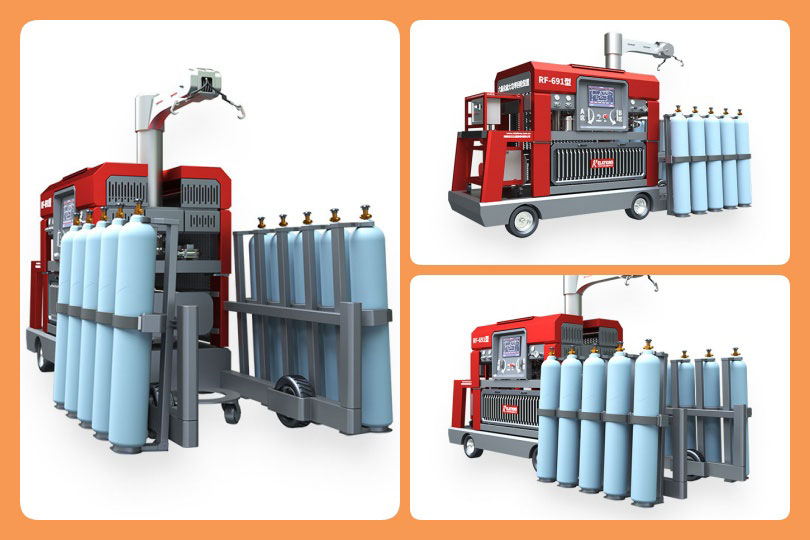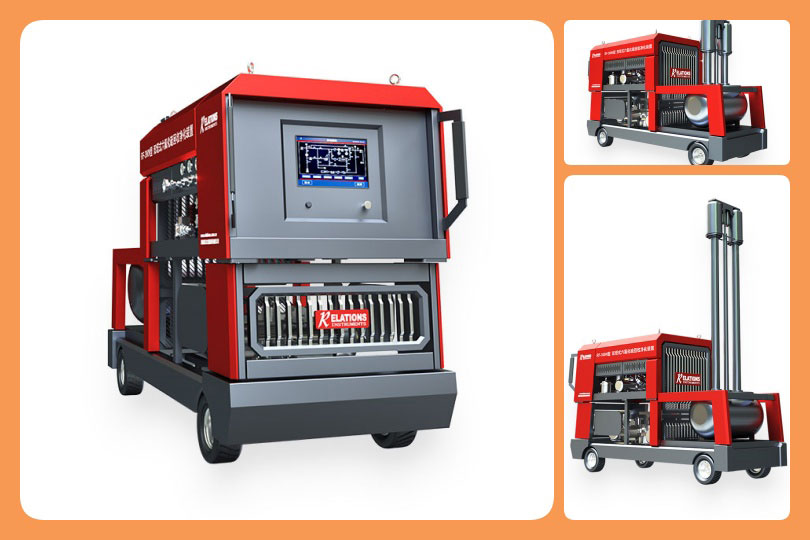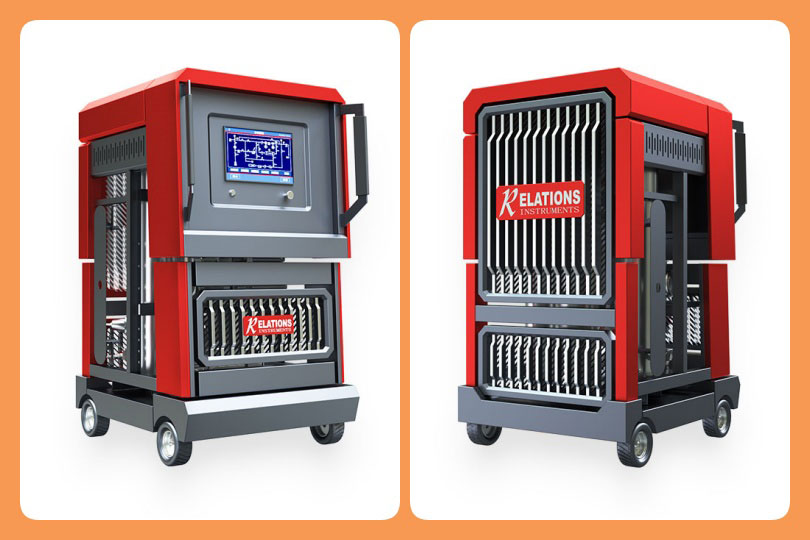
Choosing Cost-effective SF6 Recovery Unit Capacity on a Limited Budget
Date
2026-07-20
[email protected]
Website
www.sf6gasdetector.com
Get Solutions And Quotes
Choosing Cost-effective SF6 Recovery Unit Capacity on a Limited Budget
For small utility teams managing medium-voltage and high-voltage switchgear, selecting the right cost-effective SF6 recovery unit capacity is a practical decision that affects safety, compliance, equipment availability, and operating costs. Sulfur hexafluoride (SF6) remains widely used in gas-insulated switchgear, circuit breakers, and substations due to its excellent insulation and arc-quenching performance. However, because SF6 is a regulated greenhouse gas, utilities must recover, recycle, and handle it according to strict environmental and industrial standards. For teams with limited budgets, the goal is not to buy the largest machine available, but to choose a recovery unit with the correct capacity, stable performance, and reliable compliance features.
Why Capacity Matters for Small Utility SF6 Recovery Operations
SF6 recovery unit capacity determines how quickly the equipment can evacuate, recover, purify, and store gas from electrical apparatus. For small utility teams, a properly sized system can reduce downtime while avoiding unnecessary capital investment. Oversized units may increase purchase cost, maintenance burden, and transport difficulty, while undersized systems can slow maintenance schedules and create operational bottlenecks.
A cost-effective SF6 recovery unit capacity should match the actual gas volume of the switchgear fleet, the number of annual maintenance tasks, and the required recovery speed. In many small utility applications, portability, ease of operation, low energy consumption, and compliance documentation are just as important as maximum flow rate.
Core Advantages of a Cost-Effective SF6 Recovery Unit
1. Lower Total Cost of Ownership
For budget-conscious utilities, the purchase price is only one part of the total cost. A well-designed SF6 recovery unit helps reduce gas loss, minimize replacement gas purchases, and extend the usable life of recycled SF6. Units with efficient compressors, vacuum pumps, filtration systems, and automatic shutdown functions can significantly lower operating expenses over time.
2. Compliance with Environmental and Safety Requirements
SF6 handling is subject to international and regional regulations, including greenhouse gas reporting requirements, emissions reduction programs, and occupational safety standards. A compliant recovery unit supports safe gas transfer, minimizes leakage, and enables proper recovery before equipment opening or decommissioning. This helps utilities align with IEC practices, equipment manufacturer recommendations, and local environmental regulations.
3. Practical Capacity for Field Maintenance
Small teams often work with limited vehicles, limited manpower, and tight outage windows. Compact SF6 recovery units with moderate recovery capacity are easier to move between substations and can be operated by trained technicians without complex setup. This improves maintenance flexibility without requiring a large capital budget.
4. Improved Gas Quality Management
Many cost-effective recovery units include filtration, drying, and particle removal functions. These features help remove moisture, decomposition byproducts, and contaminants from used SF6 gas. Better gas quality reduces the risk of insulation failure and supports the safe reuse of gas where allowed by applicable standards and internal utility procedures.
Recommended SF6 Recovery Unit Capacity by Utility Size
The table below provides a practical reference for selecting a cost-effective SF6 recovery unit capacity based on common small utility maintenance scenarios. Actual requirements should be confirmed according to switchgear gas volume, pressure rating, service frequency, and site conditions.
| Utility Scenario | Typical Equipment Served | Suggested Recovery Capacity | Best-Fit Unit Type | Key Benefit |
|---|---|---|---|---|
| Small municipal utility | MV switchgear, compact GIS panels | 10–20 kg/h | Portable recovery unit | Low investment and easy transport |
| Rural distribution operator | Distribution substations, breakers | 20–40 kg/h | Mobile compact recovery system | Balanced speed and affordability |
| Small industrial power team | Plant substations, ring main units | 15–30 kg/h | Skid-mounted or trolley unit | Stable maintenance support |
| Regional maintenance contractor | Multiple customer sites | 40–60 kg/h | High-capacity mobile unit | Faster turnaround across sites |
Key Technical Parameters to Compare Before Purchasing
When evaluating a cost-effective SF6 recovery unit capacity, small utility teams should compare more than recovery speed. Reliable field performance depends on a combination of recovery efficiency, final vacuum, storage compatibility, filtration, and safety protection.
| Parameter | Recommended Range for Small Teams | Why It Matters |
|---|---|---|
| Recovery capacity | 10–60 kg/h | Determines gas removal speed and maintenance efficiency |
| Final vacuum | Typically ≤ 50–100 Pa | Supports thorough evacuation before refilling or servicing |
| Compressor type | Oil-less or sealed compressor | Reduces contamination risk and maintenance needs |
| Filtration system | Moisture, particle, and acid gas filtration | Improves recovered gas quality |
| Storage method | External cylinder or onboard tank | Affects portability and operating convenience |
| Control system | Manual or semi-automatic operation | Balances cost with usability |
| Leak-tight design | High-integrity valves and fittings | Helps reduce SF6 emissions |
| Power supply | Single-phase or three-phase options | Must match substation site availability |
Common Application Scenarios for Small Utility Teams
Routine Switchgear Maintenance
During scheduled inspection or repair, SF6 must be safely removed before technicians open gas compartments. A properly sized recovery unit allows teams to recover gas efficiently, evacuate the compartment, and prepare the equipment for service in accordance with safe operating procedures.
Emergency Gas Handling
When abnormal pressure loss or suspected leakage occurs, a portable SF6 recovery system helps recover remaining gas and reduce emissions. Small teams benefit from units that are quick to deploy, simple to connect, and reliable under field conditions.
SF6 Gas Recycling and Reuse
Where permitted by applicable regulations and quality standards, recovered SF6 can be filtered and reused after testing. This reduces new gas procurement costs and supports sustainability targets. Gas quality should always be verified using suitable SF6 analyzers before reuse in critical electrical equipment.
Equipment Decommissioning
Before old switchgear or breakers are dismantled, SF6 must be recovered to prevent release into the atmosphere. A cost-effective recovery unit gives small utilities an affordable way to meet environmental responsibilities during asset replacement programs.
Purchasing Guide: How to Choose the Right Capacity on a Limited Budget
Assess Your Actual Gas Volume
Start by listing each SF6-filled asset, its gas quantity, rated pressure, and maintenance frequency. If most equipment contains small to moderate gas volumes, a 10–30 kg/h unit may be more economical than a larger industrial recovery system.
Match Capacity to Outage Windows
If your team must complete maintenance within short outage periods, consider a higher recovery capacity. However, if maintenance is planned and infrequent, a smaller unit may deliver a better return on investment.
Consider Portability and Site Conditions
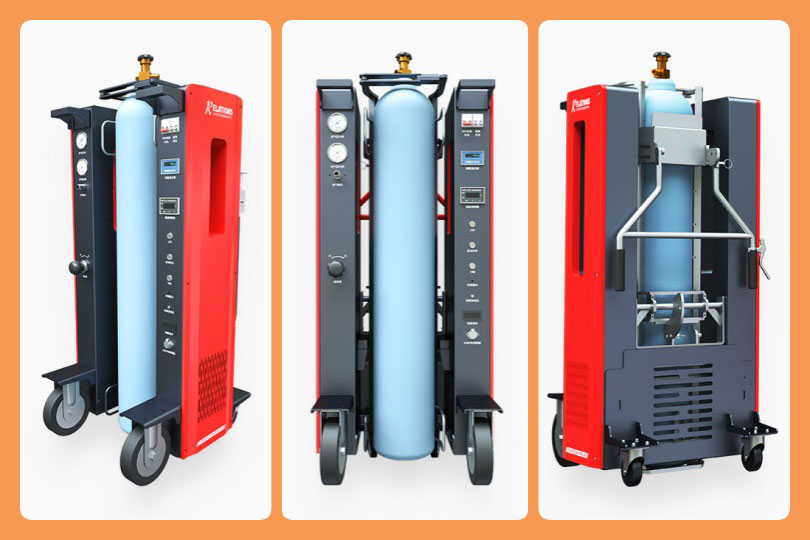
Small utility crews often work in substations with limited access. Compact trolley-mounted units or portable systems are easier to transport and position near switchgear. Check unit weight, dimensions, hose length, and power supply compatibility before purchase.
Prioritize Safety and Leak Prevention
Choose equipment with pressure protection, vacuum monitoring, reliable valves, and compatible fittings. Operators should be trained in SF6 handling, personal protective equipment use, and emergency response procedures. Proper operation is essential for both worker safety and regulatory compliance.
Evaluate Long-Term Support
Availability of spare parts, calibration support, technical training, and after-sales service can affect lifecycle value. A slightly higher-quality unit with dependable support may be more cost-effective than a low-cost system with limited service options.
For teams unsure about the best cost-effective SF6 recovery unit capacity, professional sizing support can prevent overspending and underperformance. You can request a free technical consultation by contacting [email protected] with your equipment list, gas volume, and maintenance schedule.
Cost-Saving Strategies Without Compromising Compliance
Small utilities can reduce SF6 handling costs by planning maintenance routes, minimizing repeated mobilization, using tested recovery hoses and fittings, and maintaining accurate gas inventory records. Regular leak inspections also reduce the amount of gas that must be replaced. Combining an appropriately sized recovery unit with SF6 gas analyzers and leak detectors creates a more complete gas management program.
Another effective strategy is to select a modular system. Some entry-level SF6 recovery units can be configured with optional vacuum pumps, external storage cylinders, or enhanced filtration. This allows teams to start with essential functions and upgrade as operational demand increases.
If your utility needs a customized on-site SF6 gas recovery plan, engineers can provide capacity matching, workflow recommendations, and equipment configuration guidance through [email protected].
Frequently Asked Questions About Cost-Effective SF6 Recovery Unit Capacity
What is the best SF6 recovery unit capacity for a small utility team?
For many small utility teams, a recovery capacity between 10 and 40 kg/h is sufficient. The best choice depends on the total SF6 volume in your equipment, maintenance frequency, outage duration, and available budget.
Is a smaller SF6 recovery unit always more cost-effective?
Not always. A smaller unit costs less upfront but may increase labor time if gas volumes are high. The most cost-effective SF6 recovery unit capacity is the one that balances purchase cost, recovery speed, compliance needs, and long-term operating efficiency.
Can recovered SF6 gas be reused?
Recovered SF6 may be reused if it meets applicable quality requirements after filtration and testing. Moisture content, purity, and decomposition products should be checked with suitable instruments before the gas is returned to service.
What standards should be considered when handling SF6?
Utilities should follow applicable local environmental regulations, equipment manufacturer instructions, and recognized industry practices related to SF6 recovery, storage, testing, and emissions control. Operators should also comply with workplace safety requirements for pressurized gas handling.
How can a small team avoid buying an oversized recovery unit?
Review your asset gas volumes, expected annual recovery workload, and required maintenance timelines. If most work involves compact switchgear, a portable or medium-capacity unit may be sufficient. One-on-one guidance from engineers is available at [email protected] to help compare suitable options.
Final Thoughts
Choosing the right cost-effective SF6 recovery unit capacity is essential for small utility teams that need reliable gas handling without exceeding budget limits. By focusing on actual workload, recovery speed, portability, gas quality control, and compliance features, utilities can select equipment that supports safe operations and long-term cost savings. A practical, well-sized SF6 recovery unit not only protects valuable electrical assets but also helps reduce emissions and strengthen environmental responsibility.