SF6 Leak Emergency Response Services: What Suppliers Provide and Billing
Date
2026-07-17
[email protected]
Website
www.sf6gasdetector.com
Get Solutions And Quotes
Contact Factory
SF6 Leak Emergency Response Services: What Suppliers Provide and Billing
Sulfur hexafluoride (SF6) is widely used in high-voltage switchgear, GIS substations, circuit breakers, and other electrical insulation applications because of its excellent dielectric strength and arc-quenching performance. However, an SF6 leak can create operational, environmental, and compliance risks if not handled quickly and professionally. For utilities, substations, data centers, rail systems, and industrial plants, understanding what emergency response services should a supplier provide in the event of an SF6 leak, and how are those services billed is essential for selecting a reliable SF6 gas service partner and controlling emergency maintenance costs.
A qualified SF6 supplier should provide more than gas cylinders and equipment. In a leak event, the supplier should offer rapid technical support, leak detection, gas recovery, temporary containment, repair guidance, compliance documentation, and transparent billing based on response time, labor, equipment, consumables, and gas handling requirements.
Core Emergency Response Services an SF6 Supplier Should Provide
24/7 Emergency Technical Support
SF6 leaks may occur during equipment aging, seal failure, improper installation, mechanical damage, or maintenance activities. A professional supplier should offer 24/7 emergency response channels, including phone, email, and remote technical consultation.
The first response should include:
- Initial risk assessment based on leak location and gas pressure
- Guidance on isolating affected equipment
- Safety instructions for personnel and operators
- Recommendations for ventilation and restricted access
- Dispatch decision for on-site emergency service
For time-sensitive incidents, users can request rapid engineering support through [email protected] to obtain professional guidance for SF6 leak response planning and on-site service coordination.
On-Site SF6 Leak Detection and Location
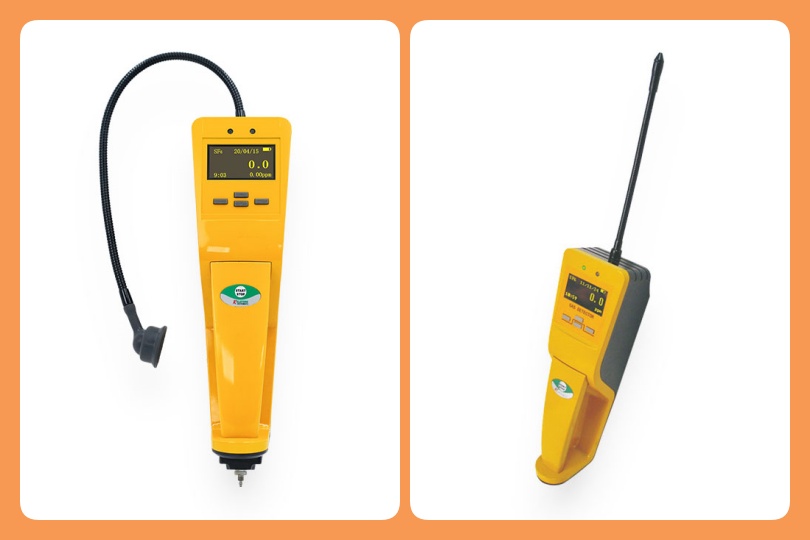
A key emergency service is accurate leak detection. Suppliers should use calibrated SF6 gas leak detectors, infrared imaging systems, portable gas analyzers, or ultrasonic leak detection tools depending on site conditions.
Reliable leak detection should identify:
- Leakage points at flanges, valves, seals, density relays, and pipe joints
- Indoor SF6 concentration in GIS rooms or enclosed areas
- Leak rate estimation for environmental reporting
- Whether immediate shutdown or temporary operation is acceptable
Detection instruments should comply with recognized industrial standards such as IEC requirements for high-voltage equipment maintenance, manufacturer operation manuals, and local occupational safety regulations.
SF6 Gas Recovery, Handling, and Temporary Containment
If the leak is significant or equipment must be depressurized, the supplier should provide SF6 gas recovery services. This protects personnel, reduces emissions, and supports regulatory compliance. SF6 has a very high global warming potential, so uncontrolled release should be avoided wherever technically possible.
Emergency gas handling services may include:
- Connection to recovery equipment
- Gas evacuation from leaking compartments
- Temporary storage in approved cylinders or tanks
- Gas purification and moisture removal if reusable
- Safe transportation of recovered gas
- Vacuum pumping before refilling
All gas recovery equipment should be compatible with SF6 and operated by trained technicians following industrial gas handling procedures.
Emergency Repair Support and Spare Parts Coordination
Not every supplier performs mechanical repair directly, but a competent SF6 emergency response provider should help identify repair requirements and coordinate spare parts. Common emergency repair support includes replacement of O-rings, gaskets, valve assemblies, density monitors, hose fittings, or pressure relief components.
For critical assets, suppliers should help customers decide whether to:
- Continue limited operation under monitoring
- Isolate and de-energize the affected bay
- Perform immediate sealing or component replacement
- Schedule planned outage repair after temporary containment
This practical decision-making support can reduce downtime while maintaining safety and compliance.
Recommended SF6 Emergency Response Parameter Table
Typical Emergency Service Parameters
| Service Item | Standard Expectation | Emergency Requirement |
|---|---|---|
| Technical hotline availability | Business hours | 24/7 emergency contact |
| Remote response time | Within 24 hours | 30 minutes to 2 hours |
| On-site arrival | Scheduled visit | Same day or 24–72 hours depending on location |
| Leak detection sensitivity | General inspection level | ppm-level or infrared precision detection |
| Gas recovery capability | Optional | Required for significant leaks |
| Documentation | Basic service report | Full leak report, gas quantity record, and corrective recommendations |
| Technician qualification | General maintenance | Trained SF6 handling and high-voltage site safety experience |
Common Equipment Used in SF6 Leak Emergency Response
| Equipment Type | Purpose | Key Benefit |
|---|---|---|
| Portable SF6 leak detector | Pinpoint small leaks | Fast and accurate field inspection |
| Infrared SF6 camera | Visualize gas plume | Useful for large GIS installations |
| SF6 gas analyzer | Test purity, moisture, decomposition products | Determines gas reuse suitability |
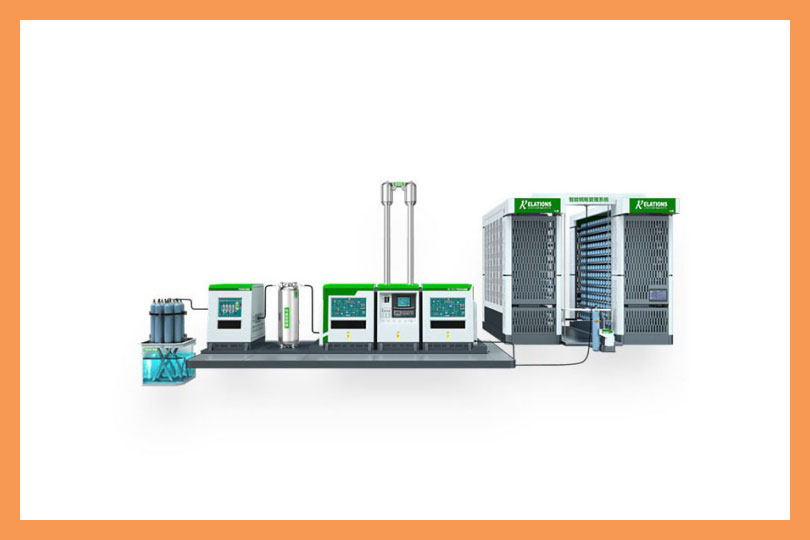
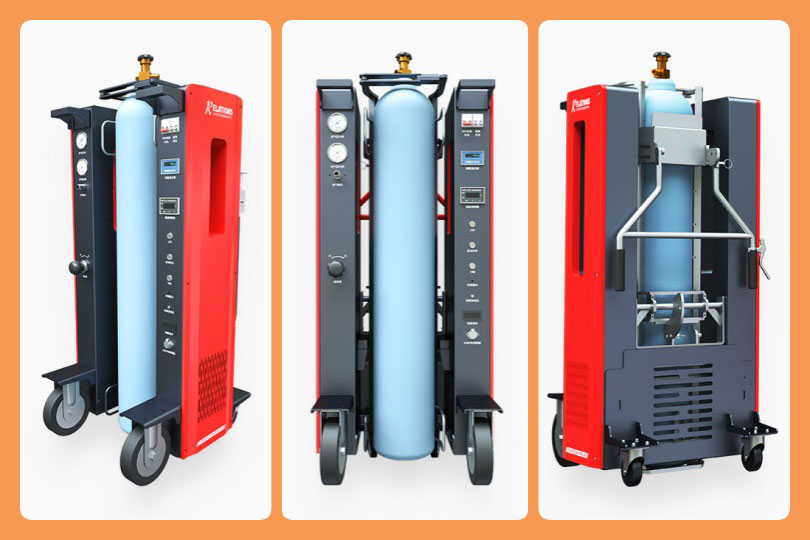
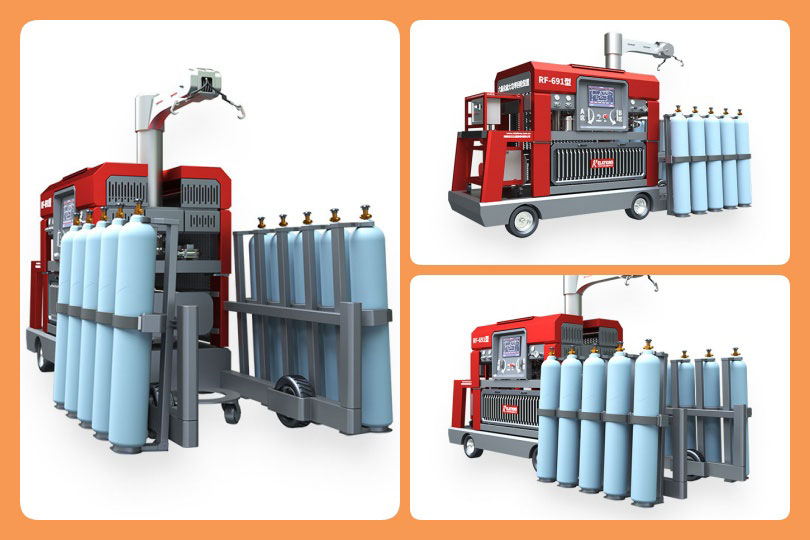
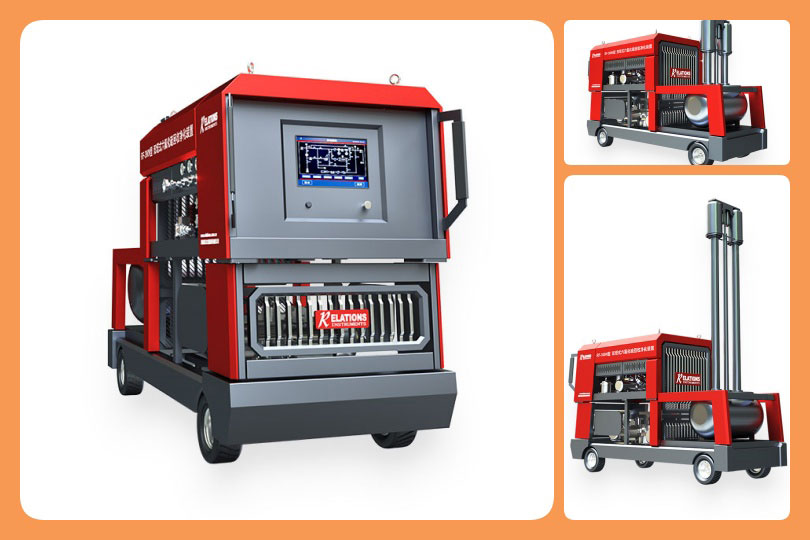
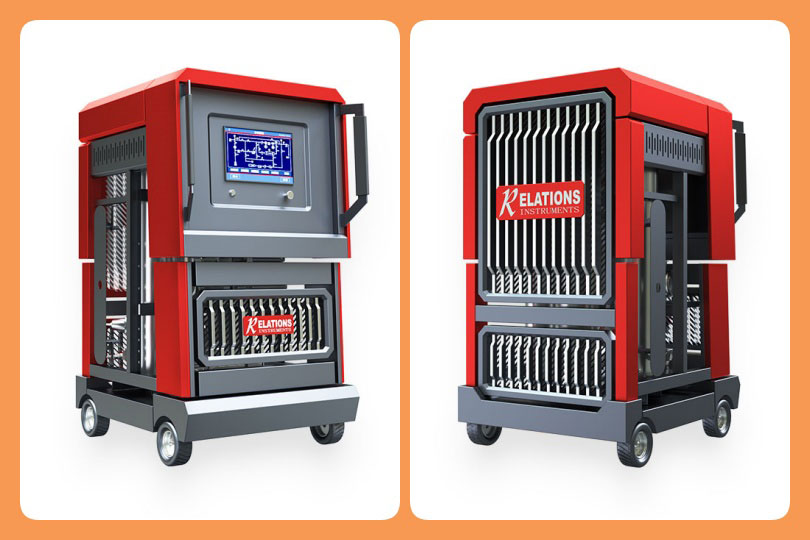
| Gas recovery unit | Recover SF6 from equipment | Reduces emissions and gas loss |
| Vacuum pump | Remove air and moisture before refill | Supports safe recommissioning |
| Certified storage cylinders | Temporary recovered gas storage | Ensures compliant gas handling |
Key Application Scenarios for SF6 Leak Emergency Services
High-Voltage GIS Substations
Gas-insulated switchgear requires stable SF6 pressure to maintain insulation performance. A leak in GIS equipment can threaten system reliability and may trigger alarms or interlocks. Emergency service should include leak location, gas recovery, temporary sealing, and pressure restoration after repair.
Power Plants and Utility Networks
Power generation facilities and transmission operators require rapid incident response to prevent forced outages. SF6 suppliers serving these customers should offer emergency dispatch, replacement gas supply, and compliance documentation for environmental reporting.
Industrial Facilities and Data Centers
Large industrial users and mission-critical data centers may use SF6-insulated switchgear for stable power distribution. In these environments, the supplier should provide customized risk assessment, safety zoning, and one-on-one engineer guidance. For customized on-site SF6 leak response solutions, contact [email protected].
Rail Transit and Infrastructure Systems
Rail substations often operate in urban or space-limited environments. Emergency services should focus on fast leak confirmation, minimal service interruption, ventilation assessment, and safe work procedures in confined electrical rooms.
How Are SF6 Leak Emergency Services Billed?
Understanding billing terms is as important as evaluating technical capability. Emergency service pricing should be transparent, itemized, and agreed in advance whenever possible.
Common Billing Components
| Billing Item | Description | Typical Billing Method |
|---|---|---|
| Emergency consultation | Remote diagnosis and technical guidance | Fixed fee or included in service contract |
| Technician mobilization | Dispatch preparation and travel arrangement | Fixed call-out fee |
| Travel cost | Transportation, accommodation, and logistics | Actual cost or zone-based rate |
| On-site labor | Leak inspection, recovery, repair assistance | Hourly or daily rate |
| Equipment usage | Leak detector, analyzer, recovery unit, vacuum pump | Daily rental or service package |
| Consumables | Seals, hoses, filters, fittings, cylinders | Actual usage |
| SF6 gas refill | New or reclaimed SF6 gas supplied | Charged by weight |
| Gas recovery and disposal | Recovery, purification, storage, or disposal | Charged by weight or service scope |
| Emergency surcharge | Nights, weekends, holidays, urgent dispatch | Percentage uplift or fixed premium |
| Documentation | Compliance reports and service records | Included or separately charged |
Fixed-Price Contract vs. Time-and-Material Billing
For critical facilities, annual emergency response agreements are often more cost-effective than one-time emergency billing. A service contract may include priority dispatch, reduced labor rates, scheduled inspections, and emergency consultation.
Time-and-material billing is more flexible for occasional users but may be more expensive during urgent incidents due to travel, overtime, and equipment mobilization.
Factors That Influence Final Cost
Emergency SF6 leak service costs depend on several variables:
- Site location and accessibility
- Urgency of response
- Equipment voltage level and GIS complexity
- Leak size and required repair scope
- Whether gas must be recovered, purified, or replaced
- Quantity of SF6 involved
- Safety permits, outage requirements, and work duration
- Need for environmental or regulatory documentation
A reliable supplier should provide a written quotation or cost estimate before dispatch, except in situations requiring immediate safety action.
Purchasing Guide: How to Choose an SF6 Emergency Response Supplier
Verify Technical Capability
Choose a supplier with proven experience in SF6 gas detection, gas recovery, analysis, refilling, and emergency field service. The supplier should understand high-voltage operational environments and be familiar with GIS, circuit breakers, RMUs, and gas monitoring systems.
Check Equipment Calibration and Compliance
Ask whether leak detectors and gas analyzers are calibrated and traceable. Equipment should support accurate measurement of SF6 concentration, humidity, purity, and decomposition products when needed.
Review Response Coverage and Service Level Agreements
A supplier should clearly define emergency response time, coverage area, technician availability, and escalation procedures. For mission-critical substations, a documented service level agreement is strongly recommended.
Request Transparent Billing Terms
Before signing a service agreement, confirm call-out fees, labor rates, travel charges, emergency surcharges, equipment rental costs, and gas pricing. Transparent billing reduces disputes during stressful leak events.
For a free consultation on SF6 emergency response service models and billing options, email [email protected] for engineer-supported recommendations.
Frequently Asked Questions About SF6 Leak Emergency Services
Is an SF6 Leak Immediately Dangerous to Personnel?
SF6 is non-flammable and chemically stable under normal conditions, but it can displace oxygen in enclosed spaces. Decomposition products may also be present after electrical arcing. Personnel should follow site safety procedures, ensure ventilation, and avoid entering poorly ventilated areas without proper assessment.
Should Equipment Be Shut Down Immediately After an SF6 Leak?
Not always. The decision depends on leak severity, gas pressure, insulation margin, equipment design, and operational risk. A qualified engineer should assess whether controlled operation, isolation, or immediate shutdown is required.
Can Leaked SF6 Gas Be Reused?
Recovered SF6 may be reused if it meets quality requirements after testing and purification. Gas analysis should check purity, moisture content, acidity, and decomposition by-products before reuse.
What Documents Should the Supplier Provide After Emergency Service?
A complete emergency service report should include leak location, detection method, gas quantity recovered or refilled, test results, repair recommendations, technician records, and compliance-related information for environmental reporting.
Why Is Supplier Emergency Capability Important?
When evaluating what emergency response services should a supplier provide in the event of an SF6 leak, and how are those services billed, the best answer is a combination of fast response, safe gas handling, accurate diagnosis, transparent pricing, and regulatory documentation. A supplier with strong emergency capability helps reduce downtime, protect personnel, minimize SF6 emissions, and support long-term asset reliability.