Avoid Failed SF6 Reuse: Gas Purity Tests After SF6 Gas Recovery
Date
2026-07-22
[email protected]
Website
www.sf6gasdetector.com
Get Solutions And Quotes
Avoid Failed SF6 Reuse: Gas Purity Tests After SF6 Gas Recovery
After SF6 gas recovery from gas-insulated switchgear, circuit breakers, transformers, or storage cylinders, the recovered gas should not be returned to service until it has passed standardized gas purity tests. These tests verify whether the gas meets the technical requirements for safe SF6 reuse, including purity, moisture content, air contamination, and decomposition by-products. Using a calibrated SF6 gas analyzer and following recognized international standards helps operators reduce operating risk, extend equipment life, and support environmental compliance by minimizing unnecessary SF6 disposal.
Why SF6 Gas Purity Testing Matters After Recovery
SF6 is widely used in medium- and high-voltage electrical equipment because of its excellent dielectric strength and arc-quenching performance. However, after years of service or after an electrical fault, SF6 may become contaminated with air, moisture, oil vapor, particulates, or toxic decomposition products such as SO2 and HF-related compounds.
When SF6 is recovered from equipment, the gas condition can vary significantly depending on the equipment age, fault history, maintenance practices, and recovery method. Returning unverified gas to service may lead to reduced insulation performance, corrosion, flashover risk, and non-compliance with internal safety procedures or environmental regulations.
For this reason, professional SF6 gas recovery programs include post-recovery analysis, filtration or purification when required, and documented pass/fail evaluation before the gas is reused, recycled, or sent for disposal.
Core Gas Purity Tests Performed After SF6 Recovery
1. SF6 Volume Percentage or Purity Test
The first and most important test measures the actual SF6 concentration in the recovered gas. A high-quality SF6 gas analyzer typically reports purity as a percentage by volume. Low purity usually indicates contamination by air, nitrogen, or other gases introduced during equipment leakage, improper handling, or incomplete evacuation.
For most reuse applications, recovered SF6 should meet the minimum purity requirements specified by the equipment manufacturer, utility maintenance standard, or IEC guidelines. Gas that does not meet the required purity level may be purified, blended with new gas where permitted, or rejected for reuse.
2. Moisture Content or Dew Point Test
Moisture is one of the most critical contaminants in SF6 systems. Excess water vapor can reduce dielectric strength and accelerate the formation of corrosive by-products, especially after arcing events. Moisture is commonly measured in ppmv or as dew point temperature.
After SF6 gas recovery, the moisture test determines whether the gas is dry enough for safe filling back into electrical equipment. If the moisture level exceeds the allowable limit, the gas should be dried using molecular sieve filtration, vacuum processing, or an approved gas purification system.
3. Air and Non-Condensable Gas Content Test
Air contamination typically consists of nitrogen and oxygen. Excessive air reduces SF6’s insulating performance and may indicate leakage or poor handling during recovery. Some advanced analyzers directly measure N2, O2, or total non-condensable gas content.
This test is particularly important when evaluating SF6 reuse for high-voltage equipment where dielectric margins are strict. If air content is above the acceptable limit, the gas may require purification or separation before it can be considered suitable for reuse.
4. Decomposition By-Product Test
SF6 exposed to electrical discharges can generate by-products such as SO2, HF, SOF2, and other sulfur-fluoride compounds. While not all by-products are measured in routine field testing, SO2 is widely used as a practical indicator of decomposition severity.
High SO2 readings may indicate internal arcing, overheating, or contact wear inside the equipment. Gas with elevated decomposition products must be handled with appropriate personal protective equipment and should be filtered, neutralized, or processed according to site safety procedures.
5. Oil Mist, Particulate, and Acidity Checks
In some applications, especially where gas handling carts, compressors, or older equipment are used, recovered SF6 may contain oil mist or particulate contamination. Laboratory analysis may also include acidity testing or more detailed chemical screening when gas quality is uncertain.
These additional gas purity tests are commonly performed when gas will be reused in critical assets, when a major fault has occurred, or when a certificate of analysis is required by the project owner.
Typical Pass/Fail Criteria for SF6 Reuse
Pass/fail criteria should always be based on the applicable equipment manufacturer’s recommendations, utility specifications, and international standards such as IEC 60480 for reuse of SF6 and IEC 60376 for new SF6. The values below are typical industry reference ranges and should be verified against the project’s governing documents.
| Test Parameter | Common Unit | Typical Reuse Acceptance Range | Fail Condition | Recommended Action |
|---|---|---|---|---|
| SF6 Purity | % volume | Usually ≥ 97% to 99% depending on application | Below specified minimum | Purify, reprocess, or reject |
| Moisture Content | ppmv or dew point | Typically within OEM or IEC limits for service gas | Exceeds moisture limit | Dry with filtration or vacuum processing |
| Air / N2 / O2 | % or ppmv | Within equipment and utility specifications | Excessive air contamination | Gas separation, purification, or disposal |
| SO2 By-Products | ppmv | Low or non-detectable for normal reuse | Elevated decomposition level | Filter, neutralize, investigate equipment condition |
| Oil / Particulates | Visual, mg/kg, or lab result | No harmful contamination | Visible oil, particles, or failed lab result | Filter or send for specialized treatment |
For critical high-voltage installations, many asset owners apply stricter internal limits than minimum international recommendations. The safest approach is to evaluate recovered SF6 against the most conservative requirement among the OEM manual, local regulations, and site operating procedures.
Application Scenarios for Post-Recovery SF6 Testing
Routine Maintenance of GIS and Circuit Breakers
During scheduled maintenance, SF6 is often recovered before internal inspection, repair, or component replacement. Testing the recovered gas helps determine whether it can be returned to the same equipment or stored for later reuse. This reduces the need for new gas purchases and supports emission reduction goals.
Emergency Recovery After Equipment Failure
After an internal fault or abnormal alarm, recovered SF6 may contain high levels of decomposition products. In this scenario, gas analysis is not only a quality control step but also a safety requirement. Personnel should follow electrical safety rules, chemical exposure controls, and confined-area ventilation requirements before handling contaminated gas.
Gas Inventory Management and Cylinder Verification
Utilities, substations, and industrial plants often store recovered SF6 in cylinders or gas carts. Periodic testing confirms whether stored gas remains suitable for reuse. A documented analysis program also improves traceability for greenhouse gas reporting and internal audits.
Third-Party Service and Commissioning Projects
For contractors and EPC companies, providing documented gas purity tests after SF6 gas recovery demonstrates professionalism and reduces disputes during handover. Test records can confirm that filling gas meets the agreed acceptance standard before energization.
Do We Provide a Certificate of Analysis?
Yes. For qualified SF6 recovery and testing projects, a certificate of analysis can be provided based on measured test results. The certificate typically includes the gas sample identification, equipment or cylinder number, test date, analyzer model, calibration status, measured values, pass/fail judgment, and reference criteria used for evaluation.
A certificate of analysis is especially valuable for substations, power utilities, industrial plants, and service contractors that need reliable documentation for maintenance records, environmental compliance, or project handover. For customized documentation requirements, users may contact [email protected] to request a free consultation on certificate format, test items, and acceptance standards.
How to Choose the Right SF6 Gas Analyzer for Recovery Projects
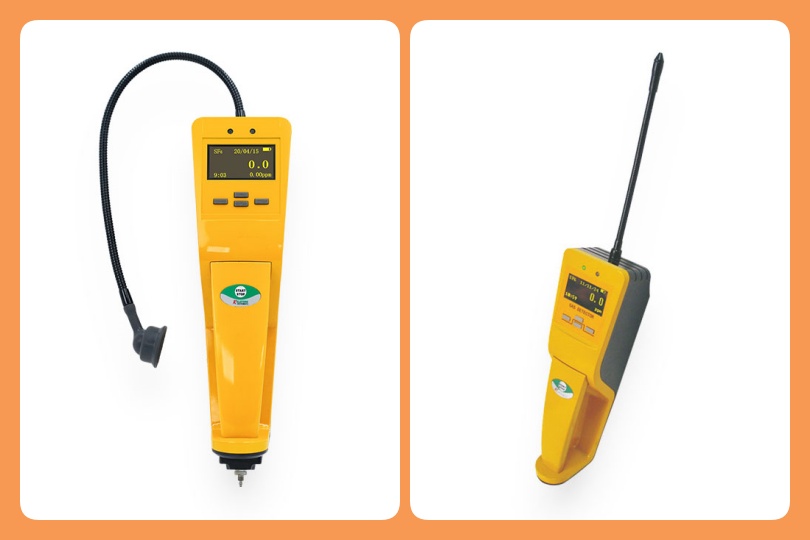
Selecting the correct SF6 gas analyzer is essential for accurate reuse decisions. A professional analyzer should match the site’s voltage level, testing frequency, reporting requirements, and environmental conditions.
| Selection Factor | Recommended Requirement | Why It Matters |
|---|---|---|
| Measurement Parameters | SF6 purity, moisture, SO2, and optional O2/N2 | Supports complete reuse evaluation |
| Accuracy and Repeatability | Suitable for industrial field testing | Reduces false pass/fail decisions |
| Calibration Traceability | Factory or accredited calibration certificate | Improves audit and compliance confidence |
| Data Recording | Digital storage, USB export, or report generation | Simplifies certificate preparation |
| Field Portability | Rugged design, battery operation, compact size | Supports substation and outdoor testing |
| Gas Handling Safety | Low sample consumption and gas return function | Reduces emissions and operator exposure |
Companies handling multiple substations or large SF6 inventories should consider analyzers with multi-gas capability, fast stabilization time, and automatic data logging. To receive one-on-one engineer guidance for analyzer selection and SF6 reuse procedures, contact [email protected].
Best Practices for Reliable SF6 Reuse Decisions
Reliable reuse decisions depend on more than one test result. Operators should use clean sampling hoses, avoid moisture ingress during connection, purge sampling lines properly, and confirm that the analyzer is within its calibration period. Testing should be performed by trained personnel who understand both gas handling procedures and the electrical equipment being serviced.
Recovered gas that fails one parameter should not automatically be discarded. In many cases, purification, drying, or filtration can restore the gas to an acceptable condition. However, gas heavily contaminated by decomposition products or unknown substances should be evaluated carefully and handled according to safety data sheet requirements and local environmental regulations.
Purchasing Guide: SF6 Recovery and Testing Solutions
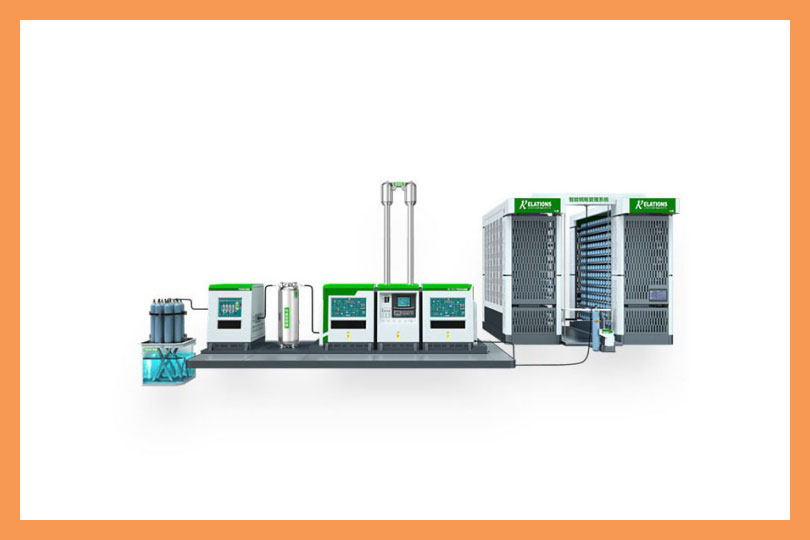
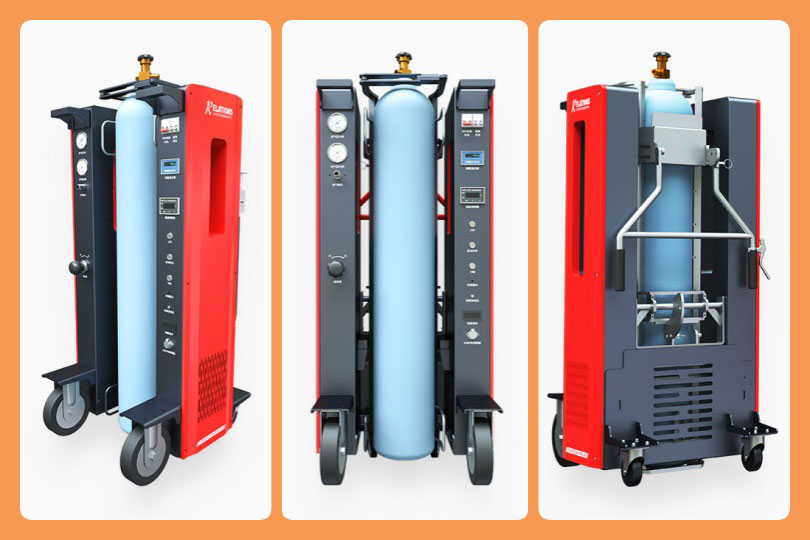
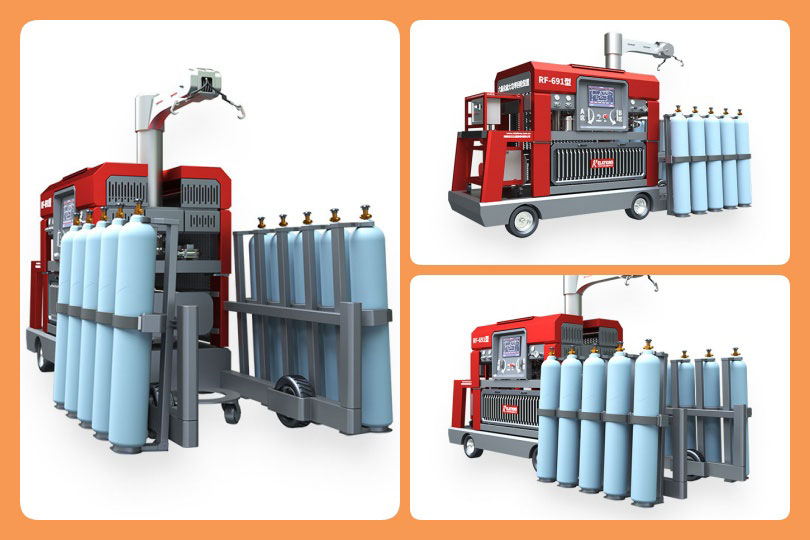
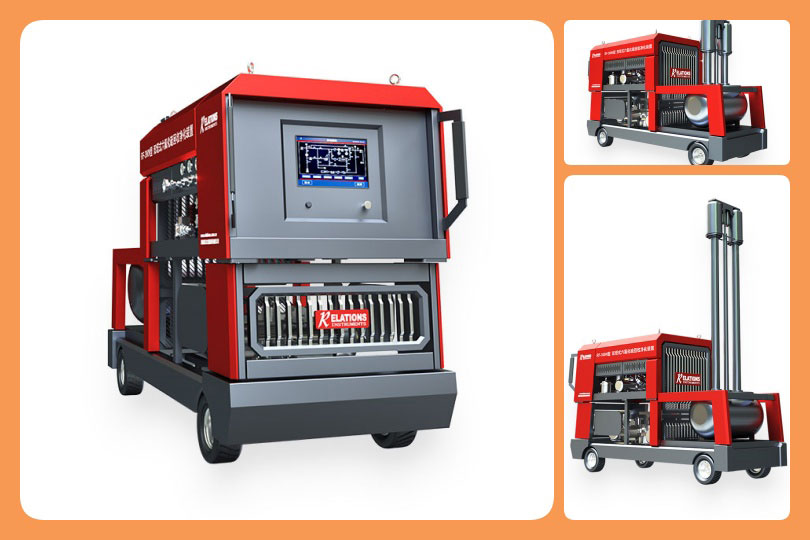
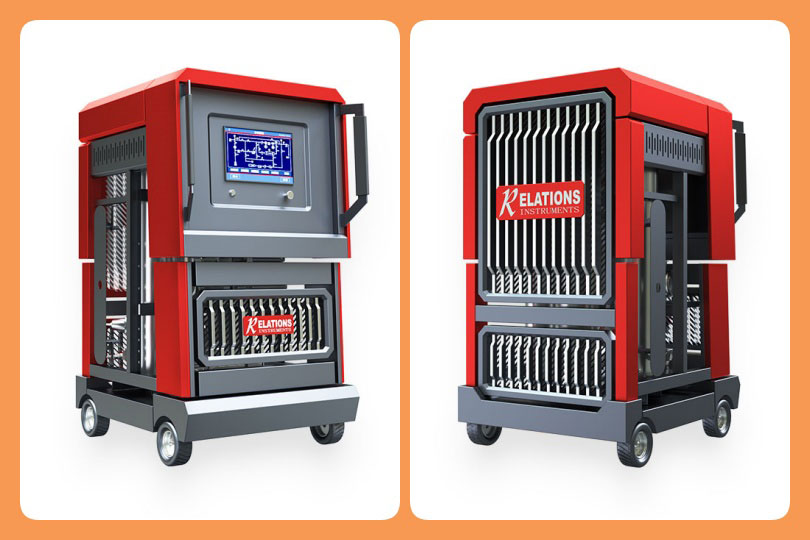
When purchasing SF6 recovery equipment or gas analysis instruments, buyers should evaluate the complete workflow rather than a single device. A practical solution may include a recovery cart, vacuum pump, filtration unit, gas storage cylinders, an SF6 gas analyzer, certified calibration gases, and reporting software.
For B2B users, the most important purchasing criteria include equipment compatibility, recovery speed, final vacuum performance, filtration efficiency, after-sales support, spare parts availability, and documentation capability. If your site requires a customized on-site solution for SF6 gas recovery, testing, and certification, you can request technical support at [email protected].
Frequently Asked Questions
Can recovered SF6 be reused immediately?
No. Recovered SF6 should be tested first. Reuse is recommended only when gas purity, moisture, air content, and decomposition by-products meet the required acceptance criteria.
Which standard applies to reused SF6 gas?
IEC 60480 is commonly referenced for SF6 reuse, while IEC 60376 applies to new SF6. Local regulations, OEM manuals, and utility standards may add stricter requirements.
What happens if the gas fails the purity test?
Failed gas may be purified, dried, filtered, or sent to a specialized recycling facility. The correct action depends on which parameter failed and how severe the contamination is.
Is SO2 testing necessary after every recovery?
SO2 testing is strongly recommended, especially after switching faults, abnormal equipment operation, or maintenance involving aged high-voltage assets. It provides an important indication of SF6 decomposition.
Does a certificate of analysis guarantee equipment safety?
A certificate confirms the tested gas quality at the time of analysis. It does not replace full equipment inspection, leak testing, electrical testing, or OEM maintenance requirements.
Conclusion
Post-recovery gas purity tests are essential for determining whether recovered SF6 is safe and suitable for reuse. By measuring SF6 purity, moisture, air content, and decomposition by-products with a calibrated SF6 gas analyzer, operators can make defensible pass/fail decisions, reduce emissions, and improve the reliability of high-voltage equipment. A documented certificate of analysis further strengthens traceability, compliance, and confidence in every SF6 reuse decision.