Custom SF6 Gas Quality Analysis Systems for Recovered Gas Testing
Date
2026-11-16
[email protected]
Website
www.sf6gasdetector.com
Get Solutions And Quotes
Contact Factory
Custom SF6 Gas Quality Analysis Systems for Recovered Gas Testing
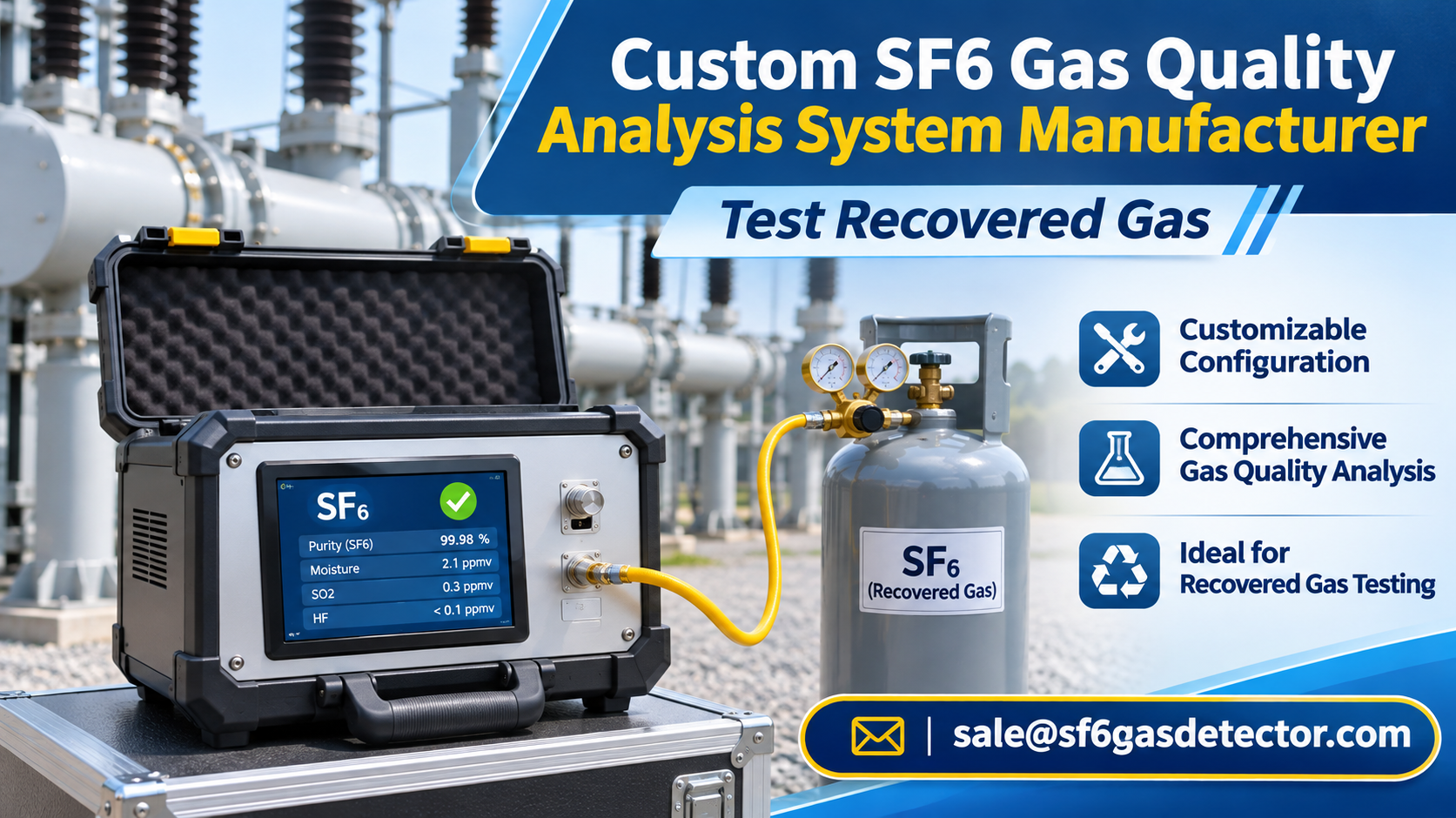
Selecting a custom SF6 gas quality analysis system manufacturer is an important step for utilities, switchgear service companies, and gas recovery facilities that need defensible decisions about recovered gas. Unlike new gas, recovered SF6 may contain moisture, air, decomposition products, and contamination introduced during operation or handling. A purpose-built analysis system helps determine whether a batch can be reused, requires treatment, or should be referred for specialist processing. Reliable results depend on representative sampling, suitable measurement technology, traceable calibration, and controlled gas handling.
What Recovered SF6 Testing Must Establish
Recovered gas testing should answer a practical question: is this identified batch suitable for its intended next use?
Purity alone cannot answer that question. Gas with a high SF6 concentration may still contain unacceptable moisture or decomposition products. Conversely, a low purity reading may indicate air ingress rather than extensive electrical decomposition.
A recovered SF6 gas quality analysis system should support three decisions:
- Reuse: Verify conformity with applicable reuse requirements and equipment specifications.
- Recondition: Identify contamination that an approved purification process can address.
- Quarantine: Segregate uncertain or unsuitable batches pending investigation or specialist treatment.
Results should remain linked to the source equipment, recovery cylinder, sampling conditions, and applicable acceptance criteria.
Define Technical Parameters Before Selecting Equipment
A custom SF6 gas quality analysis system manufacturer should translate the testing application into a documented measurement specification. Avoid selecting equipment solely by the number of displayed parameters.
| Parameter | Purpose | Specification considerations |
|---|---|---|
| SF6 concentration | Evaluates bulk gas composition | Measurement range, uncertainty, matrix interference, temperature compensation |
| Moisture | Identifies water contamination | Dew point or concentration units, reference pressure, stabilization time |
| Decomposition products | Screens for operational degradation | Target compounds, detection limits, cross-sensitivity, sensor recovery |
| Sample pressure and flow | Supports reproducible measurements | Permissible inlet pressure, flow control, pressure regulation |
| Gas recovery performance | Limits analytical gas loss | Sample consumption, recovery destination, residual gas management |
| Data integrity | Makes results auditable | Batch identification, calibration records, timestamps, export format |
Select Measurement Methods for the Actual Gas Matrix
Thermal-conductivity, acoustic, and infrared techniques can support SF6 concentration measurement, but their selectivity and susceptibility to other gases differ. The manufacturer should demonstrate performance for the expected contaminant mixture, not simply clean binary reference mixtures.
Moisture measurement also requires careful specification. Dew point depends on pressure, so reports should identify the measurement pressure and any conversion basis. Water adsorption on tubing and internal surfaces can delay stabilization, particularly after testing a wet sample.
SO2 is commonly monitored as a decomposition indicator. However, an SO2 reading does not characterize every decomposition product. Additional measurements, such as HF or other relevant species, may be necessary where equipment history or acceptance requirements justify them.
Use Standards as Acceptance References
IEC 60480 addresses specifications for the reuse of SF6 and its mixtures in electrical equipment. IEC 60376 addresses technical-grade SF6 and complementary gases used in mixtures. These standards serve different purposes and should not be treated as interchangeable.
IEC 62271-4 provides handling procedures for gases used in high-voltage switchgear and controlgear. Purchasing specifications should identify the applicable editions, local requirements, and equipment manufacturer instructions.
Distinguish Certification from Analytical Capability
An ISO 9001-certified quality management system can support consistent manufacturing, but it does not independently establish analyzer accuracy. Likewise, CE marking, where applicable, is not certification that recovered gas meets reuse criteria.
Ask for relevant electrical safety and electromagnetic compatibility evidence, potentially including applicable IEC 61010-1 and IEC 61326-1 requirements. Calibration should be traceable through documented reference standards. When laboratory competence matters, verify that ISO/IEC 17025 accreditation covers the relevant calibration or testing scope.
SF6 handling must also follow jurisdiction-specific environmental rules. In the European Union, assess applicable obligations under Regulation (EU) 2024/573, including relevant containment, recovery, personnel qualification, and use restrictions.
Match System Design to Operating Scenarios
Substation Maintenance and Field Recovery
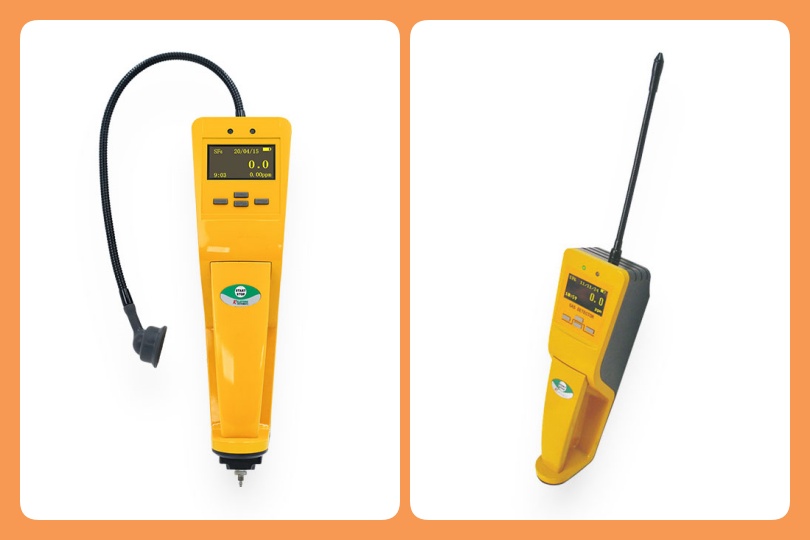
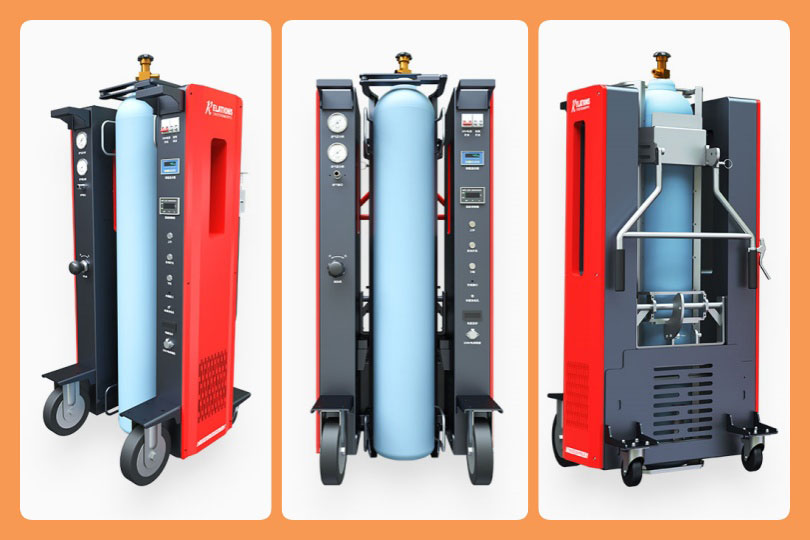
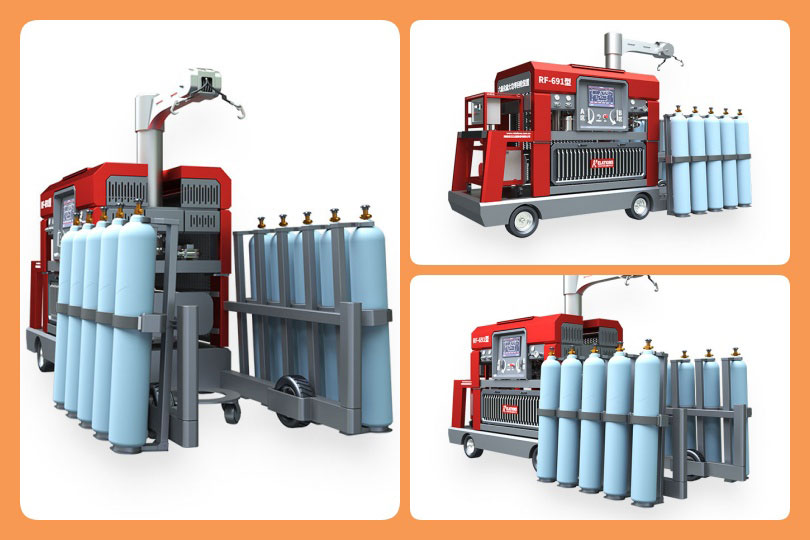
Field teams need portable equipment, protected connections, readable results, and dependable operation under declared ambient conditions. A closed-loop arrangement can capture analyzed gas for return to a suitable recovery destination rather than discharge it.
Contaminated sample gas should not automatically return to service equipment. The approved procedure must define where each sample goes.
Centralized Gas Reclamation Facilities
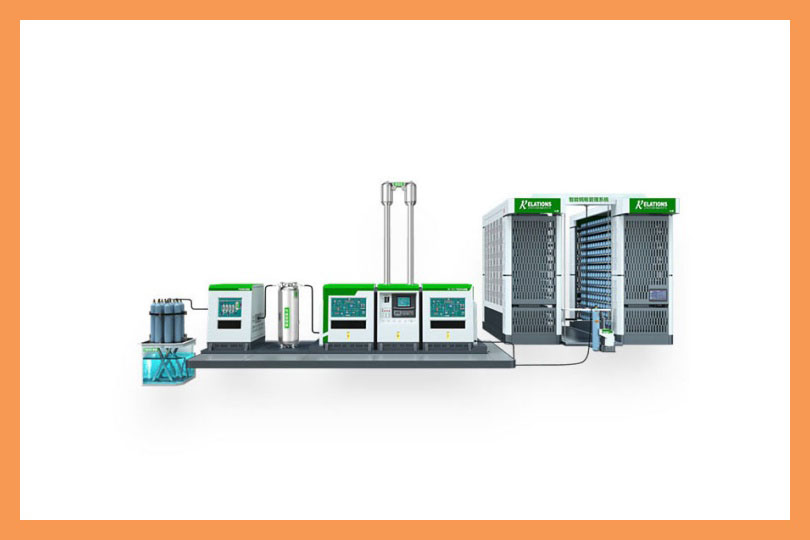
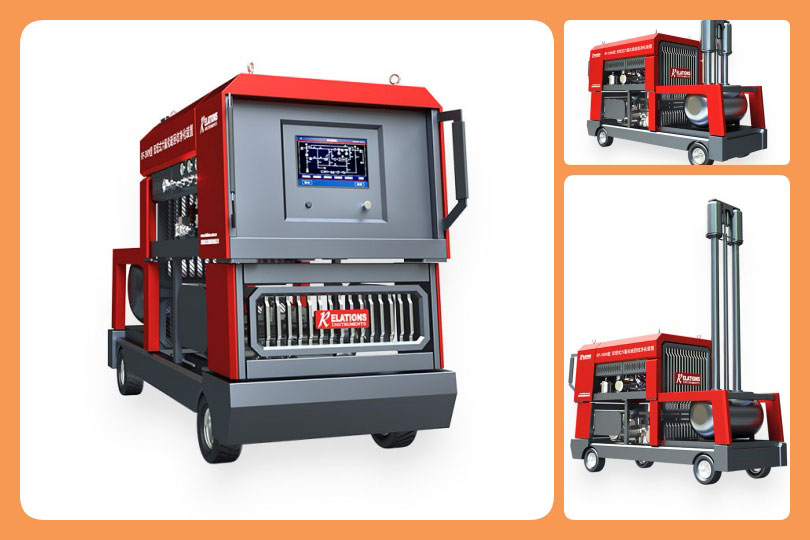
Reclamation plants benefit from automated sampling, cylinder identification, configurable acceptance rules, and integration with batch records. Retesting after purification verifies treatment performance; a successful processing cycle alone does not prove gas conformity.
Sampling must also account for the condition of the cylinder contents. Withdrawn vapor should not automatically be assumed to represent the entire contents where phase behavior can affect composition.
Investigating Suspected Internal Arcing
Gas from faulted equipment requires additional precautions because hazardous decomposition products and solid residues may be present. Follow risk-assessed sampling procedures, appropriate personal protective equipment requirements, and contamination-control measures. Protect personnel and instruments without introducing sample conditioning that invalidates the target measurements.
Validate Performance Before Delivery
Factory acceptance testing should cover repeatability, reference-gas checks, leak integrity, alarm behavior, recovery functions, and report generation. Include challenge tests representative of expected contamination where safe and technically appropriate.
Site acceptance testing should confirm performance with actual connections, operating procedures, and data systems. Specify calibration intervals, consumable life, service response, and criteria for removing drifting sensors from service.
Frequently Asked Questions
Can purity alone confirm recovered gas is reusable?
No. Moisture, relevant contaminants, applicable reuse criteria, and equipment requirements must also be assessed.
Does every system need identical sensors?
No. Sensor selection should follow the expected gas composition, equipment history, detection requirements, and intended reuse pathway.
How frequently should calibration be performed?
Use manufacturer guidance, operating frequency, contamination exposure, and documented drift history. Intermediate verification may be necessary between calibrations.
Building a Defensible Procurement Decision
The right custom SF6 gas quality analysis system manufacturer provides more than an analyzer: it supplies a validated measurement approach, documented limitations, controlled sampling, and lifecycle support. Prioritize traceable results and safe gas management over unsupported accuracy claims or generic compliance labels.