Get an On-Site SF6 Gas Recovery Quote for High-Voltage Switchgear

Date
2026-11-09
[email protected]
Website
www.sf6gasdetector.com
Get Solutions And Quotes
Contact Factory
Get an On-Site SF6 Gas Recovery Quote for High-Voltage Switchgear
An on-site SF6 gas recovery service quotation for high voltage switchgear should define more than a call-out charge: it should establish the equipment scope, recovery method, achievable residual pressure, gas destination, safety responsibilities, and required records. For utilities, industrial plants, and maintenance contractors, a technically complete quotation helps prevent unexpected costs while supporting safe work and responsible management of sulfur hexafluoride. The most useful proposal connects pricing to verified site conditions rather than relying on an estimated gas weight alone.
What the Quotation Should Cover
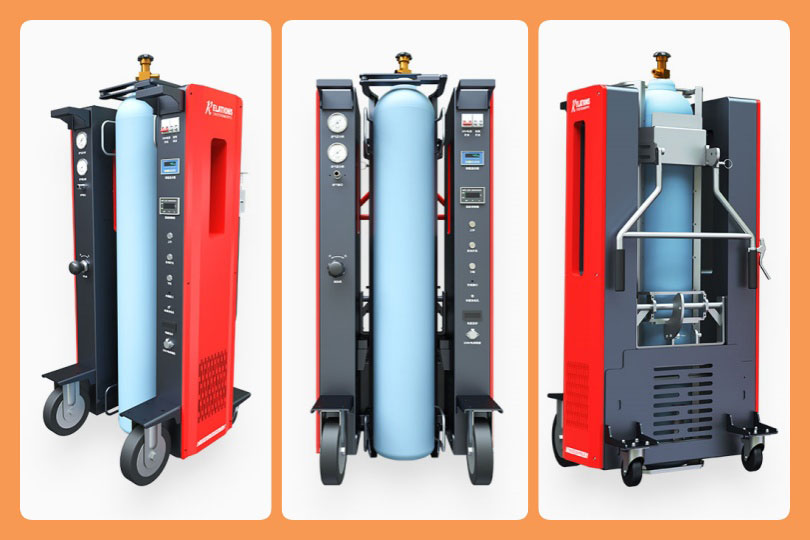
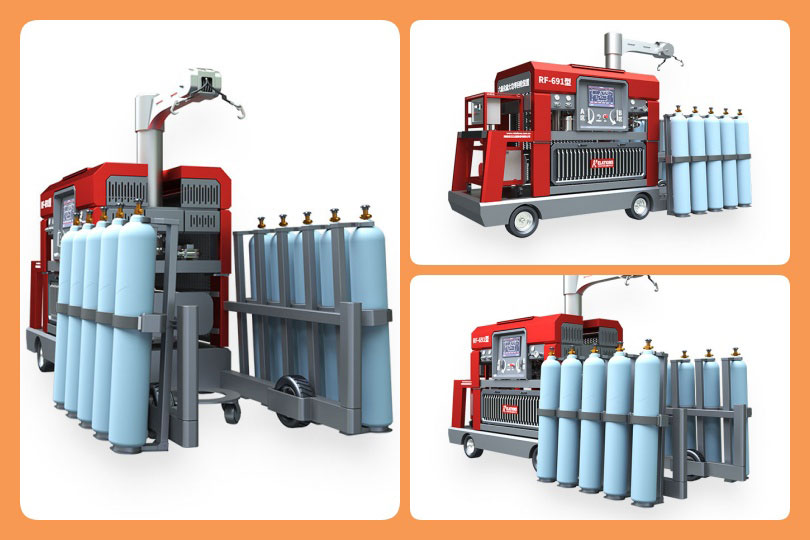
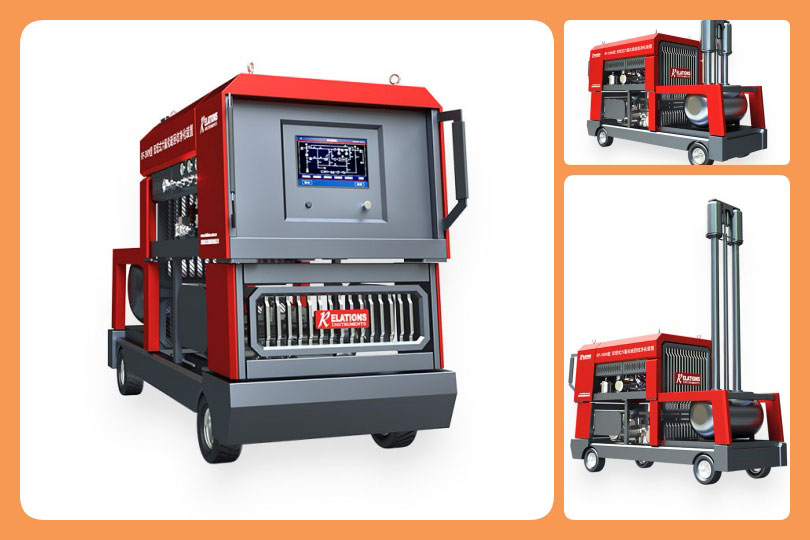
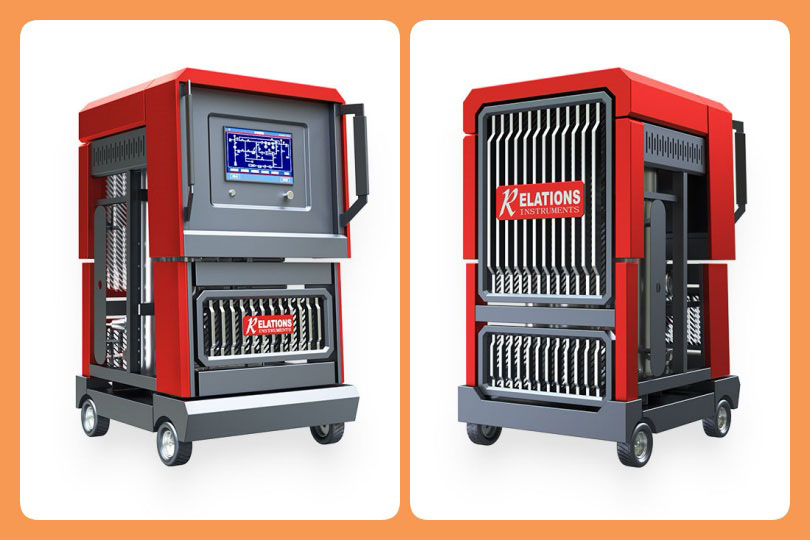
SF6 recovery transfers gas from switchgear compartments into suitable storage vessels using purpose-designed recovery equipment. It is distinct from evacuation, leak repair, gas reclamation, and refilling, although these activities may form part of the same project.
A clear quotation separates included work from optional services. Otherwise, a low initial price may exclude necessary gas analysis, cylinder transport, or contaminated-gas treatment.
Essential Technical Parameters
Provide bidders with the following information so their proposals can be compared consistently:
| Parameter | Information to specify | Commercial significance |
|---|---|---|
| Equipment inventory | Manufacturer, model, voltage class, compartment count | Determines connection arrangements and work sequence |
| Gas inventory | Nameplate filling mass and available service records | Supports recovery capacity and cylinder planning |
| Operating condition | Gas pressure, ambient temperature, known leakage | Influences achievable transfer rates |
| Gas quality | Available moisture, purity, and decomposition-product results | Determines segregation and treatment requirements |
| Recovery endpoint | Required final pressure, stated as absolute pressure | Defines a measurable completion criterion |
| Site access | Equipment location, lifting restrictions, working hours | Affects mobilization and labor |
| Gas destination | Reuse, reclamation, or authorized disposal | Determines downstream charges and documentation |
Do not specify a universal recovery endpoint without checking the switchgear manufacturer’s instructions and applicable requirements. Also distinguish nominal recovery-unit capacity from expected field performance: hoses, compartment geometry, temperature, and initial pressure affect actual recovery time.
Standards, Qualifications, and Regulatory Checks
A credible SF6 gas recovery contractor should identify the standards and legal requirements applicable to the location and work scope. No single certificate establishes compliance worldwide.
Relevant IEC Standards
IEC 62271-4 addresses handling procedures for gases used for insulation and/or switching in high-voltage switchgear and controlgear. It provides an important reference for planning gas-handling activities alongside manufacturer instructions.
IEC 60480 specifies requirements for the reuse of SF6 and its mixtures in electrical equipment. Where recovered gas is intended for reuse, the quotation should identify the applicable acceptance criteria and testing scope.
IEC 60376 covers technical-grade SF6 and complementary gases used in mixtures for electrical equipment. It should not be treated as interchangeable with the reuse requirements of IEC 60480.
These are technical standards, not contractor certification schemes. Ask separately for personnel qualifications, instrument calibration evidence, and applicable authorizations.
Regional Compliance Requirements
In the European Union, Regulation (EU) 2024/573 establishes requirements concerning fluorinated greenhouse gases, including relevant emission-prevention, recovery, and personnel-certification obligations. Applicability depends on the activity and current implementing provisions.
Elsewhere, local environmental, occupational-safety, transport, and waste rules govern the work. Confirm whether recovered material is classified as reusable gas or waste before arranging shipment. This distinction can affect carriers, documentation, receiving facilities, and cross-border movement.
ISO 9001, ISO 14001, and ISO 45001 certifications can support supplier assessment, but they do not replace legally required qualifications or site-specific controls.
How Service Pricing Is Built
On-site SF6 recovery costs typically combine fixed mobilization charges with variable operating and downstream costs.
A transparent commercial breakdown should identify:
- Mobilization, travel, accommodation, and equipment freight.
- Recovery-unit, hose, cylinder, and weighing-equipment charges.
- Technician hours, shift premiums, and minimum attendance periods.
- Gas sampling and analysis, including any laboratory work.
- Cylinder rental, transport, reclamation, and disposal fees.
- Standby charges caused by unavailable access or delayed isolation.
- Optional leak testing, evacuation, refilling, and commissioning support.
Request the basis for each variable charge: per visit, shift, hour, cylinder, or kilogram. For mass-based pricing, define how gas quantities will be measured and reconciled.
Fixed pricing works best when compartment inventories and site conditions are verified. Where information is incomplete, clearly stated allowances and variation rates are more dependable than an artificially precise total.
Scenario-Based Recovery Planning
Scheduled Switchgear Maintenance
For planned maintenance, coordinate gas recovery with the approved outage schedule. The service should begin only after authorized personnel establish the required electrical isolation, earthing, and work permits.
If gas will be returned to service, specify dedicated storage, identification, quality verification, and responsibility for refill approval.
Fault-Damaged or Suspected Contaminated Equipment
Internal arcing can generate hazardous decomposition products. A contaminated SF6 gas recovery quotation should therefore address sampling, dedicated handling arrangements, exposure controls, suitable protective equipment, and management of residues.
Do not combine suspect gas with material intended for reuse without an approved assessment.
End-of-Life Switchgear Removal
For decommissioning, require traceable cylinder identification, recovered-mass records, and documentation of the gas’s eventual destination. Define the handover condition before dismantling begins, including any remaining contamination controls.
Frequently Asked Questions
Can a Contractor Quote Without Visiting the Site?
Yes, when equipment records, photographs, connection details, access arrangements, and gas quantities are reliable. A site survey is preferable for complex installations, uncertain inventories, or restricted access.
Can All Recovered SF6 Be Reused?
No. Suitability depends on verified gas quality and applicable acceptance criteria. Filtration alone does not demonstrate compliance; some gas requires reclamation or authorized destruction.
What Documents Should Accompany Completion?
Request a service report identifying compartments, recovered quantities, cylinder numbers, achieved final pressures, test results, and deviations. Include transport or waste documentation where applicable.
Selecting a Defensible Service Proposal
The strongest on-site SF6 gas recovery service quotation for high voltage switchgear links every price assumption to a defined technical deliverable. Prioritize measurable completion criteria, competent personnel, documented gas disposition, and clear responsibility boundaries. These provisions make bids easier to evaluate and reduce uncertainty during the outage.