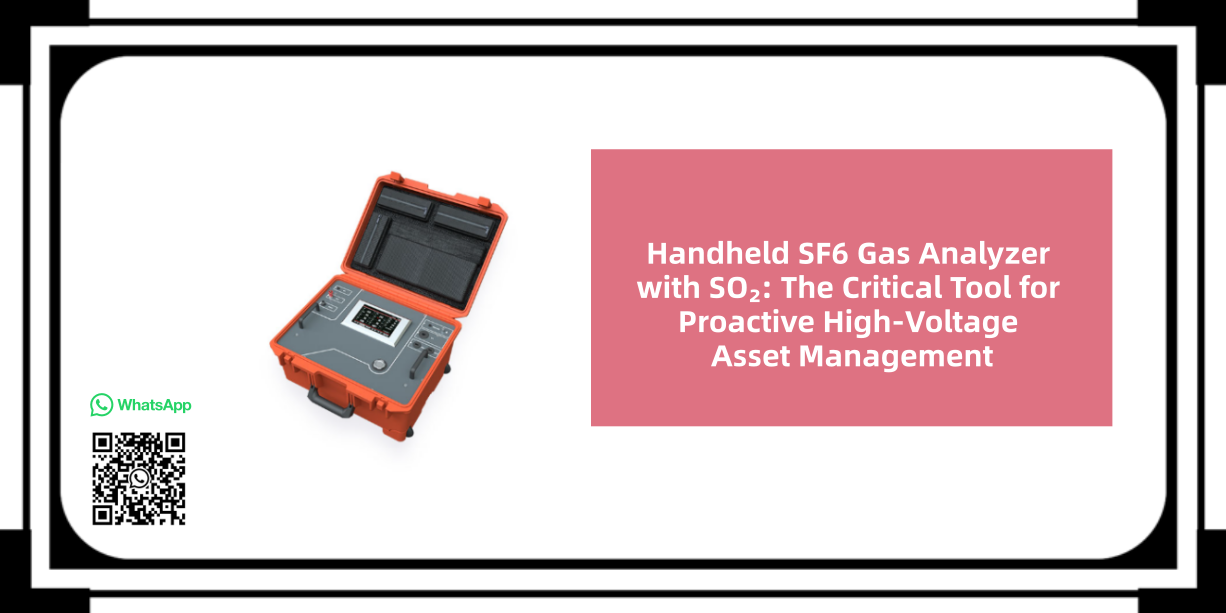
Handheld SF6 Gas Analyzer with SO₂
Date
2025-12-18
sale@sf6gasdetector.com
Website
www.sf6gasdetector.com
Get Solutions And Quotes
Handheld SF6 Gas Analyzer with SO₂
In modern electrical transmission and distribution networks, sulfur hexafluoride (SF₆) remains the insulating gas of choice for high-voltage (HV) equipment—including Gas-Insulated Switchgear (GIS), circuit breakers, and transformers—due to its exceptional dielectric strength and arc-quenching properties. However, SF₆ is not inert under fault conditions. When exposed to electrical arcing, it decomposes into toxic and corrosive byproducts, with sulfur dioxide (SO₂) serving as one of the most reliable early indicators of internal degradation.
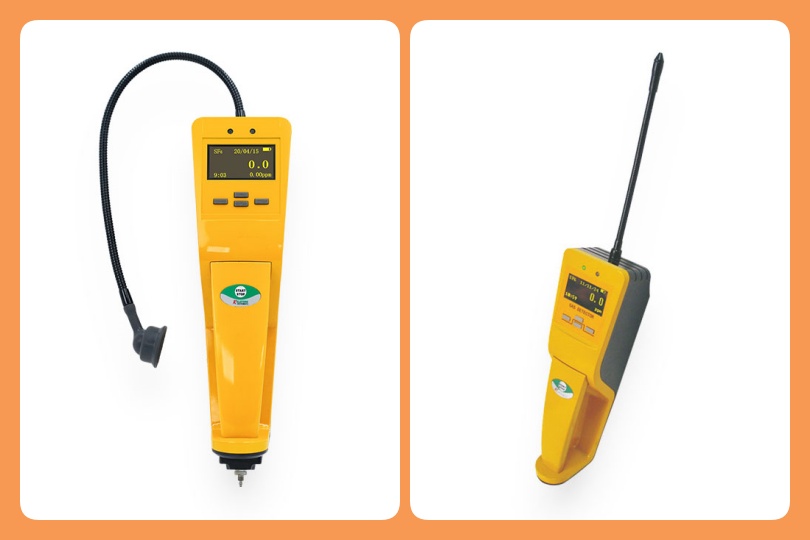
To detect these hidden threats quickly and accurately in the field, utilities, industrial maintenance teams, and EPC contractors rely on a handheld SF6 gas analyzer with SO₂ capability—a compact, multi-functional instrument that delivers real-time, laboratory-grade diagnostics at the point of need. This technology is no longer a luxury; it is a necessity for ensuring operational safety, regulatory compliance, and long-term asset reliability.
Why SO₂ Detection Is Non-Negotiable in SF₆ Systems
During normal operation, SF₆ is stable. But during switching operations or internal faults, high-energy arcs break SF₆ molecules into reactive fragments such as SF₄, SOF₂, and S₂F₁₀. In the presence of even trace moisture—often introduced through seal leaks or improper handling—these compounds hydrolyze to form sulfur dioxide (SO₂) and hydrofluoric acid (HF).
Elevated SO₂ levels (>1–2 ppm) signal:
- Recent or ongoing electrical arcing
- Internal insulation damage (e.g., cracked spacers, contaminated contacts)
- Potential for accelerated corrosion and dielectric failure
Critically, pressure gauges and visual inspections cannot detect these chemical changes. Only a handheld SF6 gas analyzer with SO₂ provides the sensitivity and specificity needed to identify decomposition before catastrophic failure occurs.
Core Capabilities of a Professional Handheld SF6 Gas Analyzer with SO₂
Not all portable SF6 gas testers are created equal. A true handheld SF6 gas analyzer with SO₂ integrates advanced sensing technologies and engineering rigor to meet utility-grade demands:
1. High-Sensitivity SO₂ Detection
Uses electrochemical or NDIR (Non-Dispersive Infrared) sensors to detect SO₂ down to 0.1 ppm, well below the IEC 60480 threshold of 2 ppm for reused gas. This enables early intervention—long before equipment performance degrades.
2. Multi-Parameter Diagnostics
Top-tier SF6 analyzers simultaneously measure:
- SO₂ (key decomposition marker)
- Moisture (H₂O) in ppm or dew point (–60°C to +20°C range)
- SF₆ purity (%)
- Optional: HF, CO, CF₄ for comprehensive health assessment
This holistic view allows technicians to distinguish between minor contamination and active internal faults.
3. Field-Ready Performance
Designed for substation environments, these units feature:
- Rugged IP54-rated housings
- Battery operation (6–10 hours)
- Intuitive touchscreen interfaces
- Fast response (<3 minutes for full analysis)
Results are available on-site—eliminating days-long lab delays and enabling immediate decisions on gas reuse, purification, or replacement.
4. Regulatory Compliance & Digital Reporting
Modern SF6 gas analyzers support:
- GPS and timestamp tagging
- Operator ID logging
- USB/Bluetooth export to generate PDF or XML reports compliant with IEC 60480, IEC 62271-4, EPA GHG Reporting Rule, and EU F-Gas Regulation
These digital records provide auditable proof of due diligence—essential for environmental audits and ESG disclosures.
Real-World Impact: From Risk Mitigation to Cost Savings
Consider a 220 kV GIS substation in Germany. During routine maintenance, a handheld SF6 gas analyzer with SO₂ detected:
- SO₂: 2.4 ppm
- Moisture: 320 ppmv
Though pressure readings were normal, the SO₂ spike indicated recent arcing. Internal inspection revealed partial discharge damage on an epoxy spacer. Early detection prevented a potential flashover estimated to cost €250,000 in equipment damage and outage penalties.
Similarly, a U.S. utility reduced its SF₆-related emergency outages by 45% over two years after standardizing SO₂-capable analyzers across its maintenance fleet—demonstrating that proactive gas analysis directly enhances grid resilience.
Best Practices for Effective Deployment
To maximize the value of your handheld SF6 gas analyzer with SO₂:
- Test gas before every recovery, refill, or commissioning
- Establish baseline SO₂/moisture profiles at installation for trend analysis
- Train only personnel certified per IEC 62271-4
- Calibrate annually or as recommended by the manufacturer
- Integrate results into CMMS or digital twin platforms (e.g., Siemens Spectrum Power, GE GridOS)
These protocols transform gas testing from a compliance checkbox into a predictive maintenance strategy.
Conclusion: Intelligence in the Palm of Your Hand
A handheld SF6 gas analyzer with SO₂ is more than a diagnostic tool—it is a strategic asset that safeguards people, equipment, and the planet. By revealing invisible chemical changes in real time, it empowers operators to act before failures occur, comply with tightening environmental regulations, and extend the life of critical HV infrastructure.
In an era defined by climate accountability and grid digitization, this level of precision isn’t optional. It’s essential.