Handheld SF6 Gas Detector for Faster, Safer Substation Maintenance

Date
2026-11-02
[email protected]
Website
www.sf6gasdetector.com
Get Solutions And Quotes
Contact Factory
Handheld SF6 Gas Detector for Faster, Safer Substation Maintenance
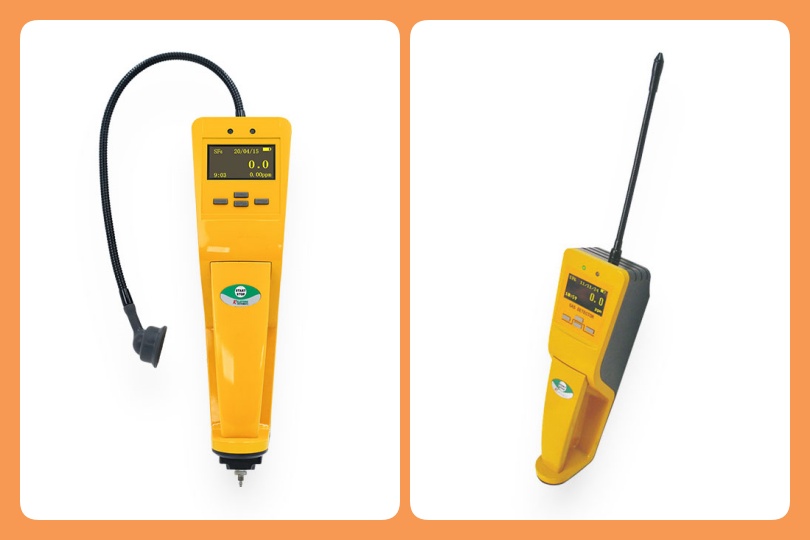
A handheld SF6 gas detector for substation maintenance is a critical safety and reliability tool for utilities, electrical contractors, and GIS service teams. Sulfur hexafluoride (SF6) is widely used in high-voltage gas-insulated switchgear, circuit breakers, and other sealed electrical equipment because of its exceptional dielectric strength. However, leaks can affect equipment performance, increase greenhouse-gas emissions, and create compliance concerns. A portable, accurate detector helps maintenance personnel locate leaks quickly, document findings, and plan corrective action before a minor issue develops into an outage or environmental incident.
Why SF6 Leak Detection Matters in Substation Operations
SF6 is chemically stable and nonflammable under normal operating conditions, but it has a very high global warming potential. For this reason, operators must control emissions through preventive inspections, timely repairs, and reliable records. A handheld SF6 gas detector for substation maintenance supports these responsibilities by identifying fugitive emissions around flanges, valves, density monitors, cable terminations, breaker compartments, and gas-handling connections.
In addition to environmental performance, SF6 monitoring supports asset reliability. A gradual loss of gas pressure can reduce insulation margins in gas-insulated equipment. If the problem is not addressed, equipment may trigger low-pressure alarms, require emergency gas replenishment, or be removed from service. Routine use of a portable SF6 leak detector enables condition-based maintenance and helps teams prioritize repairs according to leak severity and operational risk.
Key Performance Parameters for a Handheld SF6 Gas Detector
Not all instruments are suitable for high-voltage maintenance environments. When selecting a handheld SF6 gas detector for substation maintenance, users should evaluate performance specifications alongside practical field usability.
Detection Sensitivity and Response Time
Sensitivity is the most important specification for finding small leaks before they become significant emissions sources. High-quality detectors may measure leak rates in grams per year or provide concentration readings in parts per million. For detailed GIS inspections, a low detection limit is preferred, especially for seals and fittings located in enclosed or difficult-to-access areas.
Fast response and recovery times are equally important. A detector that responds quickly allows technicians to scan multiple joints efficiently, while rapid recovery prevents residual gas from affecting the next measurement. For substation maintenance teams conducting planned outage work, this can reduce inspection time without sacrificing accuracy.
Sensor Technology and Selectivity
Common portable SF6 detection technologies include infrared sensing, electron capture methods, and specialized negative-ion capture systems. The best choice depends on the application, required sensitivity, maintenance interval, and local operating procedures. A professional handheld SF6 gas detector for substation maintenance should provide strong selectivity for SF6 and minimize false readings caused by humidity, cleaning agents, or common industrial gases.
For indoor GIS rooms and compact substations, selectivity is particularly important because ventilation conditions can influence background readings. Instruments with adjustable sensitivity, zeroing functions, and audible or visual alarms provide greater confidence during close-range inspections.
Portability, Probe Design, and Battery Life
Field work often involves elevated platforms, narrow cable galleries, outdoor switchyards, and confined equipment layouts. A lightweight detector with an ergonomic grip and flexible gooseneck probe improves access to hard-to-reach leak points. Long battery life, rechargeable power options, and a clear backlit display are also valuable for full-shift inspections and low-light environments.
Rugged housing, stable operation across expected temperature ranges, and resistance to dust or moisture should be considered for outdoor use. A portable SF6 leak detector for gas-insulated switchgear should also be easy to transport in a protective case with spare filters, charging accessories, and calibration documentation.
Compliance, Calibration, and Quality Assurance
A handheld SF6 gas detector for substation maintenance should be selected and used within an established quality-management framework. Manufacturers and service providers commonly operate under ISO 9001 quality-management systems, while instrument calibration should be traceable to recognized national or international measurement standards. Calibration certificates, inspection records, and functional test results support audit readiness and improve confidence in maintenance decisions.
Substation operators should align SF6 leak-monitoring programs with applicable environmental regulations, utility procedures, and equipment manufacturer instructions. In Europe, operators may need to consider the requirements of the EU F-gas framework. In other regions, reporting and emissions-management obligations may be governed by national environmental authorities or utility-specific programs. Personnel should also follow site safety rules, lockout/tagout requirements, and confined-space procedures where applicable.
Before each inspection, technicians should perform a basic operational check: inspect the probe and filter, confirm battery status, allow the instrument to stabilize, zero the detector in clean air, and verify response using an approved test source if required by the maintenance procedure. Scheduled calibration and sensor replacement should follow the manufacturer’s recommended intervals.
Practical Substation Maintenance Scenarios
Routine GIS and Circuit Breaker Inspections
During scheduled preventive maintenance, technicians can use a handheld SF6 gas detector for substation maintenance to inspect accessible sealing points systematically. Start at the gas compartment connection, then move slowly around flanges, pressure relief devices, density relays, filling valves, and mechanical operating interfaces. Keeping the probe close to the suspected leak path and moving at a controlled speed improves repeatability.
For each confirmed indication, record the equipment identification, location, instrument reading, date, ambient conditions, and recommended corrective action. This information helps maintenance planners compare results over time and distinguish an isolated defect from a developing trend.
Leak Localization After a Density Alarm
When a density monitor indicates gas loss, the detector becomes a rapid troubleshooting tool. Maintenance teams can isolate the affected compartment according to approved operating procedures and inspect likely leakage points before arranging gas recovery or repair. This targeted approach reduces unnecessary disassembly and supports faster restoration of equipment availability.
Commissioning and Post-Repair Verification
Newly installed GIS equipment and repaired SF6 compartments should be checked before final acceptance. A portable SF6 gas detector confirms the integrity of joints, couplings, and service valves after assembly or gas handling. Post-repair verification is particularly important because it demonstrates that the corrective work has addressed the original issue and has not introduced a new leak path.
Best Practices for Accurate Results
For dependable results, avoid testing directly in strong wind or near active ventilation outlets without accounting for airflow. Approach suspected points from multiple directions, allow the detector to stabilize between readings, and do not use damaged probes or overdue calibration equipment. Where a leak is confirmed, follow the site’s approved SF6 recovery and repair process rather than venting gas to atmosphere.
A well-managed inspection program combines the handheld SF6 gas detector for substation maintenance with pressure monitoring, visual checks, maintenance history, and asset criticality data. This broader approach supports lower emissions, safer work practices, and more predictable equipment performance.
Frequently Asked Questions
How often should SF6 equipment be checked for leaks?
Inspection frequency depends on equipment criticality, manufacturer guidance, regulatory obligations, and previous leak history. Many operators include SF6 leak checks in annual or scheduled preventive maintenance programs, with additional inspections after alarms, repairs, or gas-handling work.
Can a handheld detector identify the exact leak rate?
A handheld instrument is primarily used to locate and screen leaks. Some models provide estimated leak-rate measurements, but formal quantification may require controlled test methods, documented measurement conditions, and equipment-specific procedures.
Is a handheld SF6 gas detector suitable for indoor GIS rooms?
Yes. A handheld SF6 gas detector for substation maintenance is well suited to indoor GIS rooms when used according to site safety procedures. Good ventilation awareness, accurate zeroing, and methodical probe positioning are essential for reliable readings.
What records should be kept after SF6 leak detection?
Maintain the asset ID, inspection date, technician name, instrument serial number, calibration status, measurement results, leak location, repair actions, and follow-up test results. These records support environmental reporting, maintenance planning, and traceable quality control.