How can SF6 gas be safely recovered and recycled?
Date
2025-12-02
sale@sf6gasdetector.com
Website
www.sf6gasdetector.com
Get Solutions And Quotes
How can SF6 gas be safely recovered and recycled?
Safely recovering and recycling SF6 gas is essential for reducing environmental impact, ensuring the effective reuse of the gas, and complying with stringent environmental regulations. The process involves specialized equipment, safety protocols, and adherence to industry standards to minimize emissions and ensure the gas meets purity requirements for reuse. Below is a step-by-step guide on how SF6 gas can be safely recovered and recycled:
1. Understand the Need for SF6 Recovery and Recycling
Why Recovery Is Necessary:
- Environmental Protection: SF6 is a potent greenhouse gas with a global warming potential (GWP) 23,500 times higher than CO2. Recovering and recycling SF6 reduces emissions.
- Cost Efficiency: SF6 gas is expensive. Recycling minimizes the need for purchasing new gas.
- Regulatory Compliance: Environmental regulations, such as the EU F-Gas Regulation and EPA guidelines, mandate the recovery and recycling of SF6 during equipment maintenance or decommissioning.
2. Use Certified SF6 Recovery Equipment
Specialized equipment is required to recover SF6 gas safely and efficiently. The equipment must meet international standards like IEC 60480 and IEC 60376 to ensure compliance and safety.
Types of Recovery Equipment:
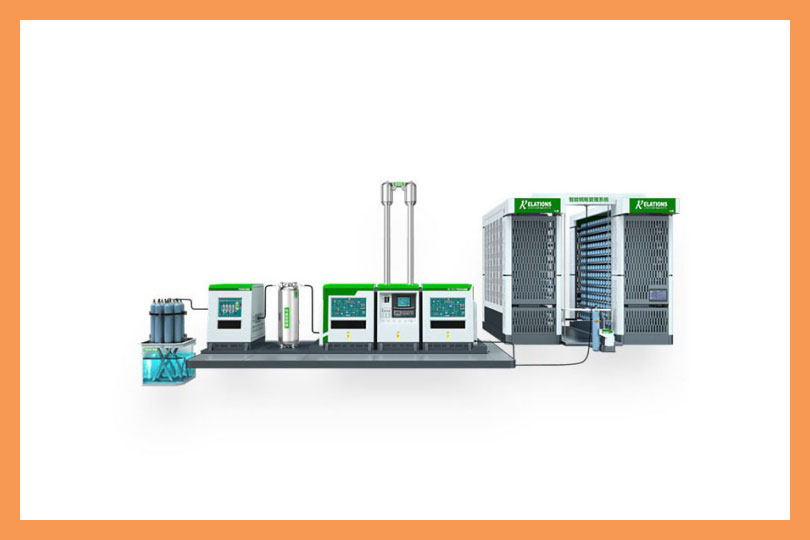
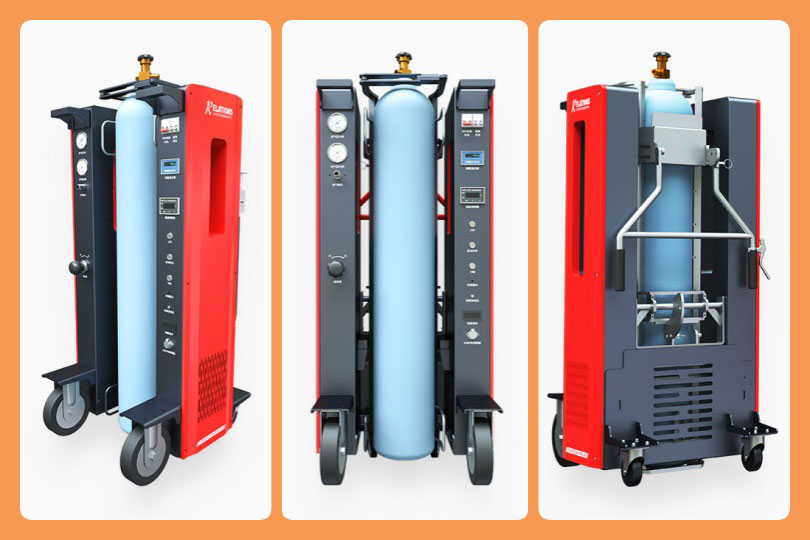
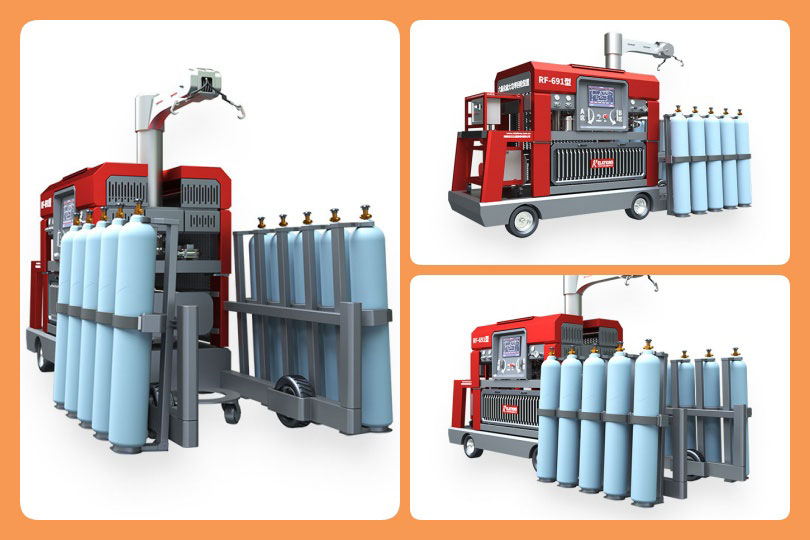
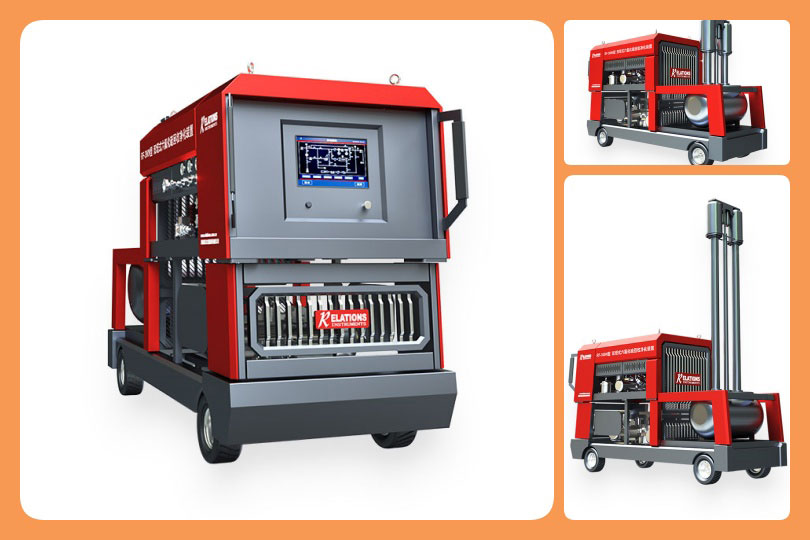
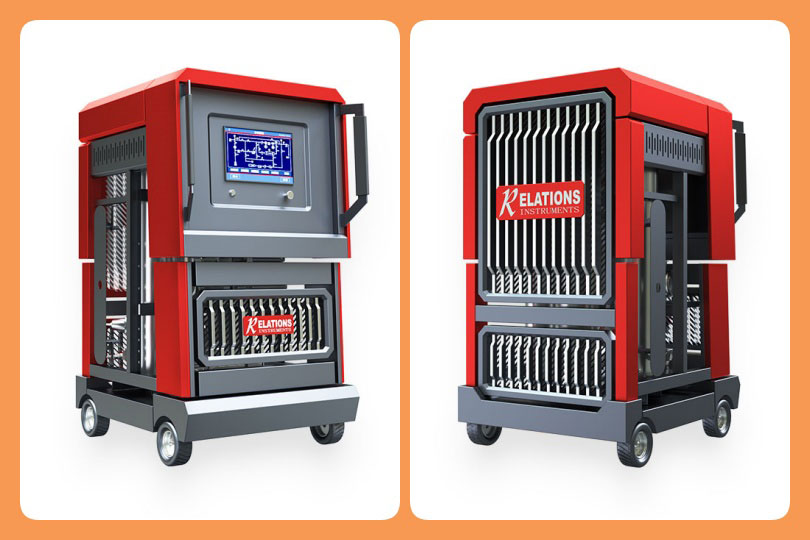
- SF6 Recovery Units:
- These are portable or stationary systems designed to extract SF6 gas from equipment, compress it, and store it in high-pressure cylinders or tanks.
- They ensure zero emissions during recovery.
- SF6 Vacuum Pumps:
- Used to evacuate air and moisture from the equipment before SF6 gas is refilled, ensuring no contamination.
- Gas Storage Cylinders:
- High-pressure, leak-proof cylinders are used to store recovered SF6 gas safely for transport or recycling.
3. Implement the Safe SF6 Recovery Process
Step-by-Step SF6 Recovery:
- Prepare the Equipment:
- Ensure the recovery unit, vacuum pump, and gas storage cylinders are in good condition and properly calibrated.
- Confirm that the electrical equipment being serviced is safely de-energized and grounded.
- Connect Recovery Equipment:
- Attach recovery unit hoses to the equipment’s SF6 gas ports using leak-proof fittings.
- Ensure all connections are secure to prevent gas leakage.
- Evacuate Air and Moisture:
- Before recovering SF6, remove any air or moisture from the equipment using a vacuum pump. This step prevents contamination of the recovered gas.
- Recover SF6 Gas:
- Start the SF6 recovery unit to extract SF6 gas from the equipment. The gas is compressed and transferred to storage cylinders.
- Monitor the recovery process using pressure gauges to ensure the equipment is fully evacuated.
- Check for Residual Gas:
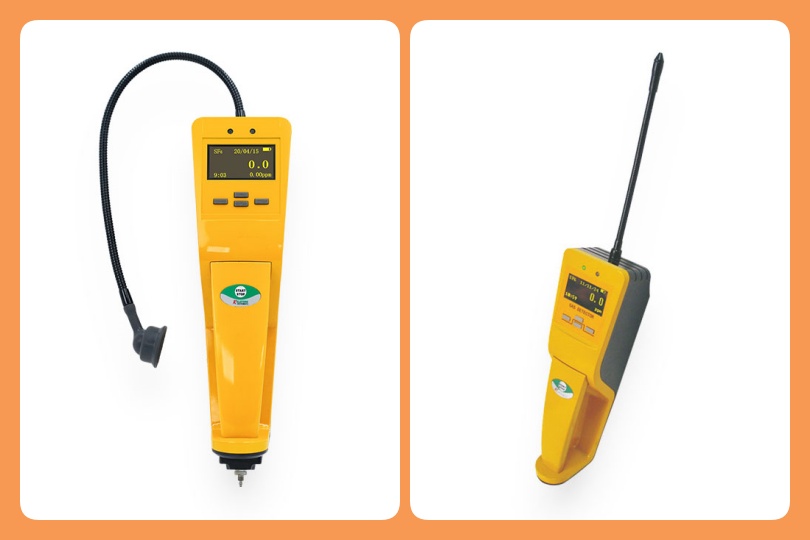
- Use a SF6 gas analyzer to confirm that no significant amounts of SF6 remain in the equipment.
4. Purify the Recovered SF6 Gas
Recovered SF6 gas may contain impurities, such as moisture, air, or decomposition products (e.g., SO₂, CO, H₂S). Purification is necessary before the gas can be reused.
Purification Methods:
- Filtration:
- Special filters remove moisture, particulates, and oil residues from the gas.
- Decomposition Product Removal:
- Advanced purification systems use activated alumina or molecular sieves to eliminate harmful byproducts like SO₂ and H₂S.
- Gas Purity Testing:
- Use SF6 gas analyzer to measure the gas’s purity, humidity, and decomposition product levels.
- Ensure the purified gas meets reuse standards, such as those specified by IEC 60480 (minimum 97% purity).
5. Store the Recycled SF6 Gas
Once purified, the SF6 gas must be stored safely until it is needed for reuse.
Storage Guidelines:
- Use Proper Cylinders: Store the gas in high-pressure, corrosion-resistant cylinders designed for SF6.
- Label the Cylinders: Clearly mark the cylinders with information about the gas purity, analysis results, and storage date.
- Store in a Safe Location: Keep cylinders in a well-ventilated area, away from direct sunlight or extreme temperatures.
6. Reuse the Recycled SF6 Gas
Recycled SF6 gas can be reused in electrical equipment if it meets required purity levels. Before reintroduction:
- Test the Gas: Use gas analyzers to confirm the gas is free of contaminants and meets purity requirements.
- Refill the Equipment: Use gas refilling equipment to reintroduce the purified SF6 into the GIS or circuit breaker.
7. Train Personnel in Safe SF6 Recovery Practices
Proper training is essential to ensure safe and efficient recovery and recycling of SF6 gas. Personnel should be trained in:
- Operating Recovery Equipment: Understanding how to use recovery units, vacuum pumps, and gas analyzers.
- Safety Protocols: Handling high-pressure systems and preventing gas leaks.
- Regulatory Compliance: Adherence to local and international standards for SF6 management.
8. Monitor and Report SF6 Recovery and Recycling
Regulatory frameworks often require organizations to monitor and report their SF6 recovery activities. This ensures compliance and demonstrates environmental responsibility.
Monitoring Tools:
- SF6 Gas Inventory Tracking: Use software to track gas quantities, from recovery to storage and reuse.
- Leak Detection Systems: Monitor equipment for leaks during recovery and storage.
Reporting Requirements:
- Submit reports to regulatory authorities, such as the Environmental Protection Agency (EPA) or EU F-Gas Registry, detailing recovery efforts and emissions.
9. Collaborate with Certified SF6 Recycling Partners
For large-scale operations, consider working with certified recycling companies that specialize in SF6 gas management. These companies can handle:
- Collection and transportation of SF6 gas.
- Advanced purification and testing.
- Safe disposal of contaminated or unusable gas.
10. Comply with Environmental and Industry Standards
Compliance with standards ensures that SF6 gas recovery and recycling processes are environmentally sustainable and technically sound.
Key Standards:
- IEC 60480: Guidelines for the reuse of SF6 gas.
- IEC 60376: Specifications for new and reconditioned SF6 gas.
- ISO 14001: Environmental management standards for organizations.
- EU F-Gas Regulations (517/2014): Rules for SF6 recovery, emissions reduction, and reporting.
- EPA Regulations: Mandates for SF6 emission reduction in the United States.
Recovering and recycling SF6 gas safely requires the use of advanced recovery equipment, proper training, and strict adherence to industry standards and regulatory guidelines. By following best practices, substations and other facilities can reduce SF6 emissions, cut costs, and support environmental sustainability. Whether recovering gas during maintenance or reusing purified SF6 in equipment, investing in the right systems and processes is a critical step toward responsible and efficient SF6 management.