How is SF6 gas quality tested before filling a circuit breaker?
Date
2025-12-04
sale@sf6gasdetector.com
Website
www.sf6gasdetector.com
Get Solutions And Quotes
How is SF6 gas quality tested before filling a circuit breaker?
Testing the quality of sulfur hexafluoride (SF6) gas before filling it into a circuit breaker is a critical step to ensure the safe, reliable, and efficient operation of high-voltage electrical equipment. Impurities in SF6—such as moisture (H₂O), air (N₂, O₂), oil vapors, or decomposition byproducts—can significantly degrade its dielectric strength and arc-quenching performance, potentially leading to internal flashovers, corrosion, or equipment failure.
Here’s how SF6 gas quality is typically tested before filling:
1. Verify Gas Purity (SF6 Concentration)
- Purpose: Ensure the gas meets international standards (e.g., IEC 60376 or ASTM D2472).
- Acceptable Level: ≥99.9% pure SF6 for new gas.
- Method:
- Use a gas chromatograph (GC) or infrared (IR) spectrometer to measure SF6 concentration.
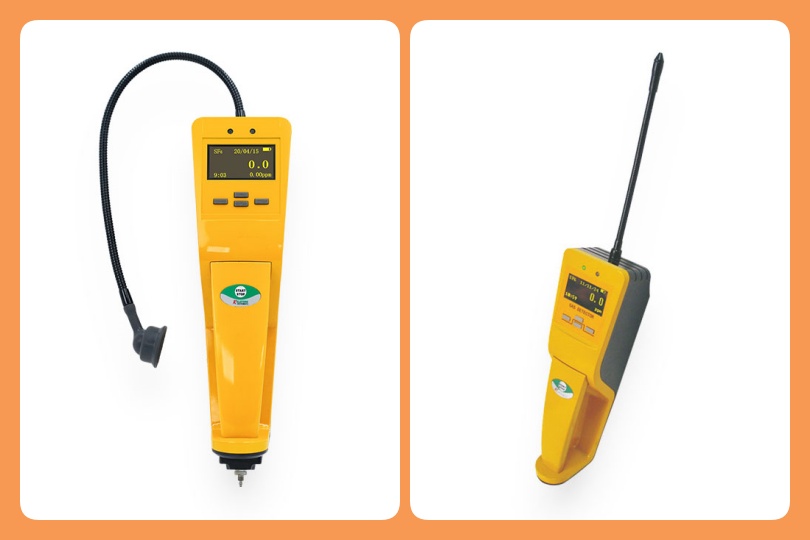
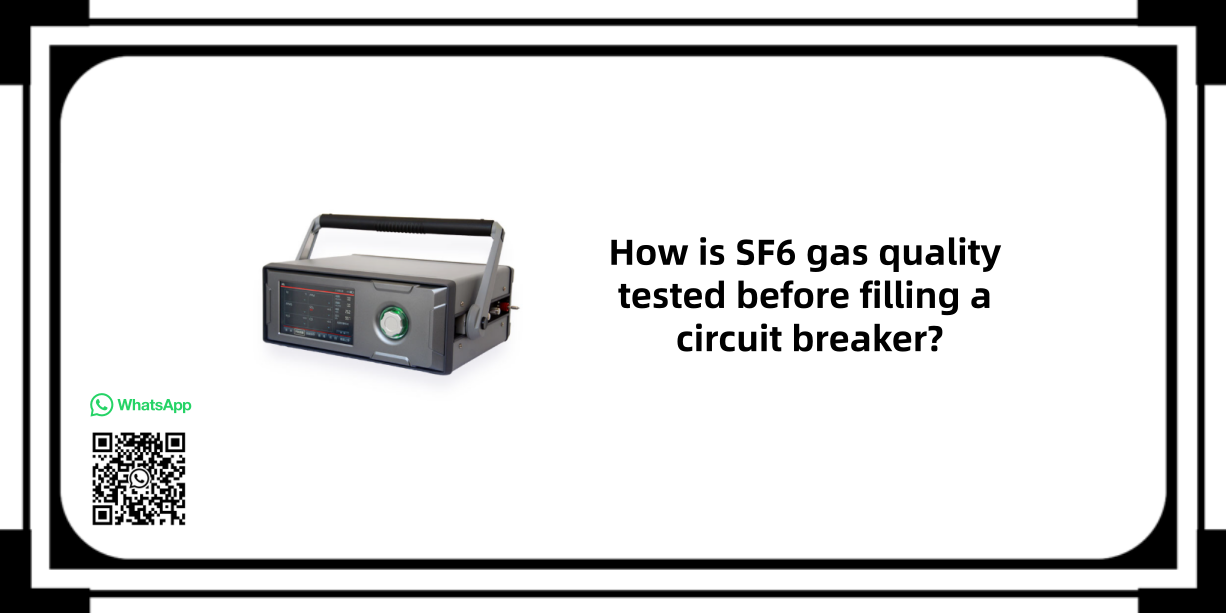
- Portable SF6 purity analyzers provide rapid on-site verification.
2. Measure Moisture (Dew Point or Humidity)
- Why It Matters: Moisture can cause:
- Formation of corrosive byproducts (e.g., HF, SO₂) during arcing.
- Reduced insulation strength, especially at low temperatures.
- Acceptable Level:
- For new SF6 gas: ≤8 ppmv (parts per million by volume) or dew point ≤−40°C (per IEC 60376).
- Testing Method:
- Chilled mirror hygrometer (most accurate).
- Capacitive or aluminum oxide sensors in portable moisture analyzers.
- Always test in a dry environment to avoid ambient contamination.
3. Check for Air and Other Gaseous Impurities
- Common contaminants: Nitrogen (N₂), oxygen (O₂), CF₄, air mixtures.
- Impact: Dilutes SF6, lowering dielectric strength.
- Detection:
- Gas chromatography is the standard method.
- Some advanced SF6 analyzers combine purity and air content measurement in one device.
4. Test for Decomposition Byproducts (if reusing reclaimed gas)
- While new SF6 shouldn’t contain decomposition products, this step is essential when using recycled or reclaimed gas.
- Common byproducts: SO₂, HF, SOF₂, CF₄.
- Tools:
- Electrochemical sensors (e.g., SO₂ detectors).
- FTIR (Fourier Transform Infrared) spectroscopy for comprehensive analysis.
- Note: New, unused SF6 from certified suppliers typically doesn’t require this unless storage integrity is questionable.
5. Visual and Cylinder Inspection
- Check the SF6 cylinder for:
- Proper labeling (meets IEC 60376 or equivalent).
- Expiry date or last test date.
- Signs of damage, rust, or improper storage (e.g., stored horizontally, which may indicate valve leakage).
- Ensure the cylinder valve is clean and free of oil or grease (oil can react with SF6 under arcing).
6. Use Certified Gas from Reputable Suppliers
- The most reliable way to ensure quality is to source new, factory-sealed SF6 that comes with a certificate of conformity stating compliance with IEC 60376 (or ASTM D2472 in North America).
- Avoid using gas of unknown origin or from unverified sources.
Best Practices Summary:
- Always test before connecting the gas cylinder to the circuit breaker.
- Use calibrated, high-quality portable analyzers designed specifically for SF6.
- Record test results for compliance and maintenance logs.
- Never fill equipment if moisture exceeds limits or purity is below 99.9%.
By rigorously testing SF6 gas quality prior to filling, utilities and maintenance teams prevent costly failures, extend equipment life, and maintain grid reliability—while also complying with environmental and safety regulations.