Manufacturer Inquiry: SF6 Gas Recycling Equipment for High-Voltage Switchgear
Date
2026-09-10
[email protected]
Website
www.sf6gasdetector.com
Get Solutions And Quotes
Contact Factory
Manufacturer Inquiry: SF6 Gas Recycling Equipment for High-Voltage Switchgear
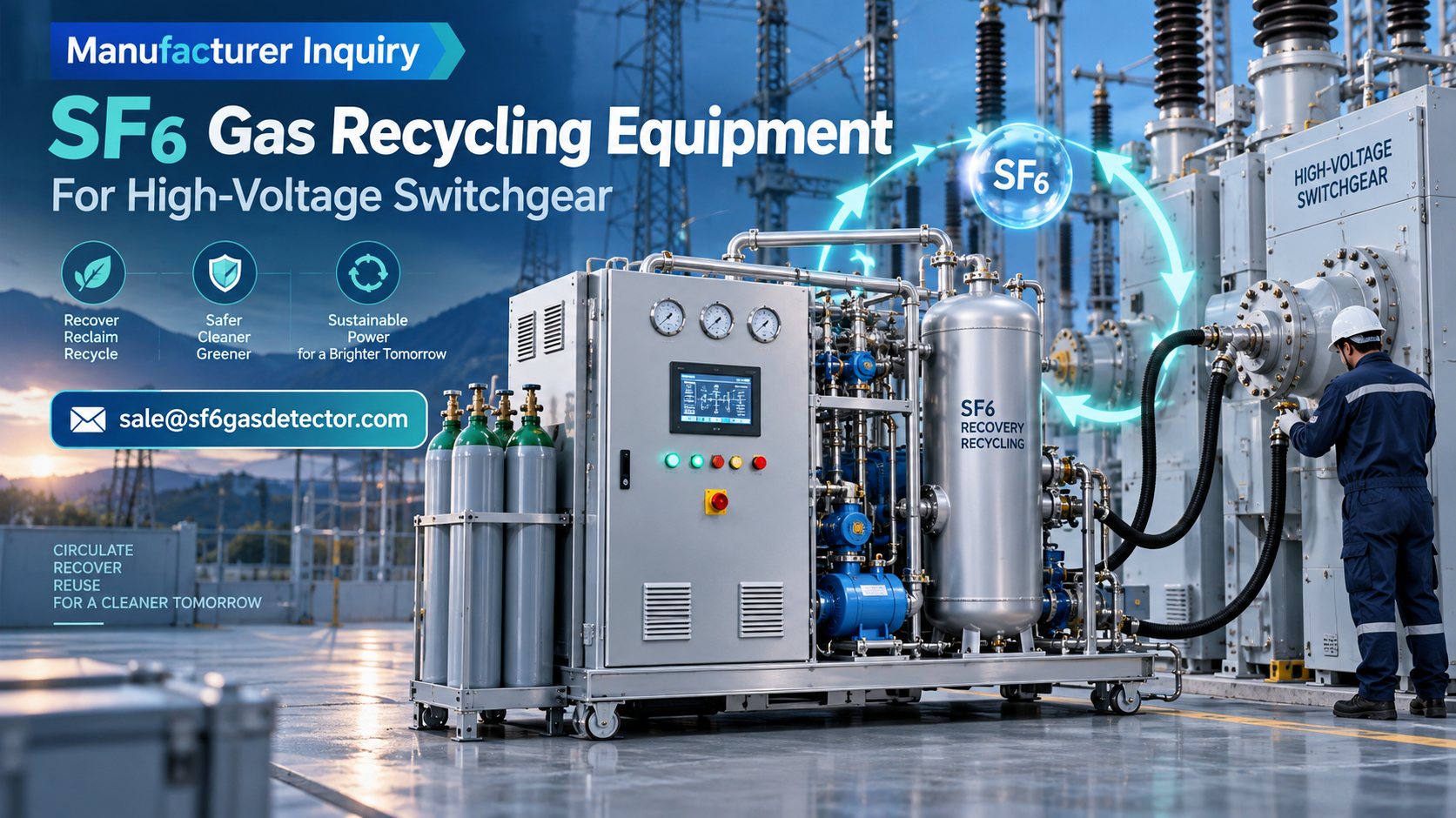
High-voltage switchgear maintenance increasingly depends on controlled, traceable SF₆ handling. Selecting SF6 gas recycling equipment for high-voltage switchgear is not simply a purchasing decision; it is a compliance, safety, and asset-reliability requirement. A well-prepared manufacturer inquiry helps utilities, substations, EPC contractors, and service companies identify equipment that can recover, purify, store, and refill SF₆ gas while minimizing emissions and maintenance downtime.
Why a Manufacturer Inquiry Matters for SF₆ Handling Projects
A professional manufacturer inquiry should define the switchgear type, gas compartment volume, expected service workload, and required gas-quality outcomes. These details allow the supplier to recommend SF6 gas recycling equipment for high-voltage switchgear with appropriate recovery capacity, vacuum performance, storage configuration, and purification stages.
SF₆ is widely used in gas-insulated switchgear (GIS), circuit breakers, and other high-voltage equipment because of its dielectric and arc-quenching properties. However, it is also a potent greenhouse gas. Responsible handling requires leak prevention, recovery before maintenance, controlled treatment of contaminated gas, and accurate service documentation.
For this reason, an SF6 gas recycling equipment for high-voltage switchgear manufacturer inquiry should go beyond asking for a price. It should verify technical suitability, quality-management capability, after-sales support, and conformity with relevant industrial standards.
Key Technical Parameters to Include in Your Inquiry
When preparing a manufacturer inquiry for an SF₆ recovery and recycling unit, provide complete operating information. This reduces the risk of selecting equipment that is oversized, undersized, or incompatible with field conditions.
Recovery Capacity and Final Vacuum
Recovery capacity is commonly specified in kilograms per hour. For routine circuit-breaker service, a compact unit may be sufficient, while GIS maintenance projects usually require higher-capacity SF6 gas recycling equipment for high-voltage switchgear.
Ask the manufacturer to state:
- SF₆ recovery rate under defined operating conditions
- Final vacuum level and evacuation time
- Maximum inlet and outlet pressure
- Compressor type and operating duty cycle
- Suitable ambient temperature range
- Power supply, frequency, and phase requirements
A dependable vacuum system is especially important before refilling equipment. Moisture, air, and residual gases can affect insulation performance and gas quality.
Storage, Filtration, and Gas Purification
The selected SF6 gas recycling equipment for high-voltage switchgear should include compatible storage options, such as cylinders, tanks, or integrated vessels rated for the intended pressure. The manufacturer should clearly identify vessel volume, pressure rating, valve configuration, and transport requirements.
For gas reclaimed from serviced switchgear, confirm whether the unit includes filters or purification modules for particles, moisture, oil vapors, and gaseous decomposition products. Where arcing by-products may be present, the system must use suitable adsorbents and safe filter replacement procedures.
A detailed manufacturer inquiry should also ask whether the filtration configuration can be adapted to the maintenance history and contamination level of the asset.
Standards, Compliance, and Documentation Expectations
Reliable SF6 gas recycling equipment for high-voltage switchgear should be designed and supplied with documentation aligned with recognized electrical, environmental, and safety practices. Relevant references may include IEC 60480 for the reuse and handling of SF₆ taken from electrical equipment, IEC 60376 for new technical-grade SF₆, and IEC 62271-4 for handling procedures for insulating gases.
Depending on the destination market and equipment configuration, buyers may also need to verify applicable requirements for:
- ISO 9001 quality management systems
- CE marking and relevant EU machinery, electrical, and pressure-equipment obligations where applicable
- Pressure vessel design and certification requirements
- Electrical safety and electromagnetic compatibility requirements
- Occupational health procedures for handling SF₆ decomposition products
- Local environmental reporting and fluorinated-gas regulations
Do not assume that a single certificate applies globally. A qualified manufacturer inquiry should request copies of applicable declarations, test records, manuals, calibration information, and serial-number traceability before shipment.
Matching Equipment to Real Maintenance Scenarios
Routine Circuit Breaker Service
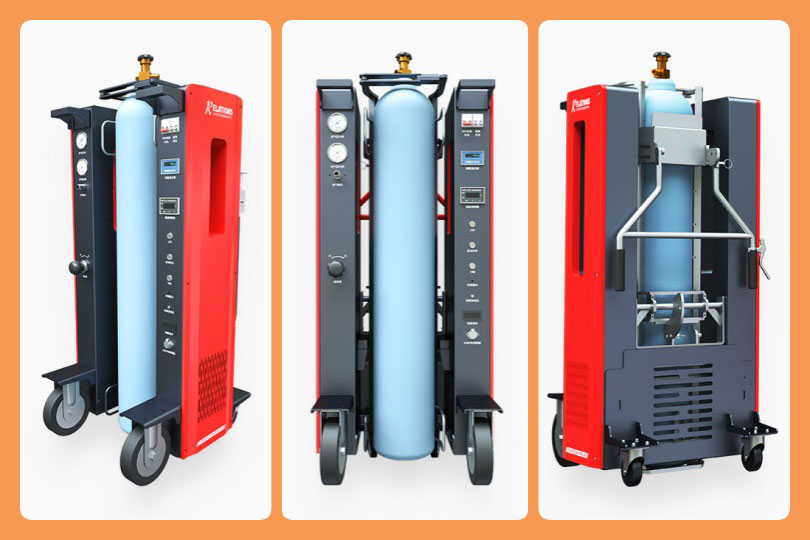
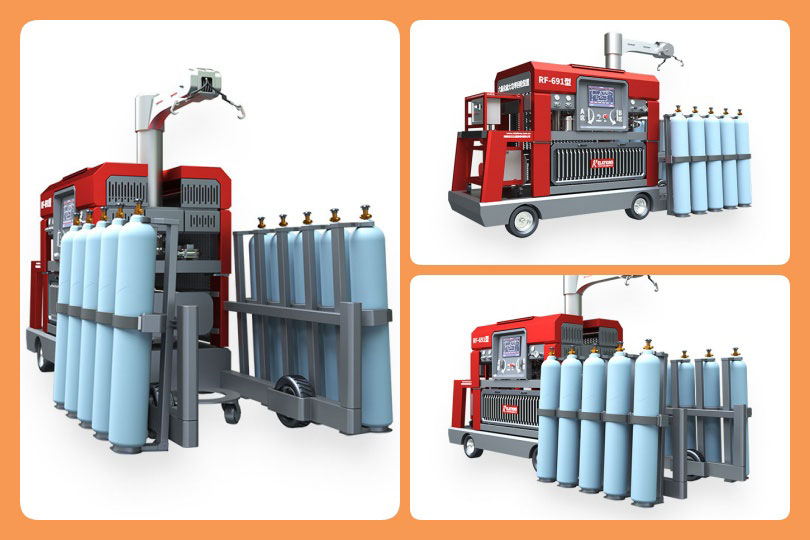
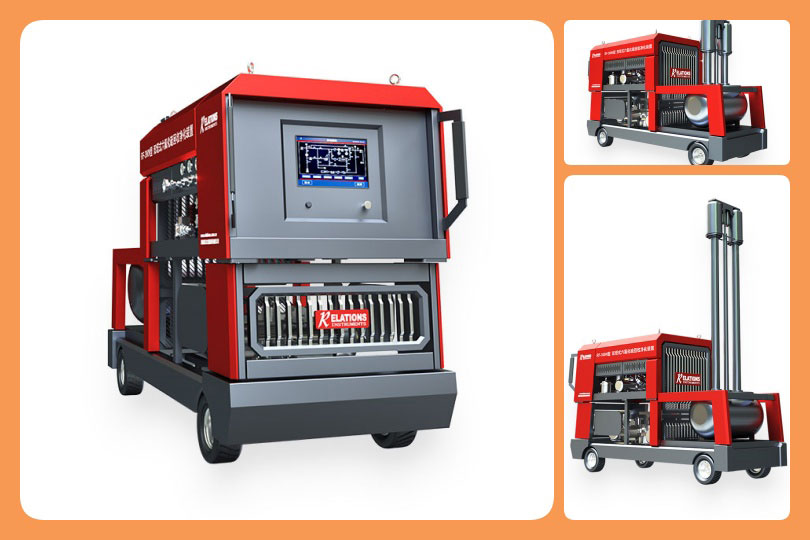
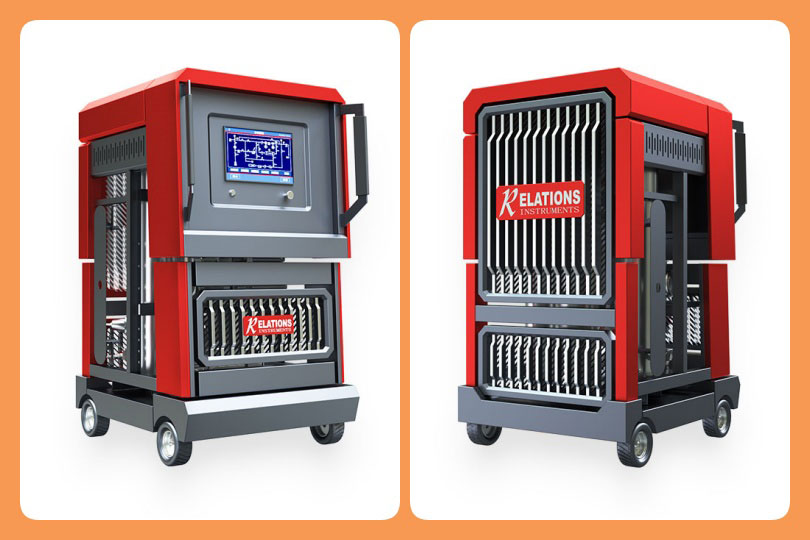
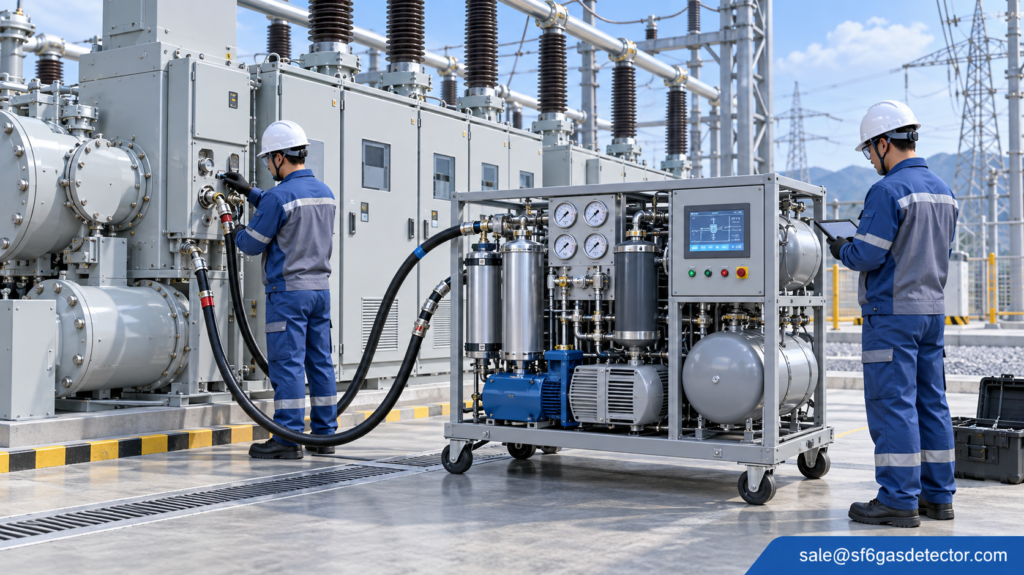
For periodic breaker overhaul, technicians often need portable SF6 gas recycling equipment for high-voltage switchgear that can recover gas from a single compartment, evacuate the enclosure, and transfer clean gas back after service. Mobility, hose length, quick-connect fittings, and low-maintenance filters are practical priorities.
In this scenario, ask for a compact recovery cart with clear operating controls, integrated weighing capability, and safeguards against overpressure.
GIS Maintenance and Large Gas Compartments
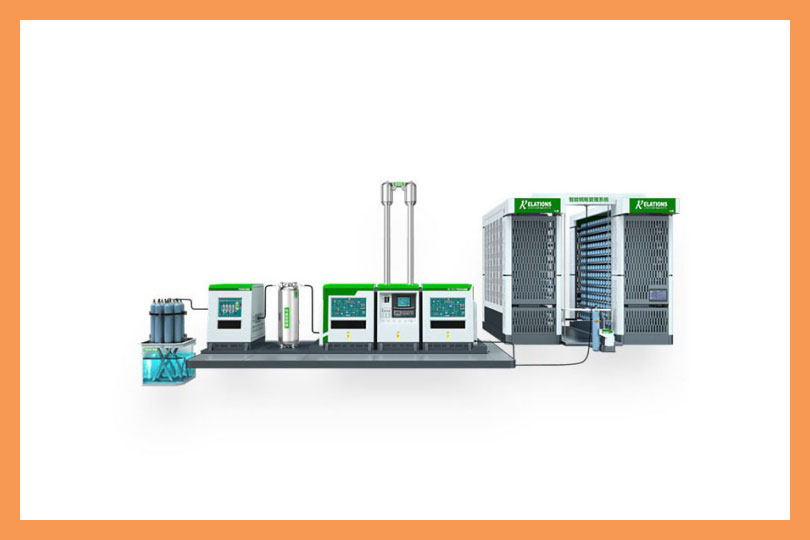
GIS projects require SF6 gas recycling equipment for high-voltage switchgear with greater storage capacity, higher pumping performance, and robust long-duration operation. The unit should be capable of handling multiple gas zones while maintaining clear records of recovered and refilled quantities.
For a GIS-focused manufacturer inquiry, provide the total SF₆ inventory, largest compartment volume, planned outage duration, and site access restrictions. This enables accurate sizing of recovery skids, storage tanks, and purification capacity.
Contaminated or Reclaimed SF₆ Gas
When gas has been exposed to internal arcing, moisture ingress, or equipment failure, standard recovery alone may not be sufficient. The SF6 gas recycling equipment for high-voltage switchgear must be configured to manage contaminants safely and prevent cross-contamination between gas batches.
Request gas-analysis recommendations, compatible filtration media, disposal guidance for spent filters, and confirmation of whether the treated gas can meet the required reuse specification. Operators should always follow site safety procedures, use appropriate personal protective equipment, and avoid direct exposure to decomposition residues.
Supplier Evaluation and Commercial Considerations
A credible supplier should explain the operating limits of its SF6 gas recycling equipment for high-voltage switchgear, not just list performance claims. Evaluate manufacturing experience, service response capability, spare-parts availability, commissioning support, and operator training.
Before placing an order, request a formal technical proposal covering model number, process flow, included accessories, warranty terms, delivery schedule, packing method, and recommended consumables. For project budgeting, you can quickly obtain a product quotation based on your required recovery rate, storage volume, and site voltage class.
Frequently Asked Questions
What information is needed for an SF₆ equipment manufacturer inquiry?
Provide switchgear type, gas volume, operating pressure, required recovery speed, power supply, destination country, and whether purification is required. Photos of existing valves and fittings can also help confirm compatibility.
Can recovered SF₆ be reused?
Recovered gas may be reused when it has been properly tested and treated to meet the applicable quality requirements. The decision should follow IEC guidance, equipment-owner procedures, and local environmental rules.
Is portable SF₆ recycling equipment suitable for GIS work?
Portable equipment can support smaller GIS tasks, but large installations often require higher-capacity SF6 gas recycling equipment for high-voltage switchgear with external storage and enhanced purification capability.
Why is operator training important?
Correct connection, evacuation, recovery, filtration, and refill procedures reduce emissions, prevent contamination, and protect personnel. For application-specific support, request one-on-one guidance from engineers before finalizing your equipment configuration.