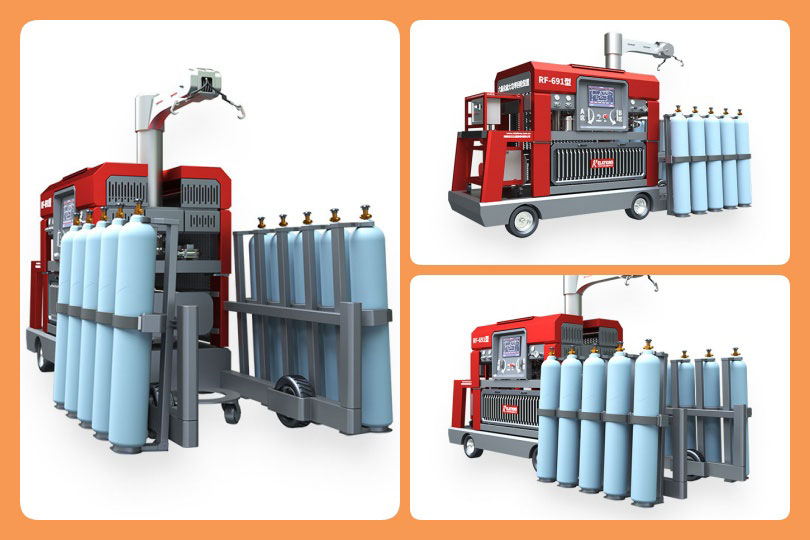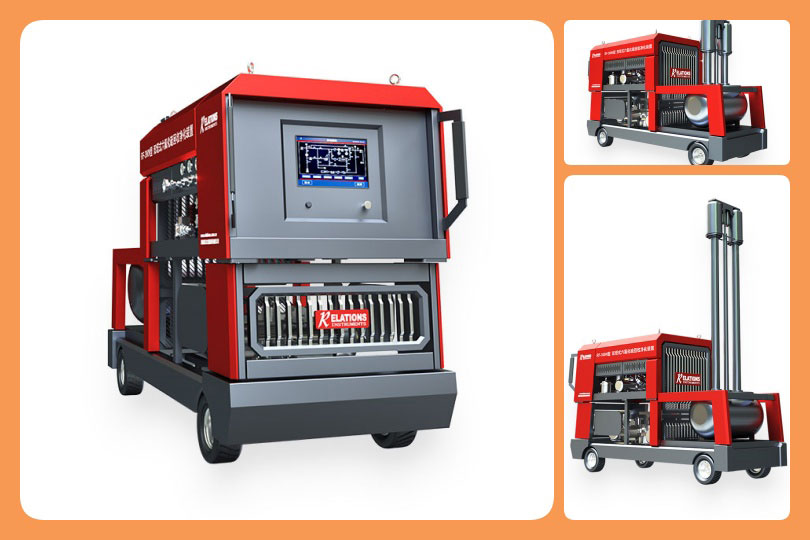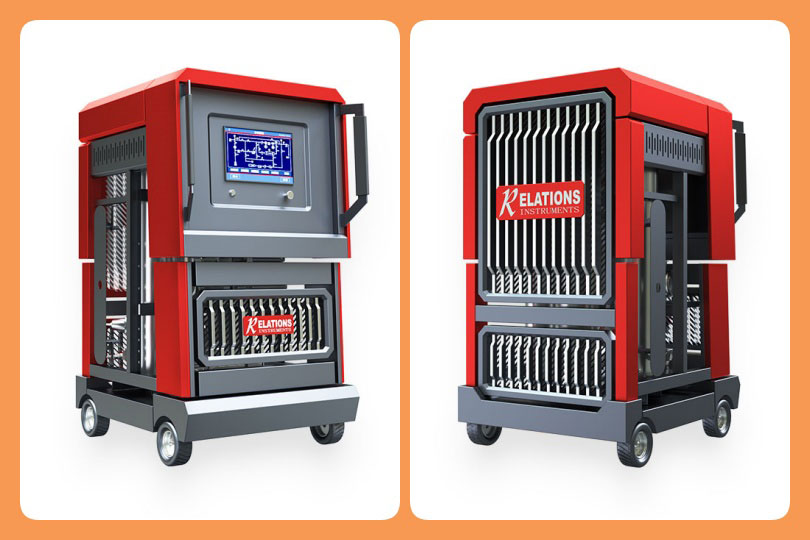
SF6 Gas Recovery Vacuum and Refilling Unit for Power Grid Projects
Date
2026-09-09
[email protected]
Website
www.sf6gasdetector.com
Get Solutions And Quotes
Contact Factory
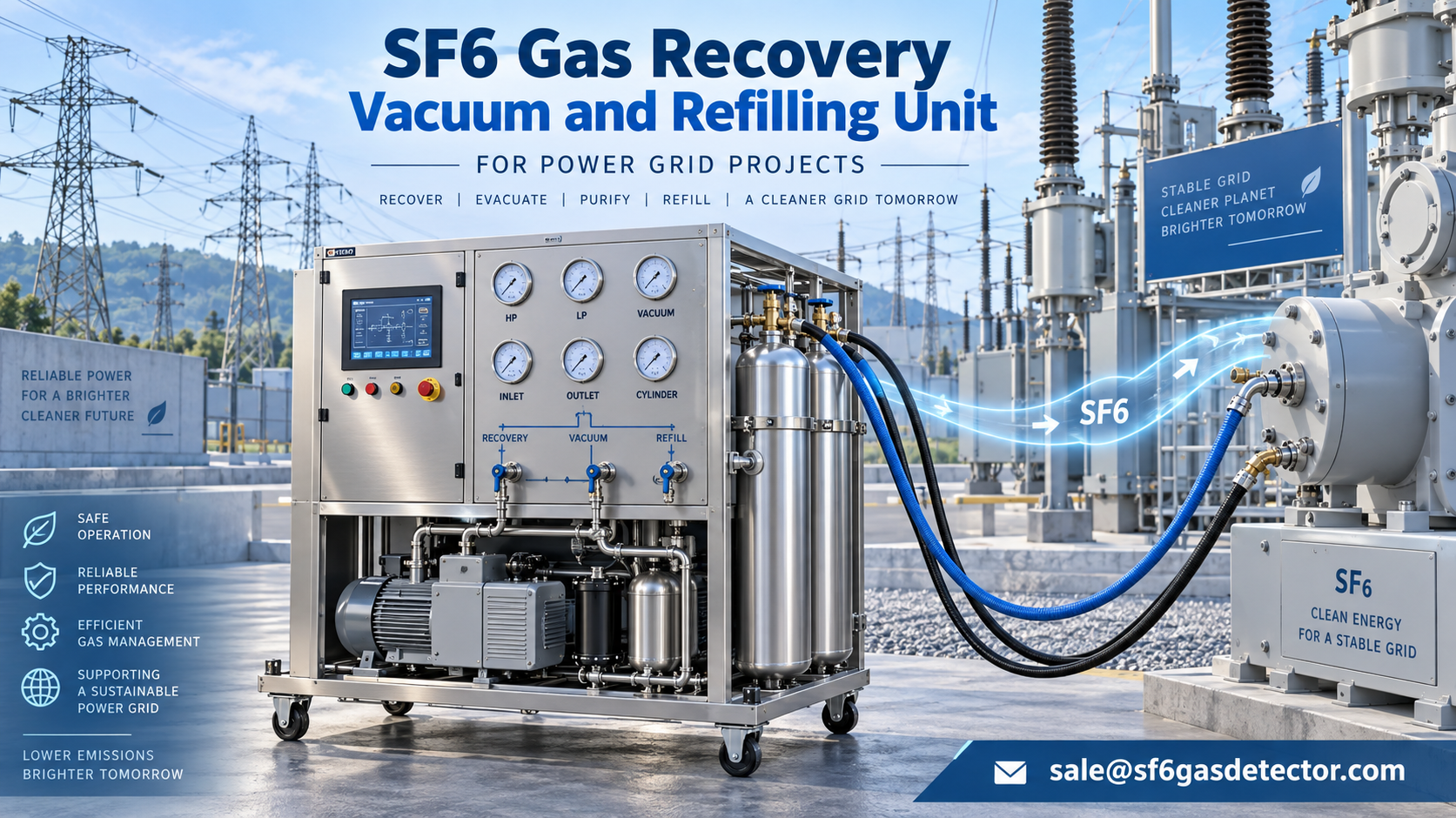
SF6 Gas Recovery Vacuum and Refilling Unit for Power Grid Projects
An SF6 gas recovery vacuum and refilling unit for power grid projects is a critical service tool for maintaining gas-insulated switchgear (GIS), circuit breakers, gas-insulated lines, and other high-voltage equipment. It enables maintenance teams to recover SF6 gas safely, evacuate air and moisture from gas compartments, store recovered gas, and refill equipment to the specified operating pressure. For utilities, EPC contractors, substations, and transmission operators, selecting the right unit supports equipment reliability, environmental compliance, and efficient outage management.
Because SF6 is widely used as an insulating and arc-quenching medium, its handling must follow controlled procedures. A properly specified SF6 gas recovery vacuum and refilling unit for power grid projects helps reduce gas loss, prevent contamination, and support the safe return of electrical assets to service.
Why SF6 Handling Equipment Matters in Grid Maintenance
Power grid projects often involve planned overhauls, emergency breaker repairs, GIS installation, commissioning, and end-of-life equipment decommissioning. In each scenario, gas handling is not simply a transfer task. The process must protect the purity of the SF6 gas, prevent moisture ingress, and maintain traceable operating records.
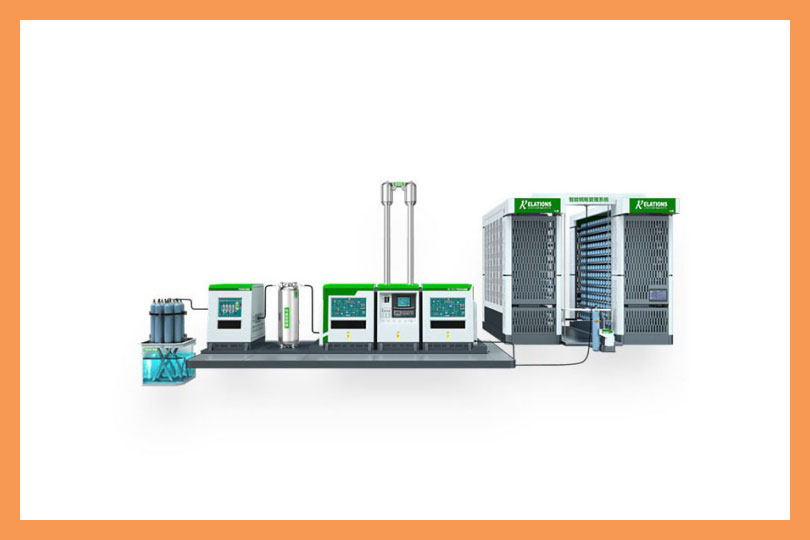
An industrial SF6 gas recovery vacuum and refilling unit for power grid projects typically combines several functions in one mobile system:
- SF6 gas recovery from electrical equipment
- Compression and transfer to storage cylinders or tanks
- Filtration of particulates, moisture, and decomposition by-products
- Vacuum evacuation of gas compartments and connecting hoses
- Controlled SF6 refilling by pressure, mass, or density requirements
- Gas weighing and storage monitoring
- Leak-minimizing hose connections and service valves
By integrating these functions, the unit reduces manual handling steps and helps field teams work consistently across multiple substations.
Key Technical Parameters for Equipment Selection
Recovery Capacity and Final Recovery Pressure
Recovery capacity determines how quickly the system can remove SF6 from a breaker or GIS compartment. It should be matched to the gas volume of the equipment and the available outage window. For large transmission substations, higher-throughput recovery equipment can reduce maintenance duration significantly.
Final recovery pressure is equally important. A lower residual pressure means less SF6 remains inside the serviced compartment, supporting better environmental performance and more complete maintenance access. Actual performance should be evaluated under defined ambient conditions, hose lengths, and gas temperatures.
Vacuum Performance
An SF6 gas recovery vacuum and refilling unit for power grid projects should provide sufficient vacuum capability for drying and evacuating equipment after maintenance. Vacuum quality affects whether residual air and water vapor remain in the gas compartment before refilling.
For sensitive GIS applications, utilities commonly define evacuation criteria in their maintenance procedures. The selected unit should be able to meet those requirements reliably, while calibrated vacuum measurement instruments verify the process.
Gas Purification and Filtration
SF6 recovered from in-service equipment may contain moisture, oil vapor, dust, or decomposition products generated by electrical arcing. High-quality filtration is essential before reclaimed gas is reused.
A practical SF6 gas recovery vacuum and refilling unit for power grid projects may include molecular sieve filters, activated alumina, particulate filters, and other treatment stages designed for the expected contamination profile. Filter selection and replacement intervals should be based on gas analysis results and manufacturer instructions.
Storage, Weighing, and Mobility
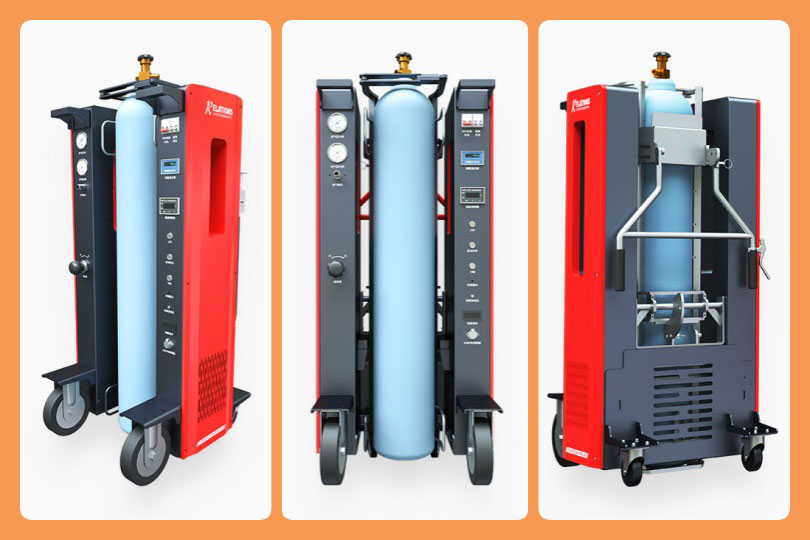
Cylinder scales, integrated storage tanks, and transport-ready frames improve field efficiency. Accurate weighing supports gas inventory management and enables technicians to document recovered and refilled quantities. For remote substations, skid-mounted or wheeled designs simplify movement between equipment bays.
For project-specific sizing, engineering teams can quickly obtain product quotations based on gas capacity, recovery rate, voltage class, and required accessories.
Compliance Standards and Documentation Requirements
SF6 handling practices should align with applicable regulations, utility procedures, and recognized international standards. Equipment suppliers and project teams should consider the following references:
- IEC 60376 for technical-grade SF6 specifications used in electrical equipment
- IEC 60480 for the evaluation, treatment, and reuse of SF6 taken from electrical equipment
- IEC 62271 series for high-voltage switchgear and controlgear requirements
- Applicable national environmental rules governing fluorinated greenhouse gas handling, recovery, and reporting
- Relevant occupational health and safety requirements for pressurized gas systems and electrical work
Where equipment is supplied to markets requiring CE conformity, the complete assembly should be assessed against applicable machinery, electrical safety, electromagnetic compatibility, and pressure-related requirements. Suppliers should also provide operating manuals, maintenance instructions, calibration records where applicable, and traceable component information.
An SF6 gas recovery vacuum and refilling unit for power grid projects should never be considered a substitute for trained personnel. Operators need documented procedures covering cylinder handling, gas testing, ventilation, personal protective equipment, and the management of SF6 decomposition products.
Scenario-Based Applications for Power Grid Projects
GIS Installation and Commissioning
During GIS installation, vacuum evacuation is used before introducing new or tested SF6 gas. The recovery and filling system helps installers achieve the specified gas pressure while minimizing moisture and air contamination. Stable filling control is especially valuable for large multi-bay GIS projects with strict commissioning schedules.
Circuit Breaker Overhaul
A circuit breaker overhaul commonly requires complete gas recovery before inspection of interrupters, seals, and operating mechanisms. An SF6 gas recovery vacuum and refilling unit for power grid projects allows maintenance crews to recover the gas, filter it where suitable, evacuate the breaker after reassembly, and refill it to the required service condition.
Emergency Leak Response
When a leak alarm or abnormal gas density reading occurs, utilities need a controlled response. Mobile gas handling equipment enables technicians to recover remaining gas before repairs, pressure-test the compartment according to approved procedures, and refill the equipment after leak rectification. This approach reduces unplanned emissions and shortens restoration time.
Decommissioning and Asset Replacement
For aging substations, decommissioning requires responsible recovery of the SF6 charge before equipment is dismantled. A correctly configured SF6 gas recovery vacuum and refilling unit for power grid projects supports gas segregation, cylinder labeling, inventory records, and reuse or disposal decisions in accordance with local requirements.
Operating Practices That Improve Reliability
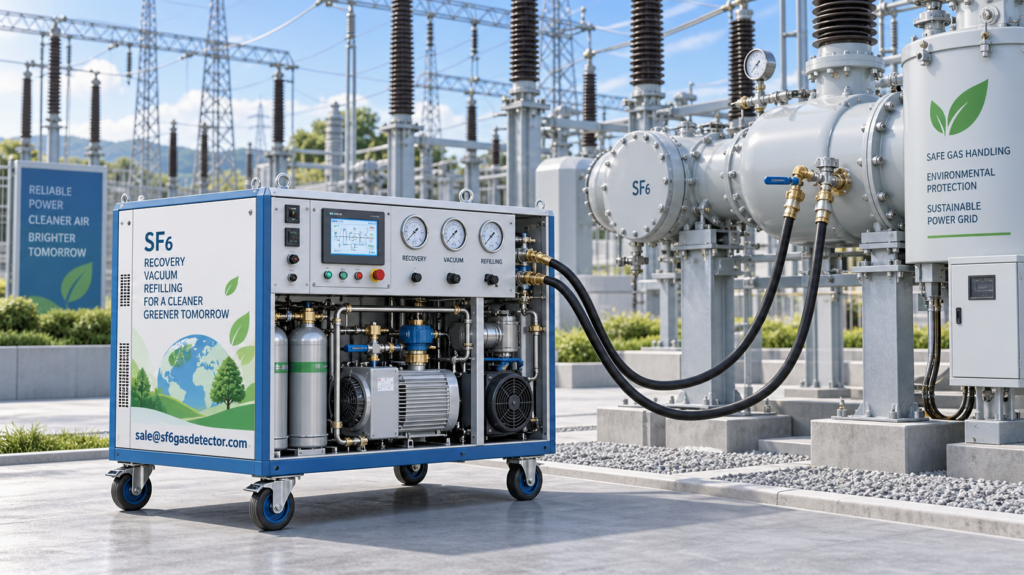
Reliable gas handling depends on both equipment quality and disciplined operation. Before connecting the unit, technicians should inspect hoses, couplings, seals, filters, and cylinder valves. Connections should be kept clean and capped when not in use to prevent moisture ingress.
During recovery and refilling, operators should record gas mass, pressure, temperature, vacuum level, and gas quality test results where required. Leak checks should be performed after final filling. Preventive maintenance should include pump oil checks, filter replacement, scale verification, hose inspection, and calibration of measuring instruments.
For complex GIS maintenance programs, project teams can request one-on-one guidance from engineers to define suitable recovery capacity, storage configuration, purification stages, and field accessories.
Frequently Asked Questions
Can recovered SF6 gas be reused?
Recovered SF6 may be reused if testing and treatment confirm that it meets the applicable gas-quality criteria, such as those referenced in IEC 60480. Gas that does not meet required purity or contamination limits should be managed through an approved reclamation or disposal route.
What is the difference between recovery and vacuum evacuation?
Recovery removes SF6 gas from electrical equipment and transfers it into storage. Vacuum evacuation removes residual gas, air, and moisture from the compartment after recovery and before refilling. Both functions are essential in a complete SF6 gas recovery vacuum and refilling unit for power grid projects.
How should the unit be sized for a substation project?
Sizing depends on the total SF6 inventory, the largest individual gas compartment, required outage duration, desired recovery rate, storage capacity, site access conditions, and utility specifications. Larger GIS projects generally benefit from higher-capacity compressors and integrated storage solutions.
Is gas analysis necessary after maintenance?
Gas analysis is strongly recommended when gas has been exposed to arcing, suspected leakage, moisture ingress, or long-term service conditions. Testing for purity, moisture, and decomposition products helps determine whether filtration, reclamation, or replacement is required.