Stop SF6 Leaks: Transformer Station Remote SF6 Detection System Price
Date
2026-07-15
[email protected]
Website
www.sf6gasdetector.com
Get Solutions And Quotes
Contact Factory
Stop SF6 Leaks: Transformer Station Remote SF6 Detection System Price
Understanding the transformer station remote SF6 leak detection system price is essential for utilities, grid operators, EPC contractors, and industrial power users planning to improve gas-insulated equipment safety and environmental compliance. SF6 gas is widely used in high-voltage switchgear, GIS bays, circuit breakers, and transformer station equipment due to its excellent insulation and arc-quenching properties. However, because SF6 is a high global warming potential gas, reliable remote leak detection is now a critical part of substation operation, regulatory reporting, and preventive maintenance.
A remote SF6 leak detection system helps operators continuously monitor gas leakage, identify abnormal concentration changes, transmit alarms to control rooms, and reduce manual inspection risks. The final price depends on monitoring points, sensor technology, communication method, installation environment, accuracy requirements, and integration with SCADA or cloud platforms. This article explains key product advantages, technical parameters, application scenarios, purchasing considerations, and frequently asked questions to help buyers evaluate solutions professionally.
What Is a Transformer Station Remote SF6 Leak Detection System?
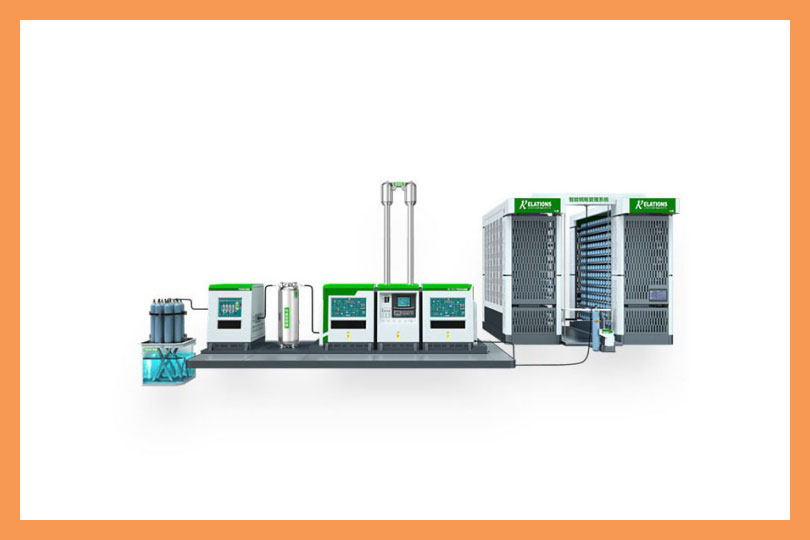
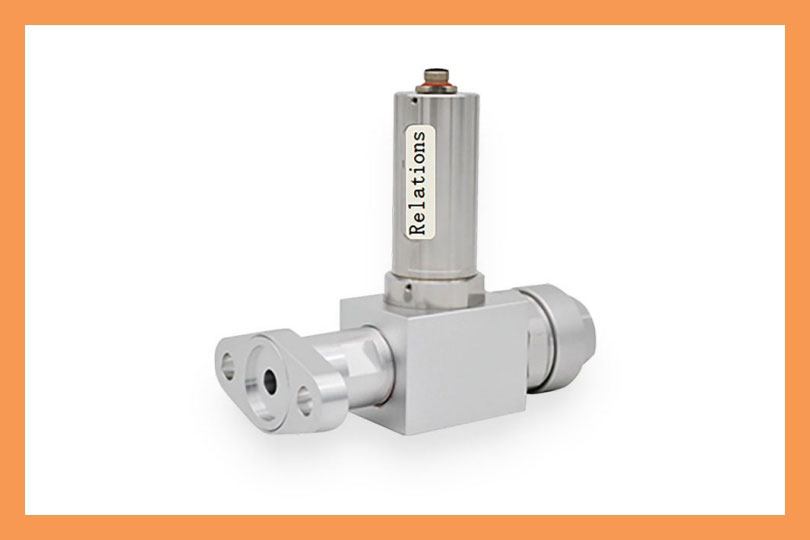
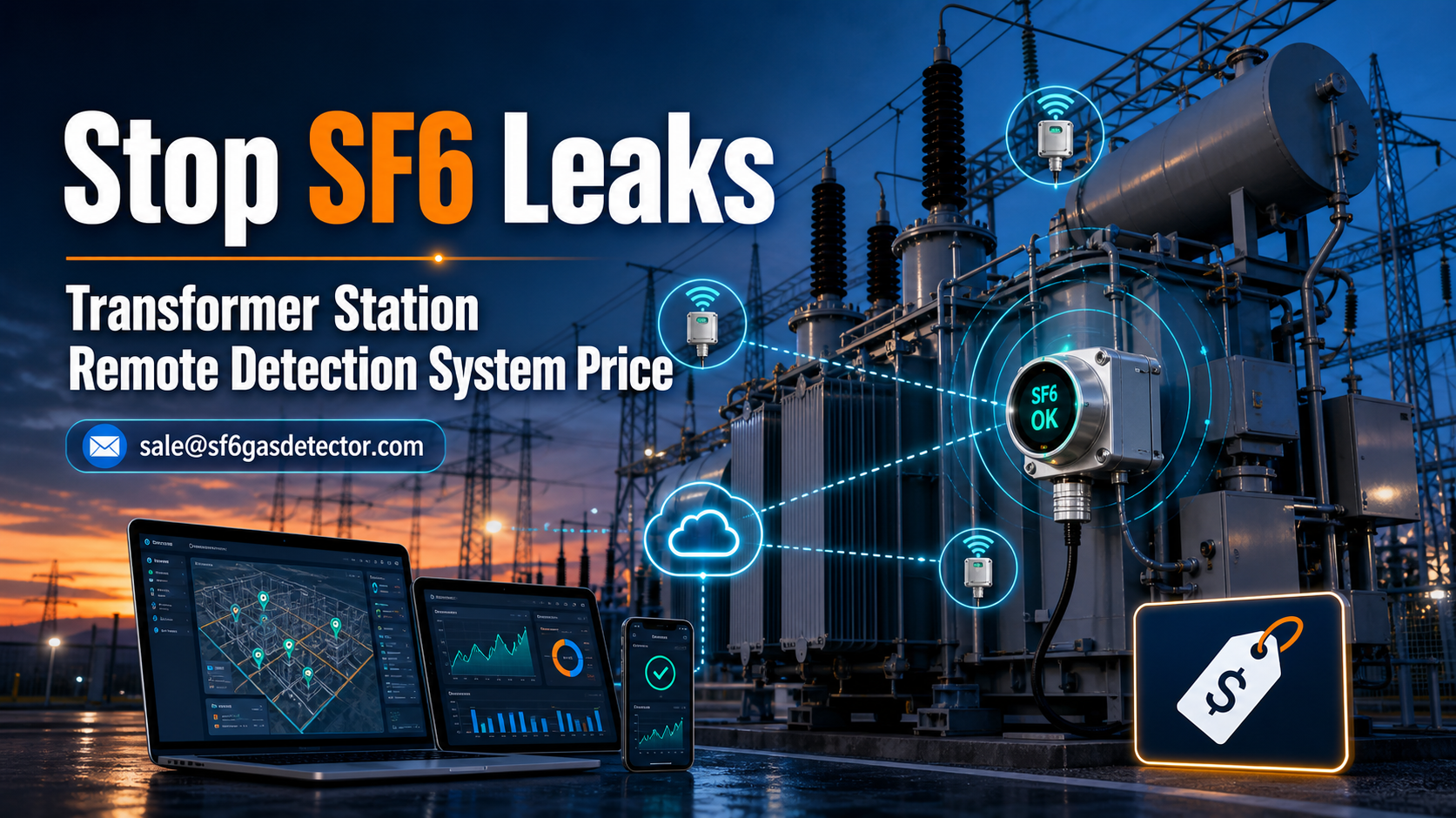
A transformer station remote SF6 leak detection system is an industrial monitoring solution designed to detect sulfur hexafluoride gas leaks in substations, GIS rooms, high-voltage switchgear areas, and transformer auxiliary equipment zones. The system typically includes SF6 gas sensors, sampling or diffusion detection modules, alarm controllers, data transmission units, audible and visual alarms, and remote monitoring software.
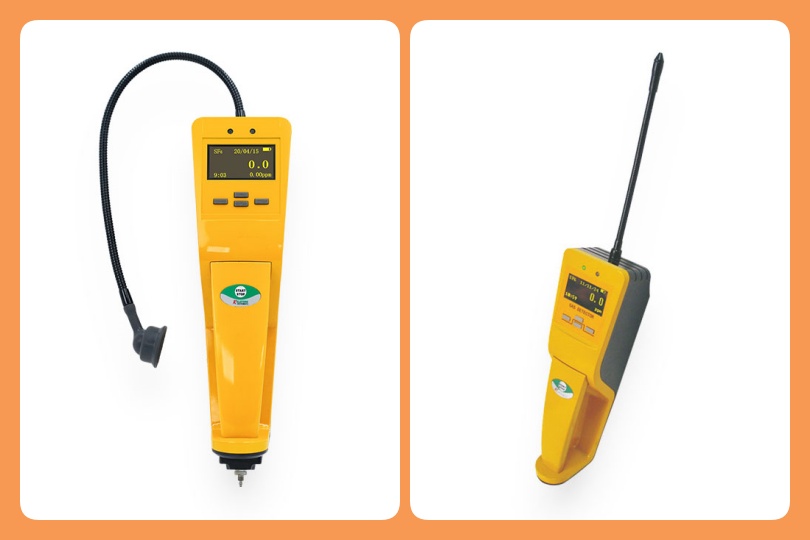
Unlike handheld SF6 leak detectors used for periodic inspection, a remote system provides continuous online monitoring. It can detect small leakage trends, trigger early warnings, and support long-term asset management. For unmanned or semi-unmanned substations, remote SF6 monitoring significantly improves operational safety and reduces maintenance response time.
Core Advantages of Remote SF6 Leak Detection Systems
Continuous Online Monitoring
The SF6 leak detection system operates 24/7 and monitors SF6 concentration in real time. This is especially important for transformer stations with enclosed GIS rooms or limited ventilation, where gas accumulation may create safety and environmental risks if not detected quickly.
Remote Alarm and Data Transmission
Modern SF6 leak detection systems support RS485, Ethernet, 4G/5G, fiber optic communication, Modbus, IEC protocol adaptation, and SCADA integration. Operators can receive alerts in the central control room or through web-based monitoring platforms.
Improved Environmental Compliance
International regulations increasingly require operators to control SF6 emissions, maintain accurate leakage records, and conduct timely repairs. A certified SF6 leak detection system supports compliance with common electrical utility environmental management practices and helps reduce greenhouse gas emissions.
Reduced Manual Inspection Costs
Manual leak inspection requires trained personnel, scheduled shutdown coordination, and repeated site visits. Remote monitoring reduces labor intensity and enables condition-based maintenance, which can improve asset availability and reduce operating costs.
Enhanced Personnel Safety
SF6 itself is non-flammable and chemically stable under normal conditions, but decomposition products from electrical faults may be hazardous. Early detection and remote alarms help prevent personnel from entering areas with unknown gas conditions.
Typical Technical Parameters
The following table provides common reference parameters for a transformer station remote SF6 leak detection system. Actual specifications may vary depending on project requirements and equipment configuration.
| Parameter | Typical Specification | Notes |
|---|---|---|
| Detected Gas | SF6 sulfur hexafluoride | Optional monitoring for oxygen or SF6 decomposition gases |
| Detection Principle | Infrared, NDIR, or electrochemical auxiliary sensing | NDIR is commonly used for stable SF6 concentration monitoring |
| Measuring Range | 0–1000 ppm, 0–3000 ppm, or customized | Selected according to room size and alarm strategy |
| Resolution | 1 ppm or project-specific | Higher resolution improves early leak identification |
| Alarm Output | Relay, sound-light alarm, remote notification | Supports multi-level alarm thresholds |
| Communication | RS485, Modbus RTU/TCP, Ethernet, 4G, fiber optic | Can be integrated into substation automation systems |
| Power Supply | AC 220V, DC 24V, or customized | Depends on site power architecture |
| Operating Temperature | -20°C to +60°C typical | Extended temperature versions available |
| Installation Type | Wall-mounted, cabinet-mounted, sampling pipeline type | Determined by site layout and monitoring points |
| Data Storage | Local storage or cloud/server database | Useful for reporting and maintenance analysis |
Key Factors Affecting Transformer Station Remote SF6 Leak Detection System Price
The transformer station remote SF6 leak detection system price is not a single fixed number because each substation has different electrical equipment layouts, monitoring requirements, and automation standards. Buyers should evaluate price based on total lifecycle value rather than only the initial device cost.
Number of Monitoring Points
A small transformer station may require only a few SF6 sensors near GIS compartments, cable rooms, or switchgear areas. A large high-voltage substation may need dozens of detection points. More sensors, controllers, cables, and communication modules increase total system cost.
Sensor Accuracy and Detection Technology
High-precision NDIR infrared SF6 sensors usually cost more than basic detection modules, but they provide better stability, lower drift, and longer service life. For critical substations, investing in reliable sensor technology can reduce false alarms and maintenance workload.
Remote Communication and Software Platform
Systems with simple local alarms are generally lower in price. Solutions with SCADA integration, cloud dashboards, historical trend analysis, mobile alerts, and multi-site centralized management require additional software and communication configuration.
Installation Environment
Outdoor substations, coastal areas, high-altitude sites, high-humidity environments, or hazardous industrial zones may require special enclosures, anti-corrosion materials, lightning protection, and higher IP protection ratings. These factors affect final pricing.
Customization and Engineering Services
Custom alarm logic, protocol development, cabinet design, site survey, installation guidance, commissioning, and calibration services influence project cost. For accurate budgeting, buyers should provide station drawings, GIS room dimensions, ventilation conditions, and required communication interfaces.
For a project-specific quotation and free technical consultation, contact the engineering team at [email protected] to receive a tailored remote SF6 leak detection solution based on your transformer station layout.
Reference Price Structure for Budget Planning
Although exact pricing must be confirmed according to configuration, the following table helps buyers understand common cost components.
| Cost Component | Influence on Price | Buyer Consideration |
|---|---|---|
| SF6 Sensor Units | High | Quantity, accuracy, detection range, lifetime |
| Central Controller | Medium | Number of channels, display, alarm logic |
| Communication Module | Medium | RS485, Ethernet, 4G/5G, fiber optic, SCADA compatibility |
| Software Platform | Medium to High | Local monitoring, cloud platform, multi-station management |
| Alarm Devices | Low to Medium | Sound-light alarms, relays, remote alarm linkage |
| Installation Materials | Medium | Cables, conduits, cabinets, mounting brackets |
| Commissioning and Training | Medium | Site testing, calibration, operator training |
| After-Sales Maintenance | Long-term impact | Calibration cycle, spare parts, technical support |
Main Application Scenarios
GIS Transformer Stations
Gas-insulated switchgear rooms are among the most common applications. Remote SF6 leak detection systems monitor indoor gas concentration and provide alarms before leakage becomes serious, supporting safe GIS operation.
Unmanned Substations
In unmanned or remotely operated transformer stations, online monitoring is essential. The system can send real-time alarms to a dispatch center, reducing the need for frequent manual patrols.
High-Voltage Switchgear Rooms
SF6 circuit breakers and switchgear require reliable leak monitoring to ensure insulation performance. Early leakage detection helps prevent equipment failure and unplanned outages.
Utility and Industrial Power Facilities
Power plants, rail transit substations, renewable energy substations, mining power systems, and large industrial plants can use remote SF6 monitoring to improve electrical safety and environmental control.
How to Choose the Right Remote SF6 Leak Detection System
Confirm Monitoring Objectives
Determine whether the system is mainly for safety alarms, environmental emission control, equipment condition monitoring, or centralized digital substation management. Clear objectives help define sensor accuracy, alarm thresholds, and software functions.
Review Compliance and Standards
Select equipment designed according to recognized industrial practices for electrical substations, gas detection reliability, EMC performance, and safe installation. Ensure the supplier can provide technical documentation, calibration guidance, and quality assurance records.
Evaluate Integration Capability
For modern substations, compatibility with existing automation systems is important. Confirm supported protocols, data formats, alarm outputs, and whether the solution can connect with SCADA, DCS, or cloud-based monitoring platforms.
Consider Maintenance and Calibration
A low initial price may become expensive if sensors require frequent replacement or complicated maintenance. Ask about calibration intervals, sensor lifetime, spare parts availability, and remote diagnostic support.
Request a Site-Based Proposal
The most reliable way to determine the transformer station remote SF6 leak detection system price is to request a customized proposal based on site conditions. For one-on-one engineering guidance, send project requirements to [email protected].
Frequently Asked Questions
What is the typical transformer station remote SF6 leak detection system price?
The price varies depending on the number of sensors, communication method, software functions, installation conditions, and customization level. A simple local monitoring system costs less than a multi-point remote system integrated with SCADA or cloud management. Buyers should request a formal quotation based on drawings and technical requirements.
Is remote SF6 leak detection better than handheld inspection?
Both methods have value. Handheld detectors are useful for pinpoint inspection and maintenance work, while remote systems provide continuous monitoring and early warning. For critical transformer stations, combining online monitoring with periodic handheld verification is a practical strategy.
Can the system be connected to an existing substation automation platform?
Yes. Many remote SF6 leak detection systems support Modbus, RS485, Ethernet, relay outputs, or customized protocol integration. Before purchasing, confirm compatibility with your SCADA or monitoring platform.
Where should SF6 sensors be installed?
Sensor placement should consider GIS equipment location, ventilation airflow, room structure, cable trenches, and possible leakage points. Since SF6 is heavier than air, lower installation positions are often considered, but final placement should follow engineering assessment and site safety requirements.
How often does the system require calibration?
Calibration frequency depends on sensor type, operating environment, manufacturer recommendations, and site maintenance policy. Many industrial systems require periodic verification to maintain measurement accuracy and alarm reliability.
Can the system support multiple transformer stations?
Yes. A centralized remote monitoring platform can manage multiple substations, display real-time data, store historical records, and generate alarms for different locations. This is useful for utility companies and large industrial groups.
Final Considerations for Buyers
When evaluating the transformer station remote SF6 leak detection system price, buyers should focus on accuracy, reliability, integration capability, environmental compliance, and lifecycle maintenance. A professional system is not only a gas alarm device but also a digital safety and asset management tool for modern substations.
For utilities, EPC contractors, and industrial users planning new substations or upgrading existing GIS rooms, a customized solution can reduce technical risks and improve budget accuracy. To receive a detailed configuration plan, remote monitoring proposal, and engineer-supported quotation, contact [email protected].