Operators Training for Portable Gas Detectors in Power Plants to Prevent Errors
Date
2026-07-31
[email protected]
Website
www.sf6gasdetector.com
Get Solutions And Quotes
Contact Factory
Operators Training for Portable Gas Detectors in Power Plants to Prevent Errors
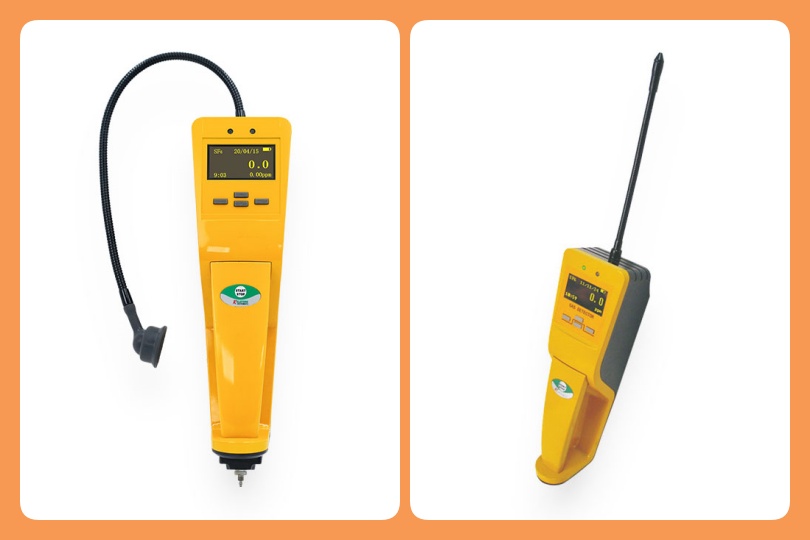
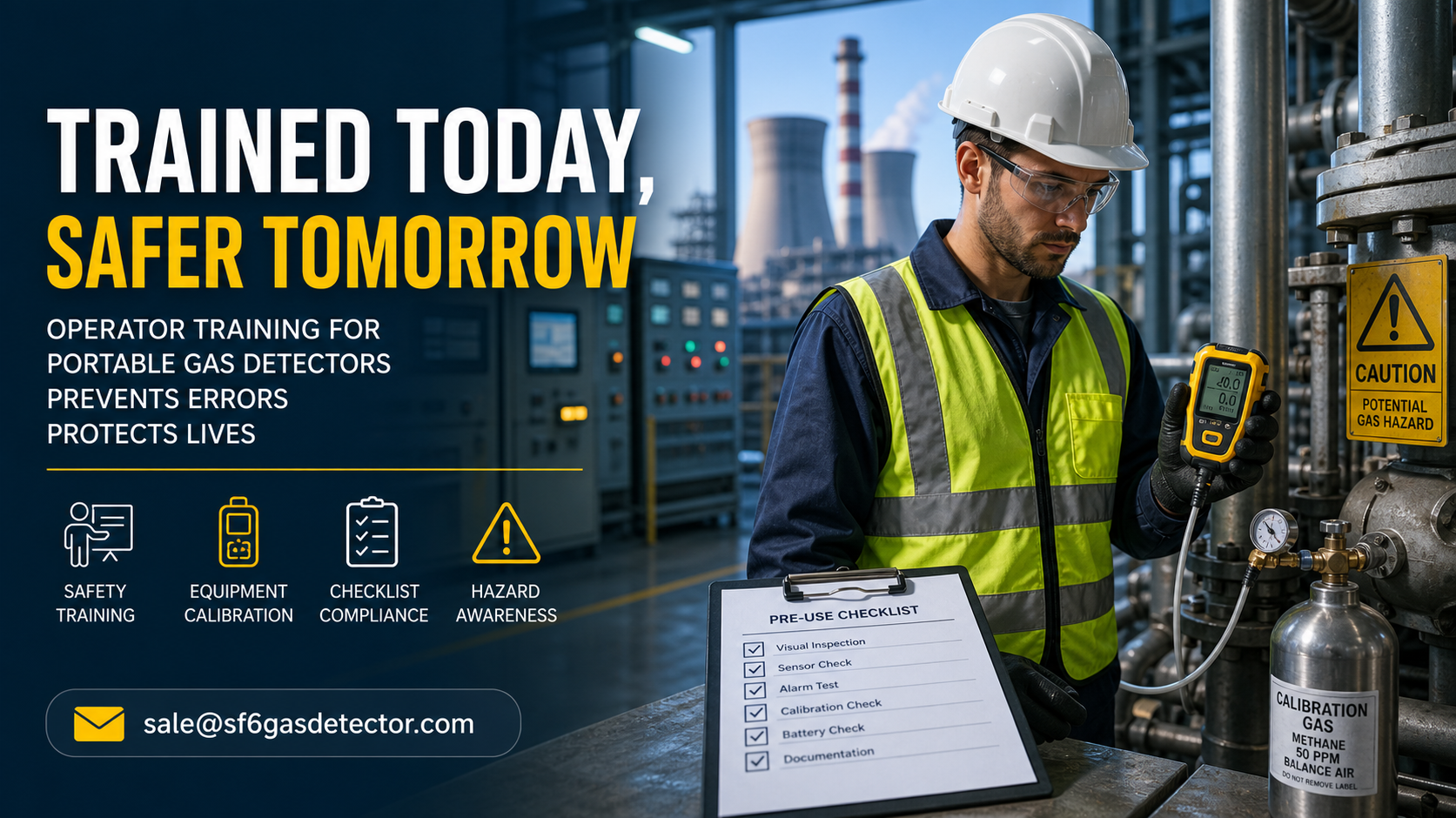
Portable gas detectors in power plants are critical safety instruments used to identify hazardous gases before they threaten personnel, equipment, or plant continuity. Because power generation environments may involve hydrogen, carbon monoxide, hydrogen sulfide, oxygen deficiency, sulfur hexafluoride decomposition by-products, ammonia, methane, and other toxic or combustible gases, proper operators training is essential. A gas detector is only as effective as the person using it; therefore, structured training helps operators interpret readings correctly, respond to alarms quickly, and comply with international safety standards such as OSHA, IEC, ISO, NFPA, and plant-specific HSE procedures.
Why Operator Training Matters in Power Plant Gas Detection
Power plants contain complex systems, including turbine halls, battery rooms, switchgear rooms, boiler areas, confined spaces, transformer zones, and gas-insulated switchgear compartments. Each area may present different gas risks. For example, hydrogen may accumulate in generator cooling systems, carbon monoxide may be present near combustion equipment, and SF6 decomposition products may appear after electrical arcing in high-voltage equipment.
Without proper training, operators may misuse portable gas detectors, ignore bump testing, misunderstand alarm thresholds, or enter hazardous areas without adequate ventilation or rescue planning. Effective operators training reduces these risks by ensuring that workers know how to inspect, calibrate, operate, maintain, and respond to portable gas detector readings according to recognized industrial operational standards.
Core Training Modules for Portable Gas Detector Operators
Basic Gas Hazard Awareness
The first step in training is understanding the gases that may exist in power plant environments. Operators should learn the physical properties, exposure risks, and detection principles of common gases.
Key training topics include:
- Toxic gas exposure limits, such as TWA, STEL, and ceiling limits
- Flammable gas risks and lower explosive limit readings
- Oxygen enrichment and oxygen deficiency hazards
- Gas behavior, including density, diffusion, and accumulation zones
- Common power plant gas sources and leakage points
- Emergency symptoms and health effects of exposure
This module helps operators understand why portable gas detectors in power plants must be used before entry, during inspection, and throughout maintenance work in high-risk zones.
Instrument Familiarization and Function Training
Operators must be trained on the exact detector model used at the facility. Although most portable gas detectors have similar features, alarm logic, sensor configuration, menu structure, and maintenance requirements can vary by manufacturer.
Training should cover:
- Power-on self-check procedures
- Display symbols and gas concentration units
- Visual, audible, and vibration alarms
- Alarm setpoints and escalation levels
- Battery status and charging rules
- Pump operation for sampling-type detectors
- Data logging and event record review
- Sensor warm-up and stabilization time
Operators should also understand the difference between diffusion-type and pump-suction portable gas detectors. Diffusion detectors are suitable for personal monitoring, while pump-type detectors are commonly used for pre-entry testing in tanks, cable tunnels, pits, and enclosed rooms.
For facilities requiring customized detector selection or operating procedures, plant safety teams can request one-on-one engineering guidance by contacting [email protected].
Recommended Training Content and Competency Requirements
Structured Parameter Table for Operator Training
| Training Area | Recommended Content | Competency Requirement | Suggested Frequency |
|---|---|---|---|
| Gas hazard awareness | Toxic, flammable, oxygen, and specialty gas risks | Identify gas hazards by work area | Initial training and annual refresh |
| Detector operation | Startup, alarms, menus, sampling, data records | Operate detector without supervision | Initial training and after model changes |
| Bump test procedure | Functional response test using test gas | Perform and document bump tests correctly | Before each use or per site policy |
| Calibration awareness | Zero/span calibration concepts and intervals | Recognize when calibration is required | Monthly/quarterly review |
| Alarm response | Evacuation, reporting, ventilation, rescue restrictions | Respond according to emergency plan | Drills at least annually |
| Confined space testing | Pre-entry sampling, stratified testing, continuous monitoring | Conduct gas testing safely before entry | Before confined space work |
| Maintenance and storage | Cleaning, charging, filter replacement, sensor care | Maintain equipment in serviceable condition | Routine and after each use |
| Compliance documentation | Logs, certificates, alarm records, inspection forms | Complete traceable safety records | Every use and audit cycle |
Bump Testing and Calibration Training
Why Bump Testing Is Essential
A bump test confirms that the gas detector responds to a known concentration of test gas. It does not replace calibration, but it verifies that sensors, alarms, and gas pathways are functioning. Operators using portable gas detectors in power plants should be trained to perform bump tests according to manufacturer instructions and site safety policies.
A standard bump test training session should include:
- Selecting the correct calibration gas cylinder
- Checking expiration dates and gas concentration
- Connecting regulators, tubing, and calibration caps
- Applying test gas for the required response time
- Confirming audible, visual, and vibration alarms
- Recording results in digital or paper logs
- Removing defective instruments from service
Calibration Awareness for Operators
Not every operator needs to perform full calibration, but all users should understand when calibration is required. Calibration may be needed after a failed bump test, sensor replacement, exposure to high gas concentrations, physical damage, or the expiration of a scheduled calibration interval.
Calibration should be performed by trained personnel using certified test gases traceable to recognized standards. This supports compliance with plant audits and international safety management systems.
Alarm Response and Emergency Action Training
Correct Response to Gas Detector Alarms
Operators training must emphasize that alarms are not advisory signals; they require immediate action. When a portable gas detector alarms, the operator should follow the plant’s emergency response plan without delay.
Typical alarm response training includes:
- Stop work immediately.
- Leave the hazardous area using the designated escape route.
- Warn nearby personnel if it is safe to do so.
- Report the alarm to the control room or safety supervisor.
- Do not re-enter until the area is tested, ventilated, and declared safe.
- Preserve detector alarm data for incident review.
For flammable gas alarms, operators must avoid creating ignition sources. For toxic gas alarms, respiratory protection and specialized rescue procedures may be required. For oxygen deficiency alarms, unprotected entry is prohibited because loss of consciousness can occur rapidly.
Confined Space and Pre-Entry Gas Testing Training
Power plants often include confined spaces such as tanks, pits, ducts, sumps, cable trenches, and transformer oil containment areas. Operators performing atmospheric testing must be trained according to confined space entry standards, including OSHA 29 CFR 1910.146 or equivalent local regulations.
Best Practices for Pre-Entry Testing
Operators should be trained to test the atmosphere in the correct sequence:
| Testing Step | Purpose | Operator Action |
|---|---|---|
| Oxygen level | Confirm breathable atmosphere | Test first because many sensors depend on normal oxygen levels |
| Flammable gases | Identify explosion risk | Verify readings are below site-defined LEL limits |
| Toxic gases | Detect health hazards | Test for CO, H2S, SO2, NO2, NH3, or site-specific gases |
| Stratified sampling | Detect gases at different heights | Sample top, middle, and bottom zones |
| Continuous monitoring | Track changing conditions | Keep detector operating during entry work |
Pump-type portable gas detectors are recommended for remote sampling before entry. Operators must also understand sampling hose length, response delay, filter condition, and pump fault alarms.
For a free consultation on selecting portable gas detectors for confined space testing in power plants, contact [email protected].
Product Advantages Operators Should Understand
Training should not only focus on safety rules but also on the practical advantages of modern gas detection products. Knowing the detector’s capabilities helps operators use it more effectively.
Key Advantages of Modern Portable Gas Detectors
| Product Feature | Practical Benefit in Power Plants |
|---|---|
| Multi-gas detection | Monitors oxygen, toxic, and combustible gases simultaneously |
| Built-in pump option | Enables remote sampling before entering hazardous areas |
| Audible, visual, and vibration alarms | Improves warning recognition in noisy environments |
| Data logging | Supports incident analysis and compliance records |
| Rugged housing | Withstands industrial use, dust, vibration, and moisture |
| Long battery life | Supports extended shifts and outage maintenance |
| Replaceable sensors | Reduces lifecycle cost and simplifies maintenance |
| Calibration reminders | Helps maintain measurement accuracy and audit readiness |
Operators should be trained to recognize both the strengths and limitations of their instruments. For example, sensors may have cross-sensitivities, response times may vary, and filters can become blocked in dusty environments.
Application Scenarios in Power Plants
Routine Inspection and Patrol
During daily rounds, portable gas detectors provide continuous personal protection in turbine halls, boiler areas, chemical dosing rooms, and generator cooling zones. Operators should be trained to wear detectors correctly, typically within the breathing zone.
Electrical and SF6 Equipment Maintenance
Gas-insulated switchgear and high-voltage electrical equipment may involve SF6 gas. While pure SF6 is relatively stable, decomposition by-products caused by electrical faults can be hazardous. Operators working around such systems should receive specific training on gas sampling, ventilation, and safe maintenance procedures.
Battery Rooms and Hydrogen Monitoring
Lead-acid and certain industrial battery systems can release hydrogen during charging. Operators should understand hydrogen’s low ignition energy and tendency to accumulate near ceilings.
Outage and Shutdown Maintenance
During outages, multiple contractors and unusual work conditions increase gas risks. Portable gas detectors should be used during welding, cleaning, confined space entry, valve isolation, and equipment opening.
Purchasing Guide: Choosing Detectors That Support Effective Training
When selecting portable gas detectors in power plants, buyers should consider both technical performance and operator usability.
Selection Checklist
| Purchasing Factor | Recommended Consideration |
|---|---|
| Gas type | Match sensors to actual plant hazards |
| Detection range | Ensure suitability for toxic, oxygen, and LEL monitoring |
| Alarm design | Choose high-visibility and high-volume alarm systems |
| Ease of use | Simple menus reduce operator error |
| Calibration support | Prefer instruments with clear calibration procedures |
| Certifications | Look for ATEX, IECEx, UL, CSA, or equivalent approvals where required |
| Data management | Select detectors with event logs for compliance |
| Serviceability | Consider sensor replacement, spare parts, and technical support |
| Training support | Choose suppliers that provide manuals, videos, and engineer guidance |
Power plant operators should avoid choosing gas detectors based only on price. A lower-cost instrument without appropriate certification, sensor quality, or after-sales support may increase operational risk. For customized on-site gas detection solutions and purchasing guidance, plant teams can contact [email protected].
Frequently Asked Questions
How often should operators receive training on portable gas detectors?
Operators should receive initial training before using the equipment, refresher training at least annually, and additional training whenever detector models, gas hazards, procedures, or regulations change.
Should every operator know how to calibrate a gas detector?
Every operator should understand calibration principles and know how to identify calibration status. However, full calibration should be performed only by authorized personnel trained with certified calibration gas and approved procedures.
Is a bump test required before every use?
Many industrial safety programs require a bump test before each day’s use or before each critical task. Operators should follow manufacturer instructions and the site’s HSE policy.
Can portable gas detectors replace fixed gas detection systems?
No. Portable gas detectors and fixed systems serve different purposes. Fixed systems provide continuous area monitoring, while portable detectors provide personal protection and task-specific testing.
What is the most important rule when a gas detector alarms?
The most important rule is to leave the hazardous area immediately and follow the plant emergency response procedure. Operators should never ignore, silence, or reset an alarm without understanding the cause.
Final Recommendations for Power Plant Safety Teams
Effective operators training for portable gas detectors in power plants should combine gas hazard knowledge, hands-on instrument practice, bump testing, alarm response drills, confined space procedures, and compliance documentation. Training must be practical, repeated regularly, and aligned with the actual hazards present in each plant area. By investing in proper training and selecting reliable, certified gas detection equipment, power plants can reduce exposure risks, improve emergency readiness, and maintain safer operations across routine and high-risk maintenance activities.