Can Recovered SF6 Gas Be Reused Immediately in GIS Equipment Safely?
Date
2026-08-03
[email protected]
Website
www.sf6gasdetector.com
Get Solutions And Quotes
Contact Factory
Can Recovered SF6 Gas Be Reused Immediately in GIS Equipment Safely?
Whether recovered SF6 gas can be reused immediately in GIS equipment is a critical question for utilities, substations, electrical contractors, and high-voltage maintenance teams. Sulfur hexafluoride is widely used as an insulating and arc-quenching gas in gas-insulated switchgear, but once it has been recovered from equipment, its condition must be verified before reuse. In most cases, recovered SF6 gas should not be returned directly to GIS compartments without testing, purification, and quality confirmation against recognized technical standards.
Why Reusing Recovered SF6 Gas Requires Careful Evaluation
SF6 gas in GIS equipment operates under demanding electrical, thermal, and mechanical conditions. During normal service, maintenance, leakage recovery, or internal fault events, the gas may absorb moisture, air, decomposition byproducts, oil vapor, particles, or other contaminants. These impurities can reduce dielectric strength, accelerate corrosion, and create operational risks inside high-voltage equipment.
From an environmental and cost perspective, SF6 recovery and reuse are strongly encouraged. SF6 has a high global warming potential, and international regulations increasingly require responsible gas handling, leak reduction, documentation, and recycling. However, reuse must be based on gas quality, not simply on availability. The safest principle is clear: recovered SF6 gas may be reused in GIS equipment only after it meets the required quality specifications for the intended application.
Can Recovered SF6 Gas Be Reused Immediately?
In practical industrial operation, the answer is usually no, not immediately. Recovered SF6 gas must first be analyzed and, when necessary, filtered or regenerated. Immediate reuse may be acceptable only when the gas has been recovered using certified equipment, stored in clean and evacuated cylinders, tested with calibrated instruments, and confirmed to meet applicable limits for purity, humidity, acidity, air content, and decomposition products.
Standards such as IEC 60480 provide guidance for checking and treating used SF6 gas, while IEC 60376 defines requirements for new SF6 gas. Many utilities and grid operators also maintain internal specifications that may be stricter than international baseline requirements. For this reason, field teams should always follow local regulations, equipment manufacturer instructions, and company safety procedures before refilling GIS equipment.
Core Advantages of Proper SF6 Gas Recovery and Reuse
Lower Operating Cost
SF6 is expensive, especially for large GIS installations and transmission substations. Recovering, testing, and reusing qualified gas reduces the need to purchase new gas while keeping asset maintenance budgets under control.
Improved Environmental Compliance
Controlled recovery and reuse help reduce SF6 emissions during installation, inspection, repair, and decommissioning. This supports compliance with environmental reporting obligations, greenhouse gas reduction programs, and responsible asset management policies.
Protection of GIS Equipment Reliability
Reusing only qualified gas protects insulation performance and switching reliability. Clean, dry, high-purity SF6 reduces the risk of internal flashover, corrosion, abnormal partial discharge, and premature component degradation.
Traceable Maintenance Management
Professional recovery systems, gas analyzers, and documentation workflows allow operators to record gas source, test results, treatment history, cylinder identification, and refilling data. This traceability is increasingly important for audits and long-term equipment lifecycle management.
Key Quality Parameters Before Reusing Recovered SF6 Gas
Before recovered SF6 gas is returned to GIS equipment, technicians should verify its condition with appropriate instruments. The following table summarizes common parameters used in industrial decision-making. Actual acceptance values should be confirmed according to IEC standards, manufacturer manuals, and utility requirements.
| Parameter | Purpose of Test | Typical Requirement for GIS Reuse | Risk if Uncontrolled |
|---|---|---|---|
| SF6 purity | Confirms insulating gas concentration | Usually high-purity gas is required, commonly above 97% depending on specification | Reduced dielectric strength and unstable insulation performance |
| Moisture content / dew point | Measures water vapor in the gas | Must meet GIS manufacturer and IEC-based limits | Condensation, corrosion, and lower insulation margin |
| Air content | Detects nitrogen and oxygen contamination | Should remain within approved service limits | Lower interrupting and insulating performance |
| SO2 and decomposition products | Indicates arcing, overheating, or internal discharge history | Should be below permissible reuse thresholds | Toxic byproducts, corrosion, and safety hazards |
| Acidity / HF-related compounds | Evaluates corrosive contamination | Must be controlled before reuse | Damage to seals, metals, and insulating parts |
| Particle and oil contamination | Checks cleanliness after recovery and handling | Clean, filtered gas is required | Partial discharge and mechanical contamination |
Recommended Workflow for Reusing Recovered SF6 Gas in GIS Equipment
1. Recover the Gas with Certified Equipment
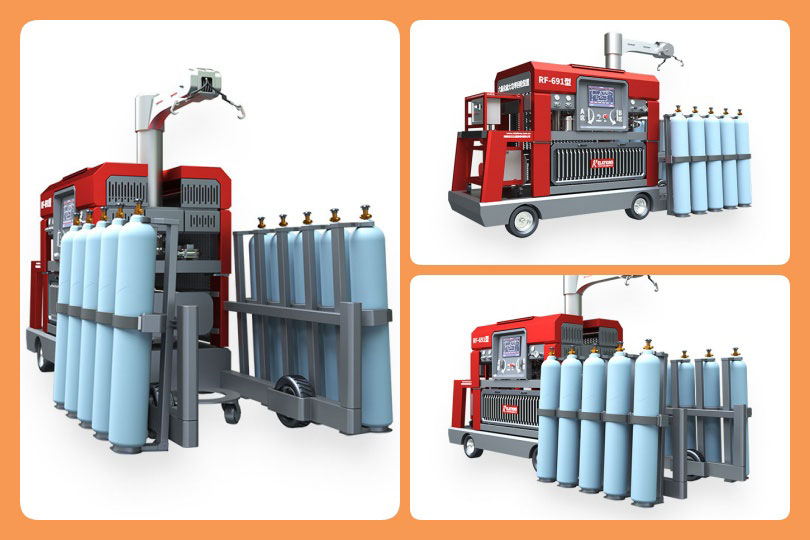
Use SF6 recovery units designed for high-voltage gas handling. The system should recover gas efficiently, minimize emissions, and prevent cross-contamination. Hoses, valves, compressors, filters, and storage cylinders must be clean, dry, pressure-rated, and compatible with SF6 service.
2. Store Gas in Approved Cylinders
Recovered SF6 should be stored in properly labeled cylinders or tanks. Cylinders should indicate gas source, recovery date, pressure, weight, and preliminary condition where applicable. Mixing unknown gas sources without testing is not recommended.
3. Analyze Gas Quality
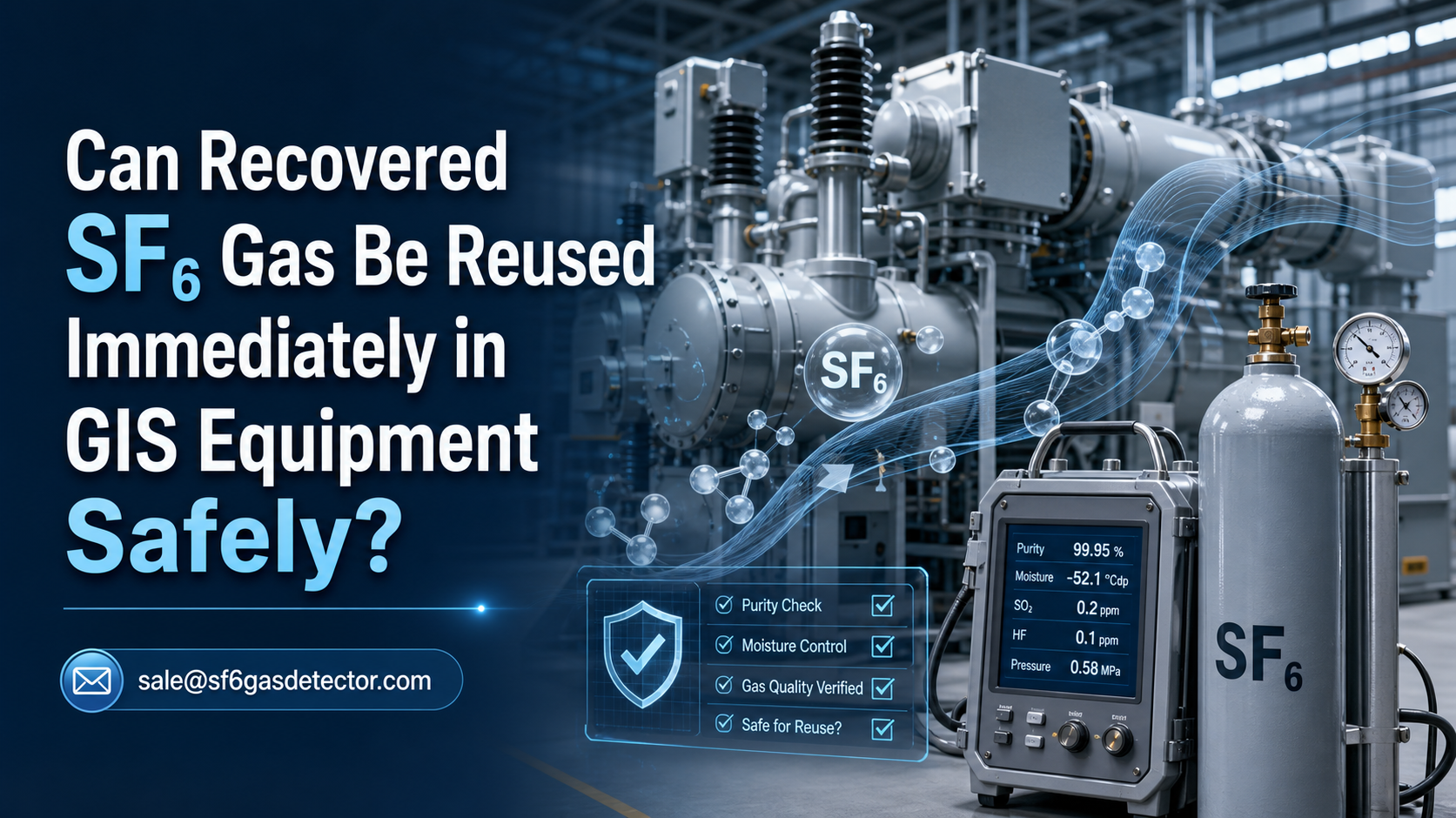
Before deciding whether recovered SF6 gas can be reused immediately, perform on-site or laboratory analysis. A portable SF6 gas analyzer can measure purity, humidity, SO2, and other key indicators. Calibration and sensor maintenance are essential for reliable readings.
4. Purify or Regenerate When Needed
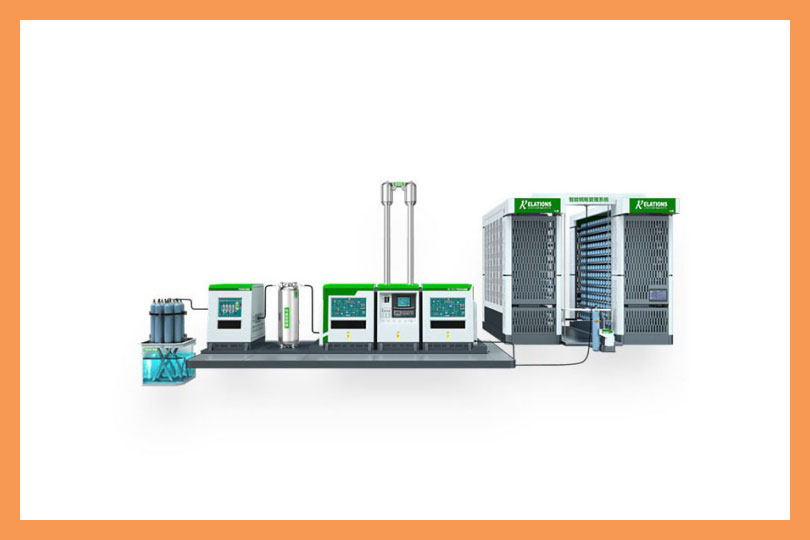
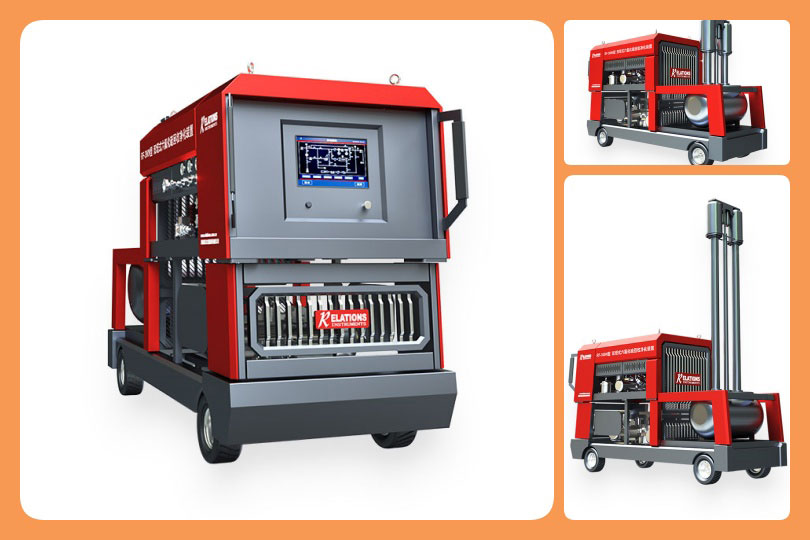
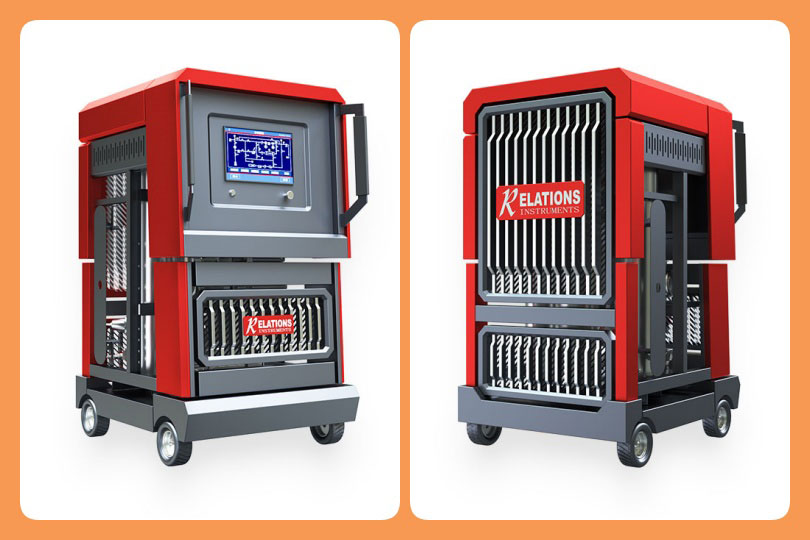
If the gas fails reuse criteria, it should pass through filtration, drying, adsorption, or regeneration equipment. Professional SF6 recovery and purification systems can remove moisture, air, decomposition products, and particulates to bring the gas back within acceptable limits.
5. Confirm Compliance Before Refilling GIS Equipment
After treatment, retest the gas and document the results. Only qualified gas should be transferred back into GIS compartments. During refilling, follow manufacturer procedures for evacuation, pressure control, density monitoring, leak testing, and final gas quality confirmation.
For utilities planning SF6 gas recycling programs or substation maintenance projects, technical teams can request a free application consultation by emailing [email protected]. Engineer-led guidance can help match recovery, purification, and detection equipment to actual GIS operating conditions.
Key Application Scenarios
Routine GIS Maintenance
During scheduled inspection or component replacement, SF6 may be recovered from a gas compartment and reused after verification. This is common in substations where downtime, gas cost, and environmental performance are tightly managed.
Leak Repair and Gas Refill
When GIS equipment has experienced a leak, recovered gas may contain air and moisture. Immediate reuse without analysis can introduce contamination back into the repaired compartment. Leak repair should be followed by evacuation, gas quality testing, and controlled refilling.
Equipment Decommissioning
At the end of GIS service life, SF6 should be fully recovered. Qualified gas may be reused in other assets, while contaminated gas should be regenerated or sent to an approved treatment facility according to regulatory requirements.
Emergency Field Service
In urgent restoration work, teams may want to reuse available recovered gas quickly. Even in emergency conditions, minimum quality checks are necessary to avoid creating a larger equipment failure. Portable analyzers and mobile purification units are valuable in these situations.
Purchasing Guide: Equipment Needed for Safe SF6 Gas Reuse
Selecting the right SF6 handling equipment depends on GIS voltage level, gas volume, maintenance frequency, site mobility requirements, and regulatory documentation needs. Buyers should evaluate both technical performance and long-term service support.
| Equipment Type | Main Function | Important Selection Points | Suitable Users |
|---|---|---|---|
| SF6 recovery unit | Recovers gas from GIS compartments | Recovery speed, final vacuum, compressor reliability, emission control | Utilities, substations, service contractors |
| SF6 purification system | Removes moisture and contaminants | Filter capacity, adsorption efficiency, regeneration ability | Maintenance teams handling reused gas |
| Portable SF6 gas analyzer | Tests gas before reuse | Purity, dew point, SO2 channels, calibration support, response time | Field engineers and QA teams |
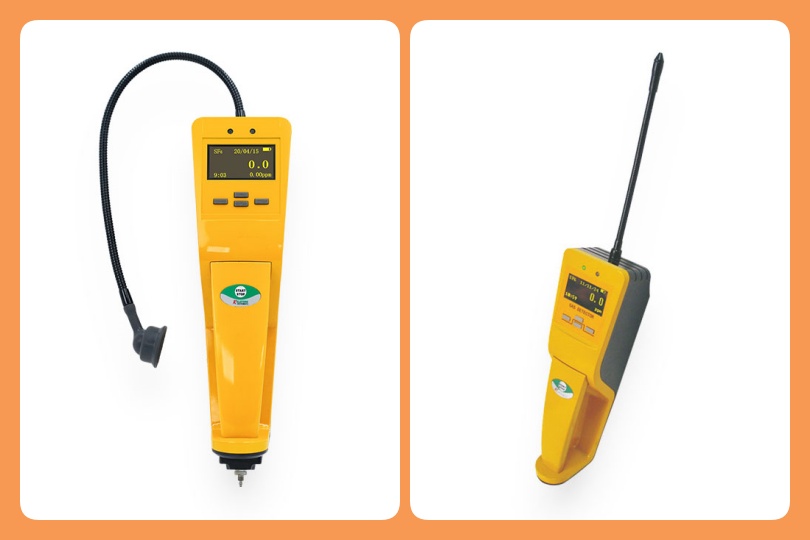
| SF6 leak detector | Identifies leakage points | Sensitivity, response speed, alarm mode, portability | Inspection teams and commissioning crews |
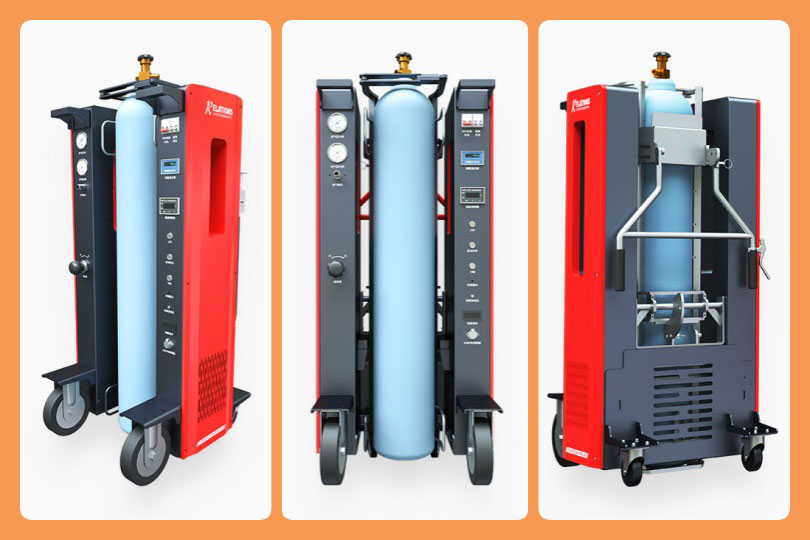
| Vacuum pump and filling cart | Evacuates and refills GIS compartments | Vacuum level, pressure control, flow stability, safety interlocks | GIS installation and repair teams |
For project-specific equipment selection, buyers may contact [email protected] to receive customized on-site SF6 gas recovery and GIS equipment maintenance solutions based on gas volume, voltage class, and operational workflow.
Operational and Safety Considerations
SF6 is non-flammable and chemically stable under normal conditions, but decomposition products formed by arcing or overheating can be hazardous. Personnel should use appropriate personal protective equipment, ensure proper ventilation, and follow lockout-tagout, pressure vessel, confined space, and electrical safety procedures where applicable.
All gas handling should be performed by trained technicians. Cylinders must be protected from mechanical damage and excessive heat. Equipment should be maintained according to manufacturer instructions, and measuring instruments should be calibrated at recommended intervals. Documentation should include recovery quantity, reuse quantity, emissions if any, gas quality records, and equipment identification.
Frequently Asked Questions
Can recovered SF6 gas be reused immediately in GIS equipment after normal maintenance?
Only if gas quality testing confirms that it meets the required reuse specifications. In most professional workflows, recovered SF6 gas is analyzed first and purified if necessary before being returned to GIS equipment.
What happens if contaminated SF6 is reused?
Contaminated SF6 may reduce insulation strength, increase moisture-related corrosion, introduce acidic byproducts, and raise the risk of partial discharge or internal failure. It can also create safety and compliance problems.
Is purified recovered SF6 equivalent to new SF6 gas?
Properly regenerated SF6 can often meet reuse standards for service gas, but it should be judged by verified test results. New gas and used regenerated gas may be governed by different specifications, so the application requirement must be checked.
Which standard should be followed for used SF6 gas?
IEC 60480 is commonly referenced for guidelines on checking and treating used SF6 gas. IEC 60376 applies to new SF6 gas. Local regulations, utility rules, and GIS manufacturer requirements should also be followed.
Do I need both an SF6 analyzer and a leak detector?
Yes, they serve different purposes. An SF6 analyzer evaluates gas quality for reuse, while a leak detector locates emission points around GIS equipment, valves, flanges, and pipe connections.
How can I choose the right SF6 recovery and purification solution?
The best choice depends on gas volume, GIS voltage class, maintenance frequency, mobility needs, and documentation requirements. Industrial users can email [email protected] for one-on-one guidance from engineers on SF6 recovery, testing, purification, and reuse workflows.
Conclusion
Recovered SF6 gas can support cost savings, environmental responsibility, and efficient GIS maintenance, but it should not be reused immediately unless its quality has been verified. Before returning recovered SF6 gas to GIS equipment, operators should test purity, moisture, air content, decomposition products, and overall cleanliness. When results fall outside accepted limits, purification or regeneration is necessary. By following IEC-based practices, manufacturer instructions, and disciplined gas handling procedures, utilities and industrial maintenance teams can safely reuse SF6 while protecting high-voltage equipment reliability and regulatory compliance.