Preventative Maintenance Tools for GIS Substations | Factory Direct Inquiry

Date
2026-10-13
[email protected]
Website
www.sf6gasdetector.com
Get Solutions And Quotes
Contact Factory
Preventative Maintenance Tools for GIS Substations | Factory Direct Inquiry
Gas-insulated switchgear (GIS) substations are designed for compact installation, high dielectric performance, and dependable operation in demanding transmission and distribution environments. However, their enclosed design also makes condition monitoring and early fault detection essential. Selecting the right Preventative maintenance tools for GIS substations helps operators identify insulation degradation, gas-quality issues, partial discharge activity, and mechanical defects before they become costly outages.
A well-planned maintenance program combines qualified personnel, calibrated instruments, documented procedures, and compliance with applicable IEC standards. For utilities, industrial plants, rail systems, offshore facilities, and data-center power networks, Preventative maintenance tools for GIS substations support safer operation, improved asset availability, and lower lifecycle costs.
Why GIS Preventative Maintenance Matters
GIS equipment typically uses SF₆ or alternative insulating gases to provide dielectric insulation and arc-quenching capability. Although GIS systems are sealed and require less routine intervention than air-insulated switchgear, they are not maintenance-free. Gradual gas leakage, moisture ingress, decomposition by-products, electrical discharge, contact wear, and operating-mechanism problems can affect reliability.
Effective Preventative maintenance tools for GIS substations enable maintenance teams to move from time-based inspections toward condition-based decision-making. Instead of opening equipment unnecessarily, technicians can collect meaningful diagnostic data through gas analysis, leak detection, partial discharge monitoring, and mechanical testing.
Key maintenance objectives include:
- Maintaining gas pressure and density within manufacturer-specified limits
- Verifying gas purity, moisture content, and decomposition-product levels
- Locating SF₆ leaks promptly to reduce emissions and operational risk
- Detecting internal partial discharge before insulation failure occurs
- Confirming circuit breaker, disconnector, and earthing-switch performance
- Producing traceable records for compliance, planning, and asset audits
Essential Preventative Maintenance Tools for GIS Substations
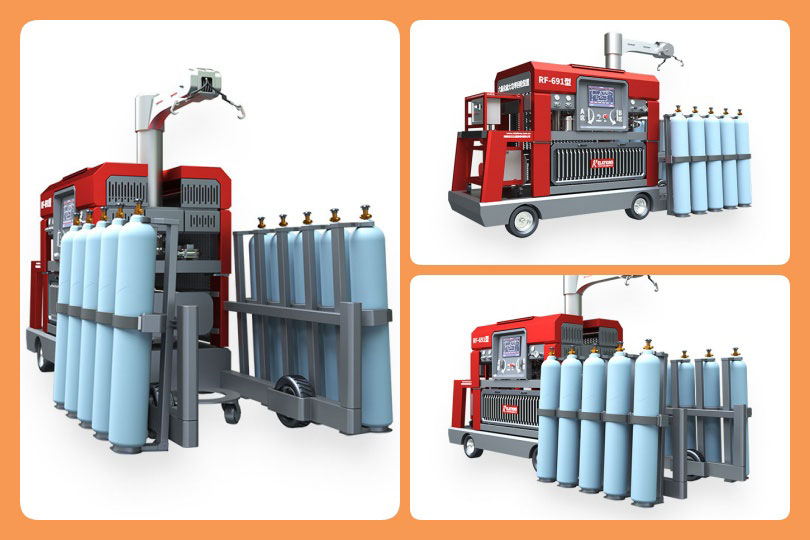
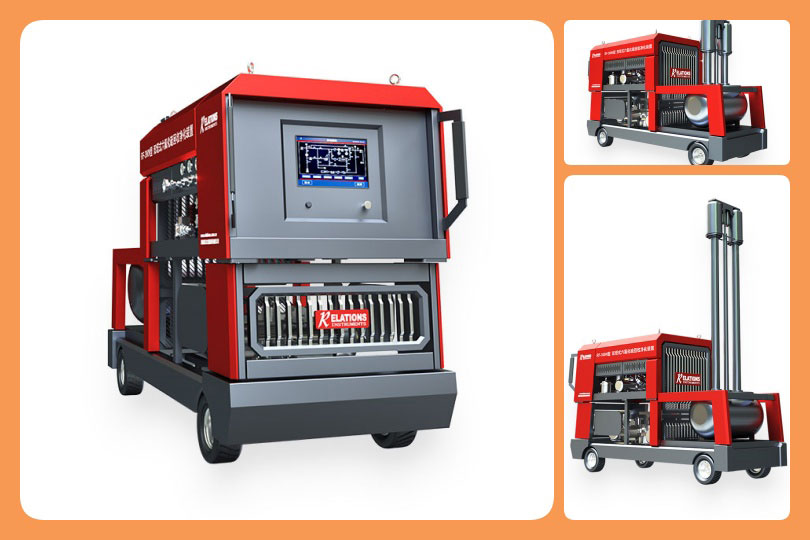
SF₆ Gas Quality Analyzers
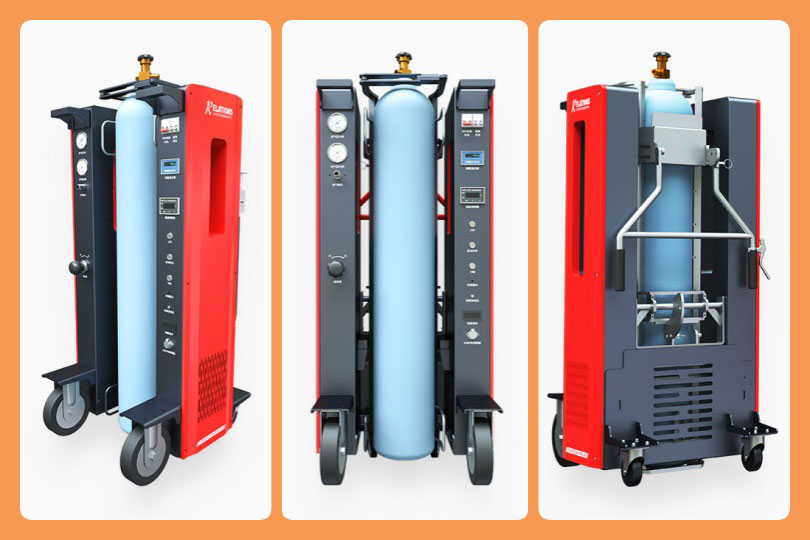
An SF₆ gas analyzer is one of the most important Preventative maintenance tools for GIS substations. It measures critical parameters such as SF₆ purity, dew point or moisture concentration, and decomposition products including SO₂, H₂S, HF-related indicators, or CO, depending on the instrument configuration.
Gas quality testing supports maintenance decisions without requiring invasive internal inspection. Elevated moisture can reduce dielectric strength and contribute to corrosion, while decomposition products may indicate arcing, overheating, or partial discharge activity.
For professional use, select analyzers with stable sensor performance, automatic gas recovery or low-gas-consumption designs, and clear calibration documentation. Measurements should be interpreted according to equipment manufacturer limits and relevant guidance in IEC 60480 for reused SF₆.
SF₆ Leak Detectors
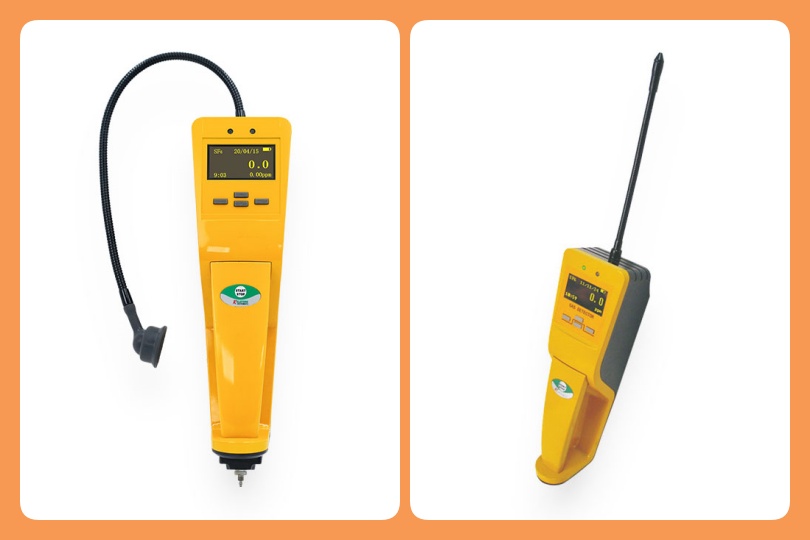
Leak detection is another core function of Preventative maintenance tools for GIS substations. Even small SF₆ leaks can gradually reduce gas density, increase operating costs, and create environmental compliance concerns because SF₆ has a high global warming potential.
Portable electronic leak detectors are used around flanges, density-monitor connections, filling valves, bushings, pressure-relief devices, and enclosure joints. High-sensitivity instruments can help maintenance teams isolate leakage points during planned inspections.
A practical program combines handheld leak detection with pressure or density trend analysis. This approach helps distinguish between a localized external leak and a broader gas-system issue. For projects requiring tailored test ranges, sampling connections, or technical documentation, request one-on-one guidance from engineers before selecting field instruments.
Partial Discharge Detection Equipment
Partial discharge (PD) is a localized electrical discharge that may occur inside insulation defects, voids, contaminated surfaces, or poorly assembled GIS compartments. If left undetected, PD can progress into dielectric breakdown.
Common GIS partial discharge diagnostic methods include:
- Ultra-high-frequency (UHF) monitoring
- Transient earth voltage and electromagnetic sensing
- Acoustic emission detection
- IEC 60270-based electrical PD measurement, where suitable
- Online continuous monitoring systems for critical assets
Among Preventative maintenance tools for GIS substations, UHF PD systems are widely applied because GIS enclosures can act as effective electromagnetic waveguides. Technicians should use approved sensor locations and follow site safety procedures when conducting measurements near energized equipment.
Circuit Breaker Timing and Mechanical Test Sets
GIS reliability depends not only on insulation condition but also on the mechanical performance of circuit breakers and switching devices. Circuit breaker analyzers measure opening and closing times, pole simultaneity, contact travel, velocity, coil current, and auxiliary-contact behavior.
These Preventative maintenance tools for GIS substations are particularly valuable after major operations, fault interruption, scheduled overhauls, or suspected mechanism problems. Abnormal timing differences may indicate worn linkages, weak springs, hydraulic or pneumatic issues, incorrect control voltage, or deteriorating coils.
Testing should be performed according to the equipment manufacturer’s maintenance instructions and the relevant requirements of IEC 62271 series standards.
Compliance Standards and Calibration Requirements
Applicable International Standards
A professional maintenance plan should align with recognized technical and environmental requirements. Depending on the equipment type and work scope, relevant standards may include:
- IEC 62271-203 for gas-insulated metal-enclosed switchgear
- IEC 62271-4 for handling procedures for insulating gases
- IEC 60480 for reused SF₆ and its handling criteria
- IEC 60376 for technical-grade SF₆ quality
- IEC 60270 for partial discharge measurement
- IEC 60529 for enclosure protection classifications
- ISO 9001 quality management requirements for instrument manufacturing and service processes
In addition, site operators must comply with local electrical safety rules, environmental reporting obligations, and employer-specific lockout/tagout procedures.
Calibration and Data Traceability
Reliable results depend on properly maintained equipment. All Preventative maintenance tools for GIS substations should have current calibration certificates traceable to recognized national or international measurement standards where applicable. Teams should record instrument serial numbers, calibration due dates, test conditions, gas compartment identification, ambient conditions, and measured values.
Trend data is often more valuable than a single reading. A small but consistent rise in moisture or decomposition products may require action even when the value remains below an immediate alarm threshold.
Scenario-Based Tool Selection
Routine Annual GIS Inspection
For planned annual maintenance, a portable SF₆ quality analyzer, sensitive leak detector, infrared thermometer, and visual inspection kit are usually appropriate. These Preventative maintenance tools for GIS substations provide a broad overview of gas condition, leakage risk, and external hot-spot indicators without extensive disassembly.
Suspected Insulation Defect
When alarms, abnormal gas by-products, or unexplained trips suggest an insulation issue, prioritize UHF partial discharge equipment, acoustic sensors, and advanced gas analysis. Correlating PD patterns with gas-quality results can help determine whether the issue is localized and whether outage planning is required.
Circuit Breaker Performance Investigation
For slow operation, failure-to-close events, or repeated control alarms, use a circuit breaker analyzer together with coil-current measurement and control-circuit diagnostics. Mechanical test results should be compared with baseline commissioning values and manufacturer tolerances.
For procurement teams seeking reliable instruments with defined measurement ranges, documentation, and export support, a Factory direct inquiry can streamline technical evaluation and quotation planning.
Frequently Asked Questions
How often should GIS gas quality be tested?
Testing frequency depends on voltage level, criticality, manufacturer recommendations, gas-density trends, and previous test history. Many operators perform periodic testing during scheduled maintenance, while critical GIS assets may use continuous or more frequent condition monitoring.
Can preventative maintenance tools detect SF₆ leaks before pressure alarms operate?
Yes. Sensitive electronic leak detectors can identify small external leaks at seals, valves, and joints before gas loss becomes large enough to activate a density alarm. This makes leak detection one of the most cost-effective Preventative maintenance tools for GIS substations.
Are portable GIS diagnostic tools suitable for energized equipment?
Some tools, such as external leak detectors, UHF PD systems, and thermal imaging devices, can be used while GIS remains energized when approved procedures are followed. Gas sampling and mechanical testing may require isolation, depending on the equipment design and site safety rules.
What records should be retained after GIS maintenance?
Keep test reports, gas readings, leak locations, PD results, circuit breaker timing data, calibration certificates, corrective actions, and technician observations. These records create a defensible maintenance history and support long-term asset-management decisions.