SF6 Integrated Gas Station for GIS Substation RFQ: Get Fast Quotes
Date
2026-10-13
[email protected]
Website
www.sf6gasdetector.com
Get Solutions And Quotes
Contact Factory
SF6 Integrated Gas Station for GIS Substation RFQ: Get Fast Quotes
An SF6 integrated gas station for GIS substation RFQ should do more than request a price. It should define the gas handling duties, purity targets, safety controls, site conditions, documentation, and acceptance criteria needed for reliable gas-insulated switchgear (GIS) maintenance. A properly specified integrated station helps utilities, EPC contractors, and industrial substations recover, purify, store, evacuate, and refill SF6 without compromising GIS insulation performance or environmental compliance.
Because SF6 is a potent greenhouse gas, procurement teams need equipment that supports controlled handling, minimizes leakage, and provides traceable operating data. This guide explains how to prepare an effective SF6 integrated gas station for GIS substation RFQ and how to compare supplier proposals on a technical, commercial, and lifecycle basis.
What Is an SF6 Integrated Gas Station?
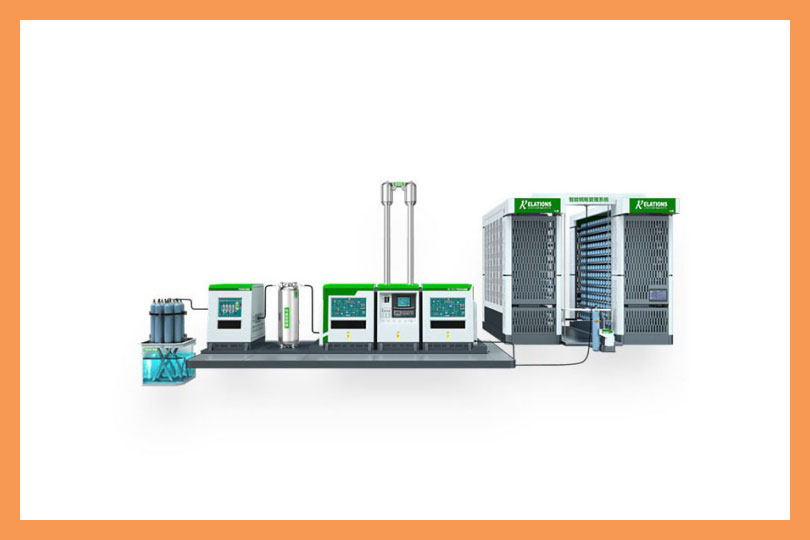
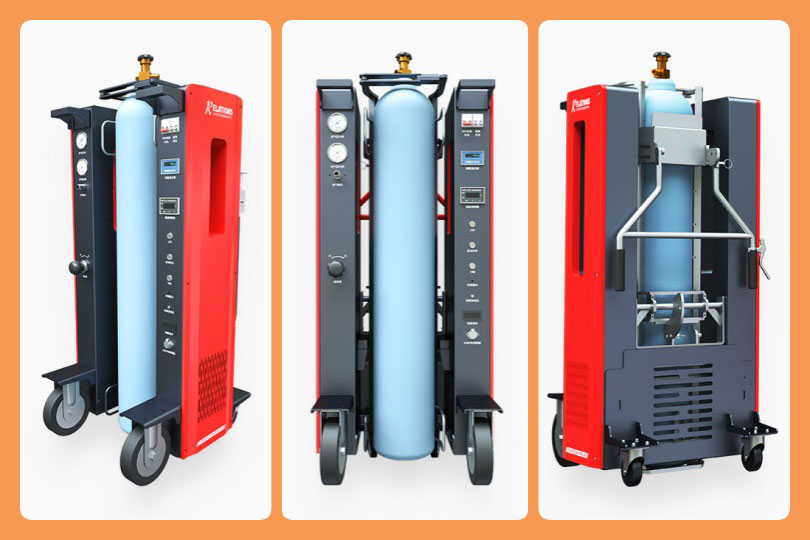
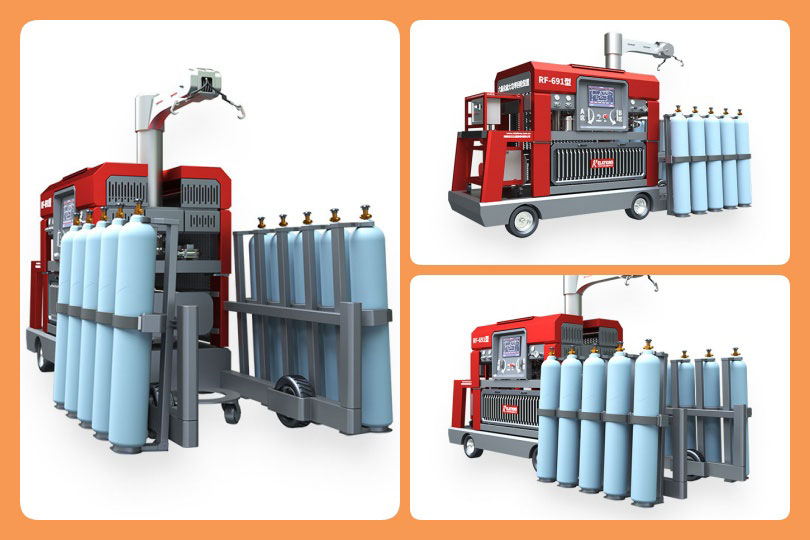
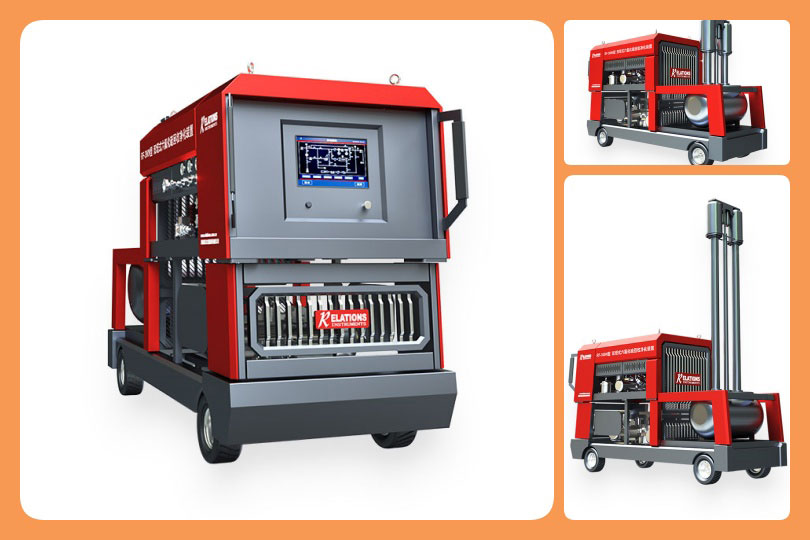
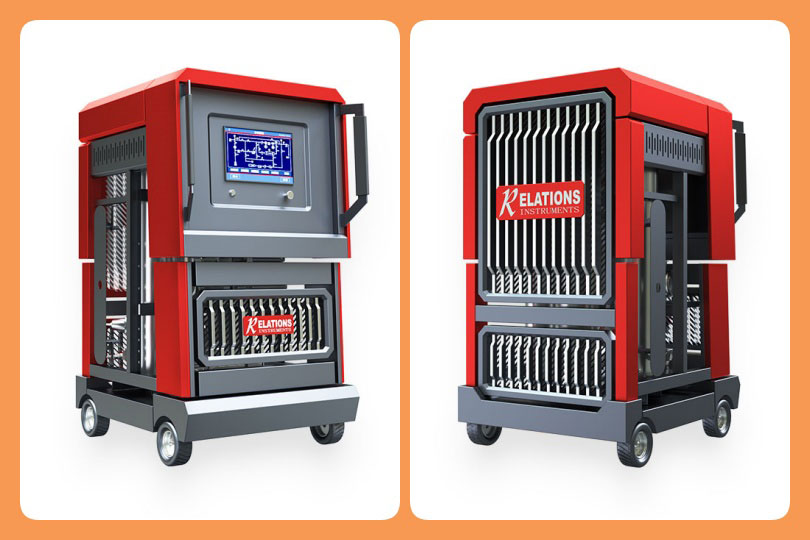
An SF6 integrated gas station is a mobile or skid-mounted gas handling system designed for GIS, circuit breakers, and other SF6-insulated electrical equipment. Rather than using separate vacuum pumps, transfer carts, gas analyzers, and storage cylinders, an integrated station combines key processes in one coordinated package.
Typical functions requested in an SF6 integrated gas station for GIS substation RFQ include:
- SF6 gas recovery from GIS compartments and cylinders
- Vacuum evacuation and pressure holding tests before gas filling
- Filtration and purification to remove moisture, air, oil vapor, and particulate contaminants
- Compression and liquefaction for compact gas storage
- Refilling with measured mass or pressure control
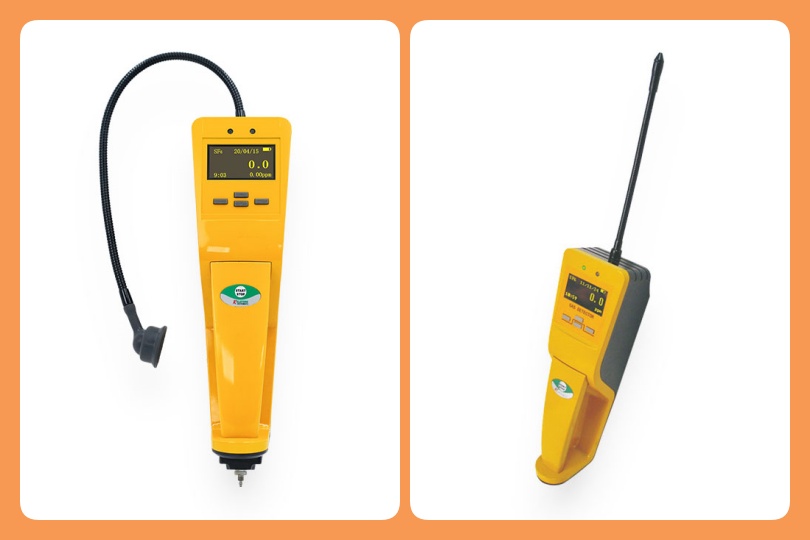
- On-line or portable gas quality measurement
- Alarm, interlock, and data-recording functions
For new GIS commissioning, the station supports evacuation and controlled filling. For maintenance outages, it enables recovery and treatment of existing gas, reducing both gas loss and replacement-gas cost.
Technical Parameters to Include in the RFQ
Gas Processing Capacity and Storage
The first section of an SF6 integrated gas station for GIS substation RFQ should define throughput in kg/h or m³/h, along with the expected annual gas volume. Specify the largest GIS gas compartment, the total substation SF6 inventory, and the desired outage duration. These data allow suppliers to select suitable compressors, vacuum pumps, storage tanks, and hose sizes.
Important parameters include recovery rate, filling rate, ultimate vacuum, storage capacity, maximum operating pressure, and allowable ambient temperature. For outdoor substations, state minimum and maximum site temperatures, altitude, humidity, power supply, and protection requirements for rain, dust, and corrosion.
Gas Quality Requirements
Gas quality requirements should align with the equipment manufacturer’s instructions and applicable IEC guidance. New SF6 commonly follows IEC 60376 requirements, while handling and potential reuse of gas from service equipment should consider IEC 60480. Your RFQ should state acceptable limits for SF6 purity, moisture, air content, acidity, and decomposition products.
A complete SF6 integrated gas station for GIS substation RFQ may request an integrated gas analyzer or compatibility with separate instruments for measuring SF6 concentration, dew point, SO2, HF-related indicators, and other relevant by-products. The exact test configuration should match the maintenance strategy and the type of GIS installed.
Vacuum, Leakage, and Control Performance
Specify the required final vacuum level and pressure-holding period. These requirements are essential because residual moisture and air can affect dielectric performance after refilling. For high-voltage GIS applications, purchasers should also request calibrated pressure gauges, weighing systems, non-return valves, emergency shutoff arrangements, and leak-tight self-sealing couplings.
PLC-based control can improve repeatability by displaying process pressure, temperature, gas mass, running status, and alarms. For utility asset management, ask whether data can be exported through USB, Ethernet, Modbus, or another approved plant communication method.
Compliance and Documentation Requirements
Compliance should be evaluated against the scope of supply, project location, and customer specifications. In general, an SF6 integrated gas station for GIS substation RFQ should request design and operating documentation referencing IEC 62271-4 for handling procedures of SF6 and its mixtures, IEC 60376 for new gas quality, and IEC 60480 for gas reuse guidance.
Where applicable, require conformity documentation for electrical safety, pressure-bearing components, and electromagnetic compatibility. Projects in the European Economic Area may require CE-related documentation, including relevant machinery, low-voltage, EMC, and pressure-equipment obligations. Buyers should verify the final applicability with the supplier and project compliance team rather than accepting generic declarations.
Useful supplier documents include:
- Factory acceptance test (FAT) procedure and signed test report
- Calibration certificates for pressure, vacuum, and weighing instruments
- Welding, pressure-test, and leak-test records for relevant assemblies
- Operation, maintenance, and troubleshooting manuals in English
- Recommended spare-parts list and preventive maintenance schedule
- Quality-management evidence, such as ISO 9001 certification where available
To compare configurations, delivery terms, and documentation packages efficiently, request a product quotation based on your GIS voltage class, gas inventory, and required processing capacity.
Scenario-Based Equipment Selection
New GIS Commissioning
For a new substation, prioritize deep evacuation performance, accurate gas filling, clean hoses, and reliable weighing control. The SF6 integrated gas station for GIS substation RFQ should identify the GIS manufacturer, rated voltage, number of compartments, gas pressure ranges, and commissioning schedule. A compact mobile unit is often appropriate when equipment must move between multiple bays.
Routine Maintenance and Gas Reuse
For maintenance teams that regularly service circuit breakers and GIS, focus on recovery speed, purification capability, and gas-quality verification. A larger storage tank can reduce handling interruptions, while a robust filtration system supports the controlled treatment of recoverable gas. Specify whether contaminated gas must be segregated from compliant reusable gas.
Remote or Harsh-Environment Substations
Remote sites may need reinforced enclosures, low-temperature starting capability, transport wheels or lifting points, long hose assemblies, and simple operator interfaces. Include requirements for generator compatibility, local service support, spare filters, and remote diagnostic capability. These details reduce downtime where specialist resources are not immediately available.
How to Evaluate Supplier Responses
Do not select solely on initial price. Compare each SF6 integrated gas station for GIS substation RFQ response against a uniform technical checklist. Confirm stated capacity at defined operating conditions, gas-contact material compatibility, filtration consumables, warranty scope, delivery period, operator training, and after-sales response time.
Ask suppliers to identify exclusions clearly, especially cylinders, gas analyzers, hoses, lifting equipment, installation support, and site acceptance testing. For complex GIS maintenance projects, one-on-one guidance from engineers can help align the station configuration with actual compartment volumes and field procedures before purchase.
Frequently Asked Questions
What information is essential for an SF6 integrated gas station for GIS substation RFQ?
Provide GIS type, voltage class, total SF6 inventory, largest compartment volume, desired recovery and filling rate, site power supply, ambient conditions, gas quality targets, required standards, and requested delivery date.
Can recovered SF6 always be reused?
No. Reuse depends on measured gas condition, contamination level, purification capability, applicable standards, and the GIS manufacturer’s requirements. Gas that cannot meet the required quality criteria should be managed through an approved recovery or disposal route.
Why is vacuum performance important before SF6 filling?
Effective evacuation helps remove air and moisture from the gas compartment and connected hoses. This supports stable insulation performance and reduces the risk of introducing contaminants into sensitive GIS equipment.
Should the RFQ require FAT and site commissioning support?
Yes. FAT documentation verifies key functions before shipment, while commissioning support helps confirm correct installation, operator familiarity, and safe initial operation at the substation.