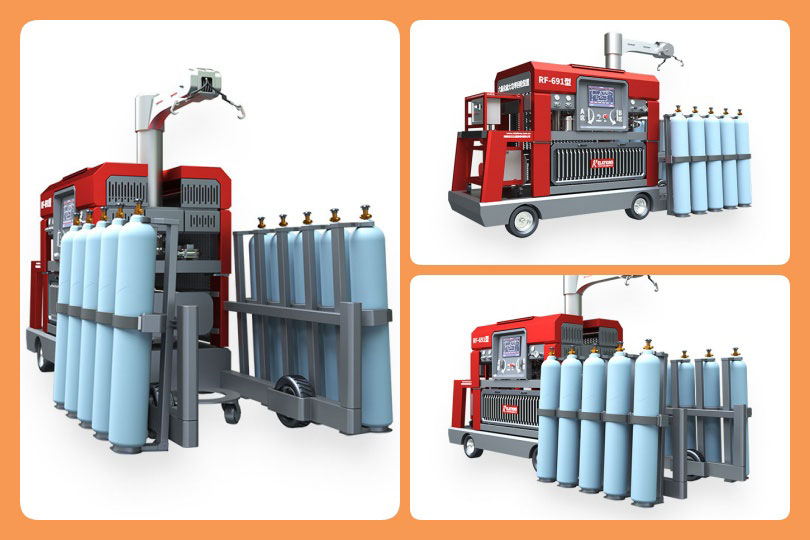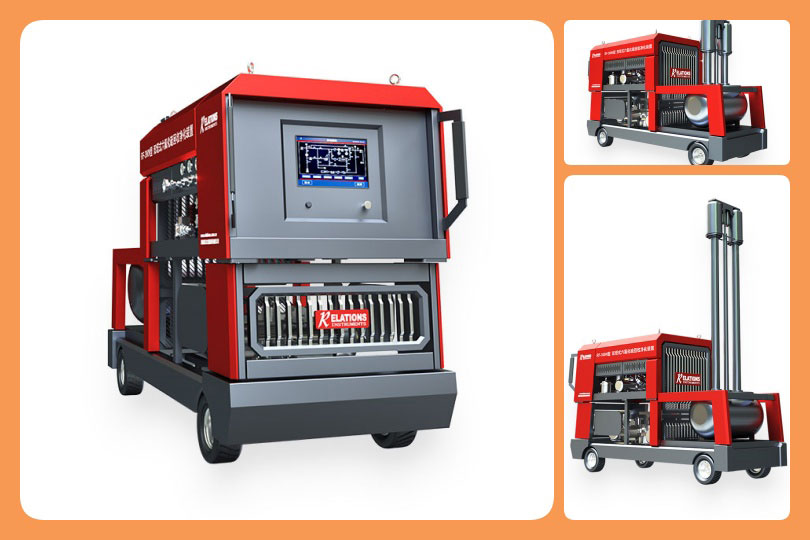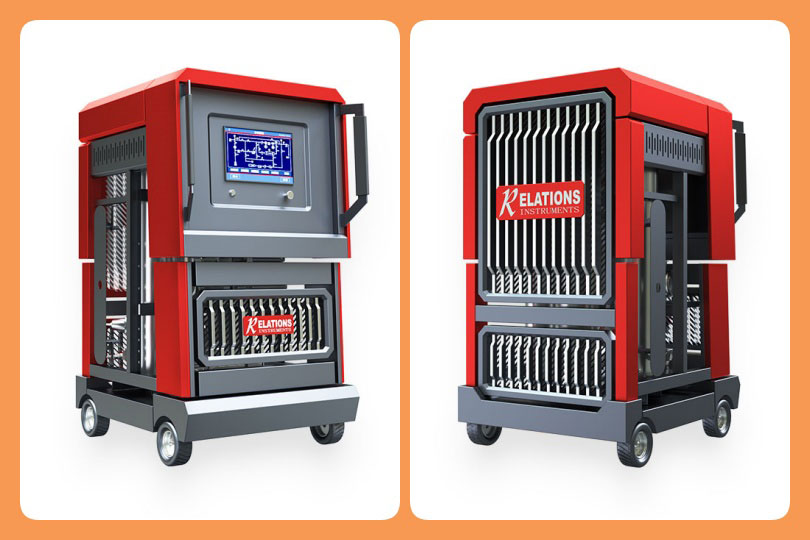
Price of IEC 62271-4 SF6 Gas Handling System
Date
2025-12-16
sale@sf6gasdetector.com
Website
www.sf6gasdetector.com
Get Solutions And Quotes
Price of IEC 62271-4 SF6 Gas Handling System
As global regulations intensify around sulfur hexafluoride (SF6)—a potent greenhouse gas with a global warming potential 23,500 times that of CO₂—electric utilities, transmission system operators (TSOs), and industrial facilities are under mounting pressure to manage SF6 responsibly throughout its lifecycle. Central to this mission is the IEC 62271-4 SF6 gas handling system, the internationally recognized standard for equipment used in SF6 recovery, evacuation, purification, and refilling.
While many procurement decisions begin with the price of IEC 62271-4 SF6 gas handling system, focusing solely on upfront cost can lead to operational inefficiencies, compliance risks, and higher long-term expenses. This article provides a rigorous, professional analysis of what drives pricing, how to evaluate true value, and why certified systems deliver unmatched return on investment.
What Is an IEC 62271-4 SF6 Gas Handling System?
Published by the International Electrotechnical Commission (IEC), IEC 62271-4 specifies technical requirements for mobile or stationary equipment designed to handle SF6 in high-voltage switchgear and gas-insulated substations (GIS). Compliance ensures:
- Safe and complete SF6 recovery (≥99% efficiency)
- Effective removal of moisture, air, oil, and decomposition byproducts
- Leak-tight operation under pressure
- Accurate measurement and documentation capabilities
Only systems independently certified to IEC 62271-4 meet the stringent demands of modern grid operations and environmental regulations like the EU F-Gas Regulation and U.S. EPA Subpart DD.
Key Factors Influencing the Price of IEC 62271-4 SF6 Gas Handling System
The market price varies widely based on performance, technology, and certification rigor. Below are the primary cost drivers:
1. Recovery and Processing Capacity
- Low-capacity units (5–10 kg/h): Ideal for small contractors; priced at 60,000
- Mid-range systems (15–25 kg/h): Standard for utility fleets; range from 100,000
- High-capacity industrial units (30+ kg/h): Used by large TSOs or OEM service teams; cost 160,000+
Higher throughput reduces technician time during critical outages—translating to significant labor savings.
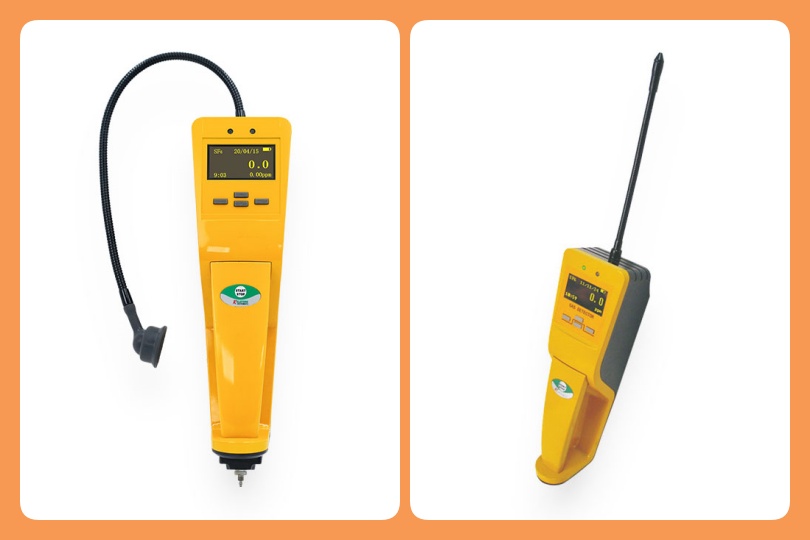
2. Integrated Gas Analyzer
Systems with built-in SF6 gas analyzers add 15,000 but are essential for verifying gas quality per IEC 60480 reuse standards. Advanced analyzers use photoacoustic spectroscopy (PAS) or NDIR technology, offering ±0.1% accuracy—far superior to basic thermal sensors.
3. Filtration and Drying Performance
Multi-stage filtration (particulate + chemical + molecular sieve) and deep vacuum drying (<1 mbar residual pressure) ensure treated gas meets purity thresholds. Premium filtration packages increase system cost by 10–15% but prevent internal GIS corrosion.
4. Certifications and Safety Features
True IEC 62271-4 certification requires third-party testing by accredited labs (e.g., TÜV, CESI). Certified units include:
- Automatic safety interlocks
- ATEX/IECEx for hazardous zones
- Leak-tight quick couplings per ISO 14687
Non-certified “look-alike” systems may cost 20–30% less but lack audit credibility and often fail under real-world conditions.
5. Digital Integration and Reporting
Modern SF6 gas handling systems offer touchscreen interfaces, GPS-tagged leak logs, cloud sync, and EAM integration (e.g., SAP, Maximo). These features enhance compliance and add 10,000 to the base price.
Market Price Benchmarks (2025)
| System Tier | Typical Price Range | Target Users |
|---|---|---|
| Entry-Level Certified | 65,000 | Small service firms, occasional use |
| Professional Grade | 105,000 | Regional utilities, GIS maintenance teams |
| Industrial/High-End | 165,000+ | National TSOs, OEM service networks |
Leading manufacturers—such as DILO (Germany), WIKA, MBW (Switzerland), and ENOTEC (South Korea)—dominate the certified segment with full compliance documentation and global support networks. Low-cost alternatives from uncertified suppliers may start below $35,000 but often compromise on reliability, analyzer accuracy, and long-term serviceability.
Total Cost of Ownership (TCO): Why Price Isn’t Everything
A lower price of IEC 62271-4 SF6 gas handling system can be deceptive. Consider these hidden costs of substandard equipment:
- Gas loss: Inefficient recovery leaves residual SF6, increasing annual emissions and replacement costs (50/kg for virgin SF6)
- Failed audits: Non-compliant handling can trigger fines under EPA or EU regulations
- Equipment damage: Moisture-contaminated gas reintroduced into GIS causes dielectric failure—repair costs exceed $500,000 per bay
- Downtime: Slow or unreliable units extend outage windows, incurring labor and revenue losses
In contrast, a certified system delivers:
- >95% SF6 reuse, saving 60,000 annually per unit
- Regulatory confidence with auditable digital reports
- Reduced risk of catastrophic failures
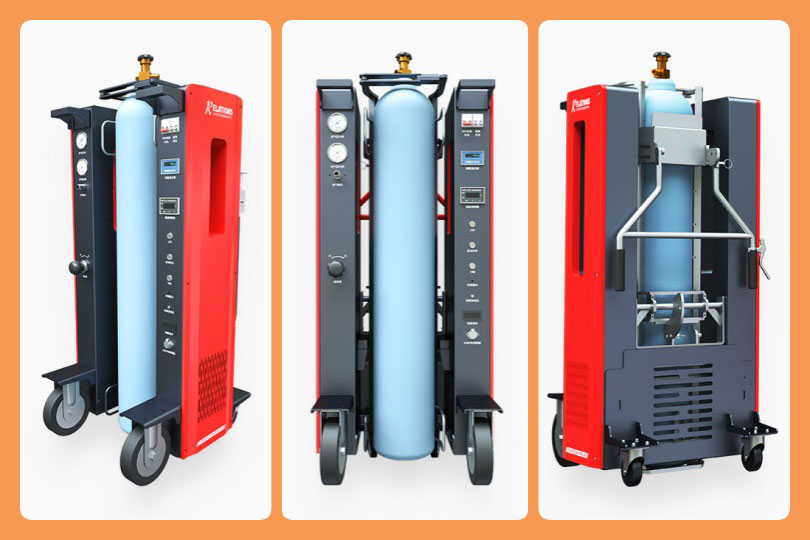
A 2024 CIGRE case study showed a European utility reduced its SF6-related operating costs by 42% within three years of deploying IEC 62271-4-certified handling carts across its network.
How to Evaluate True Value
When comparing the price of IEC 62271-4 SF6 gas handling system, ask:
- Is there a valid Declaration of Conformity and third-party test report?
- Does the analyzer comply with IEC 60376 for accuracy?
- What is the final moisture and air content after treatment?
- Is local service, calibration, and training available?
- Can the system generate automated, compliant reports for ESG or regulatory submissions?
Avoid vendors that claim “IEC-compliant” without certification—this is not sufficient for most grid operators’ procurement policies.
Conclusion: Certification as a Catalyst for Operational Excellence
The price of IEC 62271-4 SF6 gas handling system reflects more than hardware—it represents a commitment to environmental stewardship, grid reliability, and regulatory integrity. In an era where every kilogram of SF6 emissions carries financial, reputational, and legal consequences, investing in a certified system is not just prudent—it’s essential.
For forward-looking utilities and service providers, the question isn’t “How cheap can we go?”—it’s “How resilient do we need to be?” The answer lies in choosing technology that delivers precision, compliance, and long-term value.