Rapid SF6 Gas Recovery and Vacuuming for Leak Repair
Date
2026-01-30
sale@sf6gasdetector.com
Website
www.sf6gasdetector.com
Get Solutions And Quotes
Rapid SF6 Gas Recovery and Vacuuming for Leak Repair
In the modern power grid, Sulfur Hexafluoride (SF6) remains the premier insulating and arc-quenching medium for high-voltage switchgear, ranging from 72.5kV to 500kV systems. However, its significant global warming potential—approximately 23,500 times that of CO2—necessitates rigorous management. When equipment leaks occur, the priority is rapid SF6 gas recovery and vacuuming for leak repair to minimize downtime and environmental impact.
This article explores the technical nuances, equipment requirements, and operational excellence needed to manage SF6 gas during critical maintenance windows.
1. The Critical Role of Rapid SF6 Gas Recovery in Grid Stability
When a gas-insulated switchgear (GIS) or circuit breaker experiences a pressure drop, the dielectric strength of the equipment is compromised. Delaying repair not only risks catastrophic failure but also allows moisture and oxygen to infiltrate the system, creating corrosive byproducts like SOF2 and SO2F2.
Rapid SF6 gas recovery and vacuuming for leak repair is not merely a convenience; it is a safety mandate. Using a high-performance recovery unit—such as one compliant with the DL/T 662 standard—ensures that the gas is extracted safely, purified, and stored without atmospheric release.
Why Speed Matters:
-
Minimized Outage Windows: Every hour a 220kV or 500kV line is down represents significant lost revenue and grid instability.
-
Preventing Arcing Byproducts: Fast recovery prevents the long-term accumulation of toxic decomposition products.
-
Environmental Compliance: Efficient systems ensure a “negative pressure recovery,” capturing nearly 100% of the gas.
2. Technical Architecture of Advanced Recovery Units
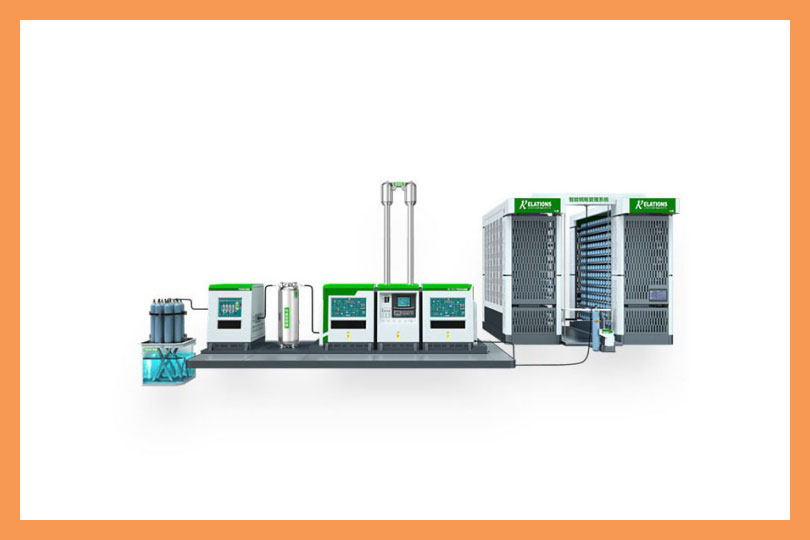
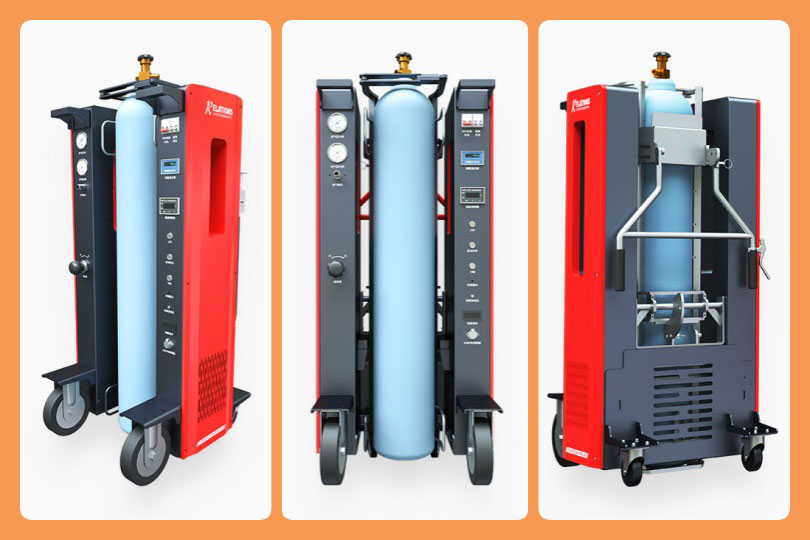
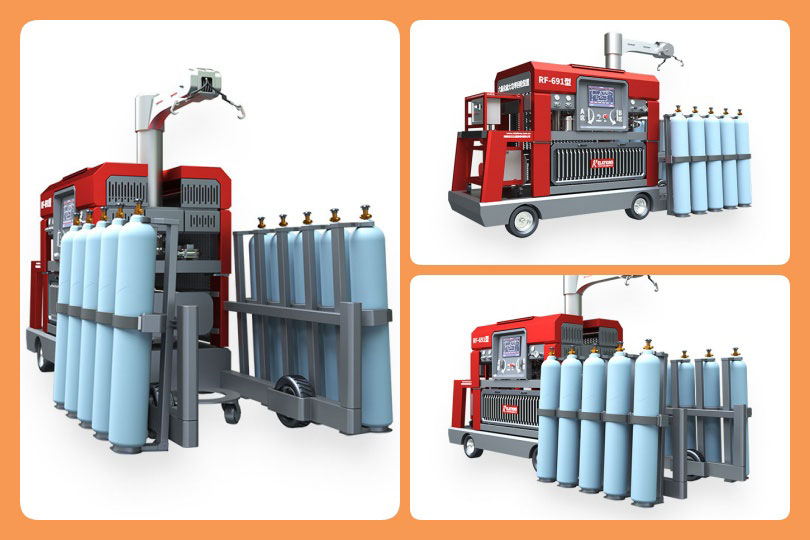
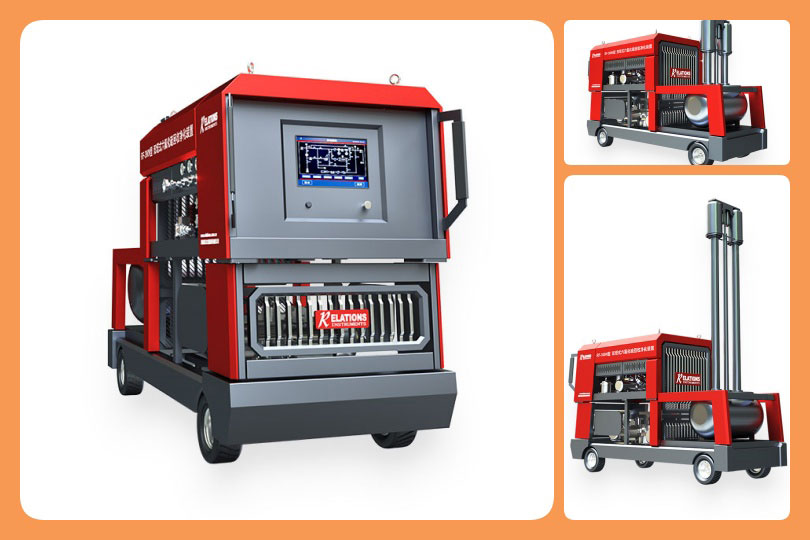
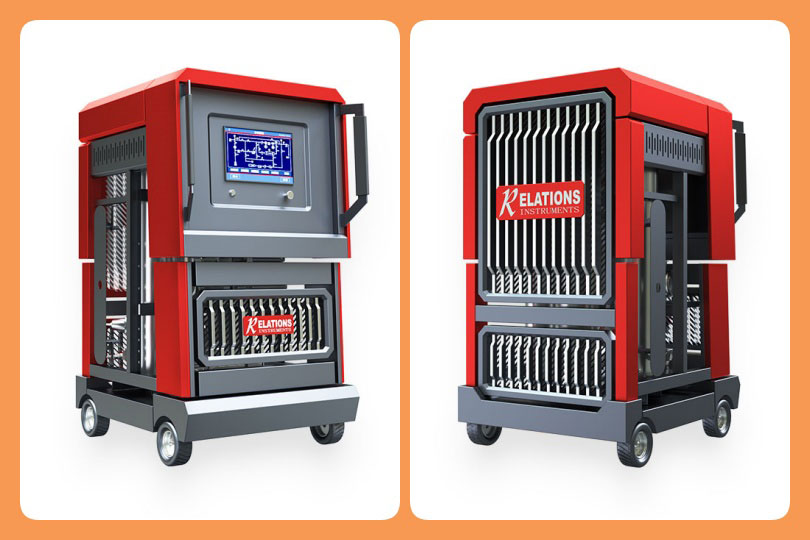
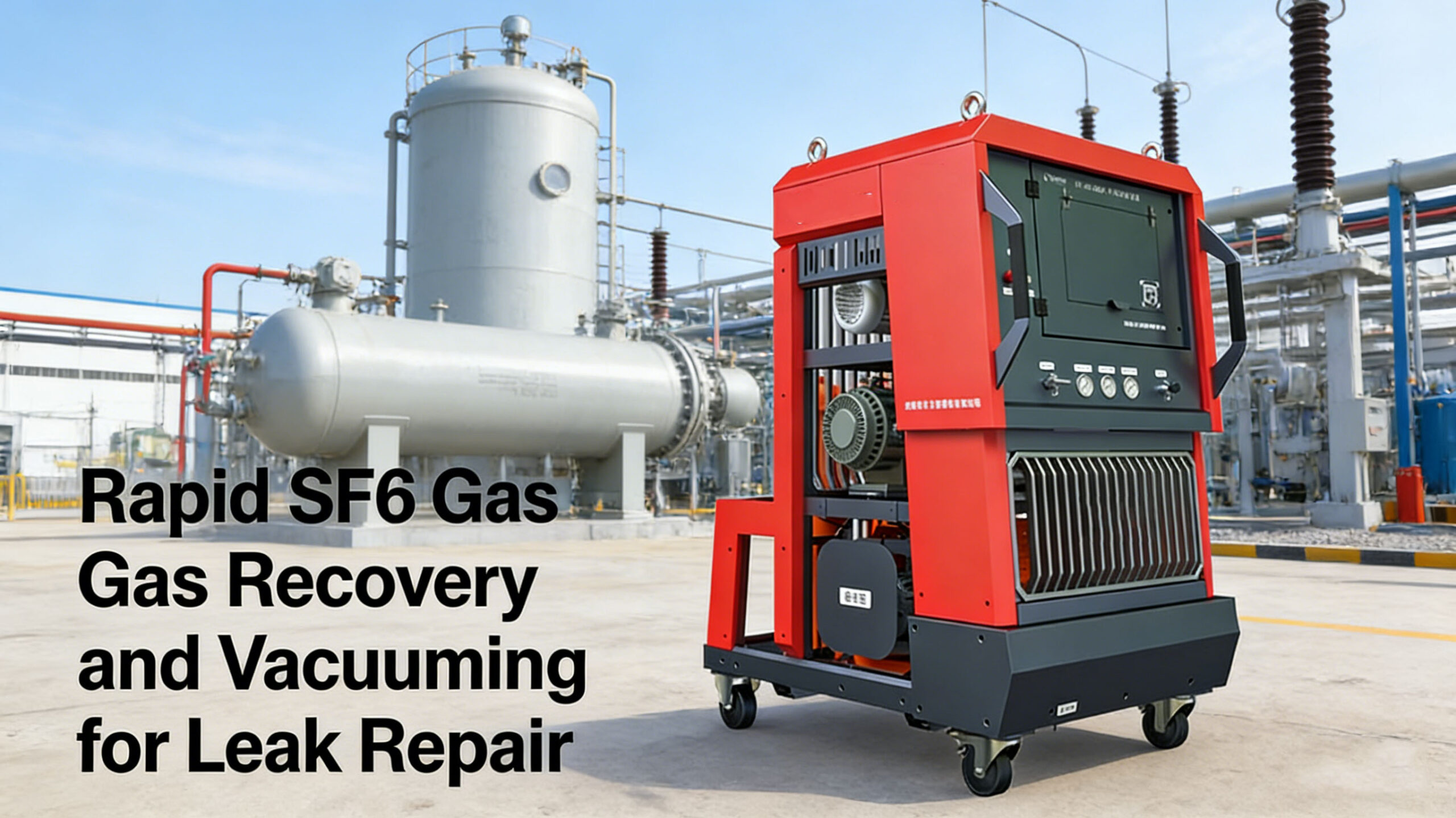
To achieve professional-grade results, the recovery hardware must be a multi-functional powerhouse. Modern units integrate vacuuming, recovery, refilling, and purification into a single modular chassis.
Key Components and Their Functions:
-
The Oil-Free Water-Cooled Compressor: A 15m³/h oil-free compressor is the heart of the system. By eliminating oil, you ensure that the recovered SF6 is not contaminated, making it suitable for immediate reuse.
-
Negative Pressure SF6 Recovery System: This feature allows the device to pull gas even when the internal pressure of the switchgear falls below atmospheric levels, maximizing the recovery rate.
-
Advanced Filtration: To maintain gas purity, filters must remove particles down to ≤1μm, alongside moisture and acidic decomposition products.
3. Step-by-Step: The Process of Rapid SF6 Gas Recovery and Vacuuming for Leak Repair
Professional maintenance follows a strict “Recover-Repair-Vacuum-Refill” cycle. Here is how specialized equipment optimizes this workflow:
Phase I: High-Speed Recovery and Purification
The unit connects via high-pressure hoses (typically DN19 for recovery). The gas passes through a series of filters and a liquefaction system. Utilizing a water-cooled auxiliary recovery system allows the gas to be compressed into liquid form for high-density storage in internal tanks or external cylinders.
Phase II: Vacuuming and Leak Detection
Once the gas is removed, the equipment must be vacuumed to remove all traces of air and moisture. A high-grade vacuum pump with an anti-oil return valve is essential here to prevent pump oil from contaminating the gas chamber. The PLC screen provides real-time monitoring of the vacuum level, allowing technicians to verify the seal’s integrity before proceeding with the physical leak repair.
Phase III: Moisture Removal and Vaporization
Post-repair, the chamber is vacuumed again to a deep level (often <10Pa). Re-filling the gas requires the 1.5kW vaporizer and heating system. This ensures that even in cold climates, the SF6 transitions from a liquid state to a gaseous state efficiently, preventing “freezing” at the valve and ensuring accurate pressure settings.
4. Technical Comparison: Standard vs. High-Efficiency Recovery
-
Filtration Precision: Standard units use 5-10μm; High-Efficiency units use ≤1μm.
-
Recovery Efficiency: Standard units often cover standard pressure only; High-Efficiency units offer Negative Pressure Recovery.
-
Filling Speed: Standard is ambient dependent; High-Efficiency can fill a 40L cylinder in 5-8 mins.
-
Control Interface: Standard uses manual gauges; High-Efficiency uses PLC Touchscreens with real-time data.
-
Purity Management: Standard uses basic moisture traps; High-Efficiency offers active decomposition product removal.
5. Overcoming Environmental Challenges
Rapid SF6 gas recovery and vacuuming for leak repair often takes place in extreme conditions—from desert heat to sub-zero high-altitude substations.
Professional units solve this through customizable cooling methods. While water-cooling is standard for high-capacity compressors (15m³/h), air-cooled or specialized refrigeration modules can be opted for based on regional ambient temperatures. This ensures the output pressure remains stable (up to 50bar) regardless of the external environment.
Always ensure the use of self-sealing couplings (like DN20) during the recovery process to prevent accidental discharge during hose connection or disconnection.
6. Economic Benefits of Investing in Professional Recovery Systems
While the initial capital expenditure for a DL/T 662 compliant unit is higher, the ROI is realized through:
-
Gas Conservation: With SF6 prices fluctuating, recovering and purifying gas for reuse saves thousands of dollars per maintenance cycle.
-
Extended Equipment Life: By filtering out 1μm particles and moisture, you prevent internal corrosion of expensive 500kV breakers.
-
Labor Efficiency: A system that can fill a 40L cylinder in under 8 minutes allows teams to move between substations faster, reducing man-hours.
7. Conclusion: The Future of SF6 Management
As global regulations on greenhouse gases tighten, the “vent and fill” mentality is long dead. The industry standard is now centered on Rapid SF6 gas recovery and vacuuming for leak repair. By utilizing modular, semi-enclosed, and PLC-controlled recovery stations, power utilities can ensure they meet both environmental mandates and grid reliability targets.
The integration of high-capacity oil-free compressors, precision filtration, and versatile charging options (liquid or gas) represents the pinnacle of current gas handling technology.