SF6 Gas Analysis for Utility Substation Maintenance: Spot Problems Early

Date
2026-11-19
[email protected]
Website
www.sf6gasdetector.com
Get Solutions And Quotes
Contact Factory
SF6 Gas Analysis for Utility Substation Maintenance: Spot Problems Early
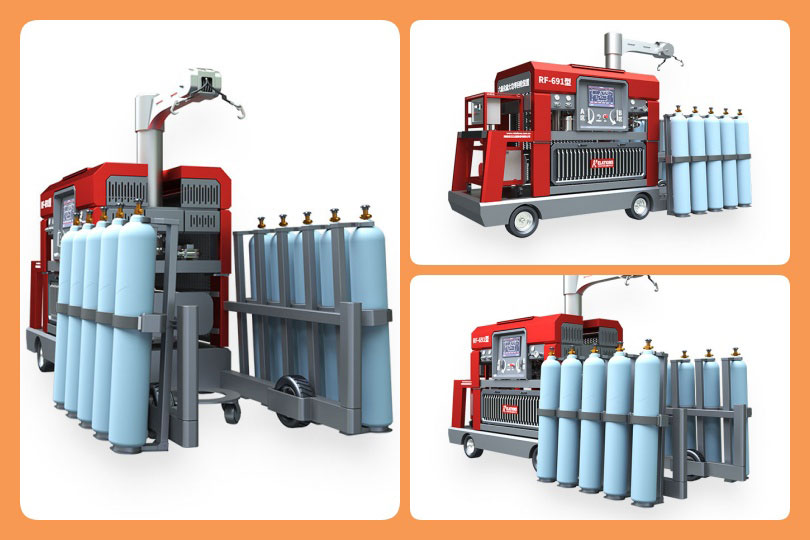
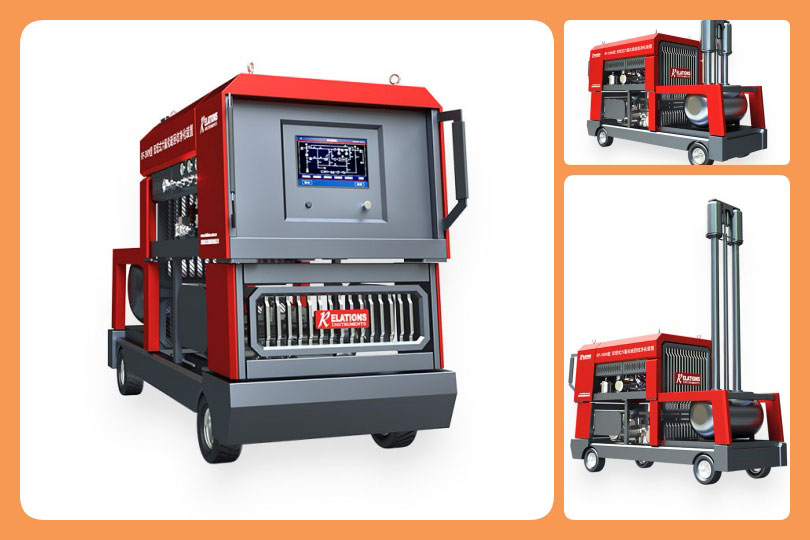
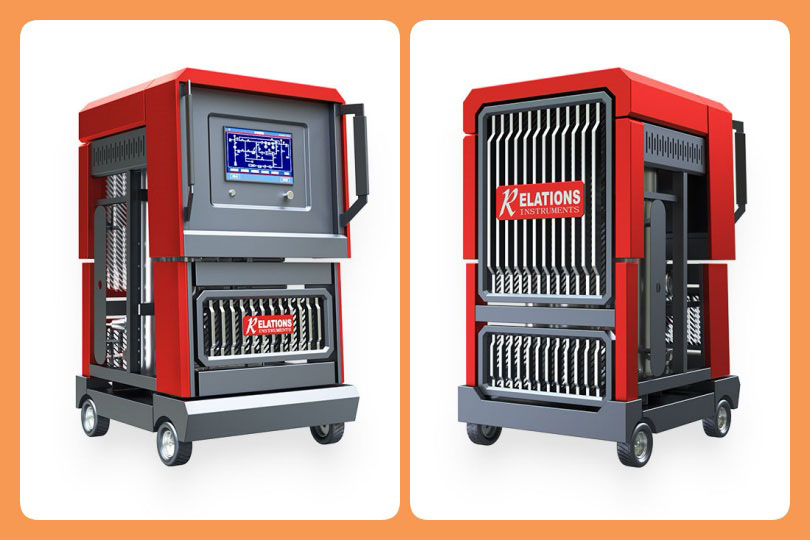
SF6 gas analysis for utility substation maintenance helps utilities assess the condition of insulating gas in gas-insulated switchgear (GIS), circuit breakers, and associated compartments. By measuring purity, moisture, and selected decomposition products, maintenance teams can identify contamination, investigate abnormal operating conditions, and determine whether gas requires treatment or replacement. Reliable decisions depend on representative sampling, calibrated instruments, equipment-specific acceptance criteria, and safe gas handling—not on a single analyzer reading.
Why Gas Condition Matters in Substations
Sulfur hexafluoride provides electrical insulation and arc-quenching performance in equipment designed for its use. Air ingress, moisture, handling contamination, and electrical discharge can alter gas condition. Some decomposition products formed during discharge, particularly in the presence of moisture, are corrosive or hazardous.
SF6 gas analysis complements density monitoring, leak detection, partial discharge assessment, and operating-history review. These methods answer different questions: density monitoring tracks gas inventory relative to operating requirements, while chemical analysis evaluates gas composition. Neither method alone establishes the complete condition of an asset.
Essential Parameters for a Defensible Assessment
A practical SF6 gas analysis for utility substation maintenance program should define the required measurements before selecting instruments or scheduling site work.
| Parameter | Typical reporting format | Maintenance significance |
|---|---|---|
| SF6 purity | Volume percentage | Identifies dilution or contamination that may affect suitability |
| Moisture | Dew point at stated pressure, or ppmv | Supports assessment of condensation risk and moisture-related deterioration |
| Sulfur dioxide | ppmv | Provides an indicator of certain decomposition processes |
| Additional decomposition products | Method-specific concentration | Supports targeted investigation after faults or abnormal findings |
| Gas pressure and temperature | Equipment-appropriate units | Establishes measurement context and supports density assessment |
Interpret Moisture with Pressure in Mind
A dew-point result is incomplete unless its reference pressure is known. Atmospheric-pressure dew point and pressure dew point are not interchangeable. Record sampling pressure, temperature, instrument settings, and any conversion method.
Moisture can adsorb onto tubing and internal surfaces, affecting stabilization time. Use compatible, clean sampling lines and follow the analyzer manufacturer’s conditioning procedure.
Avoid Universal Pass/Fail Thresholds
No single purity, moisture, or decomposition-product limit applies to every maintenance decision. Acceptance criteria depend on equipment design, gas status, operating conditions, and manufacturer instructions.
Distinguish between new gas specifications, recovered gas intended for reuse, and gas already operating inside equipment. A reuse criterion should not automatically become an in-service alarm threshold.
Standards, Calibration, and Regulatory Alignment
SF6 gas analysis for utility substation maintenance should reference applicable standards without treating them as interchangeable certifications.
- IEC 60376 specifies technical-grade SF6 and complementary gases used in relevant electrical equipment.
- IEC 60480 addresses specifications for the reuse of SF6 and its mixtures in electrical equipment.
- IEC 62271-4 provides handling procedures for gases used for insulation and/or switching.
- Applicable IEC 62271 equipment standards, together with manufacturer documentation, establish equipment-specific requirements.
- ISO/IEC 17025 provides requirements for testing and calibration laboratory competence. Check that a laboratory’s accreditation scope covers the relevant service.
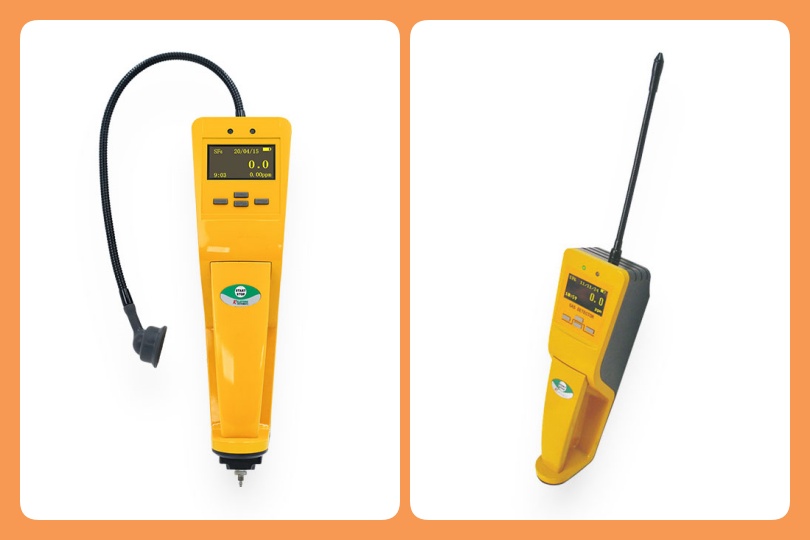
Analyzer procurement should address measurement range, accuracy, resolution, repeatability, cross-sensitivity, operating temperature, sample consumption, and calibration traceability. A general quality-management certificate does not prove analytical accuracy.
Environmental obligations vary by jurisdiction. In the European Union, Regulation (EU) 2024/573 establishes relevant fluorinated-greenhouse-gas requirements, including provisions affecting electrical switchgear. Verify applicable containment, recovery, personnel certification, reporting, and equipment restrictions. Elsewhere, consult national and local requirements rather than assuming EU rules apply universally.
A Controlled Field Sampling Workflow
Prepare the Asset and Sampling System
Confirm compartment identification, gas type, operating status, service history, and the approved work procedure. Apply electrical safety controls appropriate to the task; sampling does not automatically require the same isolation arrangement for every equipment design.
Inspect valves, adapters, seals, and hoses. Confirm analyzer calibration status and sensor suitability. For suspected fault-contaminated gas, conduct a task-specific exposure assessment and select protective equipment accordingly.
Obtain a Representative Sample
Connect through approved fittings and leak-check the sampling arrangement. Condition lines according to the validated procedure, directing displaced gas into a recovery system rather than intentionally releasing it.
Allow readings to stabilize and record flow, pressure, and environmental conditions. Repeat unexpected measurements before making consequential maintenance decisions.
Recover Gas and Preserve Records
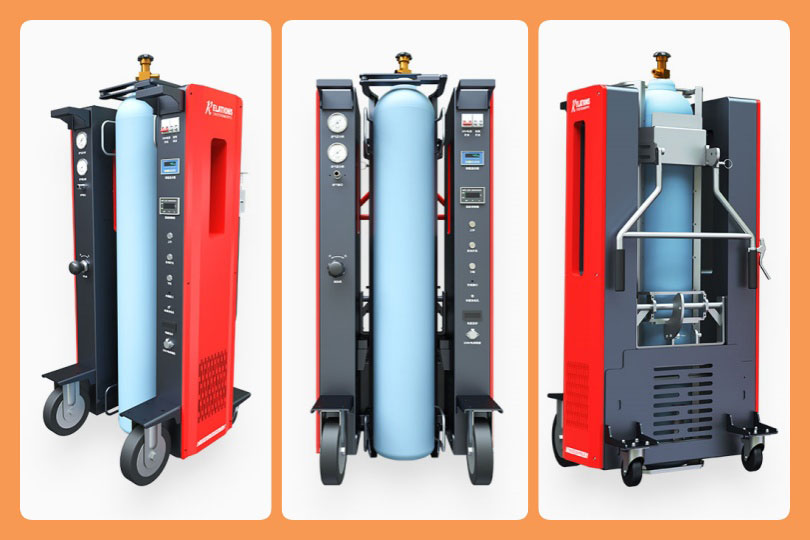
Recover sample gas using compatible equipment. Return it only where permitted by the approved procedure and when its condition is suitable; segregate suspect gas for treatment or disposal.
Record results against the compartment identifier, including instrument serial number, calibration status, operator, date, and any sampling limitations.
Scenario-Based Maintenance Decisions
Routine Inspection of Stable GIS
For equipment with consistent density and no abnormal indications, trend comparable results over time. Establish sampling frequency using manufacturer guidance, asset criticality, operating history, and local obligations—not an arbitrary universal interval.
Elevated Moisture After Servicing
First exclude sampling-line contamination or inadequate stabilization. If confirmed, investigate evacuation, drying, sealing, and filling practices. Gas treatment and equipment drying may be necessary; replacing gas alone may not remove moisture retained on internal surfaces.
Decomposition Products After a Fault
Escalate through the utility’s engineering assessment process. Targeted laboratory testing, inspection, and other diagnostics may be warranted. Chemical results alone cannot reliably identify fault location or justify re-energization.
Frequently Asked Questions
Can a purity test replace full SF6 gas analysis?
No. Acceptable purity does not establish acceptable moisture or decomposition-product levels. Select measurements according to the maintenance objective.
Does analysis detect a gas leak?
Not directly. Leakage assessment requires appropriate methods such as density trending, leak detectors, or other approved techniques. Composition changes may support an investigation but do not quantify leakage.
How should utilities handle conflicting readings?
Check reference pressure, sampling conditions, calibration, sensor limitations, and units. Repeat testing under controlled conditions and use a qualified laboratory when uncertainty remains consequential.
Building a Reliable Maintenance Evidence Base
Effective SF6 gas analysis for utility substation maintenance links representative measurements with documented acceptance criteria, asset history, and engineering judgment. Consistent procedures, competent personnel, and closed-loop gas handling make results more defensible while supporting equipment reliability, worker protection, and environmental compliance.