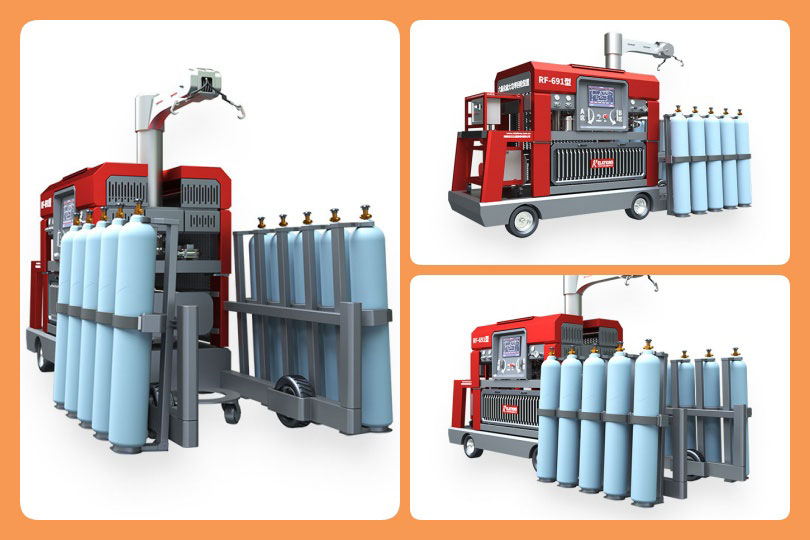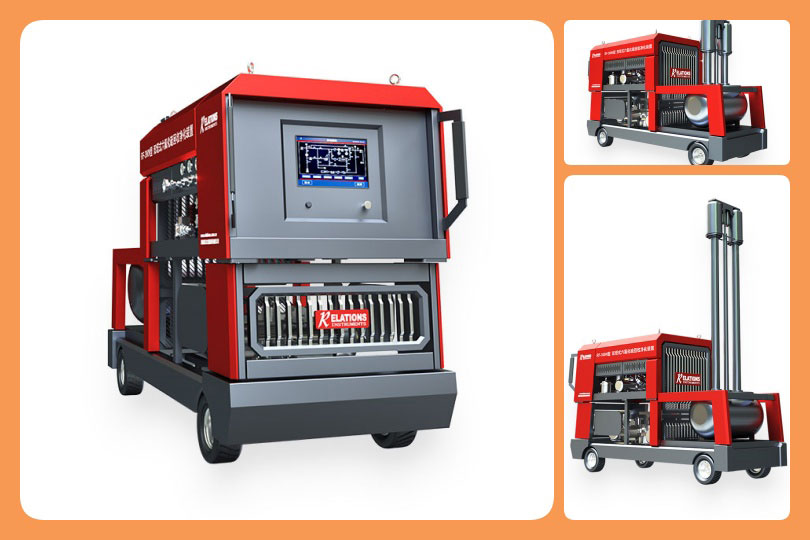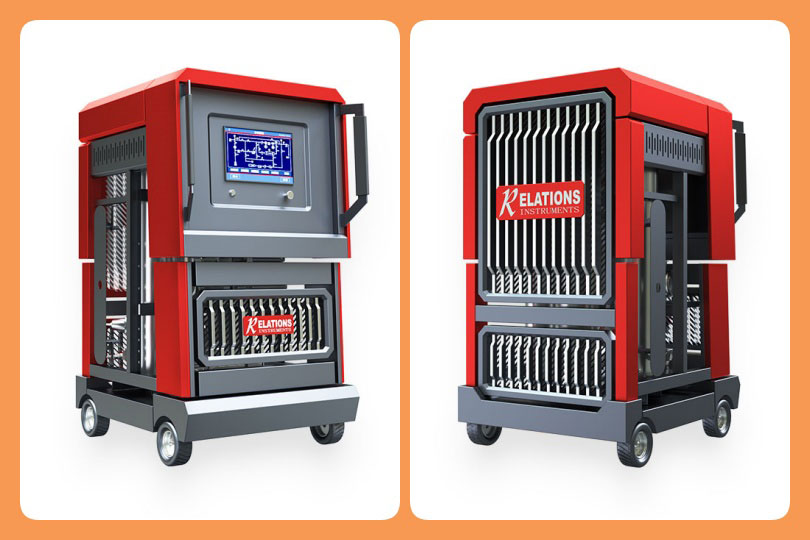
SF6 Gas Analyzer for SF6 Compliance Testing and Rectification During Equipment Maintenance Period
Date
2026-02-26
[email protected]
Website
www.sf6gasdetector.com
Get Solutions And Quotes
SF6 Gas Analyzer for SF6 Compliance Testing and Rectification During Equipment Maintenance Period
In the high-stakes environment of electrical power transmission and distribution, the maintenance of Gas Insulated Switchgear (GIS) and high-voltage circuit breakers is a critical undertaking. Central to this process is the integrity of Sulfur Hexafluoride (SF6) gas. As utilities face increasing pressure to meet stringent environmental regulations while maintaining peak operational efficiency, the use of a sophisticated sf6 gas analyzer for SF6 Compliance Testing and Rectification During Equipment Maintenance Period has become indispensable.
The maintenance period is the only window available for engineers to ensure that the insulating medium remains within safety parameters and to rectify any deviations from national or international standards. To achieve this, a comprehensive, multi-functional gas analysis solution is required—one that not only measures gas quality but also prevents environmental discharge.
1. The Strategic Importance of Compliance Testing in Maintenance
During a scheduled maintenance period, the primary goal is to assess the “health” of the electrical equipment. SF6 gas quality is a direct indicator of internal conditions. Compliance testing involves the simultaneous measurement of purity, moisture (humidity), and decomposition products.
Identifying Internal Faults
High-precision measurement of decomposition products such as Sulfur Dioxide (SO2), Hydrogen Sulfide (H2S), and Carbon Monoxide (CO) allows technicians to diagnose internal arcing or insulation overheating. If these levels exceed the permissible thresholds set by standards like IEC or the State Grid, immediate rectification is required.
Ensuring Dielectric Strength
SF6 Purity must remain above a specific percentage (typically >97-99%) to ensure the gas can effectively quench arcs. An sf6 gas analyzer for SF6 Compliance Testing and Rectification During Equipment Maintenance Period utilizes thermal conductivity principles to verify purity with a maximum error of only +/-0.5%, providing the data necessary for a “Go/No-Go” decision on equipment re-energization.
2. Zero-Emission Technology: Recovery and Refilling
One of the most significant challenges during compliance testing is the potential loss of gas. Traditional testing often vents small amounts of SF6 into the atmosphere. In the era of carbon neutrality, this is no longer acceptable.
Gas Recovery and Refilling (Back-filling)
Advanced SF6 gas analyzers now feature integrated recovery and refilling modules.
-
Direct Refilling: After testing is complete, the gas can be pumped directly back into the original gas chamber (at pressures up to 0.8 MPa), ensuring Zero Loss.
-
External Recovery: Alternatively, gas can be recovered into external cylinders or gas bags. This “Zero Emission, Zero Pollution” target is a cornerstone of modern SF6 compliance testing.
3. Technical Parameters of a Professional SF6 Analyzer
For a maintenance period to be effective, the tools used must be rigorous and accurate. The following technical benchmarks define a professional-grade analyzer:
| Parameter | Performance Value | Measurement Principle |
| SF6 Purity | (0 – 100)% | Thermal Conductivity |
| Humidity (Dew Point) | (-60 to +20) degrees Celsius | Laser or Resistance-Capacitance |
| SO2 Content | (0 – 100) uL/L | Electrochemical |
| H2S Content | (0 – 100) uL/L | Electrochemical |
| CO Content | (0 – 500) uL/L | Electrochemical |
| Input Pressure | (0.4 – 2) MPa | High-Pressure Compatibility |
| Storage Capacity | Up to 10,000 Records | Digital Logging for Big Data |
4. Key Features for Efficient Field Rectification
An sf6 gas analyzer for SF6 Compliance Testing and Rectification During Equipment Maintenance Period must be designed for the realities of the field.
Expert Diagnosis System
The built-in expert system automatically compares measured data against pre-set standards. It determines in real-time whether the equipment is “In Compliance” or requires “Rectification.” This eliminates human error and ensures consistency across different maintenance teams.
One-Click Automation
Maintenance windows are often short. The analyzer features “One-Click Automatic Measurement,” which locks in data once it stabilizes. This speeds up the testing phase, allowing more time for the actual rectification of gas quality or moisture issues.
Mobility and Durability
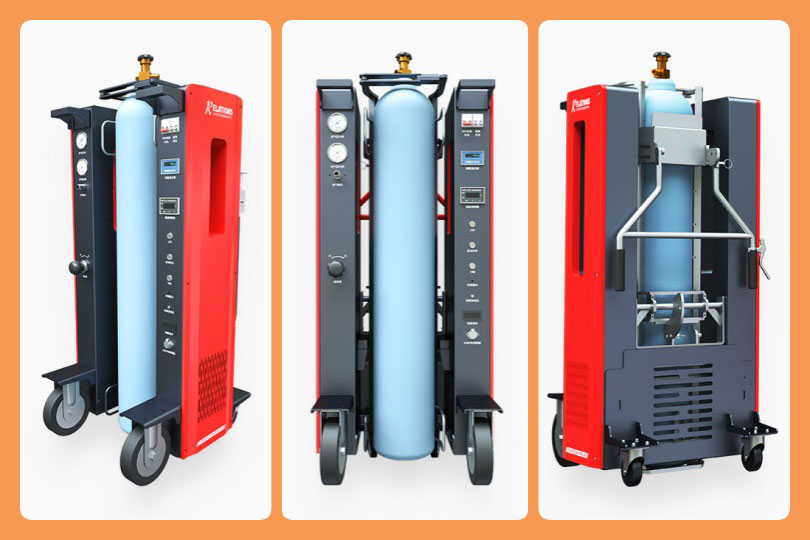
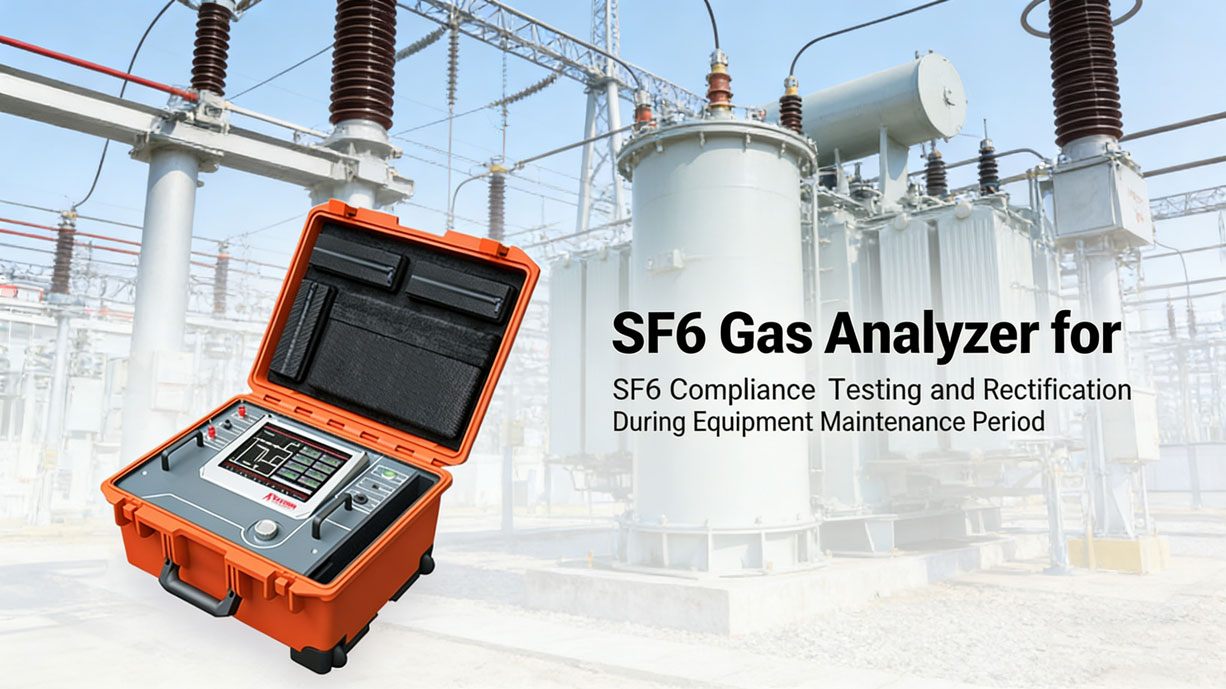
The SF6 gas analyzer is housed in a rugged, trolley-case design with integrated wheels. This allows technicians to easily move the heavy-duty equipment across large substation yards, ensuring that every GIS bay can be tested efficiently.
5. Compliance Rectification Scenarios
What happens when an SF6 gas analyzer detects a failure? The rectification phase is where the analyzer’s versatility truly shines.
Scenario A: High Moisture Content
If the humidity levels are too high, the analyzer facilitates the recovery of the “wet” gas for external processing. Once the internal chamber has been vacuumed and dried, the analyzer can be used to monitor the refilling of purified, dry SF6 gas.
Scenario B: Presence of Decomposition Products
The detection of SO2 or H2S indicates the need for an internal inspection of the switchgear. After the mechanical components are repaired, the sf6 gas analyzer for SF6 Compliance Testing and Rectification During Equipment Maintenance Period is used to verify that the newly filled gas is pure and that no residue from the fault remains.
6. Strategic Value for Power Utilities
Investing in high-end SF6 analysis technology during the maintenance period offers three major benefits:
-
Environmental Stewardship: By utilizing the recovery and refilling functions, utilities can meet their carbon emission reduction targets and avoid regulatory fines.
-
Asset Longevity: Early detection of decomposition products prevents minor faults from becoming catastrophic failures, extending the life of multi-million dollar GIS assets.
-
Data-Driven Maintenance: With a 10,000-record storage capacity and USB data export, utilities can build a historical “Health Profile” for every circuit breaker, shifting from reactive to predictive maintenance.
Conclusion: The New Standard in Substation Maintenance
The use of a comprehensive sf6 gas analyzer for SF6 Compliance Testing and Rectification During Equipment Maintenance Period represents the future of grid management. By combining high-precision detection with zero-emission recovery and expert diagnostic capabilities, this equipment ensures that high-voltage assets operate at peak safety and efficiency levels.
For utilities committed to digital transformation and environmental responsibility, this analyzer is not just a tool—it is a vital component of a resilient, sustainable power infrastructure.