SF6 Gas Density Relay for Wind Power Substations: Get a Factory Quote
Date
2026-09-21
[email protected]
Website
www.sf6gasdetector.com
Get Solutions And Quotes
Contact Factory
SF6 Gas Density Relay for Wind Power Substations: Get a Factory Quote
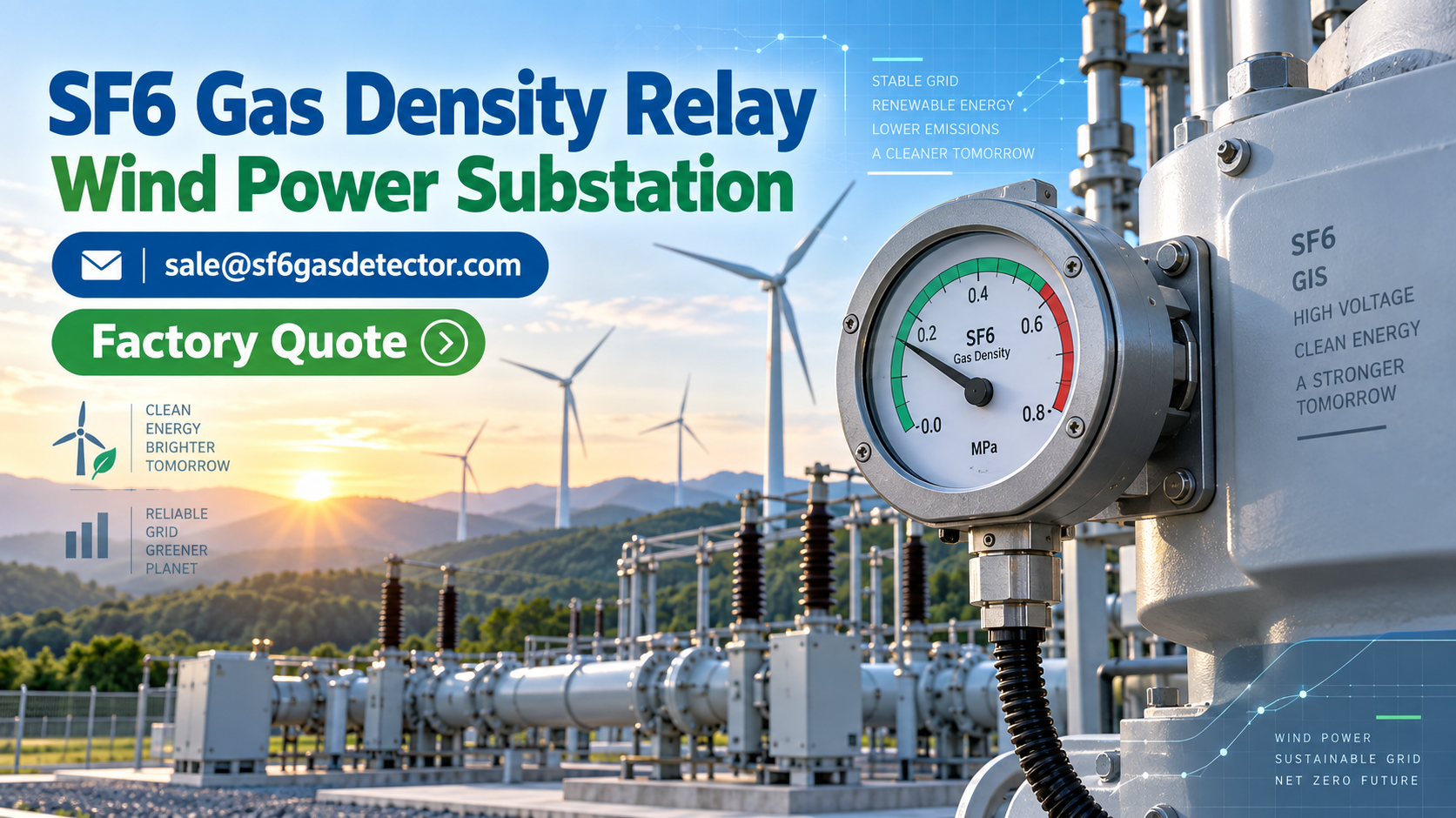
An SF6 gas density relay for wind power substation applications is an essential monitoring device used to protect gas-insulated electrical equipment from insulation and switching-performance risks caused by SF6 gas leakage or pressure loss. In wind farms, substations are often installed in remote, coastal, offshore, high-altitude, or highly variable-temperature environments. These conditions make dependable SF6 density monitoring especially important for GIS, circuit breakers, gas-insulated switchgear, and other medium- and high-voltage assets.
Unlike a conventional pressure gauge, an SF6 gas density relay for wind power substation equipment compensates for temperature changes and responds to the actual gas density within a sealed compartment. This enables accurate alarm and lockout signaling when gas density falls below the defined operating threshold.
Why SF6 Density Monitoring Matters in Wind Power Substations
Wind power operators depend on high equipment availability to maintain generation revenue and grid stability. A gas leak in an SF6-insulated circuit breaker or GIS compartment can reduce dielectric strength, impair interruption capability, and ultimately trigger an unplanned outage.
An SF6 gas density relay for wind power substation systems provides early warning before gas density reaches a critical level. It is commonly installed on:
- SF6 circuit breakers
- Gas-insulated switchgear (GIS)
- Ring main units and compact substations
- Gas-insulated transformers
- High-voltage disconnectors and earthing switches
- Offshore wind farm collector substations
By providing staged electrical signals, the relay helps maintenance teams schedule inspection and gas handling work before a low-density condition develops into a safety or reliability incident.
Density Compensation Versus Standard Pressure Measurement
Gas pressure changes naturally with ambient temperature. A basic pressure gauge may show lower pressure during cold weather even when the amount of SF6 gas has not changed. This can lead to false alarms or inaccurate maintenance decisions.
A properly specified SF6 gas density relay for wind power substation use measures density or delivers pressure readings compensated to a reference temperature, typically 20°C. This makes the device suitable for outdoor wind substations where day-to-night and seasonal temperature fluctuations can be significant.
Key Technical Parameters for Relay Selection
Selecting the correct SF6 gas density relay for wind power substation requires more than matching the process connection. Operators should evaluate the relay against the electrical equipment manufacturer’s rated filling pressure, alarm setpoints, environmental conditions, and control-system interface requirements.
Essential Specification Checklist
Key parameters normally include:
- Rated gas pressure or density: Must match the equipment compartment’s design value.
- Alarm and lockout setpoints: Commonly configured as a pre-alarm stage and a lower lockout stage, subject to OEM requirements.
- Contact arrangement: Normally open, normally closed, changeover, or multiple contact outputs for SCADA and protection circuits.
- Electrical rating: Contact voltage and current ratings should suit the station auxiliary control circuit.
- Accuracy and repeatability: Important for reliable threshold signaling and maintenance planning.
- Ambient operating range: Must accommodate local wind farm temperatures, including offshore cold-start conditions.
- Ingress protection: Outdoor enclosures should provide suitable IP protection against moisture, dust, salt spray, and condensation.
- Process connection: Thread type, mounting orientation, sealing material, and compatibility with the equipment gas compartment must be verified.
For a project-specific configuration, procurement teams can quickly obtain product quotations with required pressure ranges, contact logic, and mounting details.
Compliance Standards and Operational Requirements
An SF6 gas density relay for wind power substation should be specified within the wider compliance framework governing high-voltage switchgear and SF6 gas handling. Product documentation should clearly identify applicable standards, test methods, material specifications, and quality-control procedures.
Relevant international references may include:
- IEC 62271-1 for common specifications for high-voltage switchgear and controlgear
- IEC 62271-100 for high-voltage alternating-current circuit breakers
- IEC 62271-203 for gas-insulated metal-enclosed switchgear above 52 kV
- IEC 60376 for technical-grade SF6 used in electrical equipment
- IEC 60480 for the control and treatment of SF6 taken from electrical equipment
- IEC 62271-4 for handling procedures for SF6 and its mixtures
In addition, wind farm owners should follow local environmental regulations covering fluorinated greenhouse gases, leak prevention, recovery, recycling, and maintenance records. SF6 is highly effective as an insulating medium but has a high global warming potential; therefore, responsible gas management is a core part of asset stewardship.
Quality Documentation for B-End Procurement
For utility, EPC, and OEM purchasing processes, suppliers should be able to provide traceable documentation such as factory inspection records, calibration data where applicable, material declarations, dimensional drawings, wiring diagrams, and test certificates. A transparent factory quote should also state the relay model, setpoint tolerance, contact configuration, quantity, delivery terms, and any customization requirements.
Scenario-Based Selection for Wind Energy Projects
Offshore Wind Farm Substations
Offshore installations demand an SF6 gas density relay for wind power substation with excellent corrosion resistance and reliable sealing. Salt-laden air, vibration, restricted maintenance access, and high downtime costs make robust enclosure design and stable switching performance essential. Specify suitable IP protection, corrosion-resistant materials, and contact outputs compatible with the offshore SCADA architecture.
Remote Onshore Wind Farms
For remote substations, early fault indication is critical because technicians may require several hours to reach the site. A two-stage relay arrangement can transmit an initial low-density alarm to the control center while reserving a second, lower threshold for equipment lockout in accordance with the switchgear manufacturer’s instructions.
Cold-Climate and High-Altitude Sites
At cold or elevated locations, temperature compensation is especially valuable. The selected SF6 gas density relay for wind power substation must be rated for the expected ambient range and installed according to the OEM’s orientation and torque requirements. Engineers should never alter alarm thresholds solely to compensate for seasonal pressure changes without confirming the equipment’s density specifications.
For complex retrofit work or new-build switchgear packages, one-on-one guidance from engineers can help verify setpoints, interface wiring, and compatible connection dimensions before ordering.
Installation and Maintenance Best Practices
Correct installation determines whether an SF6 gas density relay for wind power substation provides dependable long-term service. Before commissioning, technicians should confirm that the relay model, thread connection, seal, and rated operating values match the equipment documentation.
Maintenance practices should include:
- Inspecting for external gas leakage and mechanical damage
- Checking alarm and lockout contact operation during planned maintenance
- Verifying wiring continuity to local panels, RTUs, and SCADA systems
- Recording gas top-up quantities and leakage-related service events
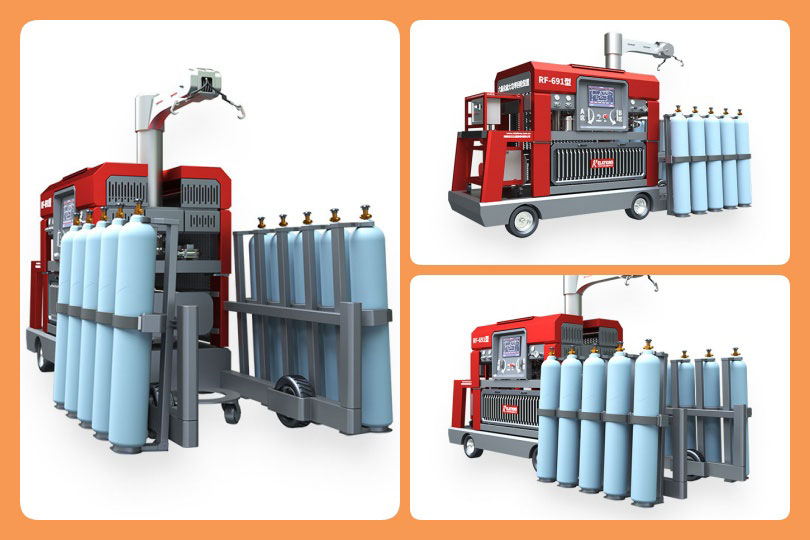
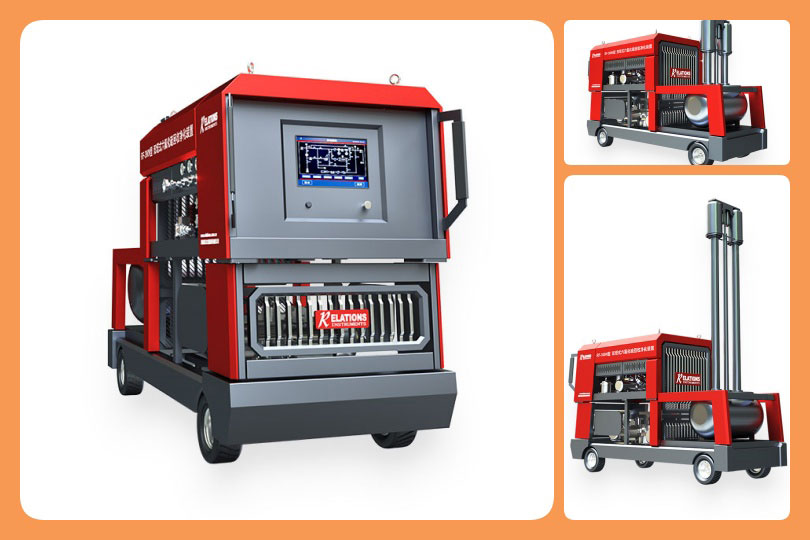
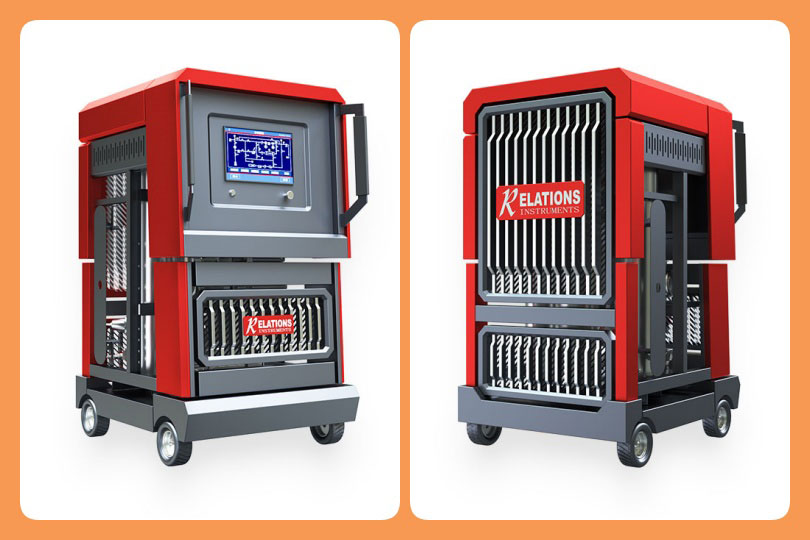
- Recovering SF6 with approved gas-handling equipment rather than venting it
- Replacing damaged seals or relays with approved compatible components
Any gas work should be performed by trained personnel using appropriate recovery, evacuation, and filling procedures. Isolation, lockout/tagout, and manufacturer safety instructions remain mandatory.
Frequently Asked Questions
What is the difference between an SF6 density relay and an SF6 pressure gauge?
A pressure gauge displays gas pressure, which varies with temperature. An SF6 gas density relay for wind power substation applications compensates for temperature effects and provides electrical alarm or lockout contacts based on actual gas density conditions.
How many alarm stages are normally required?
Many applications use two stages: an early warning alarm and a lower-density lockout signal. The exact values must follow the circuit breaker or GIS manufacturer’s specified operating limits.
Can an SF6 density relay be retrofitted to existing wind substation equipment?
Yes, provided the process connection, pressure range, setpoints, contact logic, mounting space, and control wiring are compatible. A technical review is recommended before issuing a factory quote.
How often should SF6 density relays be inspected?
Inspection intervals should follow the switchgear manufacturer’s maintenance plan, local regulations, and the wind farm’s asset-management strategy. Additional checks are appropriate after alarms, suspected leaks, severe weather exposure, or control-system faults.