Guide to SF6 Gas Recovery and Purity Testing Methods for the Singapore Market
Date
2026-01-22
sale@sf6gasdetector.com
Website
www.sf6gasdetector.com
Get Solutions And Quotes
Guide to SF6 Gas Recovery and Purity Testing Methods for the Singapore Market
In Singapore’s dense urban environment, the reliability of the power grid is of paramount importance. As a global financial and technological hub, Singapore relies on an extremely stable power infrastructure, primarily supported by gas-insulated switchgear (GIS) and high-voltage circuit breakers. At the core of these devices is sulfur hexafluoride (SF6), an exceptional insulating gas.
However, SF6 is also one of the most potent greenhouse gases known, with a global warming potential (GWP) 23,500 times that of carbon dioxide. For this reason, SF6 gas recovery and purity testing methods in Singapore are subject to dual constraints: international standards (IEC) and local environmental regulations overseen by the National Environment Agency (NEA). This article explores professional approaches to SF6 management to ensure equipment longevity and environmental compliance.
Singapore’s Regulatory Landscape
Singapore’s commitment to the Paris Agreement and its 2050 net-zero emission target have heightened focus on fluorinated gas management. Under the Environmental Protection and Management (Greenhouse Gases) Regulations 2022, SF6 is classified as a controlled greenhouse gas. Key compliance frameworks include:
- NEA reporting requirements: Industrial facilities and the power sector must track and report SF6 usage and emissions;
- Carbon Pricing Act: Singapore’s carbon tax has been increased since 2024, imposing a significant financial burden for every kilogram of SF6 leaked;
- IEC 60376 and 60480 standards: Singapore’s power sector generally adheres to these benchmarks to define the quality of new and reclaimed SF6 gas.
Advanced SF6 Purity Testing Methods
To ensure the safe operation of GIS gas compartments, technicians must verify that SF6 gas has not deteriorated. In Singapore’s humid tropical climate, moisture ingress is the primary concern.
- Cold mirror dew point method (the gold standard): The most rigorous method for moisture detection. By cooling a mirror until condensation forms, the equipment can determine the exact dew point temperature with an accuracy of ±0.5°C, making it suitable for baseline commissioning and secondary testing at ultra-high voltage substations.
- Tunable Diode Laser Absorption Spectroscopy (TDLAS): Increasingly preferred for rapid on-site testing, TDLAS uses laser technology to detect the unique absorption fingerprint of water molecules. Its advantages include fast results (within 30 seconds) and high durability with no sensor drift, making it ideal for the high-frequency inspections required for Singapore’s power grid.
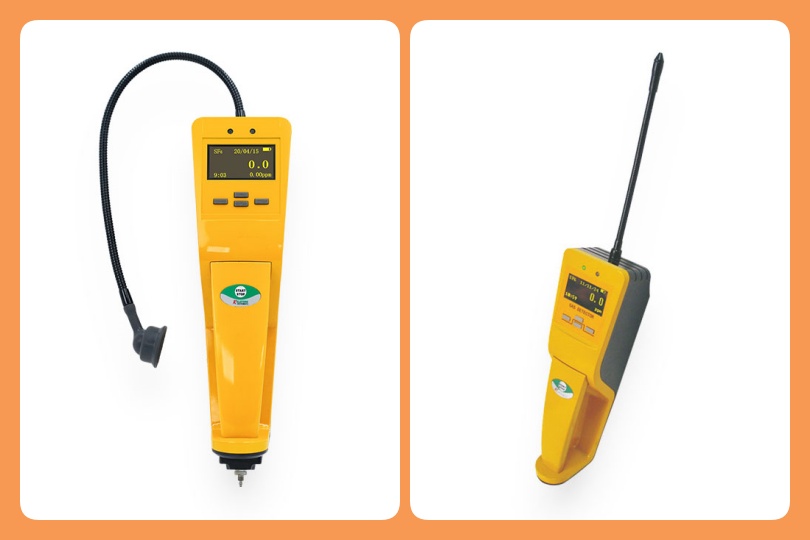
- Thermal conductivity method (purity measurement): Purity is verified by measuring the thermal conductivity of the gas mixture. As SF6 is significantly denser than air or nitrogen, it has a distinctive thermal conductivity profile. IEC 60480 mandates that reclaimed SF6 gas must maintain a purity of over 97%.
Professional SF6 Gas Recovery Process
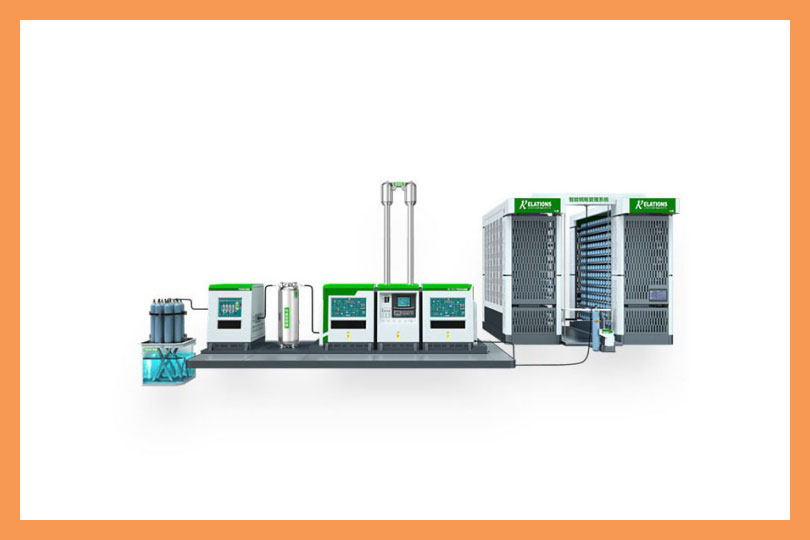
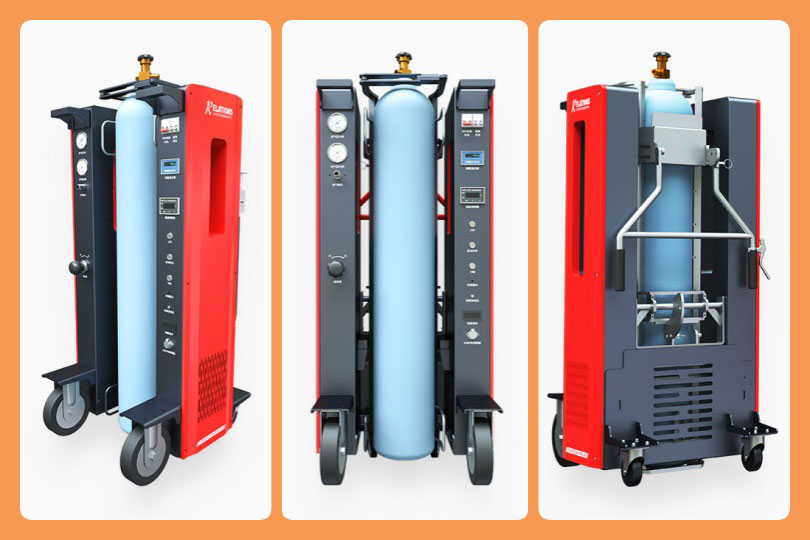
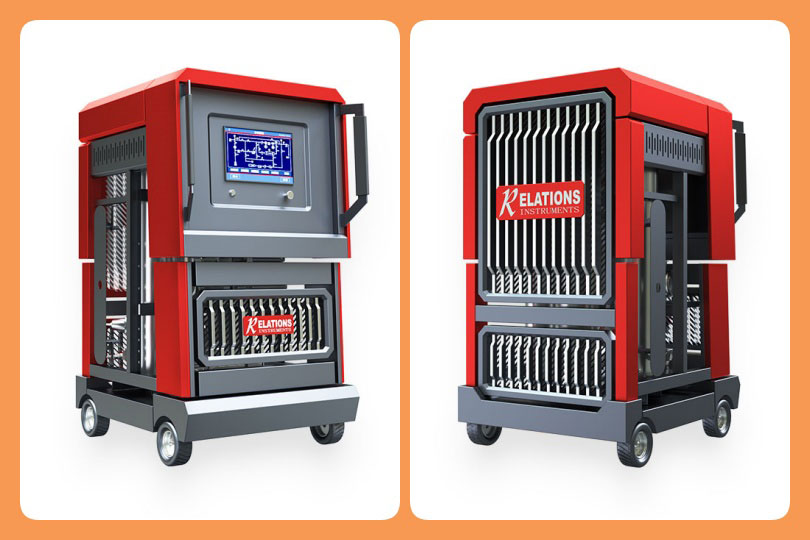
When GIS maintenance is required, gas must be evacuated and under no circumstances released into the atmosphere. Singapore’s SF6 recovery and testing methods prioritize closed-loop systems.
The professional recovery workflow includes:
- Initial quality check: Test for sulfur dioxide (SO2) decomposition products before recovery; a high SO2 content requires pre-filters to protect the recovery unit;
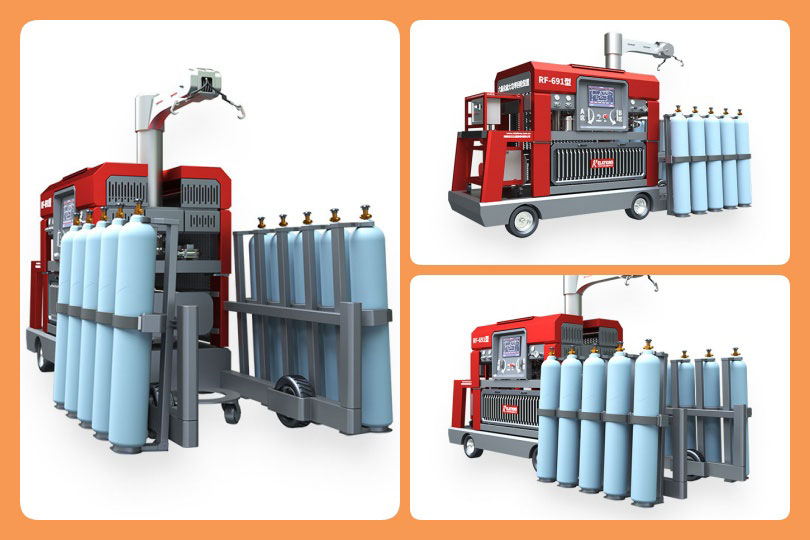
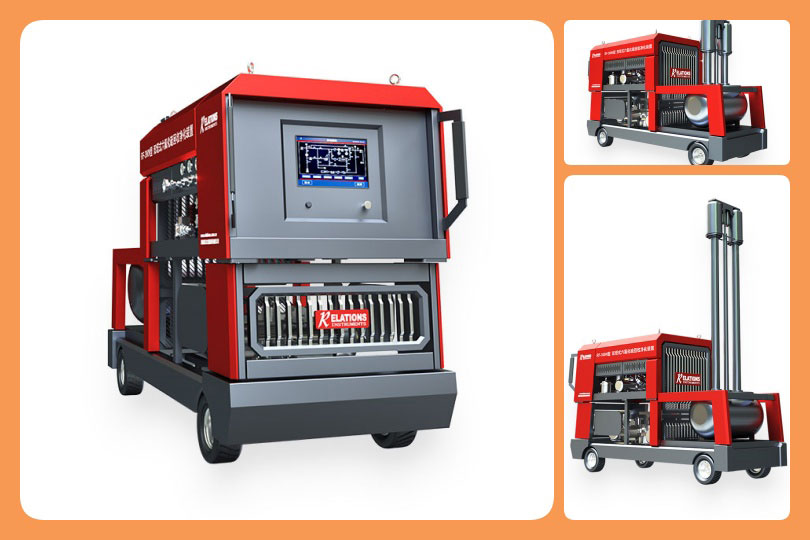
- Evacuation: Create a vacuum using a high-pressure recovery device to extract gas from the GIS;
- Liquefaction and storage: Compress and cool the gas into a liquid state for compact storage in cylinders;
- Purification: Pass the gas through molecular sieves to remove moisture and acidic by-products.
Why Secondary Testing is Mandatory for Singapore’s Power Companies
In Singapore, mere gas purification is insufficient. Professional maintenance companies must conduct secondary testing after gas processing, for the following key reasons:
- Risk of recontamination: Minor leaks in recovery hoses can reintroduce Singapore’s extremely high ambient humidity—typically over 80% relative humidity (RH)—into purified gas;
- Asset protection: High-voltage insulators are extremely sensitive to moisture, and excessive moisture can lead to catastrophic GIS failures.
Return on Investment (ROI) of Zero-Emission Testing
Implementing rigorous SF6 gas recovery and purity testing methods in Singapore delivers significant financial and environmental returns:
- Carbon tax savings: Preventing a 10kg SF6 leak can save thousands of Singapore dollars in tax costs;
- Extended equipment lifespan: Maintaining low levels of SO2 and moisture can extend the service life of internal GIS contacts and insulators by 30%;
- Reduced downtime: Expert diagnostic systems integrated into modern analyzers can predict potential faults months before they cause power outages.
Conclusion
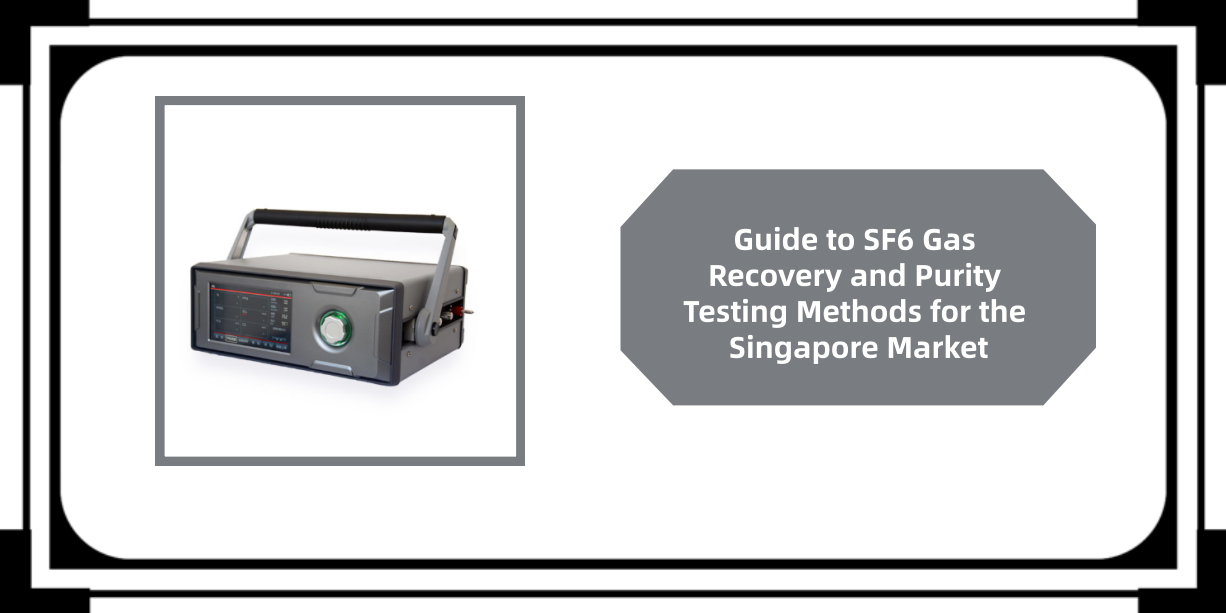
For Singapore to maintain its leading position in green power infrastructure, SF6 management must be executed with surgical precision. By combining portable, suitcase-style SF6 gas analyzers with rigorous IEC-compliant recovery protocols, power enterprises can ensure their operations are not only safe and efficient but also fully compliant with NEA regulations. On the journey toward a sustainable future, the goals are clear: zero loss, zero pollution, and total reliability.