SF6 Gas Treatment System with Analyzer Price
Date
2025-12-16
sale@sf6gasdetector.com
Website
www.sf6gasdetector.com
Get Solutions And Quotes
SF6 Gas Treatment System with Analyzer Price
As global regulations tighten on sulfur hexafluoride (SF6)—a greenhouse gas with 23,500 times the warming potential of CO₂—utilities, industrial operators, and service providers are under increasing pressure to manage SF6 responsibly across its lifecycle. Central to this effort is the SF6 gas treatment system with analyzer, a critical asset that enables on-site purification, reuse, and real-time quality verification of recovered gas. While initial SF6 gas treatment system with analyzer price tags often drive purchasing decisions, a truly strategic investment requires evaluating performance, regulatory alignment, and long-term value—not just upfront cost.
This article provides a professional, data-driven analysis of what defines a high-performance SF6 treatment system, how pricing varies by capability, and why total cost of ownership (TCO) matters more than sticker price.
What Is an SF6 Gas Treatment System with Analyzer?
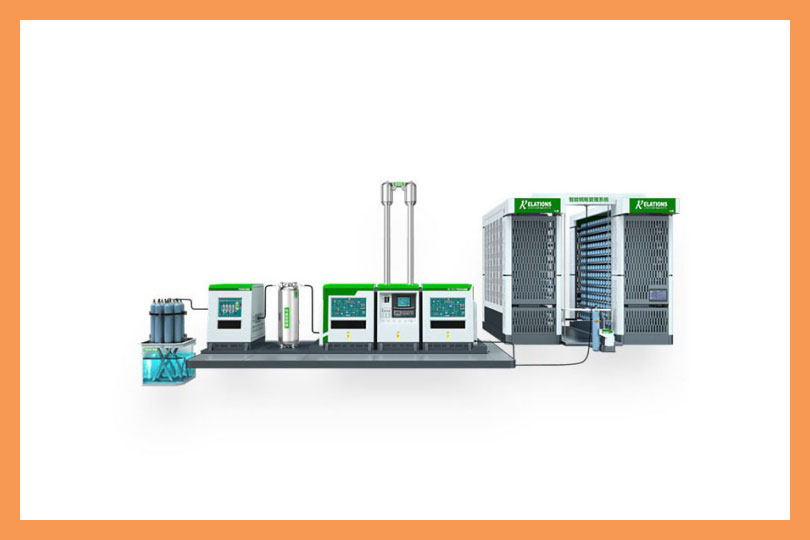
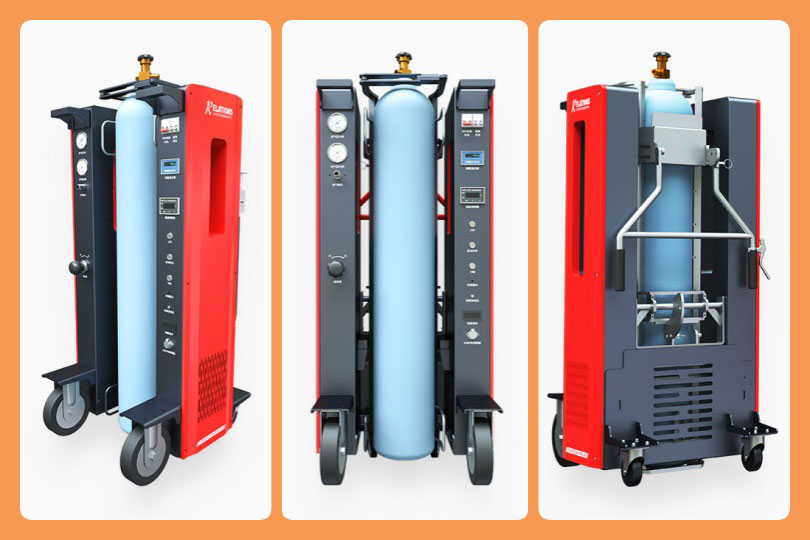
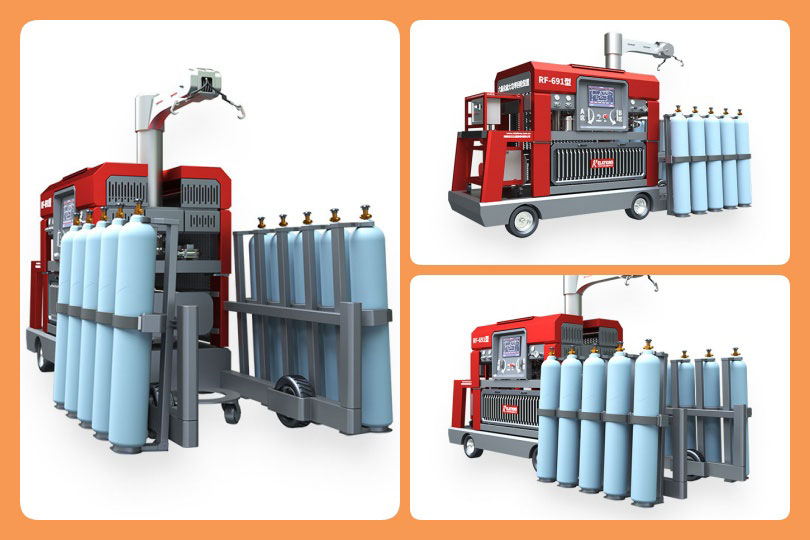
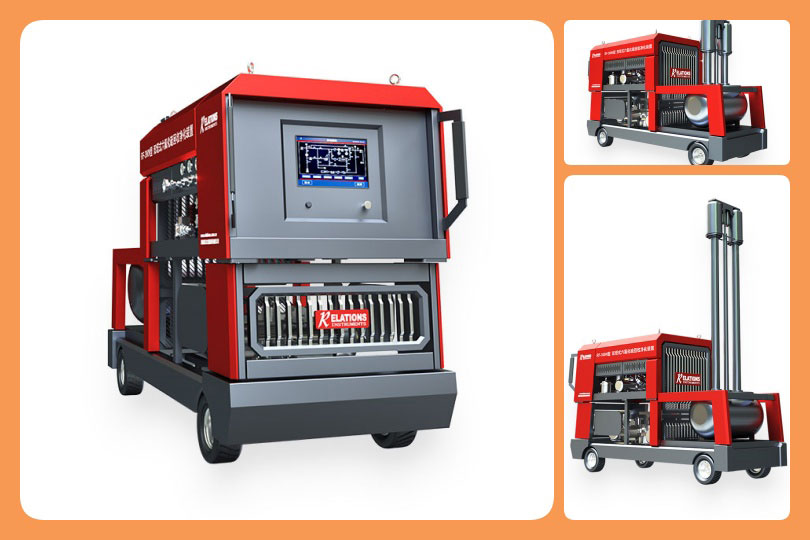
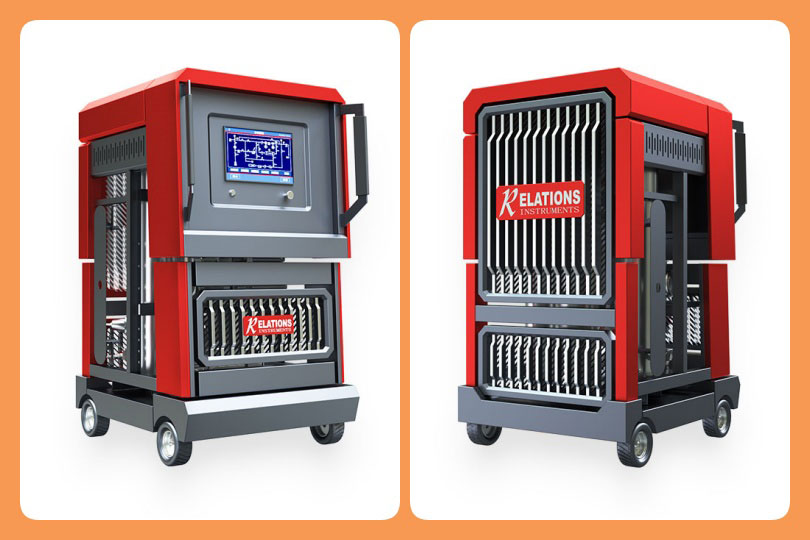
An SF6 gas treatment system with analyzer is an integrated mobile unit that:
- Recovers SF6 from switchgear or GIS
- Filters out moisture, oil, air, and decomposition byproducts (e.g., SO₂, HF)
- Liquefies and stores purified gas for reuse
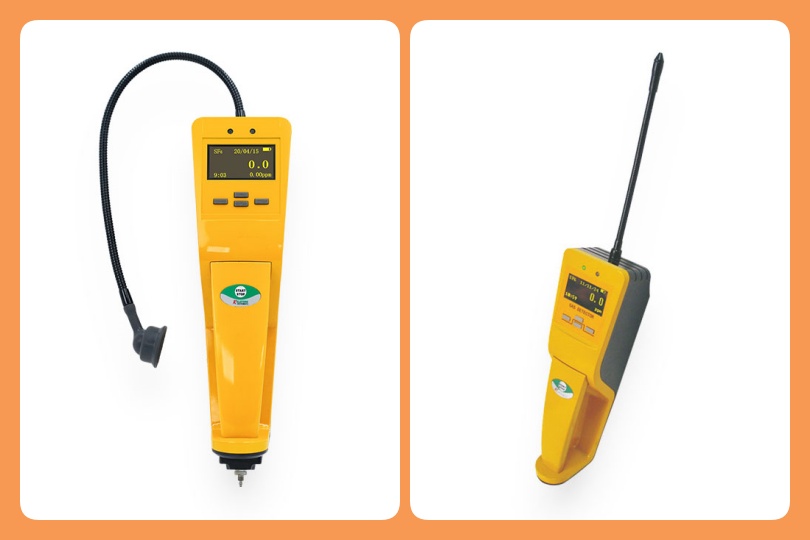
- Verifies gas quality in real time using a built-in SF6 purity analyzer
These systems support a closed-loop SF6 management strategy, aligning with international standards like IEC 60480 (reuse criteria) and IEC 62271-4 (handling equipment specifications). The integrated analyzer is essential—it confirms whether treated gas meets purity thresholds (>99.9% SF6, <10 ppmv moisture, <0.2% air) before reintroduction into high-voltage equipment.
Key Components That Influence SF6 Gas Treatment System with Analyzer Price
Pricing varies significantly based on technology, capacity, and certification. Core cost drivers include:
1. Recovery & Processing Capacity
- Entry-level units (5–10 kg/h recovery): 55,000
- Mid-range systems (15–25 kg/h): 90,000
- High-capacity industrial units (30+ kg/h): 150,000+
Faster recovery reduces technician downtime—critical during outage windows.
2. Analyzer Technology
- Basic thermal conductivity sensors: lower cost but limited accuracy (~±1% SF6)
- Advanced infrared (NDIR) or photoacoustic spectroscopy (PAS): ±0.1% accuracy, compliant with IEC 60376
- Systems with PAS/NDIR analyzers typically add 15,000 to the base price
Only high-accuracy SF6 gas analyzers reliably detect air or CF₄ contamination—key failure indicators in aged GIS.
3. Filtration & Drying Efficiency
Multi-stage filtration (particulate + chemical + molecular sieve) and deep vacuum drying (<1 mbar) ensure compliance with IEC 60480. Premium filtration packages can increase system cost by 10–15%.
4. Certifications & Safety Features
Units certified to IEC 62271-4, ATEX, or UL command higher prices but are often mandatory for grid operators. Features like automatic shutdown, leak-tight couplings, and intrinsically safe design add reliability—and cost.
5. Automation & Data Integration
Modern systems offer touchscreen controls, GPS-tagged reports, cloud sync, and SAP integration. These digital capabilities improve audit readiness but may add 10,000.
Market Price Ranges (2025)
| System Tier | Typical Price Range | Best For |
|---|---|---|
| Basic | 55,000 | Small contractors, infrequent use |
| Professional | 90,000 | Utilities, regular GIS servicing |
| Industrial/High-End | 150,000+ | Large TSOs, OEM service fleets |
Leading brands—including DILO (Germany), WIKA (Germany), MBW (Switzerland), and ENOTEC (South Korea)—dominate the certified segment. Chinese-made alternatives may start below $30,000 but often lack IEC certification, reliable analyzers, or service support—posing long-term risks.
Why Total Cost of Ownership (TCO) Trumps Initial Price
A low SF6 gas treatment system with analyzer price can be misleading. Consider these hidden costs of underperforming units:
- Failed gas reuse: Inaccurate analyzers may approve contaminated gas, leading to internal corrosion or flashovers—costing >$500,000 per GIS bay failure
- Regulatory fines: Non-compliant gas handling can trigger penalties under EPA Subpart DD or EU F-Gas audits
- Downtime: Slow recovery extends outage durations, incurring labor and lost-revenue costs
- Service gaps: Poor local support leads to weeks-long repairs
In contrast, a certified, high-performance system:
- Enables >95% SF6 reuse, saving 50,000 annually in gas purchases
- Reduces leak-related emissions, supporting ESG and carbon reporting
- Pays for itself in 2–4 years through operational savings
A European TSO reported a 38% reduction in annual SF6 expenses after deploying IEC 62271-4-certified treatment carts with PAS analyzers across its fleet.
Strategic Buying Checklist
When evaluating SF6 gas treatment system with analyzer price, ask:
- Is the system IEC 62271-4 certified with test documentation?
- Does the analyzer use NDIR or PAS technology with IEC 60376 compliance?
- What is the final moisture and air content after treatment?
- Is the manufacturer offering local service, calibration, and training?
- Can the unit generate digital, auditable reports for compliance?
Avoid “bargain” systems that omit certifications or use unverified analyzers—these often become stranded assets within 2–3 years.
Conclusion: Invest in Integrity, Not Just Price
The SF6 gas treatment system with analyzer price is only one factor in a much larger equation. In an era of climate accountability and grid resilience, utilities must prioritize systems that guarantee gas purity, regulatory compliance, and operational efficiency.
Choosing a certified, high-accuracy treatment system isn’t an expense—it’s an investment in asset longevity, environmental responsibility, and risk mitigation. When every kilogram of SF6 counts, precision pays dividends.