SF6 Recycling vs Destruction: CO2e Certificates and Audit Reports for Contractors
Date
2026-07-17
[email protected]
Website
www.sf6gasdetector.com
Get Solutions And Quotes
Contact Factory
SF6 Recycling vs Destruction: CO2e Certificates and Audit Reports for Contractors
SF6 gas is widely used in medium- and high-voltage electrical equipment because of its excellent insulation and arc-quenching performance. However, sulfur hexafluoride has an extremely high global warming potential, making responsible handling essential for utilities, electrical contractors, EPC companies, and industrial maintenance teams. A common compliance question is: What are the differences between recycling and destruction of SF6, and what environmental reports or CO2e certificates will contractors receive for audits? Understanding these differences helps contractors reduce emissions, meet regulatory obligations, and prepare credible documentation for environmental, social, and governance audits.
Understanding SF6 Recycling and SF6 Destruction
SF6 recycling and SF6 destruction are two different end-of-life management routes. Both aim to prevent uncontrolled emissions, but they differ in process, outcome, documentation, cost structure, and environmental accounting method.
What Is SF6 Recycling?
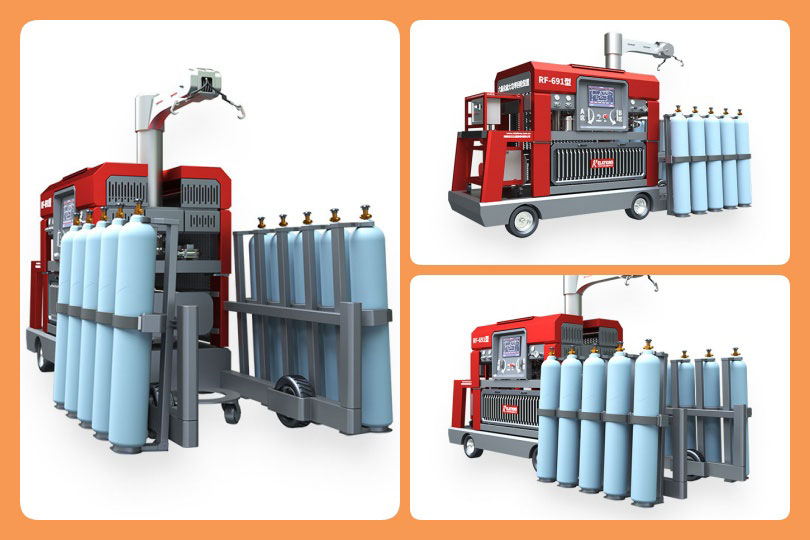
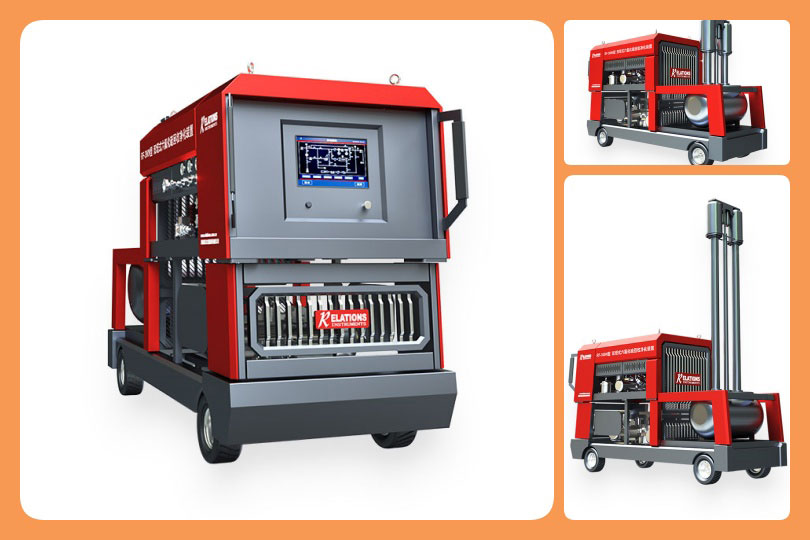
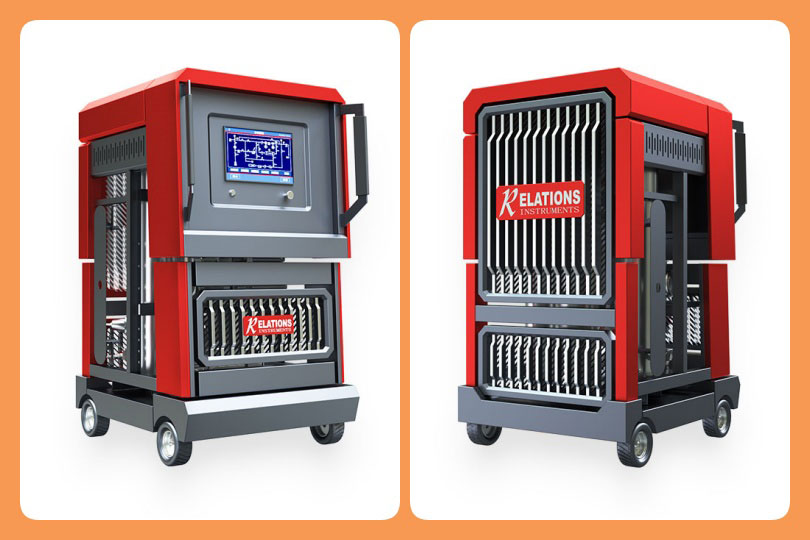
SF6 recycling refers to the recovery, purification, testing, and reuse of sulfur hexafluoride gas. During maintenance, decommissioning, or gas replacement work, SF6 is extracted from gas-insulated switchgear, circuit breakers, GIS substations, or gas cylinders using professional recovery equipment. The gas is then filtered to remove moisture, air, decomposition by-products, and particles. If it meets technical standards, it can be reused in qualified electrical equipment.
Recycling is generally preferred when the recovered gas can be restored to acceptable quality levels. It supports circular gas management, reduces the demand for newly produced SF6, and lowers the total carbon footprint of electrical maintenance projects.
What Is SF6 Destruction?
SF6 destruction means permanently decomposing sulfur hexafluoride so that it can no longer contribute to greenhouse gas emissions. This is usually performed by licensed hazardous gas treatment facilities using high-temperature thermal oxidation, plasma technology, or approved chemical decomposition methods. The process must include strict emission control, by-product neutralization, and traceable batch documentation.
Destruction is typically selected when SF6 is heavily contaminated, cannot meet reuse specifications, or is no longer needed because of equipment retirement or SF6-free technology upgrades. It provides a permanent environmental solution and is often used for carbon accounting, regulatory reporting, and sustainability programs.
Key Differences Between SF6 Recycling and Destruction
| Comparison Item | SF6 Recycling | SF6 Destruction |
|---|---|---|
| Primary purpose | Recover and reuse SF6 gas | Permanently eliminate SF6 emissions risk |
| Best for | Reusable or moderately contaminated gas | Heavily contaminated, obsolete, or excess gas |
| Environmental value | Reduces need for new SF6 production | Removes future greenhouse gas impact |
| Typical process | Recovery, filtration, drying, testing, refilling | Recovery, transport, licensed destruction, verification |
| Audit focus | Gas recovery volume, quality test results, reuse records | Destruction quantity, CO2e reduction, certificate of destruction |
| Regulatory relevance | Supports leakage control and gas inventory management | Supports greenhouse gas reduction and end-of-life compliance |
| Economic consideration | Can reduce procurement cost for replacement gas | May involve treatment fees but improves carbon accountability |
Core Advantages for Contractors and Utilities
Reduced Environmental Liability
Because SF6 has a very high global warming potential, even small losses may represent significant CO2e emissions. Proper recycling or destruction demonstrates that a contractor has taken reasonable and professional measures to prevent atmospheric release. This is especially important for public utilities, renewable energy grid projects, industrial plants, and international EPC contracts.
Traceable Compliance Documentation
Professional SF6 service providers can issue traceable environmental reports, gas handling records, and CO2e certificates. These documents are valuable during ISO 14001 audits, ESG reporting, client acceptance reviews, internal sustainability inspections, and regulatory checks.
Lower Operational Risk
Recycling helps maintain a reliable SF6 supply for maintenance operations, while destruction removes unusable gas from storage and reduces long-term cylinder management risks. Both methods improve site safety, inventory control, and operational transparency.
For project-specific documentation requirements, contractors can request a free consultation by contacting [email protected] to confirm suitable SF6 recovery, recycling, destruction, and audit reporting solutions.
Structured Parameters for SF6 Recovery, Recycling, and Destruction Projects
| Parameter | Recommended Practice | Audit Relevance |
|---|---|---|
| Gas source identification | Record equipment type, location, serial number, and gas compartment | Confirms traceability of recovered SF6 |
| Recovered gas weight | Measure cylinder tare weight and final gross weight using calibrated scales | Supports CO2e calculation and mass balance |
| Gas quality testing | Test purity, moisture, air content, and decomposition by-products | Determines whether recycling or destruction is suitable |
| Cylinder labeling | Use clear labels for recovered, recycled, contaminated, or waste SF6 | Prevents mixing and supports safe transport |
| Leak prevention | Use certified hoses, valves, couplings, and recovery equipment | Shows compliance with industrial gas handling standards |
| Transport documentation | Prepare transfer records and waste gas manifests when required | Provides chain-of-custody evidence |
| Final treatment record | Issue recycling report or certificate of destruction | Confirms environmental outcome for audits |
What Environmental Reports and CO2e Certificates Will Contractors Receive?
Documentation varies by service provider, region, and project scope, but a professional SF6 gas management program should provide clear, auditable records. Contractors should ensure all reports are consistent with applicable environmental regulations, greenhouse gas accounting principles, and industrial operating procedures.
1. SF6 Gas Recovery Report
This report records the amount of SF6 recovered from equipment or cylinders. It usually includes project name, site location, equipment details, recovery date, cylinder numbers, recovered weight, operator information, and equipment used. It is the foundation for any recycling or destruction audit trail.
2. SF6 Gas Quality Analysis Report
Before deciding whether to recycle or destroy SF6, the gas should be tested. A standard analysis report may include SF6 purity, moisture content, air concentration, SO2 level, HF indicators, and other decomposition products. This report supports the technical decision to reuse the gas or send it for destruction.
3. SF6 Recycling Certificate
If the gas is purified and reused, the contractor may receive an SF6 recycling certificate. This document confirms the amount of gas successfully recovered, treated, and returned to service or storage. It may also indicate whether the recycled gas meets relevant technical specifications for electrical equipment use.
4. SF6 Certificate of Destruction
For gas that is permanently destroyed, the contractor should receive a certificate of destruction. This certificate generally includes the destruction facility name, treatment method, quantity destroyed, date of destruction, batch or cylinder identification, and authorized signature. It is one of the most important documents for environmental audits.
5. CO2e Emission Reduction Certificate
A CO2e certificate converts the mass of SF6 recycled, recovered, or destroyed into carbon dioxide equivalent using recognized global warming potential values. This enables contractors and asset owners to quantify avoided greenhouse gas emissions. The certificate may be used for ESG reporting, carbon management programs, client sustainability reports, and internal environmental performance reviews.
Common Application Scenarios
Substation Maintenance and GIS Servicing
During scheduled maintenance, SF6 may need to be recovered before opening gas compartments. Recycling is often suitable when the gas remains within acceptable quality limits. Accurate recovery and refill records help utilities demonstrate responsible SF6 gas lifecycle management.
Electrical Equipment Decommissioning
When old circuit breakers or GIS bays are retired, contractors must remove SF6 before dismantling. Reusable gas can be recycled, while degraded gas should be sent for approved destruction. This prevents emissions during scrap handling and site clearance.
Emergency Leak Response
After a leak event, remaining gas may be recovered and tested. Environmental reports can document the amount recovered, estimated loss, repair actions, and final treatment route. These records are important for incident investigation and compliance review.
SF6-Free Upgrade Projects
As more utilities evaluate alternative insulation technologies, large volumes of legacy SF6 may require treatment. Destruction with CO2e certification can provide strong evidence of climate impact reduction.
For customized on-site SF6 recovery, recycling, and destruction planning, contractors may contact [email protected] for one-on-one guidance from engineers familiar with industrial gas handling requirements.
Purchasing Guide: How to Choose an SF6 Recycling or Destruction Service
Verify Technical Capability
Choose a provider with professional SF6 recovery equipment, calibrated weighing systems, gas analyzers, vacuum pumps, filtration units, and trained operators. The provider should understand high-voltage electrical equipment safety and gas compartment handling procedures.
Check Documentation Quality
Before awarding a contract, ask for sample reports, certificates, and chain-of-custody templates. High-quality documentation should be clear, traceable, and suitable for third-party audits.
Confirm Regulatory Alignment
SF6 handling must comply with applicable national and regional environmental rules, transport requirements, occupational safety standards, and hazardous gas management procedures. Contractors working across borders should confirm local reporting obligations in advance.
Evaluate CO2e Calculation Method
A credible CO2e certificate should clearly state the SF6 quantity, conversion factor, calculation method, and treatment outcome. This improves transparency for auditors and sustainability managers.
Consider On-Site Service Flexibility
For large substations or remote industrial sites, on-site recovery and gas analysis can reduce downtime and transport complexity. A provider that offers mobile SF6 gas handling solutions can help contractors complete projects more efficiently.
Frequently Asked Questions
Is SF6 recycling always better than destruction?
Not always. Recycling is preferred when the gas can meet reuse standards after purification. Destruction is more appropriate when SF6 is severely contaminated, mixed with unknown gases, or no longer needed. The best choice depends on gas quality, project goals, regulatory requirements, and audit expectations.
Can recycled SF6 be reused in high-voltage equipment?
Yes, provided the recycled SF6 meets the required purity, moisture, and contaminant limits for the equipment and the asset owner’s technical specifications. Gas testing should be performed before reuse.
What documents are most important for an environmental audit?
The most important documents usually include gas recovery records, cylinder tracking sheets, gas quality analysis reports, recycling certificates, certificates of destruction, CO2e emission reduction certificates, and chain-of-custody records.
How is CO2e calculated for SF6?
CO2e is calculated by multiplying the mass of SF6 by the applicable global warming potential factor. The certificate should identify the factor used and provide transparent calculation details for audit review.
Do contractors need third-party verification?
Some projects require third-party verification, especially for ESG reporting, public infrastructure contracts, or regulated emissions programs. Even when not mandatory, third-party or professionally issued certificates improve credibility.
Conclusion
The main difference between SF6 recycling and SF6 destruction is whether the gas is returned to useful service or permanently eliminated. Recycling supports circular resource use and cost control, while destruction provides a definitive solution for unusable or end-of-life gas. For contractors, the real value lies not only in technical treatment but also in receiving complete environmental reports and CO2e certificates that stand up to audits. To build a compliant and traceable SF6 gas management plan, contact [email protected] for professional support tailored to your project site and documentation needs.