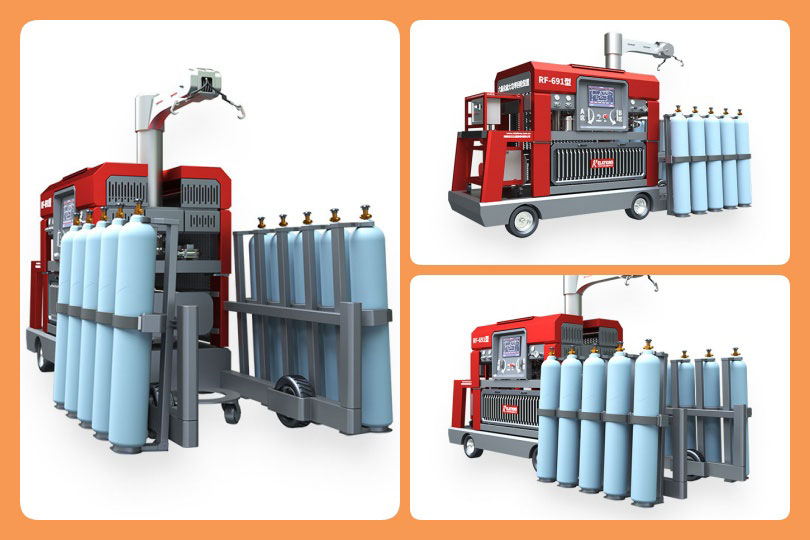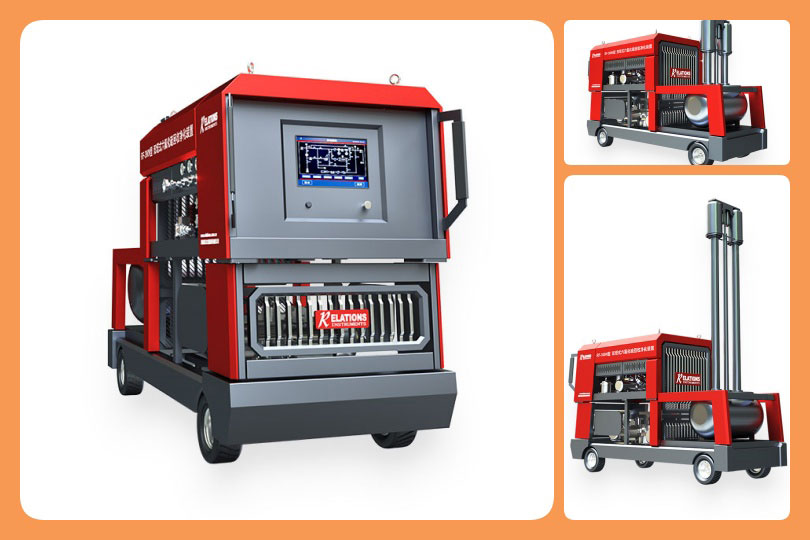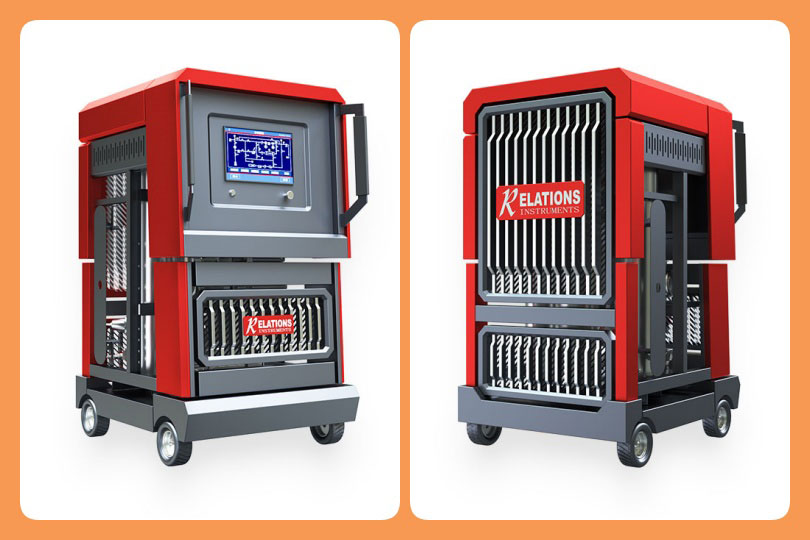
SF6 Leak Monitoring Gas Station for Power Grid: Continuous Protection for High-Voltage Assets
Date
2026-09-24
[email protected]
Website
www.sf6gasdetector.com
Get Solutions And Quotes
Contact Factory
SF6 Leak Monitoring Gas Station for Power Grid: Continuous Protection for High-Voltage Assets
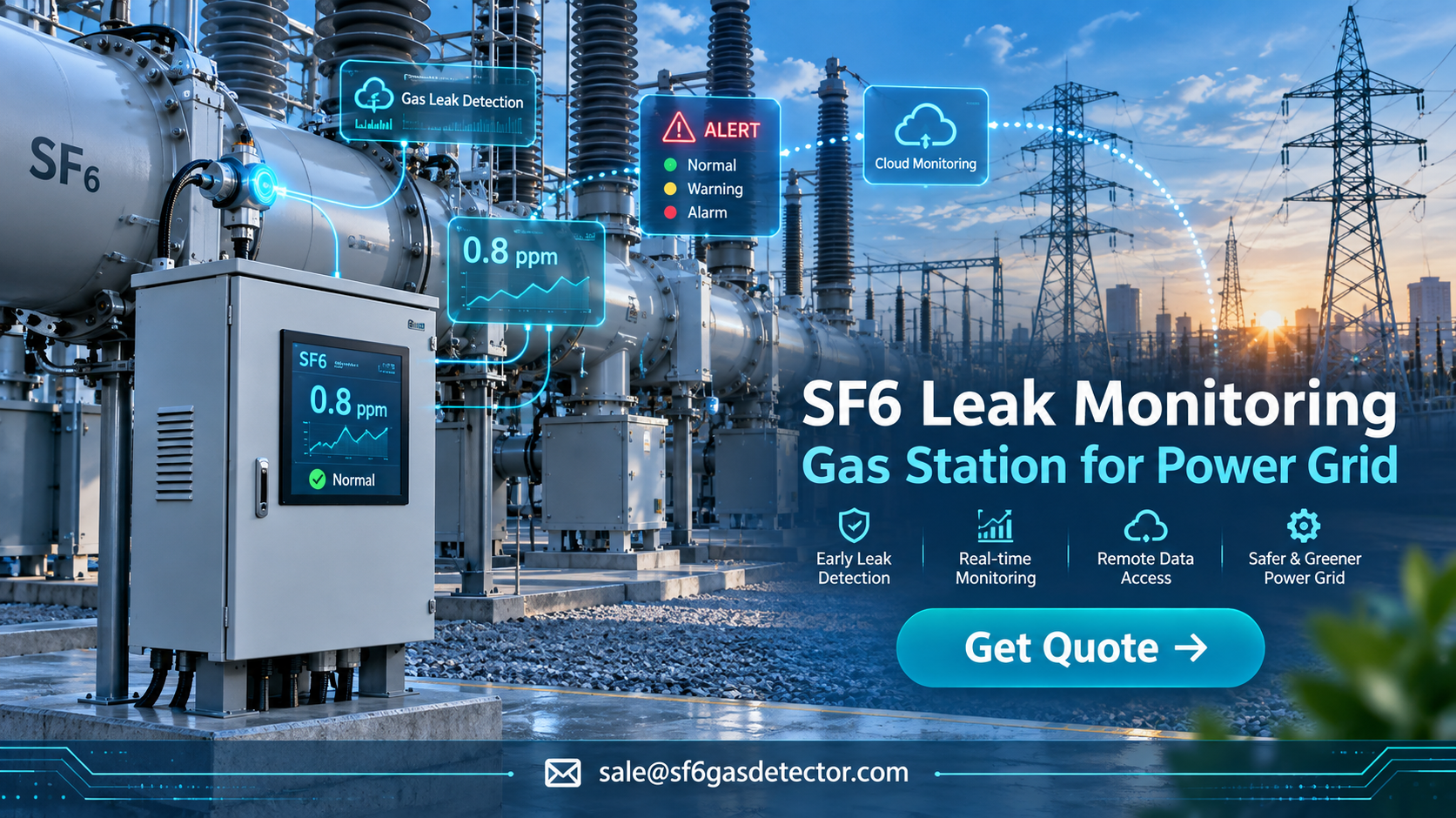
An SF6 leak monitoring gas station for power grid applications provides continuous, centralized detection of sulfur hexafluoride emissions around gas-insulated equipment. In substations, GIS halls, circuit-breaker areas, and maintenance zones, SF6 leakage can affect equipment reliability, worker safety, environmental reporting, and operating costs. A professionally designed monitoring station helps utilities identify abnormal gas concentrations early, locate probable leak zones, and take corrective action before a minor seal issue becomes an operational risk.
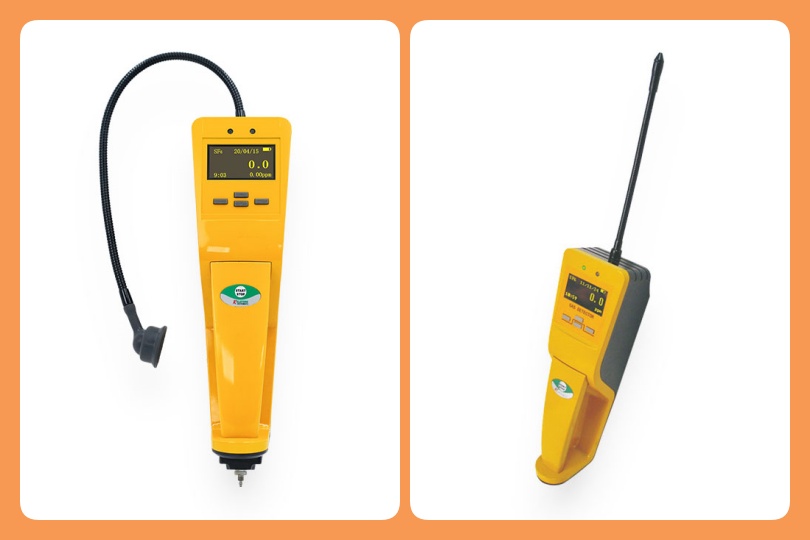
Unlike portable leak detectors used during inspections, an SF6 leak monitoring gas station for power grid environments delivers fixed, real-time monitoring. It supports 24/7 supervision of critical assets while reducing dependence on manual patrols and intermittent measurements.
Why Continuous SF6 Monitoring Matters in Power Grid Facilities
SF6 is widely used in high-voltage electrical equipment because of its excellent dielectric strength and arc-quenching performance. However, SF6 has a high global warming potential, so even small releases should be controlled through good asset management, preventive maintenance, and accurate emissions records.
An SF6 leak monitoring gas station for power grid installations can support utility operators in several practical ways:
- Detecting low-level SF6 concentrations before leaks become significant
- Improving maintenance planning for GIS, circuit breakers, and gas-insulated lines
- Supporting occupational safety in enclosed or poorly ventilated equipment rooms
- Reducing unnecessary manual inspection rounds
- Providing event logs for environmental and asset-management records
- Enabling faster responses to abnormal gas-density trends
For high-voltage substations, early warning is especially valuable because a leak may indicate aging O-rings, damaged flanges, valve issues, pressure-relief events, or incomplete gas recovery after maintenance.
Core Configuration of an SF6 Leak Monitoring Gas Station for Power Grid
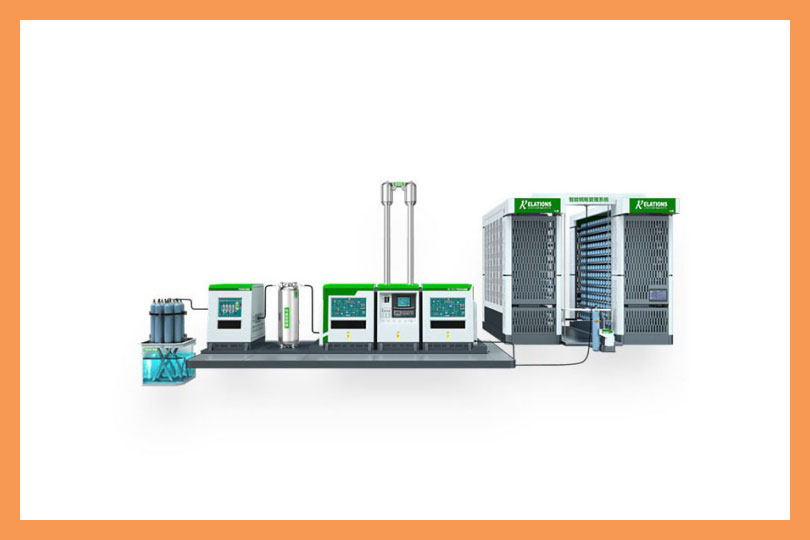
A reliable SF6 leak monitoring gas station for power grid solution generally combines fixed gas sensors, local alarm devices, a control panel, communication interfaces, and data-management software. The final configuration should be based on room volume, ventilation layout, equipment arrangement, site risk assessment, and the required monitoring coverage.
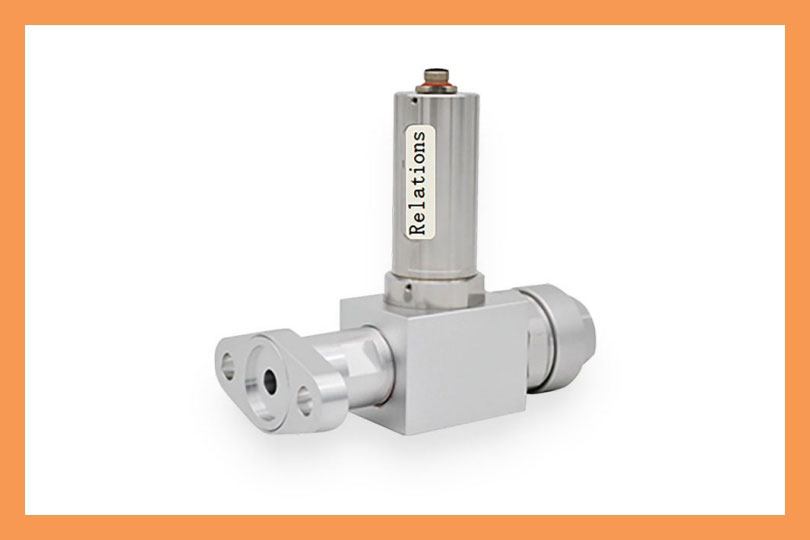
Fixed SF6 Gas Sensors
Sensors are installed near probable leakage points and, where appropriate, in lower areas of enclosed rooms. SF6 is significantly denser than air, so detector placement should consider airflow patterns, cable trenches, floor recesses, and local ventilation conditions rather than relying on a single fixed mounting height.
High-quality sensors should provide stable performance, low cross-sensitivity, repeatable measurements, and clear calibration requirements. Detection technology may include infrared sensing or other methods suitable for the required concentration range and operating environment.
Alarm and Control Unit
The control unit receives signals from field detectors and triggers staged alarms. Typical alarm functions include:
- Pre-alarm for investigation and ventilation checks
- High alarm for immediate operator response
- Audible and visual warning indicators
- Relay outputs for ventilation interlocks or remote annunciation
- Alarm history and fault diagnostics
- Configurable thresholds based on site procedures
An SF6 leak monitoring gas station for power grid projects should use alarm thresholds established through documented site risk assessment and local occupational-health requirements. Threshold selection must account for both SF6 concentration and potential oxygen displacement in enclosed spaces.
Communication and SCADA Integration
Modern monitoring stations can transmit data through Modbus RTU, Modbus TCP, RS485, Ethernet, or other utility-approved protocols. Integration with SCADA, DCS, or substation automation platforms allows operators to view concentration trends, alarm conditions, device status, and maintenance reminders remotely.
For organizations planning a new project, Get Quote information can help define the appropriate sensor quantity, communication protocol, enclosure rating, and monitoring layout before procurement.
Technical Parameters to Evaluate Before Selection
When selecting an SF6 leak monitoring gas station for power grid facilities, buyers should assess more than the measurement range. The following parameters directly affect field suitability and lifecycle cost:
Measurement Performance
Key performance specifications may include measurement range, minimum detectable concentration, response time, repeatability, accuracy, drift, and warm-up time. The selected range should match the intended application: low-level environmental leak monitoring, personnel-area protection, or higher-concentration emergency detection.
Environmental Suitability
Substation environments may include temperature fluctuations, humidity, electromagnetic interference, dust, vibration, and corrosive contaminants. Equipment should be selected with suitable ingress protection, operating-temperature limits, EMC performance, and industrial enclosure construction.
Maintenance and Calibration
A practical SF6 leak monitoring gas station for power grid should provide clear calibration procedures, sensor-life information, fault indication, and accessible service points. Regular functional testing and calibration should be included in the station’s maintenance plan. Utilities should maintain calibration records, alarm test logs, and corrective-action reports for traceability.
Compliance and Standards Considerations
Compliance should be evaluated according to the project location, utility specifications, and equipment scope. For SF6-insulated switchgear, relevant IEC standards commonly include IEC 62271-1 for common specifications for high-voltage switchgear and controlgear, IEC 62271-203 for gas-insulated metal-enclosed switchgear, and IEC 60376 for technical-grade SF6 used in electrical equipment.
The monitoring equipment itself should also be reviewed for applicable electrical safety, electromagnetic compatibility, and environmental requirements. Depending on the market, this may involve CE-related requirements, IEC 61010 safety considerations, IEC 61326 EMC requirements, RoHS obligations, and local certification requirements. For networked systems, cybersecurity controls aligned with IEC 62443 principles can help protect remote communications and access management.
Scenario-Based Deployment Solutions
GIS Hall and Indoor Substation Rooms
In a GIS hall, an SF6 leak monitoring gas station for power grid design should prioritize coverage near flanges, density-monitoring points, circuit-breaker compartments, and low-lying areas where gas may accumulate. Multi-point detection, ventilation interlocks, and remote alarms are typically recommended.
Outdoor GIS and High-Voltage Yards
For outdoor installations, the monitoring strategy should consider wind direction, equipment density, weather protection, and access for maintenance. Localized detection near known leak-prone components may be more effective than wide-area sensing in open-air conditions.
Maintenance and Gas Handling Areas
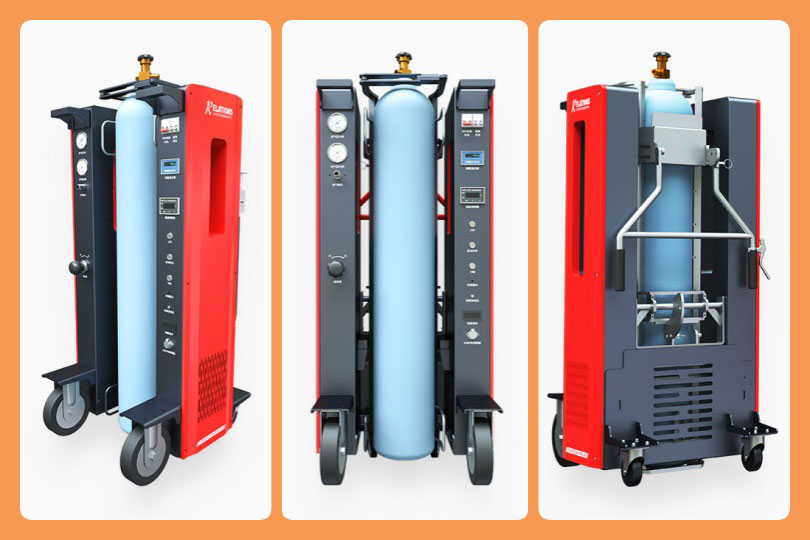
Gas filling, recovery, and servicing zones benefit from temporary or permanent monitoring. In these areas, the system can support safer work procedures by providing concentration visibility during gas-handling activities and confirming that ventilation is effective before personnel re-enter enclosed spaces.
For application-specific layouts and equipment compatibility checks, request one-on-one guidance from engineers before finalizing a monitoring design.
Frequently Asked Questions
How many sensors are needed for an SF6 leak monitoring gas station for power grid?
The quantity depends on room size, equipment arrangement, ventilation, likely leak points, and required detection coverage. A site survey or engineering layout review is recommended for accurate sensor placement.
Can the system connect to an existing SCADA platform?
Yes. Many systems support common industrial communication protocols such as Modbus RTU or Modbus TCP. Protocol compatibility, register mapping, and cybersecurity requirements should be confirmed during project design.
Does SF6 monitoring replace routine equipment inspection?
No. An SF6 leak monitoring gas station for power grid complements scheduled inspections, density checks, gas-quality testing, and preventive maintenance. Continuous monitoring provides earlier visibility between manual inspection intervals.
How often should SF6 sensors be calibrated?
Calibration frequency depends on the sensor technology, manufacturer recommendations, operating conditions, and utility procedures. Routine bump testing, scheduled calibration, and documented functional verification are essential for dependable operation.