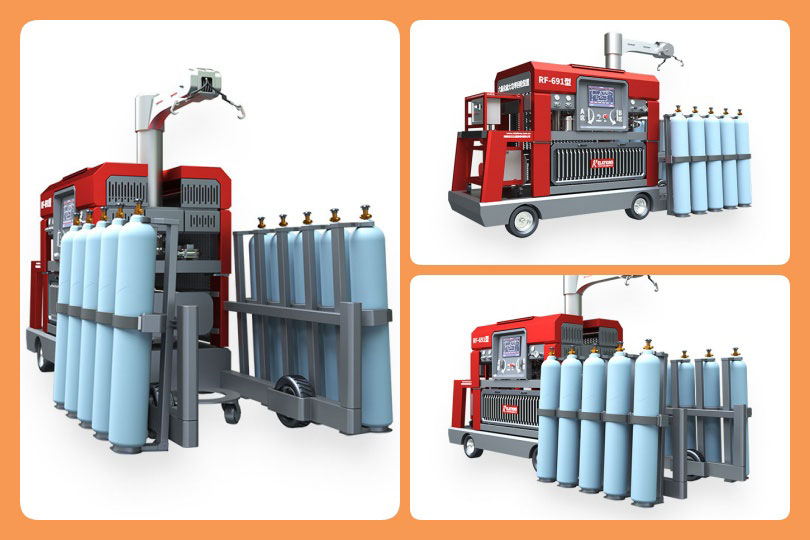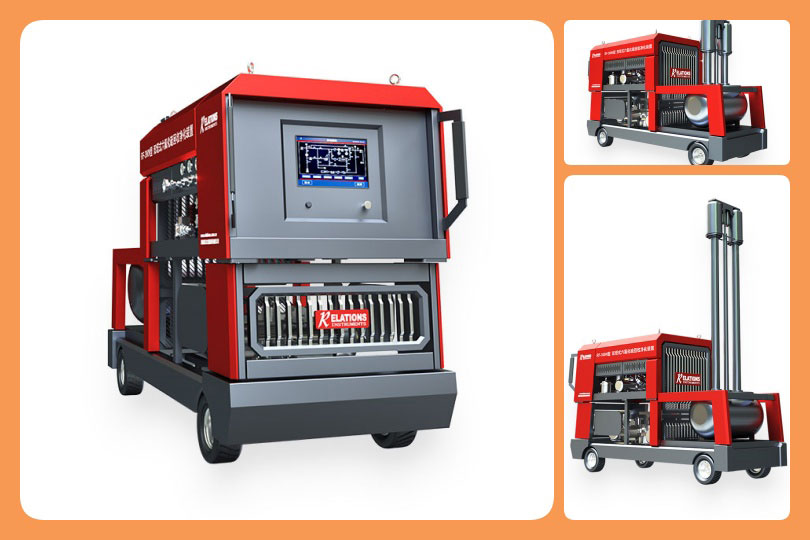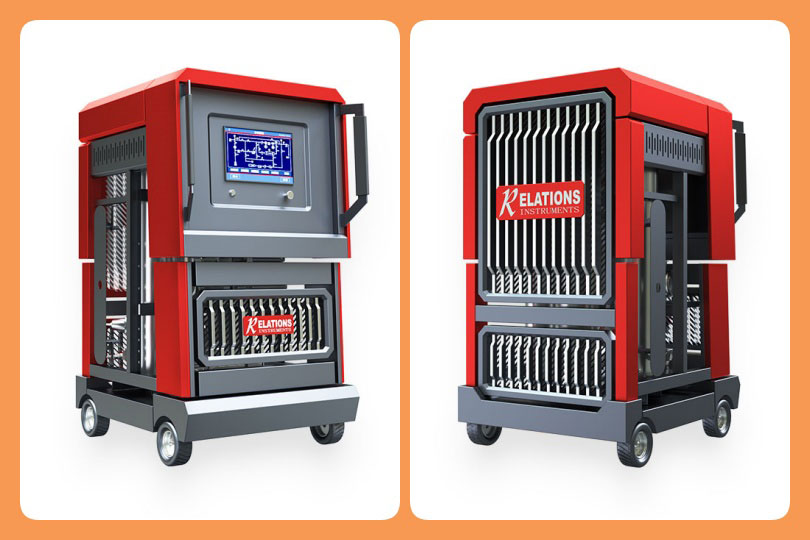
SF6 Gas Recovery and Recycling System for Emission Reduction Explained
Date
2026-09-24
[email protected]
Website
www.sf6gasdetector.com
Get Solutions And Quotes
Contact Factory
SF6 Gas Recovery and Recycling System for Emission Reduction Explained
An SF6 gas recovery and recycling system for emission reduction is essential for utilities, switchgear manufacturers, maintenance contractors, and industrial facilities that handle sulfur hexafluoride-insulated equipment. SF6 is highly effective as an electrical insulation and arc-quenching medium, but it also has a very high global warming potential. Recovering, purifying, storing, and reusing SF6 instead of venting it helps organizations reduce greenhouse-gas emissions, control operating costs, and meet increasingly strict environmental obligations.
Why SF6 Recovery Matters in High-Voltage Operations
SF6 is widely used in gas-insulated switchgear (GIS), circuit breakers, gas-insulated lines, and testing equipment. During commissioning, maintenance, fault repair, and equipment retirement, gas must be removed safely from sealed compartments. A properly specified SF6 gas recovery and recycling system for emission reduction prevents avoidable releases while protecting asset availability and personnel safety.
Unlike basic evacuation equipment, a recovery and recycling unit is designed to transfer SF6 into approved storage cylinders, separate contaminants where required, and create vacuum conditions before refilling. This controlled process supports a closed-loop gas-management strategy: recover the gas, assess its quality, reclaim it when practical, and return it to service.
How an SF6 Recovery and Recycling System Works
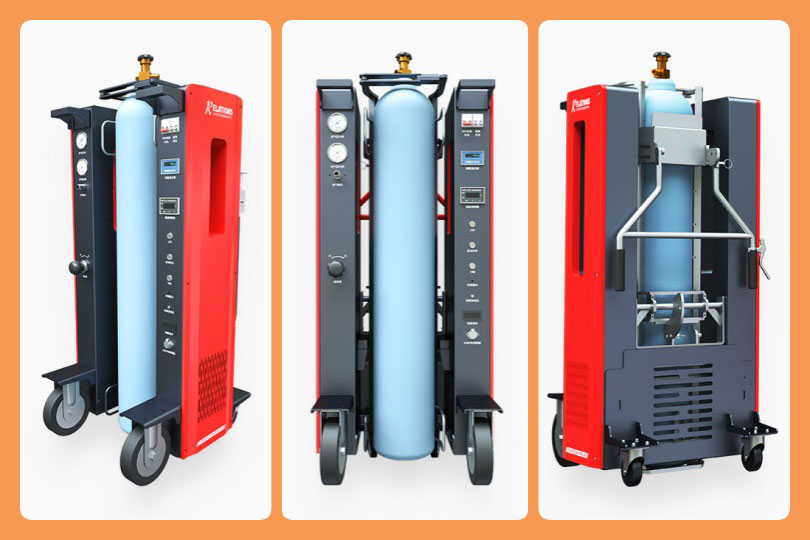
A professional SF6 gas recovery and recycling system for emission reduction typically combines a compressor, vacuum pump, filtration stages, hoses, pressure gauges, fittings, and cylinder connections in a mobile or stationary package. The system operates through several controlled stages.
Recovery and Compression
SF6 is withdrawn from the electrical apparatus and compressed into a compatible storage cylinder. Efficient compression increases the amount of gas recovered and reduces residual pressure in the equipment. Low final recovery pressure is important because gas left inside a compartment may otherwise be released during dismantling or repair.
Filtration and Gas Treatment
Recovered gas can contain moisture, air, oil vapor, particulate matter, or decomposition by-products generated by electrical arcing. In an SF6 gas recovery and recycling system for emission reduction, filtration media and purification components help reduce these contaminants before gas reuse or further processing.
Gas quality should be verified rather than assumed. Depending on the application, testing may include SF6 purity, dew point or moisture content, air concentration, and decomposition products. IEC 60376 defines specifications for new technical-grade SF6, while IEC 60480 provides guidance for evaluating and handling SF6 taken from electrical equipment for reuse or reclamation.
Vacuum Evacuation and Refilling
After gas recovery, the equipment compartment is evacuated to remove residual gas and moisture before servicing or refilling. Vacuum performance must be suitable for the equipment manufacturer’s procedure and the site’s maintenance plan. Once the compartment is ready, conditioned or certified gas can be returned under controlled pressure.
Key Technical Parameters for System Selection
Selecting an SF6 gas recovery and recycling system for emission reduction should be based on actual equipment size, gas volume, maintenance frequency, and environmental reporting requirements. The following parameters are especially important:
Recovery Rate and Final Pressure
A high recovery rate minimizes the SF6 remaining in equipment and cylinders. Buyers should compare the system’s recovery capacity, compressor flow rate, and achievable final residual pressure under realistic field conditions—not only nominal laboratory values.
Vacuum Capability
Vacuum depth affects moisture removal and service quality. For GIS and high-voltage circuit breaker maintenance, a reliable vacuum pump and accurate vacuum measurement are critical. The selected unit should support the evacuation requirements specified by the original equipment manufacturer.
Gas Storage Capacity
Cylinder compatibility, maximum operating pressure, weighing provisions, and storage logistics should be evaluated. Separate cylinders should be used where necessary to prevent cross-contamination between clean gas, used gas, and gas containing decomposition products.
Filtration and Safety Features
A robust SF6 gas recovery and recycling system for emission reduction should include appropriate particle and moisture filtration, pressure protection, leak-resistant connections, and clear operating controls. Where fault gas is handled, personnel should use suitable personal protective equipment and follow site-specific procedures for by-product exposure.
Compliance Standards and Environmental Management
Responsible SF6 handling is guided by established international technical practices. IEC 62271-4 addresses handling procedures for SF6 and its mixtures in high-voltage switchgear. IEC 60480 supports decisions on reusing, reclaiming, or disposing of SF6 removed from electrical equipment. Organizations operating an SF6 gas recovery and recycling system for emission reduction should also maintain traceable records for gas purchases, recovery quantities, reuse, cylinder movements, and final disposal.
Environmental management systems aligned with ISO 14001 can strengthen emission-control processes by assigning responsibilities, documenting procedures, monitoring performance, and driving continual improvement. In the European Union, Regulation (EU) 2024/573 on fluorinated greenhouse gases establishes requirements that may affect SF6 use, leak prevention, recovery, and reporting. Operators should always confirm the current rules applicable in their country and industry.
Scenario-Based Applications
For a utility maintaining GIS substations, an SF6 gas recovery and recycling system for emission reduction enables planned maintenance without sending recoverable gas directly to disposal. Technicians can recover the gas, test it, and determine whether it meets reuse criteria after treatment.
For switchgear manufacturers, the system supports cleaner factory commissioning and pressure testing. Recovered gas from test bays can be consolidated, analyzed, and reused where quality requirements are met, reducing purchases of virgin gas.
For decommissioning contractors, the system is vital for safely extracting SF6 before equipment transport, dismantling, or recycling. This reduces environmental liability and creates auditable evidence that gas was handled responsibly.
For project-specific capacity selection or configuration support, obtain a product quotation based on your recovery volume, voltage class, and cylinder requirements.
Best Practices for Lower SF6 Emissions
The effectiveness of an SF6 gas recovery and recycling system for emission reduction depends on operating discipline as well as equipment capability. Use leak-tested hoses and fittings, inspect seals before each connection, weigh cylinders before and after transfer, and document gas balances for every job. Avoid mixing gas from unknown sources without analysis, and label cylinders clearly by gas condition.
Technicians should receive training in SF6 transfer, vacuum procedures, decomposition-product precautions, and emergency response. Preventive maintenance for pumps, filters, gauges, and hoses is equally important, because degraded components can create leaks, reduce recovery efficiency, or compromise gas purity.
Frequently Asked Questions
Can recovered SF6 be reused?
Yes, recovered SF6 may be reused when testing confirms that its quality is suitable for the intended equipment and it meets applicable technical requirements. IEC 60480 is a key reference for evaluating used SF6.
Is a recovery unit necessary for routine breaker maintenance?
In most professional maintenance environments, yes. An SF6 gas recovery and recycling system for emission reduction enables controlled gas removal, minimizes emissions, and prepares equipment for safe servicing and evacuation.
What is the difference between recovery and recycling?
Recovery means removing SF6 from equipment and transferring it to storage. Recycling or reclamation involves treating and testing the recovered gas so it can be reused when it meets the required quality specification.
How can operators improve recovery efficiency?
Use properly sized equipment, maintain leak-free connections, recover gas to the specified residual pressure, and keep cylinders organized by gas quality. Regular operator training also improves consistency.
What support is available for selecting a suitable unit?
For complex GIS, circuit breaker, or factory test applications, request one-on-one guidance from engineers to match recovery speed, vacuum capability, purification needs, and storage configuration to site conditions.