หลีกเลี่ยงความล้มเหลวในการนำ SF6 กลับมาใช้ใหม่: การทดสอบความบริสุทธิ์ของก๊าซหลังการกู้คืนก๊าซ SF6
วันที่
22 กรกฎาคม 2026
อีเมล
[email protected]
เว็บไซต์
www.sf6gasdetector.com
รับคำแนะนำและใบเสนอราคา
ติดต่อโรงงาน
หลีกเลี่ยงความล้มเหลวในการนำ SF6 กลับมาใช้ใหม่: การทดสอบความบริสุทธิ์ของก๊าซหลังการกู้คืนก๊าซ SF6
หลังจาก การกู้คืนก๊าซ SF6 ก๊าซที่กู้คืนได้จากอุปกรณ์สวิตช์เกียร์ฉนวนก๊าซ เบรกเกอร์วงจร หม้อแปลง หรือถังเก็บก๊าซ ไม่ควรนำกลับมาใช้งานจนกว่าจะผ่านการทดสอบตามมาตรฐาน การทดสอบความบริสุทธิ์ของก๊าซการทดสอบเหล่านี้ตรวจสอบว่าก๊าซนั้นตรงตามข้อกำหนดทางเทคนิคเพื่อความปลอดภัยหรือไม่ การนำ SF6 กลับมาใช้ใหม่รวมถึงความบริสุทธิ์ ปริมาณความชื้น การปนเปื้อนในอากาศ และผลพลอยได้จากการสลายตัว โดยใช้เครื่องมือที่ได้รับการสอบเทียบแล้ว เครื่องวิเคราะห์ก๊าซ SF6 และการปฏิบัติตามมาตรฐานสากลที่เป็นที่ยอมรับจะช่วยให้ผู้ประกอบการลดความเสี่ยงในการดำเนินงาน ยืดอายุการใช้งานของอุปกรณ์ และสนับสนุนการปฏิบัติตามข้อกำหนดด้านสิ่งแวดล้อมโดยการลดการกำจัด SF6 ที่ไม่จำเป็นให้น้อยที่สุด
เหตุใดการทดสอบความบริสุทธิ์ของก๊าซ SF6 จึงมีความสำคัญหลังการกู้คืน
SF6 ถูกนำมาใช้กันอย่างแพร่หลายในอุปกรณ์ไฟฟ้าแรงดันปานกลางและสูง เนื่องจากมีคุณสมบัติเป็นฉนวนไฟฟ้าที่ดีเยี่ยมและมีประสิทธิภาพในการดับประกายไฟสูง อย่างไรก็ตาม หลังจากใช้งานไปหลายปีหรือหลังจากเกิดไฟฟ้าลัดวงจร SF6 อาจปนเปื้อนด้วยอากาศ ความชื้น ไอน้ำมัน อนุภาค หรือสารพิษที่เกิดจากการสลายตัว เช่น SO2 และสารประกอบที่เกี่ยวข้องกับ HF
เมื่อนำก๊าซ SF6 กลับมาใช้ใหม่จากอุปกรณ์ สภาพของก๊าซอาจแตกต่างกันอย่างมาก ขึ้นอยู่กับอายุของอุปกรณ์ ประวัติการชำรุด การบำรุงรักษา และวิธีการนำกลับมาใช้ใหม่ การนำก๊าซที่ไม่ได้รับการตรวจสอบกลับมาใช้งานอาจส่งผลให้ประสิทธิภาพการเป็นฉนวนลดลง เกิดการกัดกร่อน ความเสี่ยงต่อการเกิดประกายไฟ และการไม่ปฏิบัติตามขั้นตอนด้านความปลอดภัยภายในหรือข้อบังคับด้านสิ่งแวดล้อม
ด้วยเหตุนี้ ผู้เชี่ยวชาญ การกู้คืนก๊าซ SF6 โปรแกรมต่างๆ ประกอบด้วยการวิเคราะห์หลังการกู้คืน การกรองหรือการทำให้บริสุทธิ์เมื่อจำเป็น และการประเมินผลผ่าน/ไม่ผ่านที่บันทึกไว้ก่อนที่จะนำก๊าซกลับมาใช้ใหม่ รีไซเคิล หรือส่งไปกำจัด
การทดสอบความบริสุทธิ์ของก๊าซหลักดำเนินการหลังจากกู้คืน SF6 แล้ว
1. การทดสอบเปอร์เซ็นต์ปริมาตรหรือความบริสุทธิ์ของ SF6
การทดสอบแรกและสำคัญที่สุดคือการวัดความเข้มข้นของ SF6 ที่แท้จริงในก๊าซที่กู้คืนได้ ผลลัพธ์ที่มีคุณภาพสูง เครื่องวิเคราะห์ก๊าซ SF6 โดยทั่วไปจะรายงานค่าความบริสุทธิ์เป็นเปอร์เซ็นต์โดยปริมาตร ความบริสุทธิ์ต่ำมักบ่งชี้ถึงการปนเปื้อนจากอากาศ ไนโตรเจน หรือก๊าซอื่นๆ ที่เข้ามาเนื่องจากการรั่วไหลของอุปกรณ์ การจัดการที่ไม่เหมาะสม หรือการระบายอากาศที่ไม่สมบูรณ์
สำหรับการใช้งานนำกลับมาใช้ใหม่ส่วนใหญ่ ก๊าซ SF6 ที่นำกลับมาใช้ใหม่ควรมีคุณสมบัติตรงตามข้อกำหนดความบริสุทธิ์ขั้นต่ำที่ระบุโดยผู้ผลิตอุปกรณ์ มาตรฐานการบำรุงรักษาของหน่วยงานสาธารณูปโภค หรือแนวทางของ IEC ก๊าซที่ไม่ตรงตามระดับความบริสุทธิ์ที่กำหนดอาจได้รับการทำให้บริสุทธิ์ ผสมกับก๊าซใหม่หากได้รับอนุญาต หรือถูกปฏิเสธไม่ให้นำกลับมาใช้ใหม่
2. Moisture Content or Dew Point Test
ความชื้นเป็นหนึ่งในสารปนเปื้อนที่สำคัญที่สุดในระบบ SF6 ไอน้ำส่วนเกินสามารถลดความแข็งแรงของฉนวนไฟฟ้าและเร่งการก่อตัวของสารกัดกร่อน โดยเฉพาะอย่างยิ่งหลังจากเกิดการอาร์ค ความชื้นมักวัดเป็น ppmv หรืออุณหภูมิจุดน้ำค้าง
หลังจาก การกู้คืนก๊าซ SF6การทดสอบความชื้นจะตรวจสอบว่าก๊าซแห้งเพียงพอสำหรับการเติมกลับเข้าไปในอุปกรณ์ไฟฟ้าอย่างปลอดภัยหรือไม่ หากระดับความชื้นเกินขีดจำกัดที่อนุญาต ก๊าซควรได้รับการทำให้แห้งโดยใช้การกรองด้วยตะแกรงโมเลกุล การแป้งสุญญากาศ หรือระบบการทำให้ก๊าซบริสุทธิ์ที่ได้รับการรับรอง
3. การทดสอบปริมาณอากาศและก๊าซที่ไม่ควบแน่น
โดยทั่วไปแล้วอากาศที่ปนเปื้อนประกอบด้วยไนโตรเจนและออกซิเจน ปริมาณอากาศที่มากเกินไปจะลดประสิทธิภาพการเป็นฉนวนของ SF6 และอาจบ่งชี้ถึงการรั่วไหลหรือการจัดการที่ไม่เหมาะสมระหว่างการกู้คืน เครื่องวิเคราะห์ขั้นสูงบางชนิดสามารถวัดปริมาณ N2, O2 หรือก๊าซที่ไม่ควบแน่นทั้งหมดได้โดยตรง
การทดสอบนี้มีความสำคัญอย่างยิ่งในการประเมิน การนำ SF6 กลับมาใช้ใหม่ สำหรับอุปกรณ์ไฟฟ้าแรงสูงที่ต้องการค่าความต่างศักย์ไฟฟ้าสูง หากปริมาณอากาศเกินขีดจำกัดที่ยอมรับได้ อาจจำเป็นต้องทำการทำให้บริสุทธิ์หรือแยกก๊าซออกก่อนจึงจะสามารถนำกลับมาใช้ใหม่ได้
4. การทดสอบผลพลอยได้จากการสลายตัว
SF6 ที่สัมผัสกับการปล่อยประจุไฟฟ้าสามารถสร้างสารประกอบผลพลอยได้ เช่น SO2, HF, SOF2 และสารประกอบซัลเฟอร์ฟลูออไรด์อื่นๆ แม้ว่าสารประกอบผลพลอยได้ทั้งหมดจะไม่ได้รับการวัดในการทดสอบภาคสนามตามปกติ แต่ SO2 ถูกนำมาใช้กันอย่างแพร่หลายในฐานะตัวบ่งชี้ที่ใช้ได้จริงในการประเมินความรุนแรงของการสลายตัว
ค่า SO2 ที่สูงอาจบ่งชี้ถึงการเกิดประกายไฟภายใน ความร้อนสูงเกินไป หรือการสึกหรอของหน้าสัมผัสภายในอุปกรณ์ ก๊าซที่มีผลิตภัณฑ์จากการสลายตัวในปริมาณสูงจะต้องได้รับการจัดการโดยใช้อุปกรณ์ป้องกันส่วนบุคคลที่เหมาะสม และควรได้รับการกรอง ทำให้เป็นกลาง หรือดำเนินการตามขั้นตอนความปลอดภัยของสถานที่ปฏิบัติงาน
5. การตรวจสอบละอองน้ำมัน อนุภาค และความเป็นกรด
ในบางการใช้งาน โดยเฉพาะอย่างยิ่งในกรณีที่มีการใช้รถเข็นขนย้ายก๊าซ คอมเพรสเซอร์ หรืออุปกรณ์รุ่นเก่า ก๊าซ SF6 ที่กู้คืนมาอาจมีละอองน้ำมันหรือสิ่งปนเปื้อนที่เป็นอนุภาค การวิเคราะห์ในห้องปฏิบัติการอาจรวมถึงการทดสอบความเป็นกรดหรือการตรวจสอบทางเคมีอย่างละเอียดเพิ่มเติมเมื่อคุณภาพของก๊าซไม่แน่นอน
เพิ่มเติมเหล่านี้ การทดสอบความบริสุทธิ์ของก๊าซ โดยทั่วไปแล้ว การตรวจสอบดังกล่าวจะดำเนินการเมื่อมีการนำก๊าซกลับมาใช้ใหม่ในสินทรัพย์ที่สำคัญ เมื่อเกิดความผิดพลาดครั้งใหญ่ หรือเมื่อเจ้าของโครงการต้องการใบรับรองการวิเคราะห์
เกณฑ์การผ่าน/ไม่ผ่านทั่วไปสำหรับการนำ SF6 กลับมาใช้ใหม่
เกณฑ์การผ่าน/ไม่ผ่าน ควรยึดตามคำแนะนำของผู้ผลิตอุปกรณ์ที่เกี่ยวข้อง ข้อกำหนดของหน่วยงานสาธารณูปโภค และมาตรฐานสากล เช่น IEC 60480 สำหรับการนำ SF6 กลับมาใช้ใหม่ และ IEC 60376 สำหรับ SF6 ใหม่ ค่าด้านล่างเป็นช่วงค่าอ้างอิงทั่วไปในอุตสาหกรรม และควรตรวจสอบกับเอกสารกำกับดูแลของโครงการ
| พารามิเตอร์การทดสอบ | หน่วยทั่วไป | ช่วงการยอมรับการนำกลับมาใช้ใหม่โดยทั่วไป | เงื่อนไขความล้มเหลว | การดำเนินการที่แนะนำ |
|---|---|---|---|---|
| ความบริสุทธิ์ของ SF6 | % ปริมาณ | โดยทั่วไปจะอยู่ที่ ≥ 97% ถึง 99% ขึ้นอยู่กับการใช้งาน | ต่ำกว่าค่าต่ำสุดที่กำหนด | ทำให้บริสุทธิ์ ประมวลผลใหม่ หรือปฏิเสธ |
| ปริมาณความชื้น | ค่า ppmv หรือจุดน้ำค้าง | โดยทั่วไปจะอยู่ภายในขีดจำกัดของ OEM หรือ IEC สำหรับก๊าซที่ใช้ในงานบริการ | เกินขีดจำกัดความชื้น | ทำให้แห้งด้วยการกรองหรือกระบวนการสุญญากาศ |
| อากาศ / ไนโตรเจน / ออกซิเจน | % หรือ ppmv | ภายในข้อกำหนดของอุปกรณ์และสาธารณูปโภค | มลพิษทางอากาศมากเกินไป | การแยก การทำให้บริสุทธิ์ หรือการกำจัดก๊าซ |
| ผลพลอยได้จาก SO2 | พีพีเอ็มวี | มีปริมาณน้อยหรือตรวจไม่พบเมื่อนำกลับมาใช้ใหม่ตามปกติ | ระดับการเน่าเปื่อยสูง | กรอง, ทำให้เป็นกลาง, ตรวจสอบสภาพอุปกรณ์ |
| น้ำมัน / อนุภาค | Visual, mg/kg, or lab result | No harmful contamination | Visible oil, particles, or failed lab result | Filter or send for specialized treatment |
For critical high-voltage installations, many asset owners apply stricter internal limits than minimum international recommendations. The safest approach is to evaluate recovered SF6 against the most conservative requirement among the OEM manual, local regulations, and site operating procedures.
Application Scenarios for Post-Recovery SF6 Testing
Routine Maintenance of GIS and Circuit Breakers
During scheduled maintenance, SF6 is often recovered before internal inspection, repair, or component replacement. Testing the recovered gas helps determine whether it can be returned to the same equipment or stored for later reuse. This reduces the need for new gas purchases and supports emission reduction goals.
Emergency Recovery After Equipment Failure
After an internal fault or abnormal alarm, recovered SF6 may contain high levels of decomposition products. In this scenario, gas analysis is not only a quality control step but also a safety requirement. Personnel should follow electrical safety rules, chemical exposure controls, and confined-area ventilation requirements before handling contaminated gas.
Gas Inventory Management and Cylinder Verification
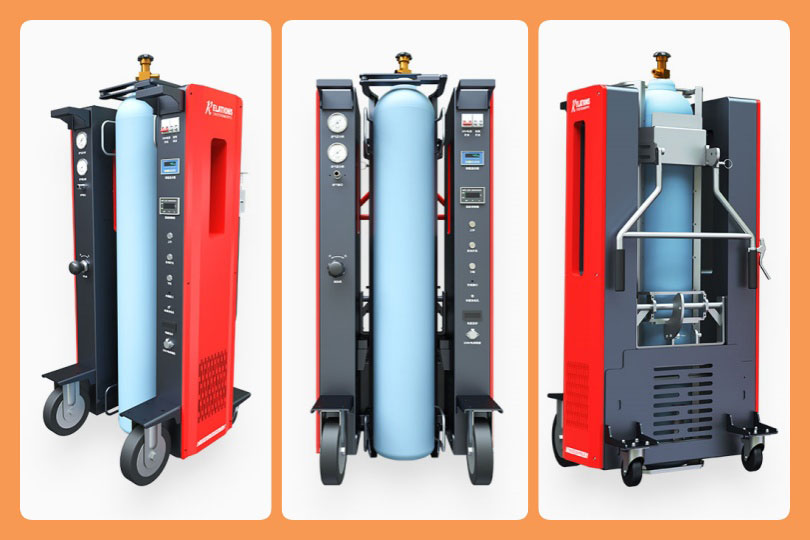
Utilities, substations, and industrial plants often store recovered SF6 in cylinders or gas carts. Periodic testing confirms whether stored gas remains suitable for reuse. A documented analysis program also improves traceability for greenhouse gas reporting and internal audits.
Third-Party Service and Commissioning Projects
For contractors and EPC companies, providing documented การทดสอบความบริสุทธิ์ของก๊าซ หลังจาก การกู้คืนก๊าซ SF6 demonstrates professionalism and reduces disputes during handover. Test records can confirm that filling gas meets the agreed acceptance standard before energization.
Do We Provide a Certificate of Analysis?
Yes. For qualified SF6 recovery and testing projects, a certificate of analysis can be provided based on measured test results. The certificate typically includes the gas sample identification, equipment or cylinder number, test date, analyzer model, calibration status, measured values, pass/fail judgment, and reference criteria used for evaluation.
A certificate of analysis is especially valuable for substations, power utilities, industrial plants, and service contractors that need reliable documentation for maintenance records, environmental compliance, or project handover. For customized documentation requirements, users may contact [email protected] to request a free consultation on certificate format, test items, and acceptance standards.
How to Choose the Right SF6 Gas Analyzer for Recovery Projects
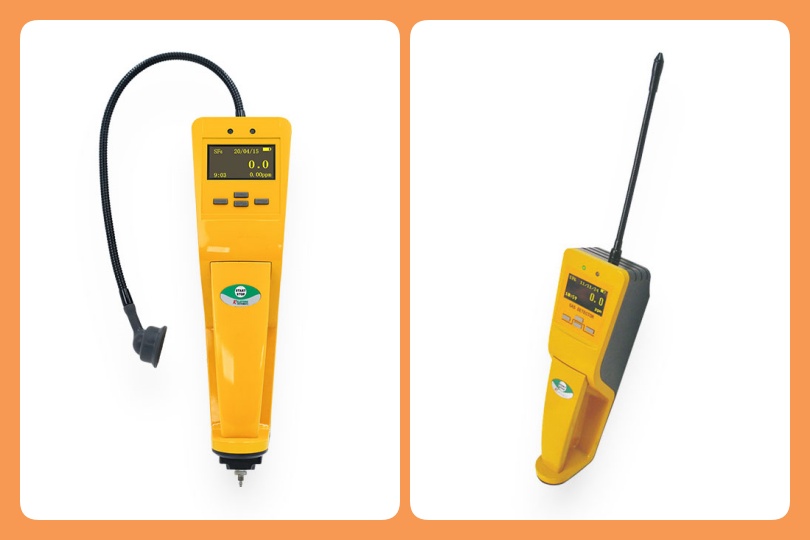
Selecting the correct เครื่องวิเคราะห์ก๊าซ SF6 is essential for accurate reuse decisions. A professional analyzer should match the site’s voltage level, testing frequency, reporting requirements, and environmental conditions.
| Selection Factor | Recommended Requirement | Why It Matters |
|---|---|---|
| Measurement Parameters | SF6 purity, moisture, SO2, and optional O2/N2 | Supports complete reuse evaluation |
| Accuracy and Repeatability | Suitable for industrial field testing | Reduces false pass/fail decisions |
| Calibration Traceability | Factory or accredited calibration certificate | Improves audit and compliance confidence |
| Data Recording | Digital storage, USB export, or report generation | Simplifies certificate preparation |
| Field Portability | Rugged design, battery operation, compact size | Supports substation and outdoor testing |
| Gas Handling Safety | Low sample consumption and gas return function | Reduces emissions and operator exposure |
Companies handling multiple substations or large SF6 inventories should consider analyzers with multi-gas capability, fast stabilization time, and automatic data logging. To receive one-on-one engineer guidance for analyzer selection and การนำ SF6 กลับมาใช้ใหม่ procedures, contact [email protected].
Best Practices for Reliable SF6 Reuse Decisions
Reliable reuse decisions depend on more than one test result. Operators should use clean sampling hoses, avoid moisture ingress during connection, purge sampling lines properly, and confirm that the analyzer is within its calibration period. Testing should be performed by trained personnel who understand both gas handling procedures and the electrical equipment being serviced.
Recovered gas that fails one parameter should not automatically be discarded. In many cases, purification, drying, or filtration can restore the gas to an acceptable condition. However, gas heavily contaminated by decomposition products or unknown substances should be evaluated carefully and handled according to safety data sheet requirements and local environmental regulations.
Purchasing Guide: SF6 Recovery and Testing Solutions
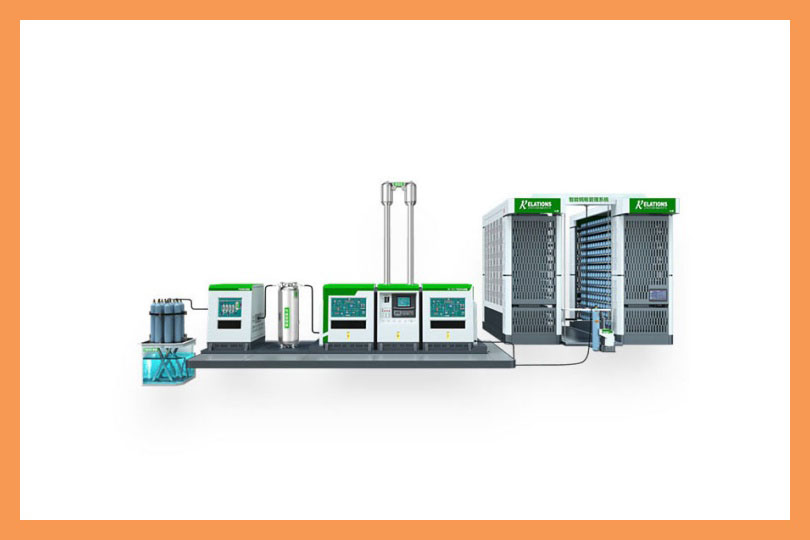
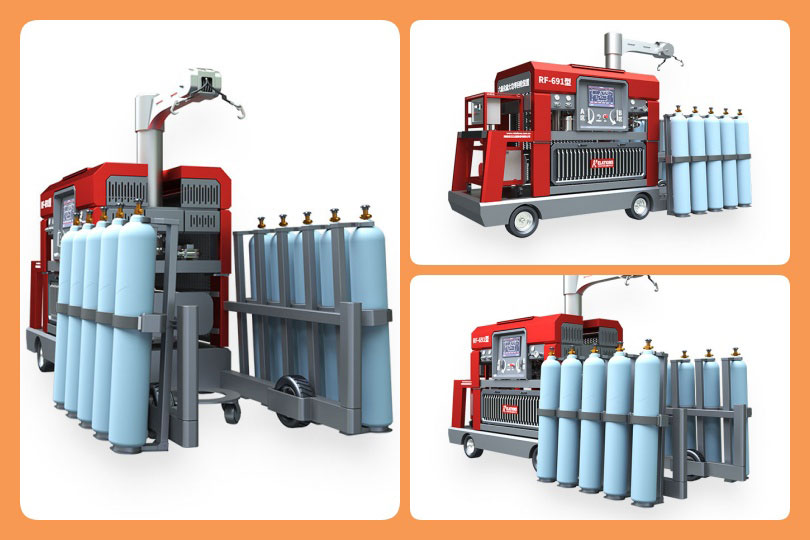
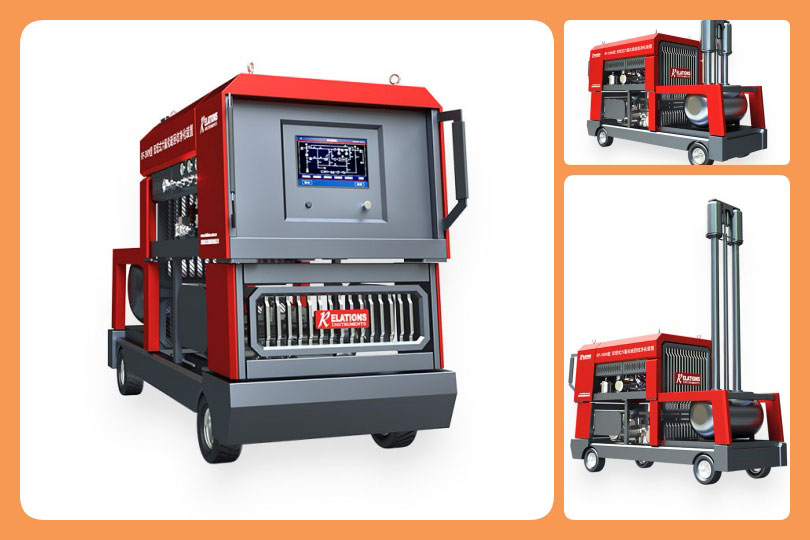
When purchasing SF6 recovery equipment or gas analysis instruments, buyers should evaluate the complete workflow rather than a single device. A practical solution may include a recovery cart, vacuum pump, filtration unit, gas storage cylinders, an เครื่องวิเคราะห์ก๊าซ SF6, certified calibration gases, and reporting software.
For B2B users, the most important purchasing criteria include equipment compatibility, recovery speed, final vacuum performance, filtration efficiency, after-sales support, spare parts availability, and documentation capability. If your site requires a customized on-site solution for การกู้คืนก๊าซ SF6, testing, and certification, you can request technical support at [email protected].
Frequently Asked Questions
Can recovered SF6 be reused immediately?
No. Recovered SF6 should be tested first. Reuse is recommended only when gas purity, moisture, air content, and decomposition by-products meet the required acceptance criteria.
Which standard applies to reused SF6 gas?
IEC 60480 is commonly referenced for SF6 reuse, while IEC 60376 applies to new SF6. Local regulations, OEM manuals, and utility standards may add stricter requirements.
What happens if the gas fails the purity test?
Failed gas may be purified, dried, filtered, or sent to a specialized recycling facility. The correct action depends on which parameter failed and how severe the contamination is.
Is SO2 testing necessary after every recovery?
SO2 testing is strongly recommended, especially after switching faults, abnormal equipment operation, or maintenance involving aged high-voltage assets. It provides an important indication of SF6 decomposition.
Does a certificate of analysis guarantee equipment safety?
A certificate confirms the tested gas quality at the time of analysis. It does not replace full equipment inspection, leak testing, electrical testing, or OEM maintenance requirements.
Conclusion
Post-recovery การทดสอบความบริสุทธิ์ของก๊าซ are essential for determining whether recovered SF6 is safe and suitable for reuse. By measuring SF6 purity, moisture, air content, and decomposition by-products with a calibrated เครื่องวิเคราะห์ก๊าซ SF6, operators can make defensible pass/fail decisions, reduce emissions, and improve the reliability of high-voltage equipment. A documented certificate of analysis further strengthens traceability, compliance, and confidence in every การนำ SF6 กลับมาใช้ใหม่ decision.