Affordable SF6 Gas Recycling Solutions That Cut Costs and Emissions
Date
2026-08-11
[email protected]
Website
www.sf6gasdetector.com
Get Solutions And Quotes
Contact Factory
Affordable SF6 Gas Recycling Solutions That Cut Costs and Emissions
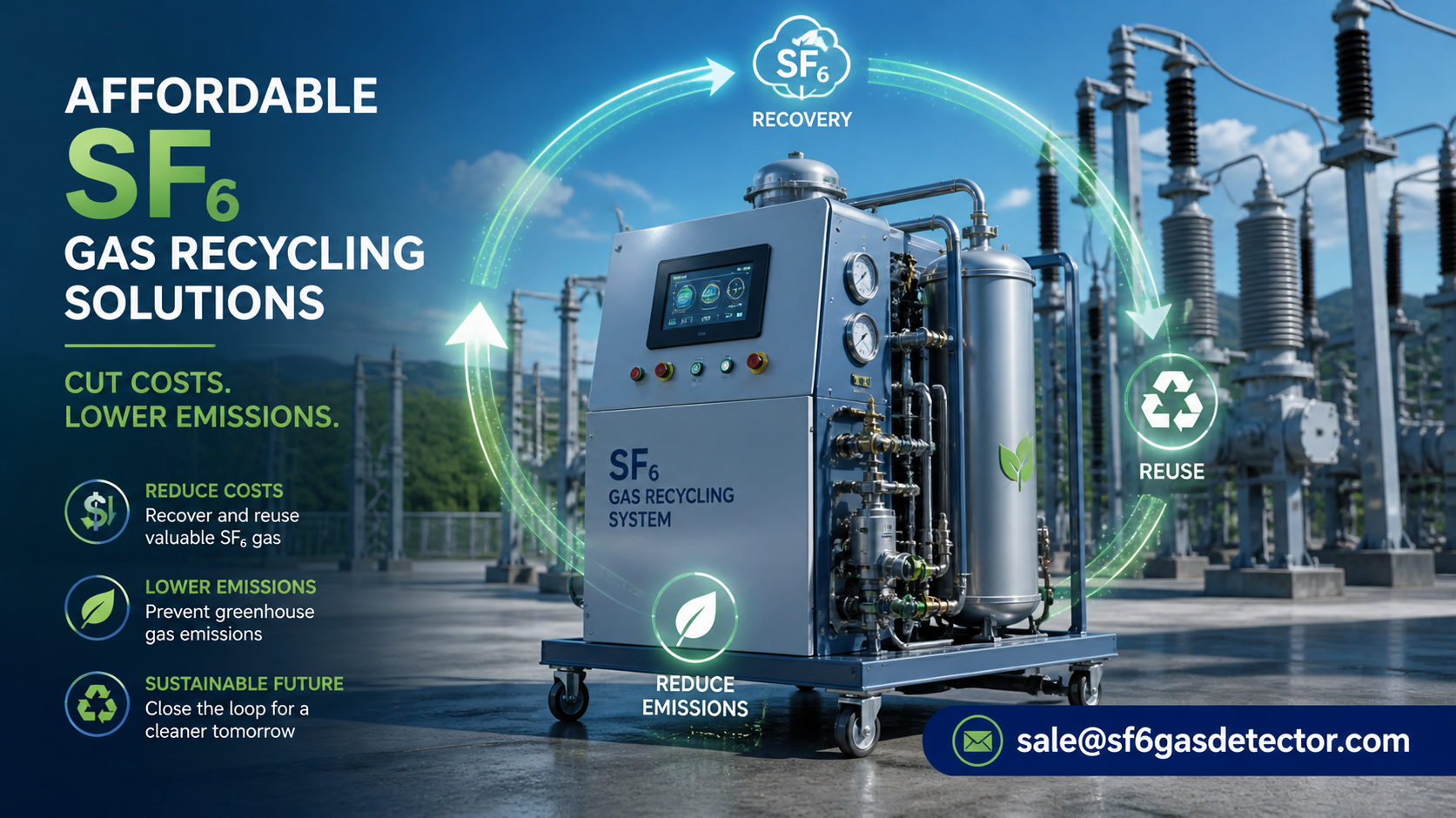
Affordable SF6 gas recycling solutions help utilities, switchgear manufacturers, service contractors, and industrial facilities manage sulfur hexafluoride responsibly while reducing the cost of purchasing replacement gas. SF6 remains widely used in high-voltage electrical equipment because of its excellent dielectric strength and arc-quenching performance. However, it is also a potent greenhouse gas, making proper recovery, recycling, storage, and reuse essential for environmental compliance and operational efficiency.
A cost-effective SF6 recycling program is not simply about buying the lowest-priced equipment. It requires reliable gas handling technology, accurate measurement, contamination control, trained personnel, and documented procedures that support safe reuse or compliant disposal. The right solution can reduce gas losses, avoid unnecessary virgin SF6 purchases, and help organizations meet increasingly stringent emissions-management expectations.
Why SF6 Gas Recycling Matters for Industrial Operations
SF6 is commonly found in gas-insulated switchgear (GIS), circuit breakers, ring main units, and other high-voltage assets. During maintenance, commissioning, repair, or end-of-life decommissioning, the gas must be recovered rather than released into the atmosphere.
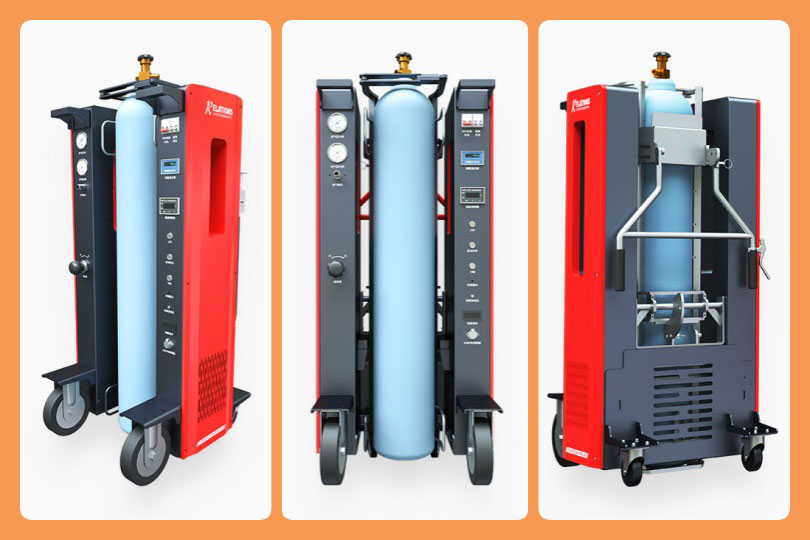
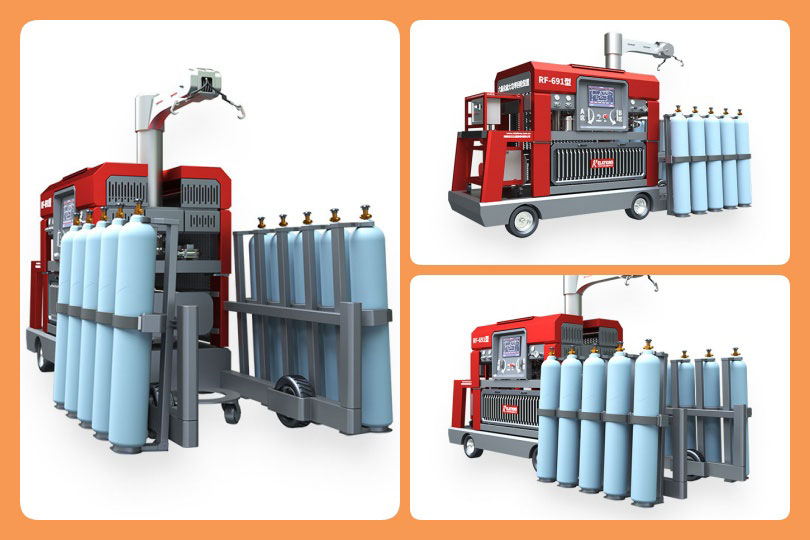
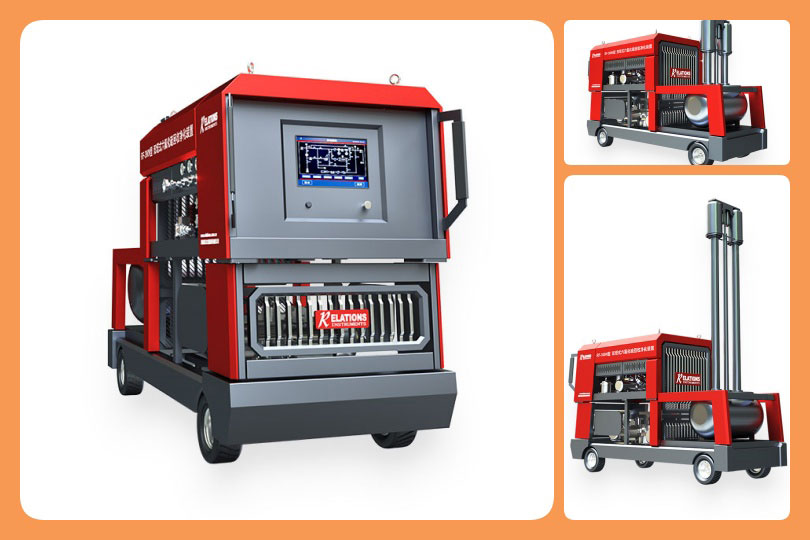
Affordable SF6 gas recycling solutions make this process accessible to organizations of different sizes. A compact recovery cart may be suitable for routine field service, while a larger fully automated recycling unit may be appropriate for switchgear factories and high-volume maintenance centers.
The business benefits are clear:
- Lower operating costs through gas recovery and reuse
- Reduced dependence on virgin SF6 purchases
- Better control of gas inventory and cylinder handling
- Lower risk of avoidable emissions and associated reporting issues
- Improved maintenance quality through clean, dry, tested gas
- Stronger environmental performance for utility and industrial customers
Because SF6 has a very high global warming potential, preventing leakage is also an important part of corporate sustainability programs and environmental management systems.
Core Components of an SF6 Recycling System
An effective SF6 gas recovery and recycling system should be selected according to equipment voltage class, gas volume, contamination level, service frequency, and required purity standard.
Gas Recovery and Vacuum Capability
The SF6 gas recovery unit should transfer SF6 from electrical equipment into approved storage cylinders or tanks with minimal gas loss. For practical field work, operators often need a system that can recover gas down to a low residual pressure and evacuate the equipment before refilling.
Vacuum performance is important because moisture and air contamination can reduce the quality of recovered gas. A suitable system typically combines a robust compressor, vacuum pump, filtration stage, and precision pressure monitoring.
Filtration and Purification
Recovered SF6 may contain moisture, air, particulate matter, decomposition by-products, or compressor oil residue. A high-quality recycling unit uses filters and adsorbents to remove contaminants before the gas is returned to service.
For gas intended for reuse, the purification process should be aligned with the required quality criteria for the specific equipment manufacturer and application. In many high-voltage applications, gas quality assessment follows the principles set out in IEC 60480, which provides guidance for the reuse of SF6 and its mixtures after reclamation.
Gas Quality Measurement
A complete SF6 recycling workflow should include gas analysis rather than relying only on pressure readings. Key parameters generally include:
- SF6 concentration or purity
- Moisture content, commonly expressed as dew point
- Air or nitrogen content
- Concentration of relevant decomposition products where applicable
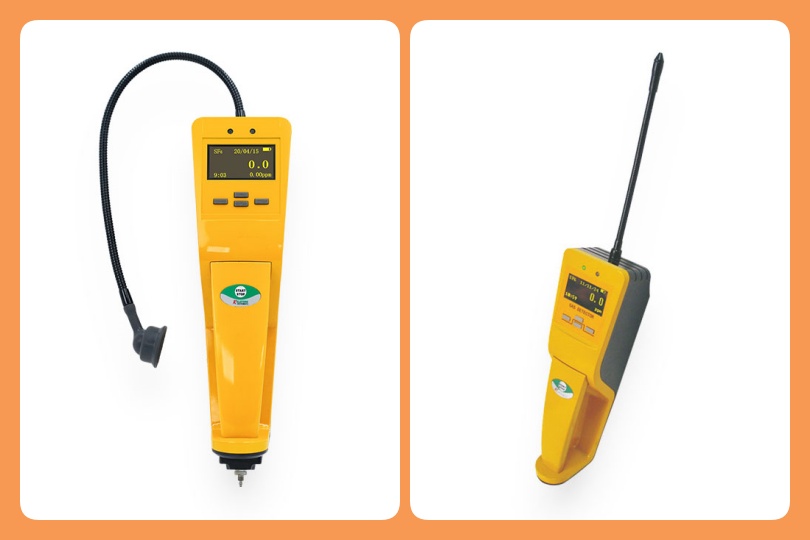
Portable SF6 analyzers allow technicians to make informed decisions about whether recovered gas can be reused, requires further purification, or should be sent to an authorized treatment facility.
Safe Storage and Transfer Connections
Use certified gas cylinders, compatible hoses, pressure-rated couplings, and leak-tight self-sealing connectors. Improper transfer accessories can cause costly losses even when the recovery machine itself performs well.
Equipment should be designed and operated in accordance with relevant electrical, pressure-equipment, and occupational safety requirements in the country of use. Operators should also follow manufacturer instructions and site-specific lockout, isolation, and gas-handling procedures.
Choosing Cost-Effective SF6 Recycling Equipment
The most affordable option is not always the smallest or least expensive machine. The better question is: what level of recovery capacity and automation will reduce total lifecycle cost for your operation?
For Field Maintenance Teams
Mobile service teams typically benefit from compact SF6 recovery carts with moderate recovery rates, integrated vacuum pumps, reusable filter cartridges, and durable wheels for substation access. These systems are practical for routine circuit-breaker maintenance, leak repairs, and emergency gas transfer work.
Look for clear instrument displays, low-maintenance components, easy cylinder connection options, and a design that prevents accidental venting during hose disconnection.
For Utilities and Large Substations
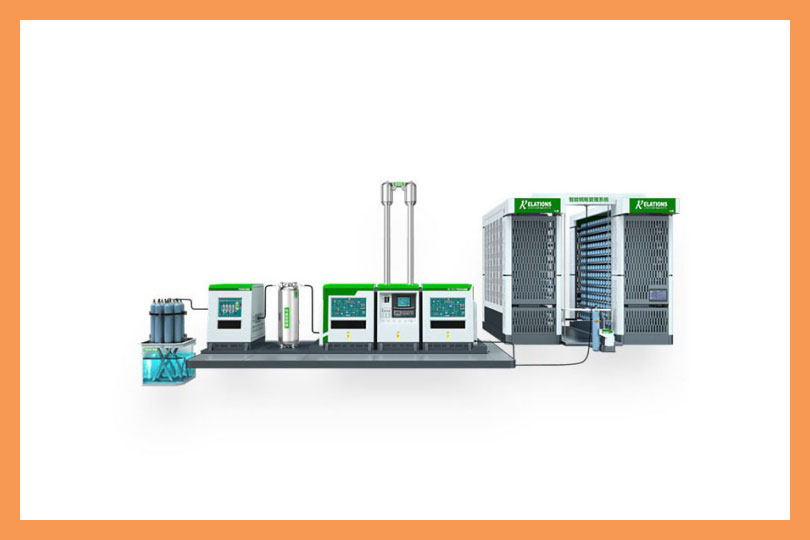
Utilities managing large GIS fleets may require higher-capacity SF6 gas handling equipment with automated recovery, liquid transfer capability, internal storage tanks, and data logging. While the initial investment is higher, faster processing and lower gas losses can provide a favorable return over repeated maintenance cycles.
For project-specific sizing, one-on-one guidance from engineers can help determine the required recovery rate, storage capacity, vacuum level, and analyzer configuration.
For Manufacturers and Service Centers
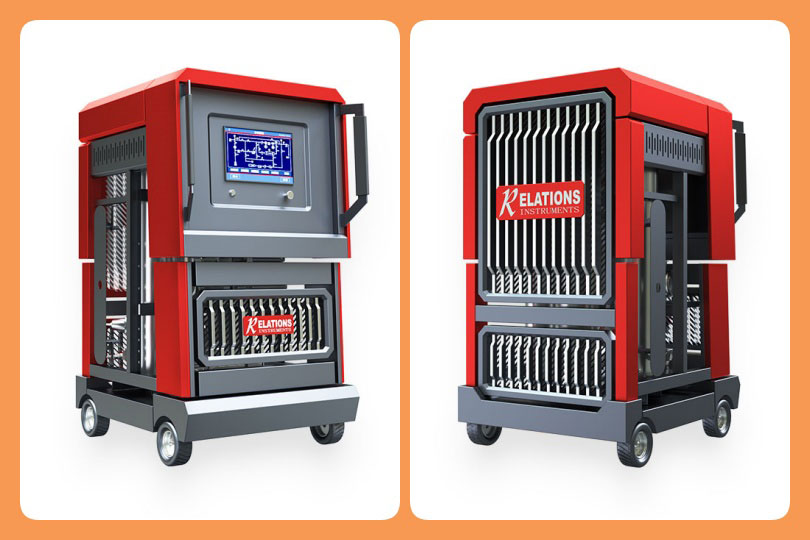
Switchgear manufacturers and central service facilities often need a more controlled gas-management workflow. A fixed or semi-automatic SF6 recycling station can support incoming gas inspection, cylinder filling, purification, vacuum drying, and traceable batch records.
This approach supports quality assurance and can be integrated into ISO 9001 quality-management processes or ISO 14001 environmental-management objectives. Organizations should retain gas inventory, maintenance, test, and disposal records to demonstrate responsible handling.
Compliance Considerations for SF6 Recycling
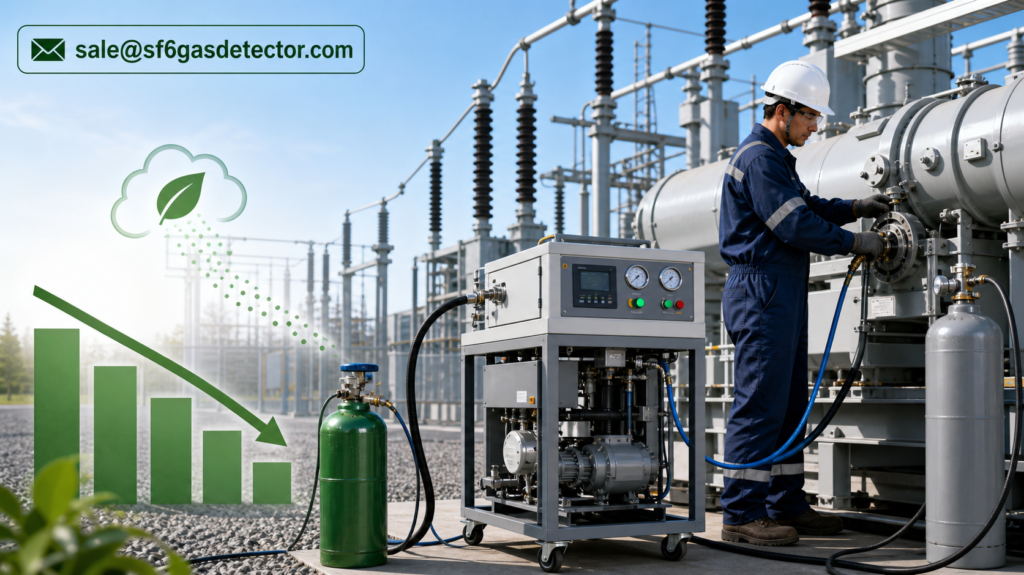
SF6 handling requirements vary by country and region, but the operational principle is consistent: prevent emissions, recover gas during servicing, assess its condition, and manage unsuitable gas through authorized channels.
Internationally recognized technical references include IEC 60480 for the reuse of SF6 after reclamation and IEC 62271-series standards for high-voltage switchgear applications. In Europe, fluorinated greenhouse gas rules impose restrictions and reporting obligations for certain SF6 uses. In the United States and other regions, utilities may also face emissions-reporting requirements under environmental regulations or voluntary greenhouse-gas reduction programs.
A compliant SF6 recycling process should include:
- Trained and competent operators
- Leak checking before and after servicing
- Controlled recovery and evacuation procedures
- Gas quality testing before reuse
- Clearly labeled, traceable storage cylinders
- Safe treatment or disposal routes for contaminated gas and by-products
- Maintenance records for recovery equipment and analyzers
Practical Steps to Reduce SF6 Handling Costs
Organizations can improve affordability by standardizing procedures across teams. Use the same hose connections, cylinder types, analyzer methods, and reporting templates where possible. Preventive maintenance is equally valuable: replacing worn seals, checking connectors, and calibrating analyzers can avoid expensive gas losses.
It is also wise to compare equipment based on recovery speed, filter replacement cost, power requirements, operator time, warranty support, and available spare parts—not purchase price alone. For procurement planning, you can quickly obtain product quotations for recovery carts, purification units, gas analyzers, and supporting accessories matched to your operating conditions.
Frequently Asked Questions
Can recovered SF6 gas be reused?
Yes, provided it is tested and confirmed suitable for reuse according to the applicable equipment requirements and recognized guidance such as IEC 60480. Gas with excessive moisture, air, or decomposition products may require purification or authorized disposal.
What is the difference between SF6 recovery and SF6 recycling?
Recovery means removing SF6 from equipment and transferring it to storage. Recycling generally includes additional filtration, purification, testing, and preparation of the gas for safe reuse.
How often should SF6 gas quality be tested?
Testing is recommended after recovery, before refilling critical equipment, after fault interruption events, and whenever contamination or leakage is suspected. The exact interval should follow the equipment manufacturer’s maintenance guidance and site procedures.
What makes an SF6 recycling solution affordable?
Affordability comes from reducing total ownership cost: minimizing gas loss, recovering reusable gas, limiting downtime, simplifying operator workflows, and selecting equipment capacity that fits actual service volume.