SF6 Cylinder Recycling Cost Estimate: Factors, Compliance, and Budget Planning
Date
2026-08-11
[email protected]
Website
www.sf6gasdetector.com
Get Solutions And Quotes
Contact Factory
SF6 Cylinder Recycling Cost Estimate: Factors, Compliance, and Budget Planning
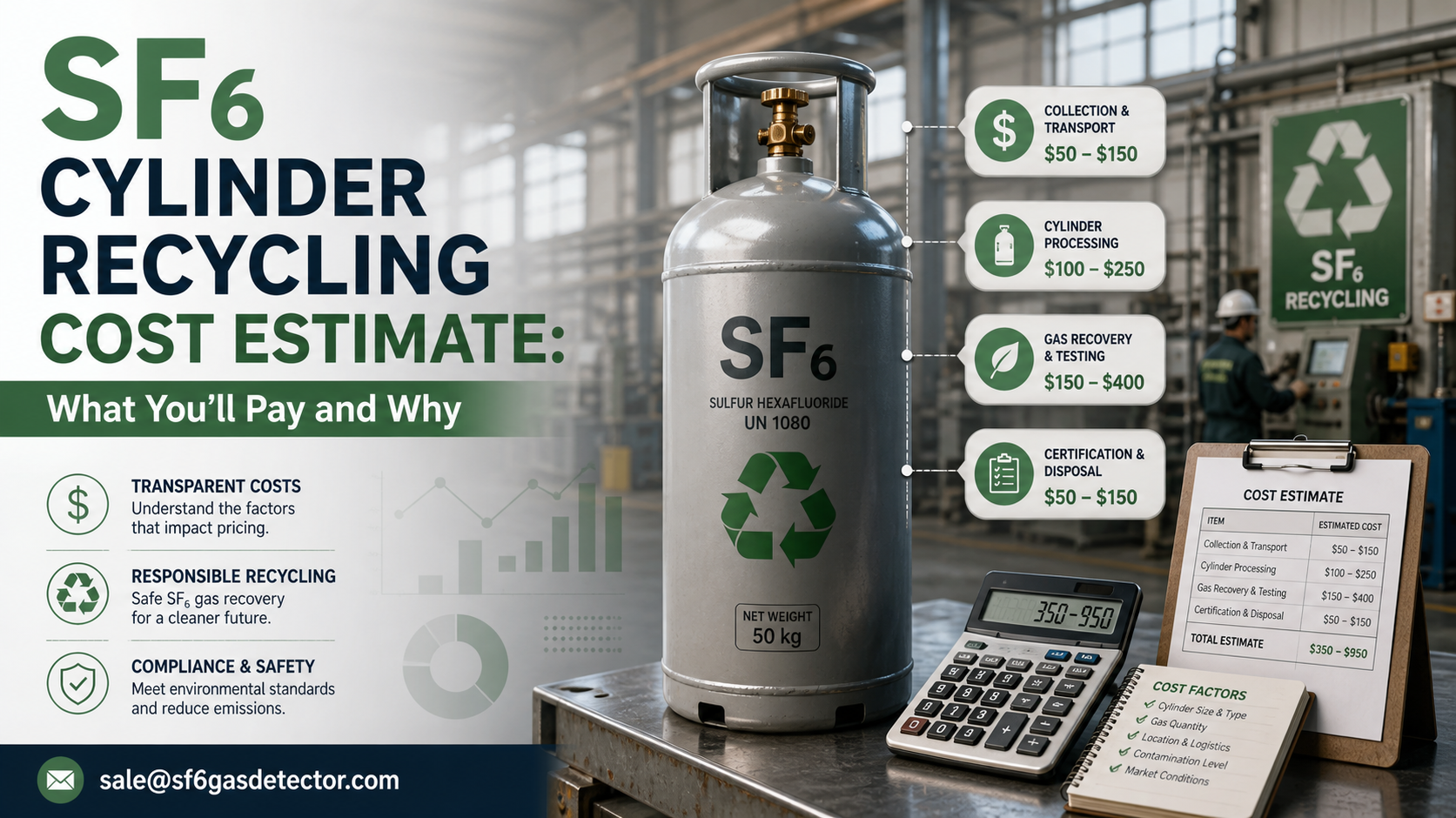
An accurate SF6 cylinder recycling cost estimate helps utilities, electrical contractors, switchgear manufacturers, and industrial service teams plan compliant end-of-life handling for sulfur hexafluoride (SF6). Because SF6 is a highly potent greenhouse gas, the cost of recycling is not limited to cylinder collection or disposal. It may include gas recovery, purity testing, transport, cylinder inspection, valve removal, documentation, and treatment through an authorized recycling or reclamation provider.
The right approach protects workers, supports environmental reporting, and reduces the risk of avoidable emissions. More importantly, it allows organizations to compare recycling options based on total lifecycle cost rather than the lowest initial service price.
What Is Included in an SF6 Cylinder Recycling Cost Estimate?
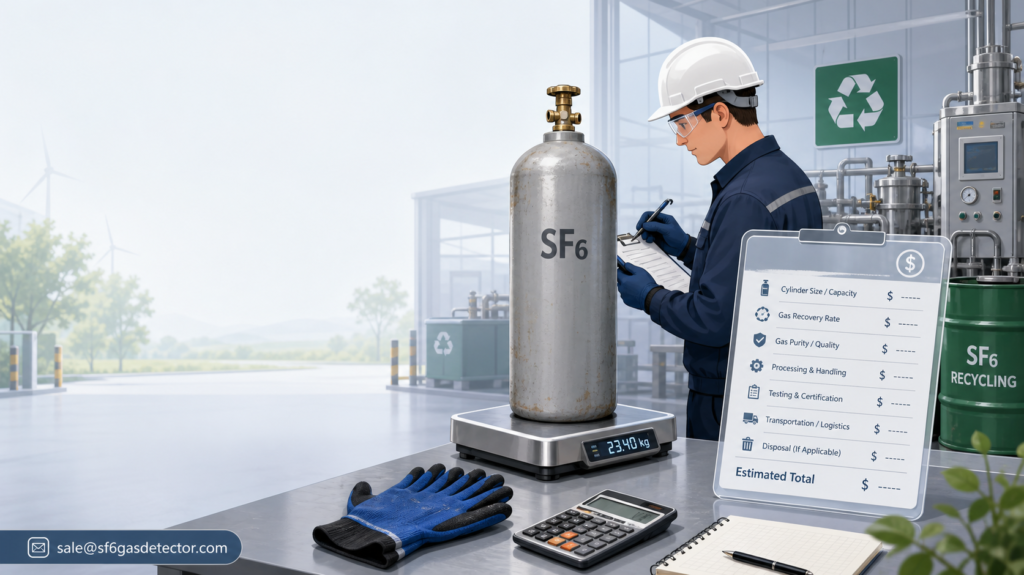
A professional SF6 cylinder recycling quotation normally combines several service elements. The exact scope depends on whether the cylinder is empty, partially filled, contaminated, damaged, or beyond pressure-service life.
1. SF6 Gas Recovery and Handling
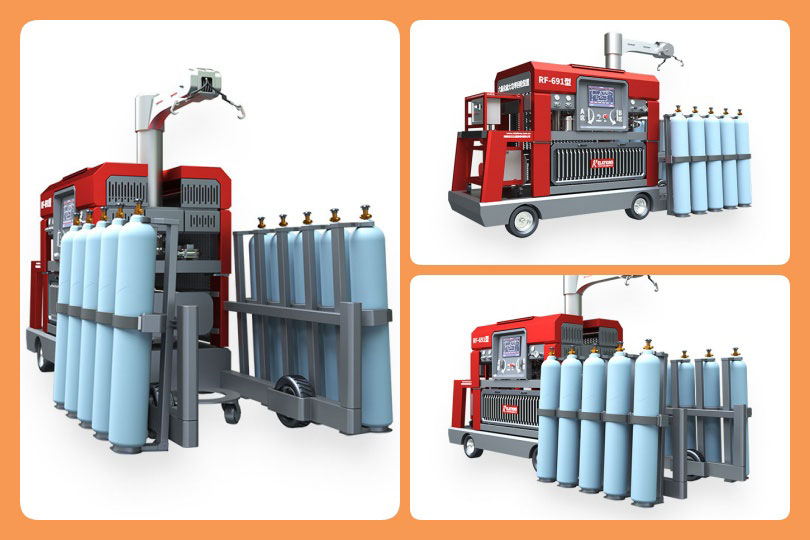
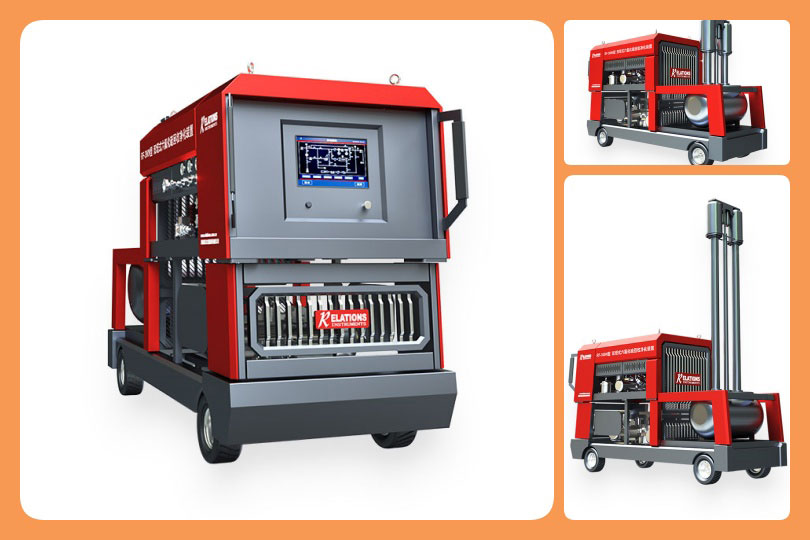
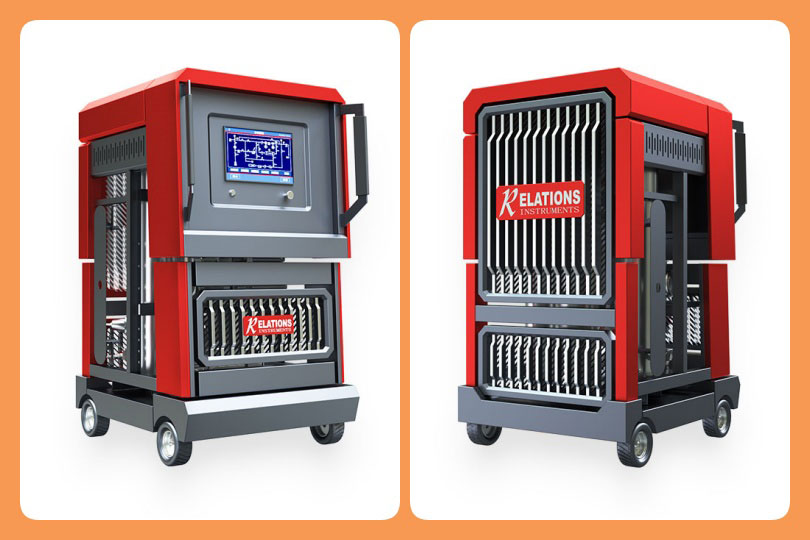
If residual SF6 remains in the cylinder, a qualified technician must recover it using sealed gas-handling equipment before the cylinder can be recycled. The recovered gas may be reclaimed for reuse if it meets required quality specifications, or it may require further processing if contaminated by air, moisture, decomposition by-products, or insulating oil.
Gas recovery costs often depend on:
- The estimated SF6 mass remaining in the cylinder
- Cylinder size and valve configuration
- Required recovery rate and emission-control procedures
- Whether on-site service is needed
- Gas purity and contamination level
A cylinder with recoverable, high-purity gas can sometimes offer a credit or offset against the overall SF6 cylinder recycling cost estimate. Conversely, heavily contaminated gas generally requires more labor and specialist processing.
2. Cylinder Inspection, Degassing, and Valve Processing
Even an apparently empty SF6 cylinder should be treated carefully. Residual pressure, gas traces, and valve condition must be assessed before the vessel enters a metal recycling stream. Depending on local requirements and the recycler’s procedures, the cylinder may need complete evacuation, purging, valve removal, and permanent rendering of the pressure vessel.
Costs increase when cylinders are corroded, physically damaged, lacking identification markings, or suspected of containing mixed gases. Cylinders that cannot be safely transported may also need site-specific handling arrangements.
3. Transportation and Hazardous Material Logistics
Transport can be a major variable in an SF6 cylinder recycling cost estimate, particularly for remote substations, offshore facilities, or projects involving multiple cylinders. Freight pricing may reflect pickup distance, cylinder quantity, weight, packaging requirements, and whether the shipment contains pressurized gas.
Consolidating cylinders into planned collection batches can reduce per-unit transport costs. Before scheduling pickup, confirm the cylinder inventory, fill status, serial numbers, and any known contamination history. This information allows the recycling provider to select appropriate transport and recovery equipment.
Key Cost Drivers for SF6 Cylinder Recycling
There is no universal fixed price for SF6 cylinder disposal and recycling. A reliable estimate should be based on a documented assessment rather than a generic per-cylinder figure.
Cylinder Condition and Remaining Gas Volume
A certified, intact cylinder with known contents is typically less expensive to manage than an unknown or damaged vessel. The remaining gas quantity affects recovery time, storage capacity, and potential reclamation value. An accurate cylinder weight, tare weight, and pressure reading help establish the likely SF6 inventory.
Gas Quality and Contamination Risks
SF6 used in high-voltage switchgear can degrade under electrical arcing. Decomposition products may include corrosive or toxic substances that require enhanced worker protection and decontamination procedures. Where contamination is suspected, a gas analysis should be included in the recycling plan.
Testing for moisture, air content, and decomposition products helps determine whether the gas is suitable for reclamation. This step supports both cost control and responsible environmental management.
Documentation and Regulatory Compliance
Compliance documentation is an essential part of a professional recycling service. Depending on the jurisdiction, records may include gas recovery logs, waste transfer documentation, cylinder identification records, transport papers, and certificates of recycling or destruction.
Organizations should work with providers that follow recognized SF6 handling practices and applicable local environmental laws. Relevant technical references commonly include IEC 62271-4 for SF6 handling and reuse in high-voltage equipment, IEC 60376 for technical-grade SF6, and IEC 60480 for the reuse of SF6 recovered from electrical equipment. In the United States, EPA requirements and state-level hazardous-waste or transport rules may also apply. In the European Union, applicable fluorinated greenhouse gas regulations and national waste rules should be reviewed.
How to Reduce SF6 Cylinder Recycling Costs Without Compromising Compliance
Cost reduction should focus on planning, traceability, and emissions prevention—not on bypassing recovery requirements.
Maintain Accurate Cylinder Records
Track each cylinder’s identification number, purchase date, tare weight, gas type, fill weight, location, and inspection status. Reliable records make it easier to determine whether a cylinder can be returned, refilled, reclaimed, or sent for final recycling.
Separate Clean and Contaminated Gas Streams
Do not mix gas from different equipment histories unless quality has been confirmed. Separating clean SF6 from suspect or contaminated gas can preserve reclaimable inventory and avoid unnecessary treatment costs.
Schedule Preventive Recovery Services
Recovering SF6 during planned maintenance is usually more efficient than responding to an urgent cylinder removal issue. Combining switchgear maintenance, gas testing, and cylinder collection can reduce mobilization and logistics expenses.
For project-specific pricing, quickly obtain a product quotation by providing cylinder quantity, capacity, location, estimated gas content, and whether the cylinders have been used with electrical equipment.
Selecting a Qualified SF6 Recycling Partner
A capable provider should demonstrate practical experience with SF6 recovery, gas analysis, pressure cylinders, and high-voltage equipment service. Ask how the provider prevents atmospheric releases, manages contaminated gas, documents recovery quantities, and verifies the final recycling route.
Look for service processes aligned with recognized quality, environmental, and occupational safety systems, such as ISO 9001, ISO 14001, and ISO 45001 where applicable. These certifications do not replace legal compliance, but they can provide evidence of structured controls for quality, environmental performance, and worker safety.
The best partner will also explain the commercial assumptions behind the SF6 cylinder recycling cost estimate. Transparent quotations should distinguish between recovery, testing, transport, cylinder processing, documentation, and any optional reclamation services.
Where gas condition or equipment history is unclear, receive one-on-one guidance from engineers before arranging transport or disposal. Early technical review can prevent incorrect handling, unnecessary freight, and unexpected treatment charges.
Frequently Asked Questions
How much does SF6 cylinder recycling cost?
The cost varies by cylinder size, remaining SF6 quantity, gas quality, transport distance, and local compliance requirements. Empty, certified cylinders with clear records generally cost less to process than damaged or contaminated cylinders containing residual gas.
Can SF6 gas be recycled and reused?
Yes. Recovered SF6 can often be reclaimed and reused when it is processed and verified against applicable quality requirements, such as IEC 60480 guidance for SF6 recovered from electrical equipment. Gas that does not meet reuse criteria requires suitable treatment by an authorized provider.
Can an empty SF6 cylinder be sent directly to a scrap recycler?
Not usually without verification. A cylinder must first be confirmed as fully evacuated and safely prepared. Residual SF6, pressure, valve components, and cylinder markings may require controlled handling before metal recycling.
What information is needed for an accurate estimate?
Provide the number of cylinders, water capacity or cylinder size, estimated gas content, cylinder condition, current location, equipment history, known contamination concerns, and required completion date. These details support a realistic, compliant, and cost-effective recycling plan.