Avoid Costly Gas Leaks with China SF6 Gas Detector Wholesale Solutions
Date
2026-08-07
[email protected]
Website
www.sf6gasdetector.com
Get Solutions And Quotes
Contact Factory
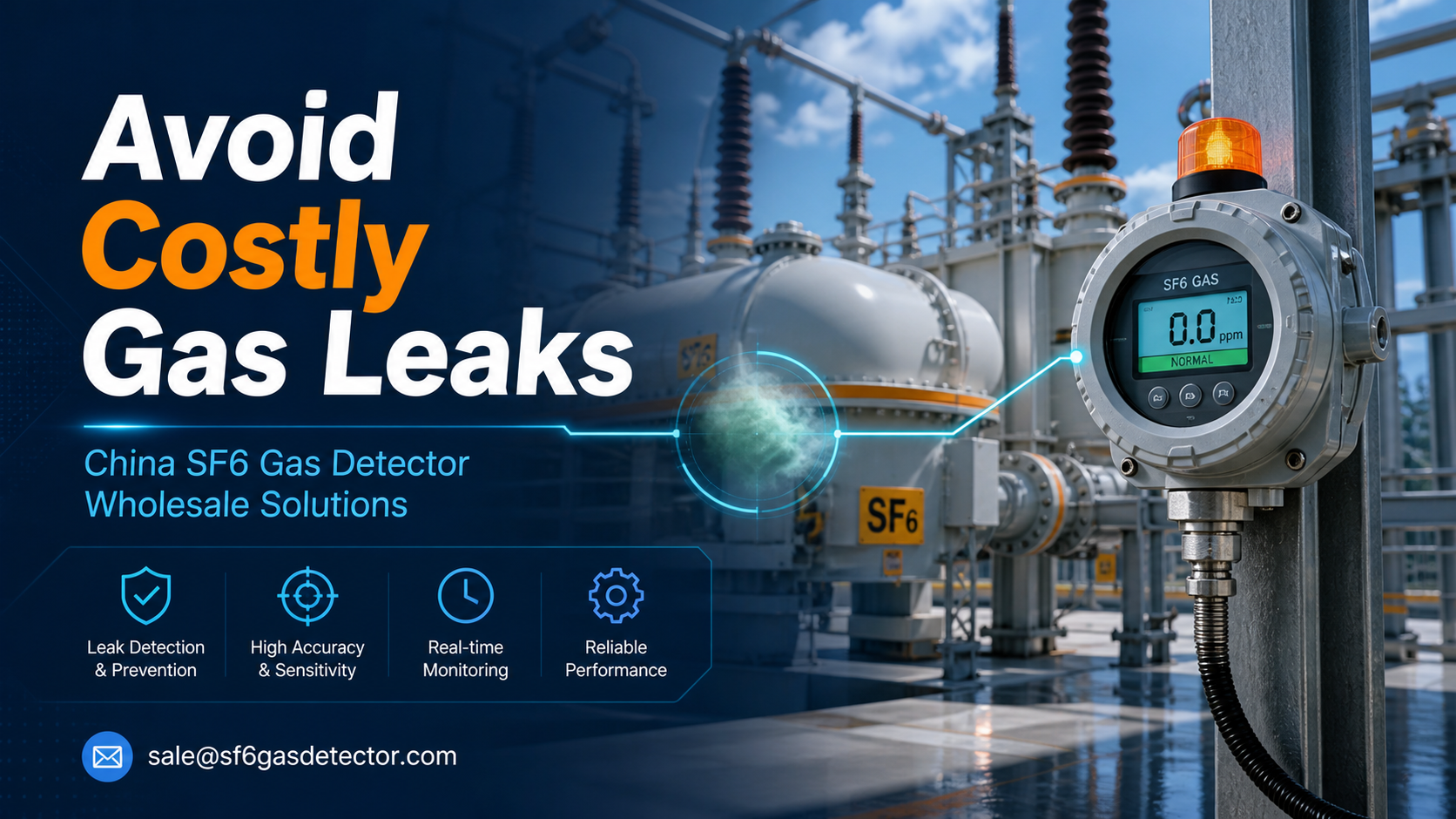
Avoid Costly Gas Leaks with China SF6 Gas Detector Wholesale Solutions
Choosing a reliable China SF6 gas detector wholesale supplier requires more than comparing unit prices. Industrial buyers must evaluate detection performance, calibration traceability, environmental suitability, alarm functions, after-sales support, and compliance documentation. The right sulfur hexafluoride monitoring solution helps utilities, switchgear manufacturers, maintenance contractors, and industrial facilities detect leaks early, protect personnel, reduce gas losses, and support responsible emissions management.
Why Source SF6 Gas Detectors from China?
China has a mature manufacturing ecosystem for gas-sensing components, portable instruments, fixed monitoring systems, and customized industrial control equipment. This gives qualified suppliers the ability to offer competitive lead times, scalable production, and product configurations for different operating environments.
The main advantages of professional China SF6 gas detector wholesale sourcing include:
- Competitive pricing for distributors, engineering contractors, and multi-site projects
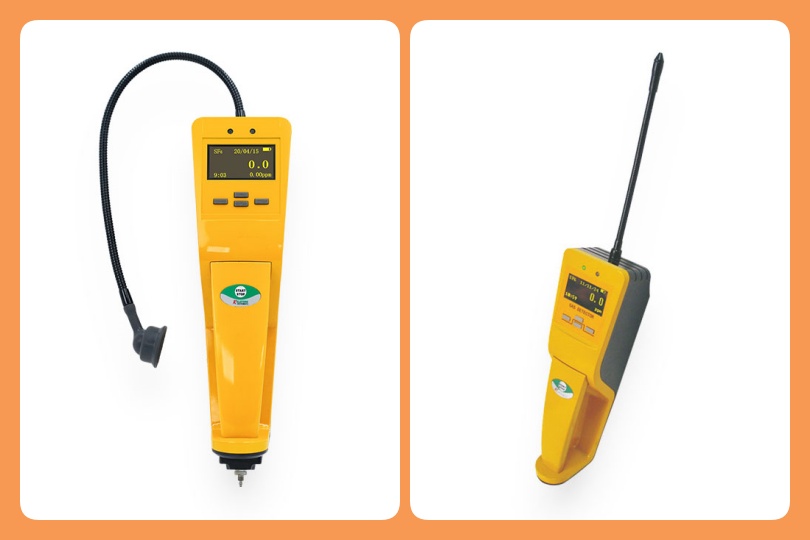
- Portable, handheld, and fixed-monitor options
- Configurable measuring ranges and alarm thresholds
- Integration with ventilation systems and centralized control platforms
- OEM and ODM services for branding, enclosures, communication protocols, and accessories
- Technical support for installation, calibration, commissioning, and maintenance
Price should not be the only deciding factor. A dependable supplier must provide verifiable specifications, suitable test records, clear operating instructions, and responsive engineering support.
Core Advantages of Industrial SF6 Gas Detectors
Early Leak Detection
SF6 is widely used as an insulating and arc-quenching gas in high-voltage electrical equipment. Because it is a potent greenhouse gas, prompt leak detection is important for equipment reliability, inventory control, and environmental management. Sensitive instruments can identify small releases before they develop into larger maintenance problems.
Improved Workplace Safety
SF6 is generally stable and nonflammable under normal conditions, but accumulated gas can displace oxygen in enclosed or poorly ventilated spaces. Electrical arcing may also create hazardous decomposition products. An SF6 monitoring system should therefore complement ventilation, confined-space controls, risk assessments, and appropriate personal protective equipment. It is not a substitute for an oxygen monitor where oxygen deficiency is a credible hazard.
Lower Operating Costs
Finding leaks early can reduce gas replacement expenses, unplanned outages, and emergency repairs. Fixed detectors provide continuous monitoring, while portable units help technicians inspect flanges, valves, joints, cable terminations, and other potential leak points during preventive maintenance.
Flexible System Integration
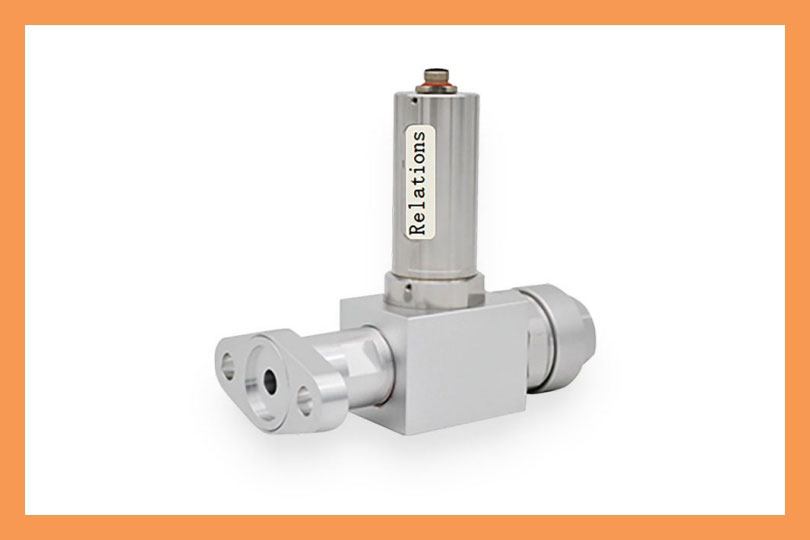
Modern fixed SF6 detectors may support relay outputs, 4–20 mA signals, or RS-485/Modbus communication. These interfaces enable connection to audible and visual alarms, exhaust fans, programmable logic controllers, or building management systems.
For application-specific recommendations, buyers can request a free technical consultation before selecting a configuration.
Typical SF6 Gas Detector Parameters
Specifications differ by model and sensing technology. The following table presents common procurement categories rather than guaranteed values for every product.
| Parameter | Portable Detector | Fixed Detector | Procurement Consideration |
|---|---|---|---|
| Primary function | Inspection and leak location | Continuous area monitoring | Match the instrument to the monitoring objective |
| Measuring unit | ppm, concentration, or leak-rate indication | Usually ppm or configured concentration | Confirm units before comparing models |
| Response time | Model-dependent | Model-dependent | Request the stated test conditions |
| Alarm method | Audible, visual, vibration where available | Audible/visual, relay, remote alarm | Verify alarm visibility in noisy areas |
| Output | Display, data storage, optional USB | Relay, 4–20 mA, RS-485/Modbus | Check compatibility with the control system |
| Power supply | Rechargeable battery | Commonly DC or AC-powered | Confirm local voltage and backup requirements |
| Protection level | Varies by enclosure | Often selected for installation environment | Verify the documented IP rating |
| Calibration | Periodic calibration required | Periodic calibration or functional testing | Ask about traceability and service intervals |
| Installation | Handheld operation | Wall-mounted or panel-integrated | Review sampling height and airflow |
| Customization | Probe, case, language, branding | Range, alarm, protocol, enclosure | Confirm minimum order quantity and lead time |
Always obtain a model-specific datasheet. Measuring range, resolution, accuracy, cross-sensitivity, warm-up time, humidity limits, and calibration intervals must be evaluated together.
Key Application Scenarios
High-Voltage Substations and Switchgear Rooms
Fixed SF6 gas detectors are commonly installed in gas-insulated switchgear rooms, indoor substations, and cable areas. Because SF6 is denser than air, sensors are often positioned near likely accumulation zones. Final placement must follow a site risk assessment that considers ventilation, airflow, room geometry, leak sources, and local electrical safety rules.
Electrical Equipment Manufacturing
Switchgear manufacturers use detectors during assembly, pressure-hold testing, quality inspection, and final acceptance. Portable instruments are especially useful for checking seals, filling ports, valves, and welded connections.
Utility Maintenance and Field Service
Maintenance teams require durable, easy-to-operate detectors for scheduled inspections and outage work. Useful features may include rapid recovery, a flexible probe, data logging, a rechargeable battery, and clear alarm indications.
SF6 Recovery and Gas-Handling Operations
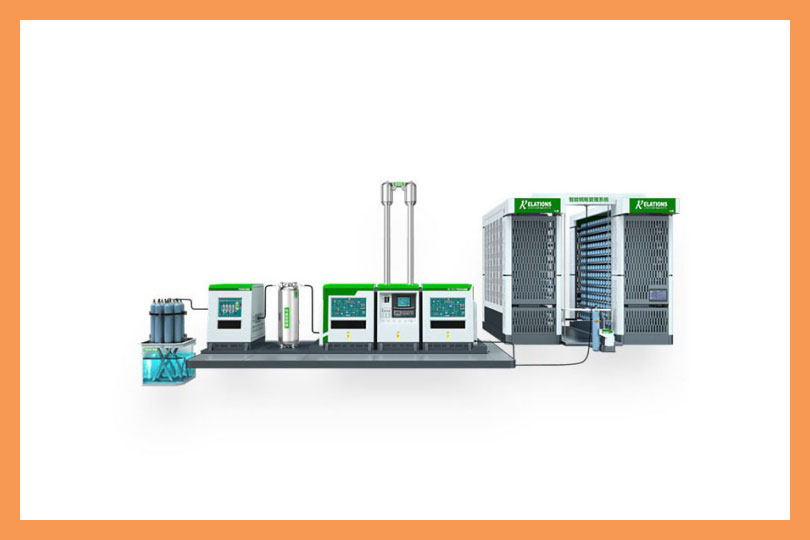
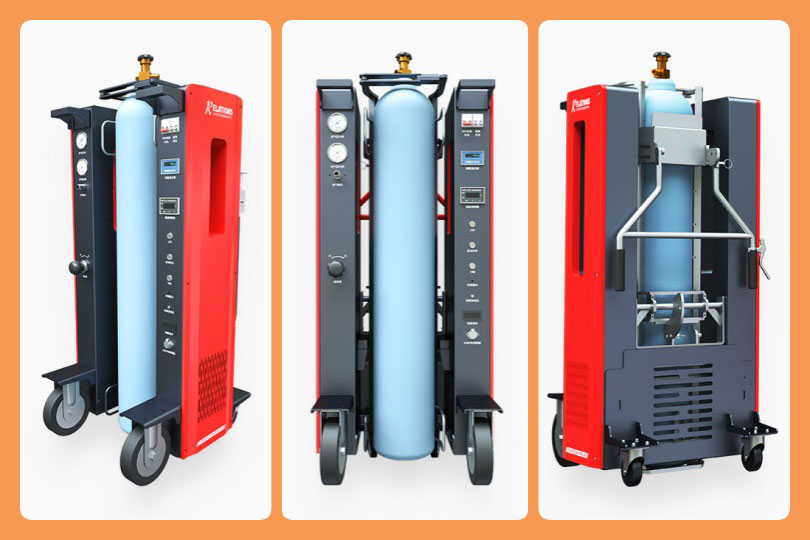
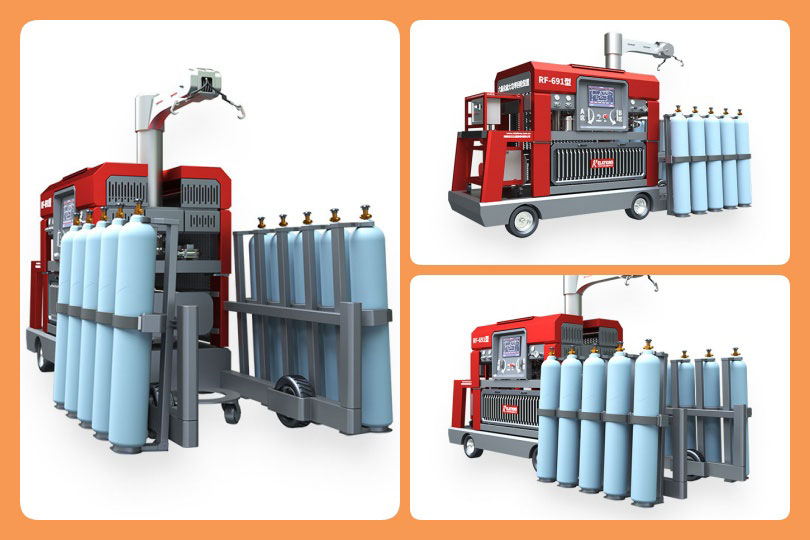
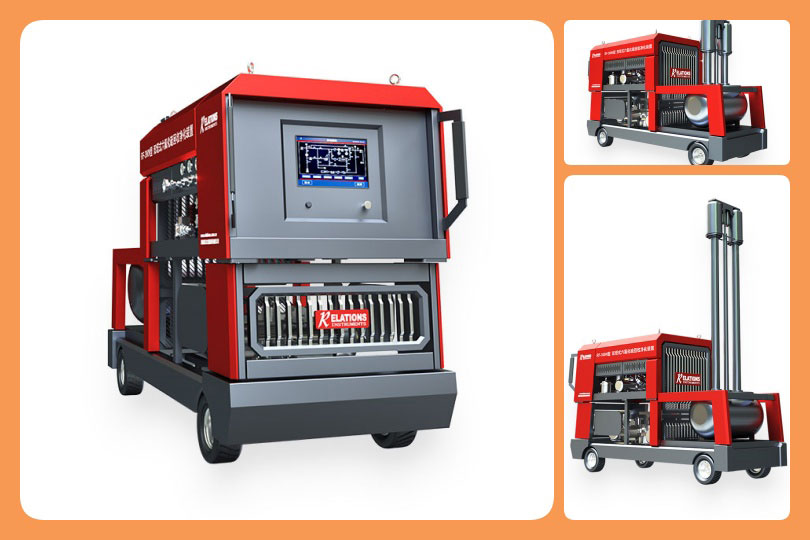
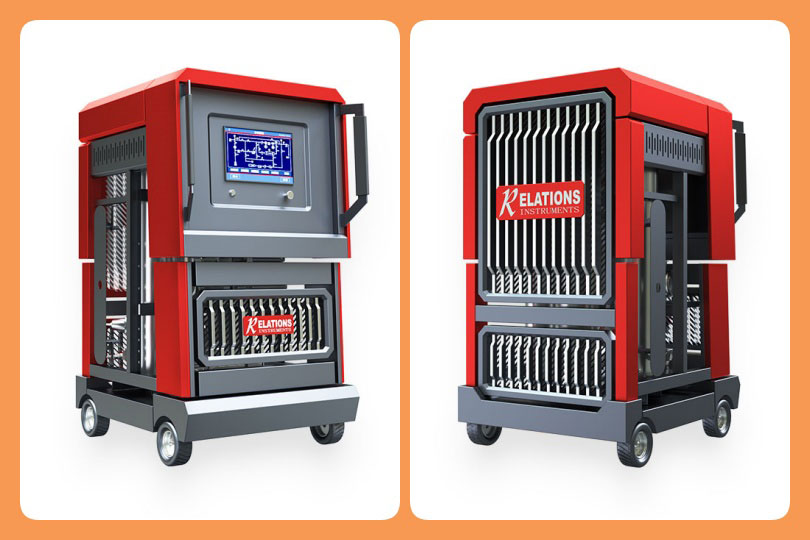
Gas recovery, transfer, filtration, and cylinder-management activities can create potential release points. Detection equipment supports leak checks around hoses, compressors, couplings, storage vessels, and recovery carts.
Laboratories and Industrial Facilities
Research laboratories and facilities using SF6 in specialized processes may need either periodic surveys or continuous monitoring. The correct solution depends on gas quantity, room volume, ventilation, occupancy, and applicable occupational safety requirements.
How to Choose a China SF6 Gas Detector Wholesale Supplier
Define the Measurement Objective
Determine whether the priority is locating very small leaks, monitoring room concentration, activating ventilation, recording long-term trends, or testing equipment after maintenance. A portable leak detector and a fixed area monitor serve different purposes.
Review Technical Evidence
Ask the supplier for datasheets, calibration information, response-time conditions, environmental limits, electromagnetic compatibility documentation, and applicable conformity records. Depending on the destination market and application, relevant requirements may include CE-related directives, RoHS restrictions, IEC electrical safety or EMC standards, and local workplace regulations. Claims should be supported by valid documentation rather than logos alone.
Evaluate Lifecycle Support
Wholesale procurement should cover more than delivery. Confirm spare-sensor availability, recommended bump-test and calibration procedures, warranty terms, remote support, replacement lead times, and expected sensor service life.
Compare Total Cost of Ownership
A low purchase price can become expensive if the instrument requires frequent sensor replacement, lacks local communication compatibility, or cannot be calibrated efficiently. Compare acquisition cost, accessories, installation, training, calibration, maintenance, and downtime.
Buyers planning substations or multi-room installations can obtain a customized on-site monitoring solution based on room layout, alarm logic, and system-integration requirements.
Purchasing Checklist for Wholesale Orders
Before placing a China SF6 gas detector wholesale order, confirm:
- Detector type and intended application
- Measuring range, resolution, accuracy, and response time
- Target gas and known cross-sensitivities
- Operating temperature and humidity
- IP rating and installation environment
- Power supply, plug type, and battery runtime
- Relay, analog, and digital communication requirements
- Alarm thresholds and ventilation interlock logic
- Calibration method and traceability
- Required certificates and destination-market documentation
- Order quantity, customization, warranty, and delivery schedule
Frequently Asked Questions
Can One Detector Provide Both Leak Location and Room Monitoring?
Some systems offer multiple functions, but portable leak detection and fixed safety monitoring have different performance priorities. Separate purpose-built instruments are often the more dependable choice.
How Often Should an SF6 Detector Be Calibrated?
Follow the manufacturer’s documented interval and the facility’s quality-management procedures. Calibration frequency may need to increase after sensor exposure, failed functional checks, harsh service, long storage, or critical safety use.
Does an SF6 Detector Replace an Oxygen Monitor?
No. SF6 detection identifies the target gas, while an oxygen monitor measures oxygen deficiency. Where asphyxiation risk exists, the site assessment may require both systems.
Can Alarm Thresholds Be Customized?
Many fixed detectors allow configurable alarm levels, relay behavior, and communication settings. Thresholds should be established through a documented risk assessment and applicable occupational requirements, not selected arbitrarily.
What Information Is Needed for an Accurate Quotation?
Provide the application, detector quantity, monitoring range, installation environment, power supply, output protocol, certification destination, accessories, and customization needs. For specification review and one-on-one selection support, contact an SF6 detection engineer.
Building a Reliable SF6 Monitoring Program
Successful China SF6 gas detector wholesale procurement combines suitable sensing technology with documented compliance, correct installation, periodic functional testing, traceable calibration, and trained operators. By assessing lifecycle value instead of price alone, industrial buyers can build a dependable monitoring program that supports electrical reliability, workforce protection, and responsible SF6 emissions management.