How to Buy from an SF6 Regeneration Service Supplier for an SF6 Recovery Project
Date
2026-08-07
[email protected]
Website
www.sf6gasdetector.com
Get Solutions And Quotes
Contact Factory
How to Buy from an SF6 Regeneration Service Supplier for an SF6 Recovery Project
Selecting an SF6 regeneration service supplier for an SF6 recovery project requires more than comparing prices. Sulfur hexafluoride (SF6) is widely used as an insulating and arc-quenching medium in gas-insulated switchgear, circuit breakers, transformers, and other high-voltage equipment. Because SF6 has a very high global warming potential, recovery projects must prioritize gas containment, verified purification, safe handling, accurate documentation, and regulatory compliance. A qualified supplier can help asset owners return used gas to a reusable condition, reduce avoidable emissions, and control replacement-gas costs.
Core Advantages of Professional SF6 Regeneration Services
Professional regeneration turns contaminated or off-specification SF6 into a resource that may be suitable for reuse after treatment and testing. The exact process depends on the gas condition, equipment specifications, applicable regulations, and the agreed acceptance criteria.
Key advantages include:
- Reduced dependence on newly produced SF6
- Lower lifecycle costs for switchgear maintenance and decommissioning
- Controlled recovery from gas-insulated electrical equipment
- Removal of moisture, air, oil mist, particles, and certain decomposition products
- Laboratory-supported gas quality verification
- Traceable cylinder management and project documentation
- Lower risk of accidental releases during transfer and storage
- Support for circular gas-management and emissions-reduction programs
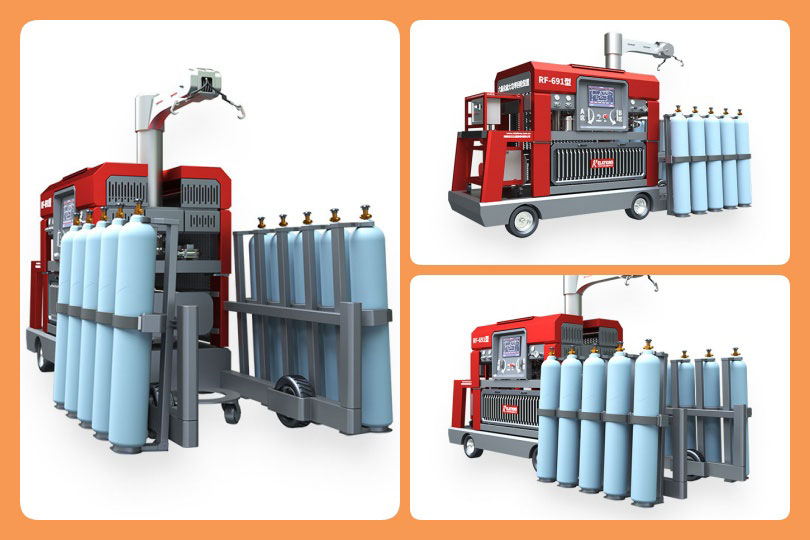
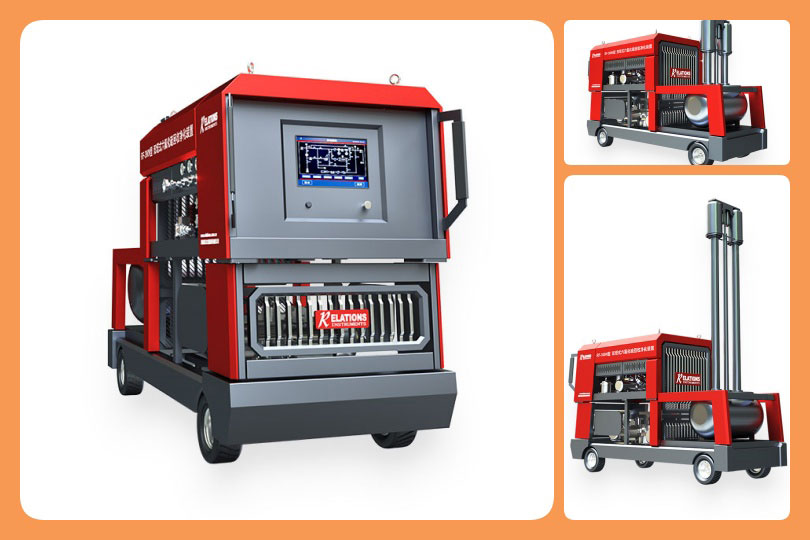
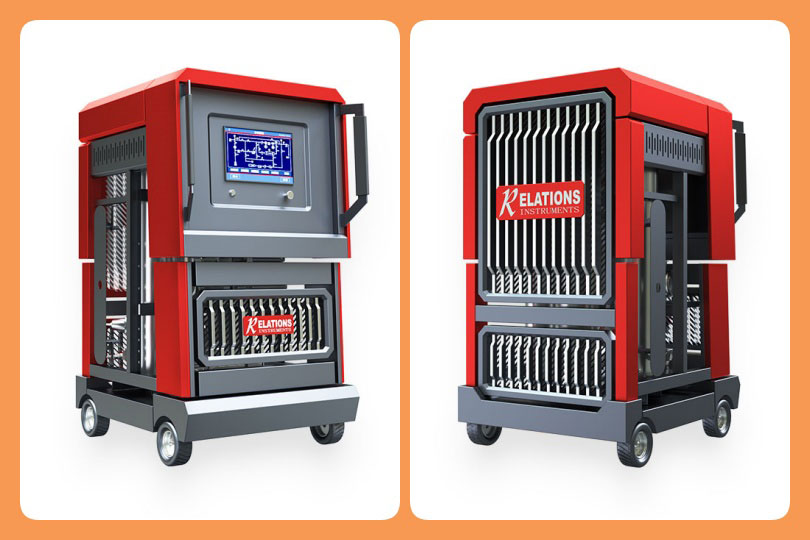
A capable SF6 regeneration service supplier for an SF6 recovery project should combine trained personnel, compatible recovery equipment, calibrated instruments, suitable storage containers, and documented operating procedures.
Typical Technical Parameters and Acceptance Criteria
Project specifications should distinguish between field recovery, purification, reclamation, analysis, storage, and final reuse. The following table presents common parameters that buyers may include in a request for quotation. Final limits must be agreed upon according to equipment manufacturers’ instructions, local laws, and recognized standards.
| Parameter | Typical Project Requirement | Verification Method |
|---|---|---|
| SF6 recovery pressure | Defined by equipment design and recovery unit capability | Calibrated pressure or vacuum measurement |
| Gas purity | Project-specific; often assessed against reuse specifications | Gas analyzer or laboratory analysis |
| Moisture content | Agreed limit based on equipment and gas standard | Calibrated dew-point/moisture analyzer |
| Air or non-condensable gases | Below the specified reuse threshold | Gas chromatography or compatible analyzer |
| Acidity/decomposition products | Within the applicable acceptance limit | Detector tubes, sensors, or laboratory methods |
| Particle and oil contamination | Controlled through filtration and inspection | Filter records and laboratory testing |
| Storage cylinders or tanks | Rated, inspected, labeled, and legally transportable | Certificate and visual inspection |
| Weighing accuracy | Suitable for project mass-balance reporting | Calibrated weighing equipment |
| Final documentation | Recovery quantity, test results, cylinder IDs, and disposition | Project completion report |
ISO 11650 provides guidance concerning the handling of SF6 and its mixtures, while IEC 60480 addresses specifications for the reuse of SF6 and its mixtures in electrical equipment. Buyers should also consider applicable environmental rules, occupational safety requirements, dangerous-goods transport regulations, and national electrical-industry procedures.
Key Applications for SF6 Recovery and Regeneration
Maintenance of Gas-Insulated Switchgear
During planned GIS maintenance, SF6 must often be removed before compartments are opened. A regeneration service can recover, filter, dry, analyze, and store the gas for potential reuse. Correct evacuation and leak-control practices help prevent air ingress and emissions.
Circuit Breaker Repair or Replacement
High-voltage circuit breakers may contain gas affected by moisture, air, or arc-generated by-products. Service personnel should assess hazards before connection and use appropriate personal protective equipment when decomposition products may be present.
Substation Modernization and Decommissioning
Large SF6 recovery projects may involve multiple gas compartments, cylinders, and work areas. The supplier should provide an equipment inventory, cylinder tracking system, mass-balance method, schedule, and contingency plan for contaminated gas.
Emergency Response and Leak Remediation
When equipment develops a significant leak, rapid recovery can limit further releases. Emergency work should remain controlled: the electrical asset must be isolated, made safe, and handled according to the owner’s lockout/tagout procedures and the equipment manufacturer’s instructions.
For a project-specific recovery plan and equipment recommendation, request a free technical consultation.
How to Evaluate an SF6 Regeneration Service Supplier
Confirm Technical Capability
Ask the supplier to define recovery capacity, achievable vacuum level, filtration stages, moisture-removal capability, gas-analysis methods, cylinder options, and handling procedures. Equipment ratings must be appropriate for the expected gas volume and operating pressure.
Review Quality Assurance
Reliable suppliers use calibrated instruments and maintain calibration certificates, service logs, gas-sampling procedures, and chain-of-custody records. The quotation should clearly state who decides whether regenerated gas is accepted for reuse.
Verify Safety and Compliance
Request evidence of personnel training, risk assessment, emergency procedures, pressure-system controls, and transport compliance. Where required, personnel should hold relevant electrical, hazardous-material, or refrigerant-like gas-handling qualifications recognized by the project jurisdiction.
Compare the Total Project Scope
The lowest service price may exclude mobilization, cylinders, laboratory testing, contaminated filters, transportation, waste treatment, or final reporting. Compare quotations on a like-for-like basis.
| RFQ Item | Information to Provide |
|---|---|
| Equipment type | GIS, breaker, transformer, test system, or mixed assets |
| SF6 quantity | Estimated kilograms and number of compartments |
| Gas condition | Known purity, moisture, air content, or contamination history |
| Site details | Location, access, power supply, elevation, and work restrictions |
| Required outcome | Reuse, temporary storage, off-site regeneration, or disposal |
| Standards | Contractual, manufacturer, national, and company requirements |
| Schedule | Planned outage dates and permissible working hours |
| Deliverables | Test certificates, mass balance, cylinder register, and final report |
For an accurate commercial proposal, send these details to [email protected] and obtain a customized on-site solution.
Purchasing Guide for an SF6 Recovery Project
Before issuing a purchase order, define the gas acceptance specification, sampling points, test frequency, expected recovery rate, responsibility for unsuitable gas, and documentation format. Include clear provisions for leakage prevention, cylinder identification, instrument calibration, and the treatment of filters or residues containing decomposition products.
A practical supplier comparison should examine:
- Relevant project experience and references
- Recovery and purification equipment capacity
- Gas-quality testing and traceability
- Safety procedures and trained personnel
- Compliance with applicable environmental and transport rules
- Response time, mobilization cost, and service coverage
- Warranty, acceptance criteria, and completion documentation
One-on-one engineering guidance can help clarify these requirements before tendering. Contact the supplier’s SF6 project engineering team with your gas inventory and site conditions.
Frequently Asked Questions
Can all recovered SF6 be regenerated and reused?
No. Reuse depends on contamination levels, gas composition, applicable standards, equipment requirements, and legal restrictions. Severely contaminated gas may require specialized off-site treatment or authorized disposal.
How is regenerated SF6 quality confirmed?
Quality is confirmed through calibrated field instruments and, where necessary, laboratory testing for purity, moisture, air, acidity, and other contaminants. Results should be recorded in a certificate or project report.
What information is needed for a supplier inquiry?
Provide the equipment type, estimated SF6 quantity, number of compartments, gas pressure, known contamination, site location, outage schedule, required standards, and desired final disposition.
Is on-site regeneration always appropriate?
Not always. On-site processing can reduce transportation and turnaround time, but heavily contaminated gas, restricted sites, or large volumes may favor off-site regeneration at a dedicated facility.
What documentation should be delivered?
Typical deliverables include recovered and returned gas quantities, cylinder identification, analyzer results, calibration references, work records, emissions or loss estimates, and the final disposition of non-reusable gas.