Prevent Costly Leaks with SF6/CF4 Gas Quality Verification and Leak Detection
Date
2026-08-07
[email protected]
Website
www.sf6gasdetector.com
Get Solutions And Quotes
Contact Factory
Prevent Costly Leaks with SF6/CF4 Gas Quality Verification and Leak Detection
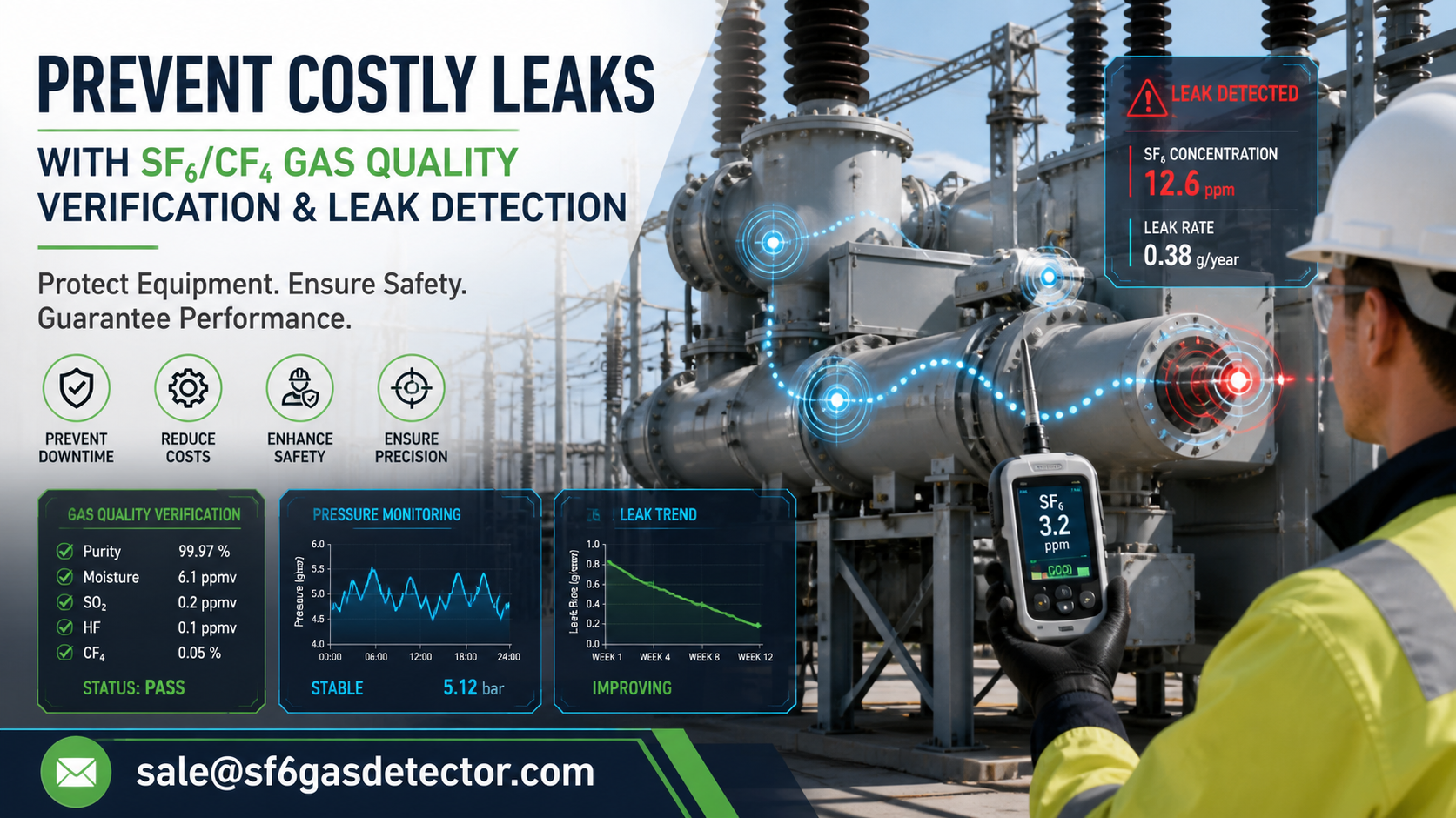
SF6/CF4 Gas Quality Verification and Leak Detection is an essential maintenance practice for gas-insulated electrical equipment, semiconductor processes, research facilities, and other industrial systems that depend on stable dielectric or process-gas performance. Sulfur hexafluoride (SF6) offers excellent insulating and arc-quenching properties, while carbon tetrafluoride (CF4) is widely used in plasma etching, cleaning, and specialized gas mixtures. Verifying gas purity, moisture content, decomposition by-products, pressure, and potential leakage helps operators protect equipment reliability, personnel safety, regulatory compliance, and operating costs.
Because both SF6 and CF4 are potent greenhouse gases, responsible handling also requires accurate monitoring, controlled recovery, and prompt leak repair. A well-designed verification program supports reliable asset management while reducing avoidable emissions.
Why Gas Quality Verification Matters
Gas quality can decline over time due to moisture ingress, air contamination, internal arcing, thermal stress, improper filling procedures, or leakage. In high-voltage SF6 equipment, degraded gas may reduce dielectric withstand capability and increase the risk of partial discharge or flashover. In CF4-based industrial processes, contamination can affect process repeatability, yield, chamber cleanliness, and product quality.
Key Benefits of Routine Testing
A structured SF6/CF4 gas quality verification and leak detection program provides several practical advantages:
- Confirms whether gas remains suitable for continued service.
- Identifies moisture before insulation performance is compromised.
- Detects air ingress and gas dilution caused by leaks or handling errors.
- Reveals decomposition products associated with electrical faults in SF6 systems.
- Reduces greenhouse-gas emissions and unnecessary gas replacement costs.
- Supports preventive maintenance planning and traceable maintenance records.
- Improves compliance with applicable environmental, occupational safety, and equipment-management requirements.
For electrical applications, testing should be aligned with the equipment manufacturer’s instructions and relevant technical guidance, including IEC practices for SF6-handling procedures. Gas quality limits should never be assumed to be identical across all assets; rated pressure, compartment design, service duty, and manufacturer specifications must be considered.
Core Parameters for SF6 and CF4 Gas Assessment
The following table summarizes the principal parameters commonly evaluated during SF6/CF4 gas quality verification and leak detection.
| Parameter | Why It Is Measured | Typical Test Method | Operational Significance |
|---|---|---|---|
| Gas purity or concentration | Confirms the percentage of target gas in the compartment or supply | Infrared, thermal conductivity, or specialized gas analyzer | Low purity may indicate air ingress, incorrect filling, or cross-contamination |
| Moisture / dew point | Measures water vapor content | Dew-point sensor or moisture analyzer | Excess moisture can impair insulation and accelerate corrosion |
| Air content | Identifies nitrogen, oxygen, and other atmospheric gases | Multi-gas analyzer | Indicates leakage, inadequate evacuation, or improper gas handling |
| SF6 decomposition products | Assesses by-products generated by electrical stress or arcing | Electrochemical sensors, detector tubes, or laboratory analysis | May indicate internal faults and requires safe handling precautions |
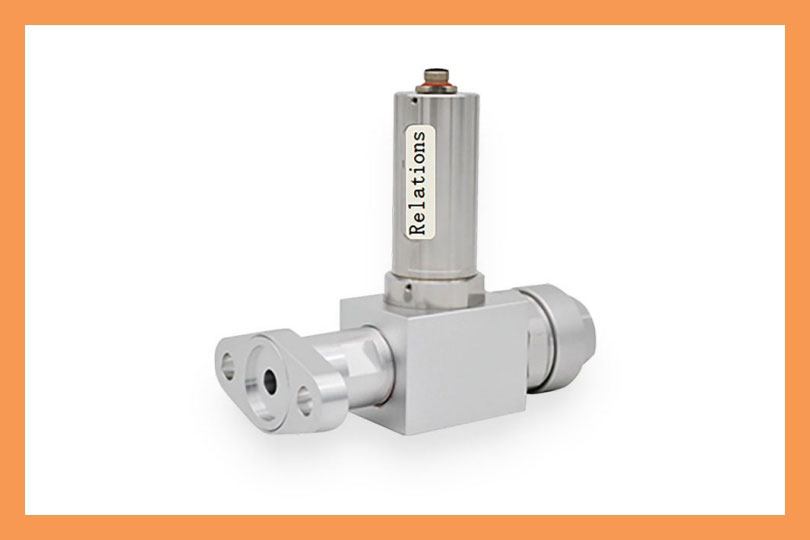
| Pressure and density | Confirms gas filling condition | Pressure gauge, density monitor, temperature-compensated sensor | Supports leak assessment and ensures correct insulating gas density |
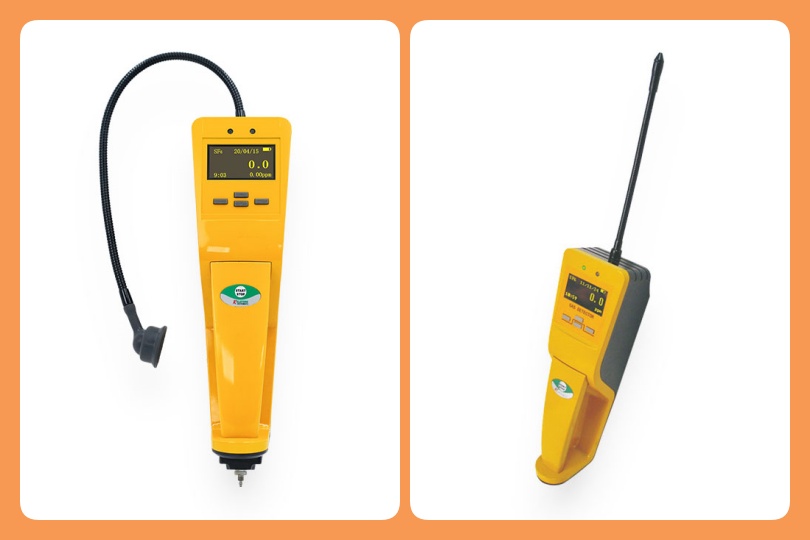
| Leak rate | Quantifies unintended gas loss | Electronic sniffer, ultrasonic detection, infrared imaging, pressure-trend analysis | Enables targeted repair and emissions reduction |
Understanding Measurement Results
Gas purity is only one part of the assessment. A compartment may show acceptable SF6 concentration but still contain excessive moisture or decomposition by-products. Likewise, a pressure drop may be caused by temperature variation rather than a true leak. Reliable interpretation requires temperature-compensated data, repeatable sampling procedures, calibrated instruments, and comparison with the equipment manufacturer’s acceptance criteria.
Key Application Scenarios
Gas-Insulated Switchgear and High-Voltage Equipment
GIS, circuit breakers, gas-insulated lines, and other SF6-filled assets require periodic gas condition checks to maintain insulation performance. Leak detection is particularly important around flanges, valves, density-monitor connections, bushings, seals, and welded joints. When abnormal decomposition products are detected, maintenance teams should follow approved safety procedures because certain SF6 by-products can be hazardous.
Semiconductor and Plasma Processing Facilities
CF4 is frequently used in etching, chamber cleaning, and plasma-based manufacturing. In these environments, CF4 gas quality verification helps prevent impurities from affecting process stability. Leak detection can also protect material utilization, reduce emissions, and support cleanroom safety protocols.
Gas Recovery, Filling, and Recycling Operations
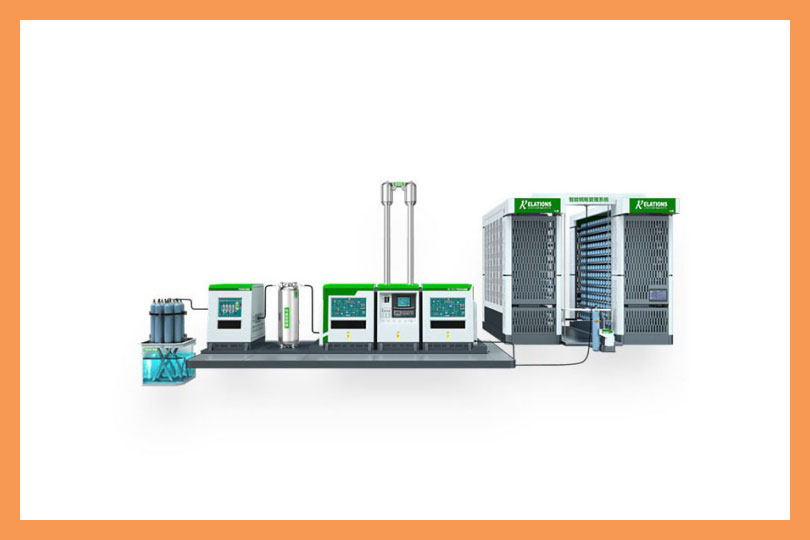
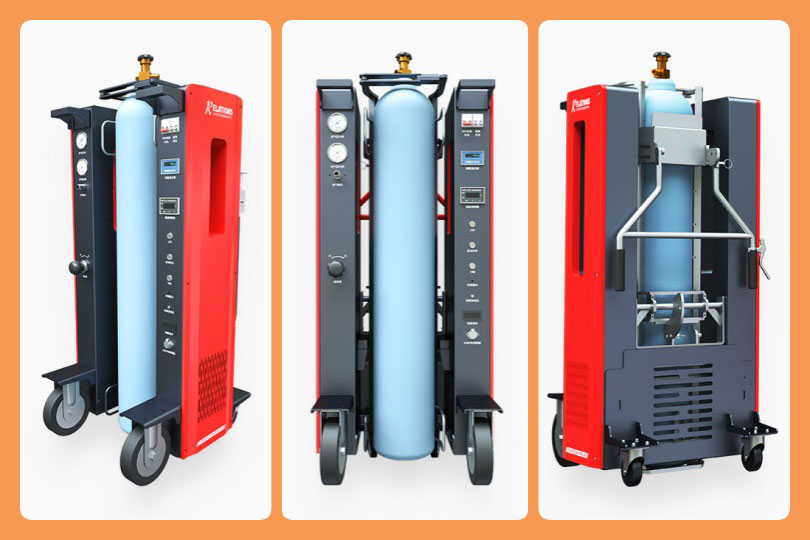
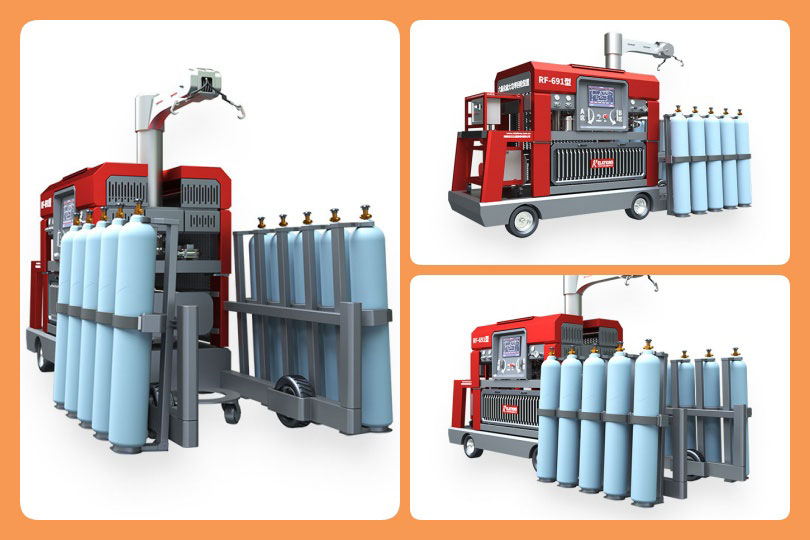
During SF6 recovery and filling, portable analyzers help confirm the condition of recovered gas before reuse, reclamation, or disposal. Testing before and after handling improves traceability and reduces the risk of introducing contaminated gas into critical equipment.
For a customized on-site testing plan covering GIS maintenance, gas recovery, or industrial CF4 applications, contact the technical team at [email protected] for a free consultation.
Selecting Equipment for SF6/CF4 Gas Quality Verification and Leak Detection
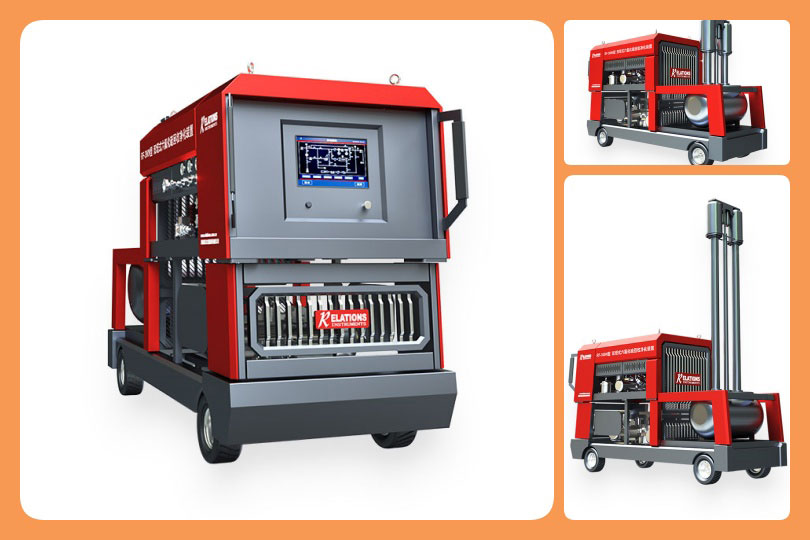
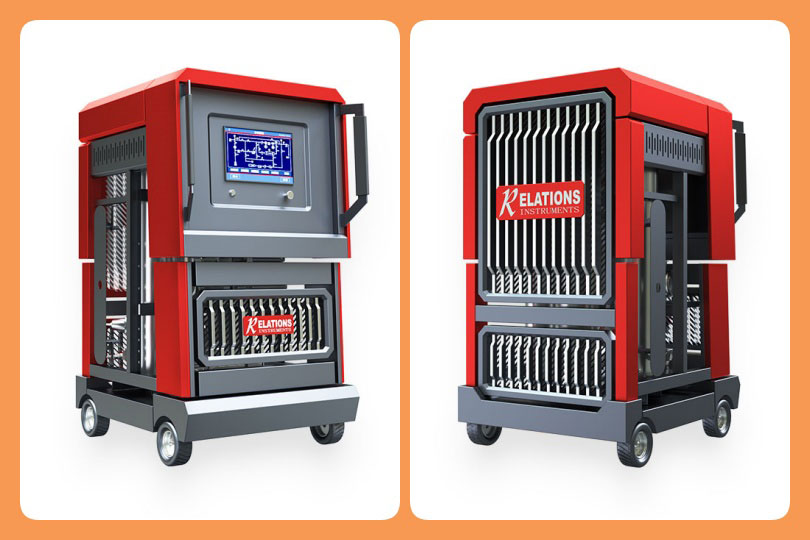
The right solution depends on the equipment type, gas composition, required accuracy, operating environment, and reporting needs. A portable analyzer may be appropriate for field maintenance, while continuous monitoring is often preferred for critical substations or high-throughput process facilities.
Essential Purchasing Considerations
| Selection Factor | What to Evaluate |
|---|---|
| Gas compatibility | Confirm the instrument is designed for SF6, CF4, or the specific mixed-gas application |
| Measured parameters | Select purity, moisture, decomposition-product, pressure, and leak-detection functions as required |
| Accuracy and repeatability | Review stated measurement ranges, resolution, calibration requirements, and field performance |
| Sampling system | Check hose materials, fittings, flow control, filter arrangements, and gas recovery capability |
| Leak detection sensitivity | Match sensitivity to the expected leak rate and inspection environment |
| Data management | Consider onboard storage, export options, traceable reports, and integration with maintenance systems |
| Service support | Verify calibration, spare parts, technical training, and after-sales response capability |
A high-quality SF6 gas analyzer should minimize gas consumption, prevent unnecessary atmospheric release, and provide stable readings under normal field conditions. For leak detection, combine electronic sensing with visual inspection, pressure-history review, and confirmation testing where necessary.
Organizations seeking a tailored SF6 gas analyzer and leak detection package can request customized on-site solutions based on their voltage class, gas compartment design, and maintenance workflow.
Recommended Field Verification Process
Before Testing
Review equipment records, rated gas pressure, previous test results, and manufacturer limits. Ensure personnel are trained, wear appropriate protective equipment, and use clean, compatible sampling hoses. Confirm that the analyzer is within its calibration interval.
During Testing
Stabilize the sampling flow according to instrument instructions. Record ambient temperature, compartment pressure, asset identification, and test location. For SF6 equipment suspected of internal arcing, treat any potentially contaminated gas carefully and follow applicable safety controls.
After Testing
Compare results against equipment-specific limits and trend data. Investigate abnormal readings rather than relying on a single parameter. Repair confirmed leaks promptly, recover gas whenever practicable, and document all maintenance actions for auditability and future diagnostics.
Frequently Asked Questions
How often should SF6 gas quality be checked?
Testing frequency should follow manufacturer recommendations, asset criticality, local operating rules, and maintenance history. Routine checks are commonly combined with scheduled preventive maintenance, while abnormal density alarms, suspected leaks, or fault events warrant immediate evaluation.
Can a leak detector replace gas quality testing?
No. A leak detector identifies gas escaping from a system, while gas quality testing evaluates the condition of gas inside the system. Both are needed for a complete SF6/CF4 gas quality verification and leak detection strategy.
Is low pressure always evidence of a gas leak?
Not necessarily. Gas pressure changes with temperature, so readings should be assessed using temperature compensation or density monitoring. A sustained downward trend after accounting for temperature is more indicative of leakage.
Why is moisture measurement important?
Moisture can reduce dielectric reliability, contribute to corrosion, and affect process-gas consistency. Measuring dew point or water content helps identify contamination before it causes more costly operational issues.
For one-on-one guidance on analyzer selection, calibration planning, and industrial leak inspection procedures, contact experienced engineers at [email protected].