Buy SF6 Gas Evacuation and Refilling Device for Reliable GIS Factory Testing
Date
2026-11-17
[email protected]
Website
www.sf6gasdetector.com
Get Solutions And Quotes
Contact Factory
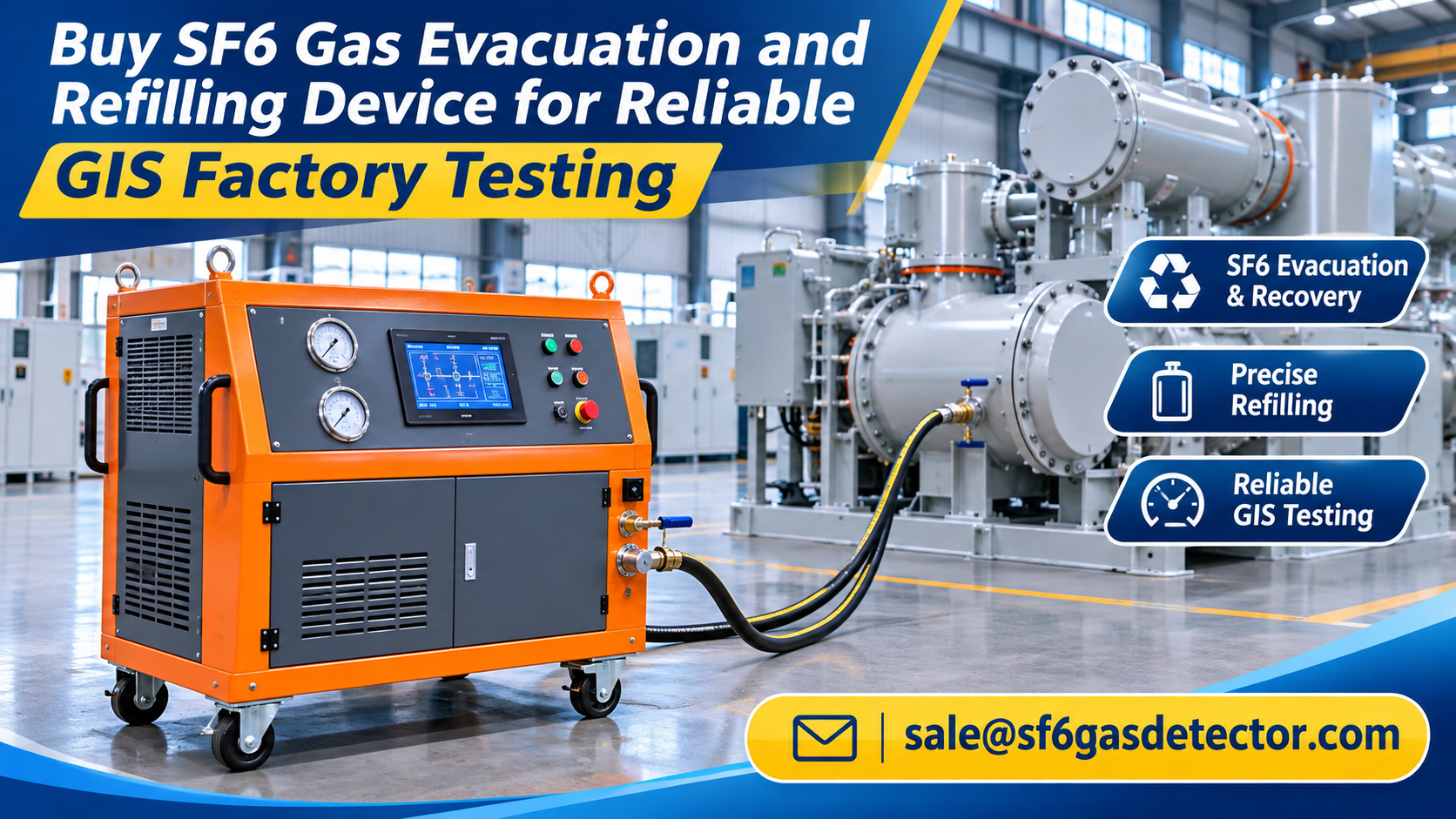
Buy SF6 Gas Evacuation and Refilling Device for Reliable GIS Factory Testing
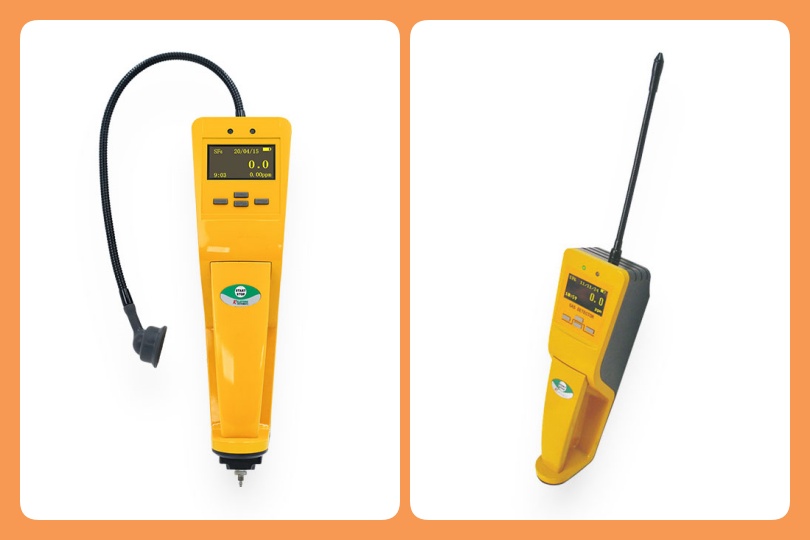
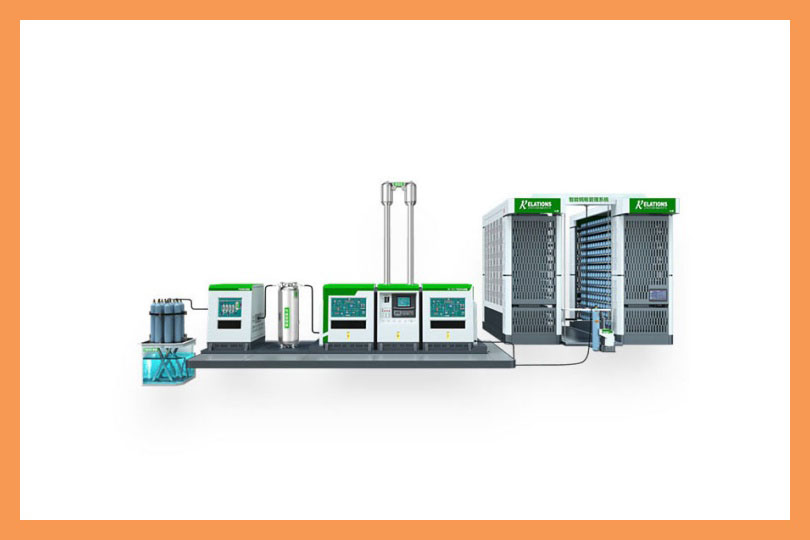
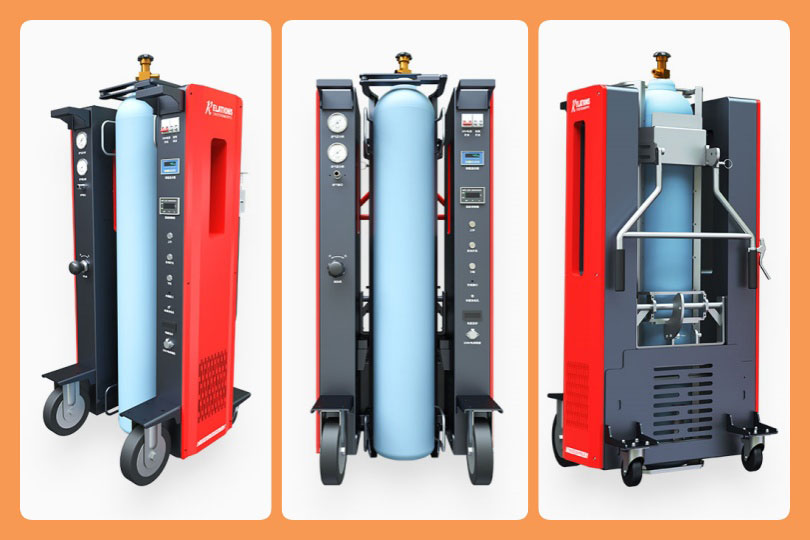
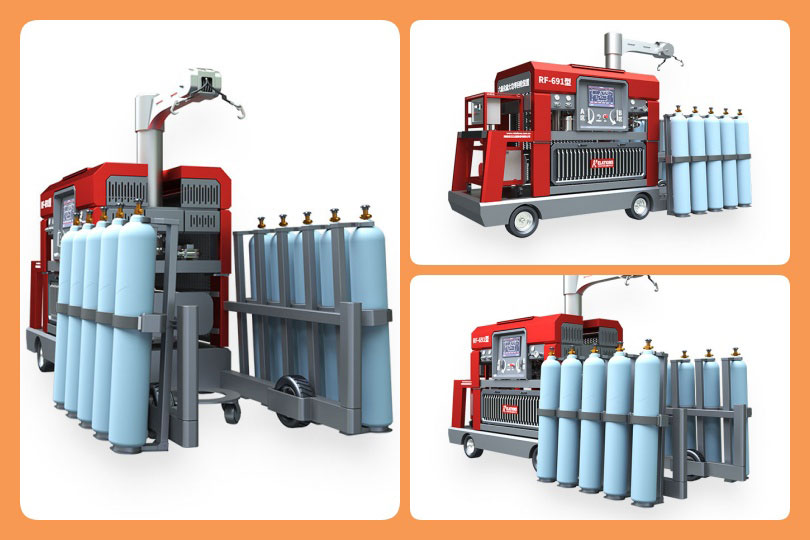
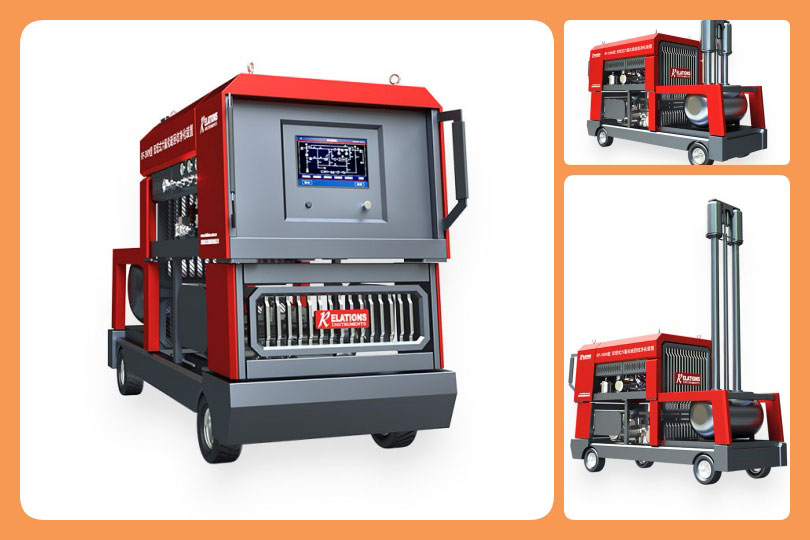
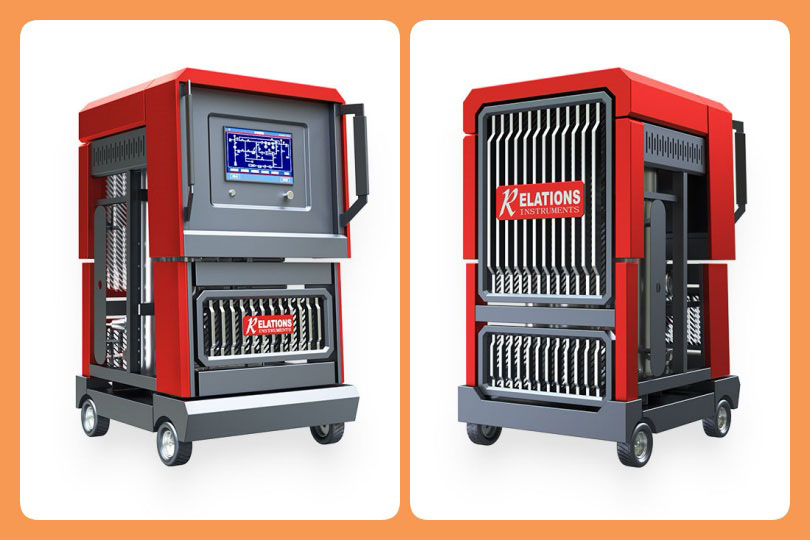
Purchasing an SF6 gas evacuation and refilling device for GIS factory testing requires more than comparing pump capacity and price. Gas-insulated switchgear manufacturers need equipment that evacuates air and moisture, transfers gas without avoidable releases, and fills compartments to specified conditions. The right system supports repeatable factory workflows, protects gas quality, and creates traceable records. Procurement should therefore start with the GIS design, production schedule, gas-handling procedures, and applicable regulatory requirements.
Define the Gas-Handling Scope Before Requesting Quotations
An SF6 gas evacuation and refilling device does not necessarily include every function required on a production line. Some units evacuate air and fill gas from cylinders; others also recover, compress, filter, and store SF6.
For GIS factory testing, distinguish these operations:
- Air evacuation: Removing air from an empty compartment before filling.
- Gas filling: Introducing SF6 to the manufacturer’s specified pressure or density.
- Gas recovery: Extracting SF6 into approved storage before opening equipment.
- Gas conditioning: Removing specified contaminants through suitable filtration.
A vacuum pump intended for air evacuation is not a substitute for an SF6 recovery system. If testing involves repeated filling and dismantling, purchase an SF6 gas evacuation and refilling device with documented recovery capability or specify a compatible separate recovery unit.
Specify Performance Under Actual Factory Conditions
Use a Structured Procurement Data Sheet
Avoid selecting an SF6 gas evacuation and refilling device solely by its advertised ultimate vacuum. Performance at the GIS connection depends on hose length, internal restrictions, seals, compartment geometry, and moisture loading.
| Parameter | What to specify |
|---|---|
| Compartment volume | Minimum, typical, and maximum connected volumes |
| Evacuation duty | Required endpoint, hold period, and permitted cycle time |
| Vacuum measurement | Gauge type, location, range, and calibration requirements |
| Filling conditions | Target pressure or density and reference temperature |
| Filling performance | Required transfer rate under stated inlet and outlet conditions |
| Recovery capability | Endpoint, transfer rate, and storage arrangement, if included |
| Gas cleanliness | Applicable quality limits and verification methods |
| Connections | Compatible couplings, hose ratings, and sealing materials |
| Utilities | Electrical supply, cooling, ambient conditions, and mobility |
| Documentation | Manuals, schematics, calibration records, and test reports |
Require suppliers to state whether pressure values are absolute or gauge. Filling targets must follow the GIS manufacturer’s instructions; there is no universal pressure suitable for all switchgear designs.
Evaluate Complete Cycle Time
For GIS factory testing, a realistic cycle includes connection, evacuation, stabilization, filling, verification, and disconnection. Ask suppliers to demonstrate the SF6 gas evacuation and refilling device using representative volumes and the proposed hose configuration.
Moisture removal deserves particular attention. Reaching a low pressure does not, by itself, prove that internal surfaces are sufficiently dry. Specify the evacuation and drying procedure recommended for the equipment, including any required moisture verification.
Check Standards, Certifications, and Legal Applicability
An SF6 gas evacuation and refilling device should support compliant operations, but equipment certification alone does not make a factory process compliant.
Relevant references include:
- IEC 62271-203: Requirements for AC gas-insulated metal-enclosed switchgear above 52 kV.
- IEC 62271-4: Handling procedures for gases used in high-voltage switchgear and controlgear.
- IEC 60376: Specifications for technical-grade SF6 and complementary gases.
- IEC 60480: Specifications for the reuse of SF6 and its mixtures in electrical equipment.
Apply the current editions adopted by the project or jurisdiction. These documents serve different purposes; none should be presented as a universal product certification for every gas-handling cart.
For equipment supplied to the European market, request the EU Declaration of Conformity and verify applicable legislation, including pressure-equipment and electrical-safety requirements where relevant. EU Regulation 2024/573 also affects fluorinated greenhouse gases, with obligations and switchgear restrictions dependent on equipment category, dates, and exemptions.
An ISO 9001 certificate supports assessment of a supplier’s quality management system. It does not independently verify recovery efficiency, leak tightness, or gas purity.
Match the Configuration to Production Scenarios
High-Throughput Assembly Lines
For repetitive GIS factory testing, prioritize automated sequences, recipe control, and recorded pressure and temperature data. An SF6 gas evacuation and refilling device with interlocks can help prevent incorrect valve sequencing, although operator training remains essential.
Size storage and transfer capacity for peak production demand, not merely average daily consumption.
Large or Variable Compartments
Factories handling several GIS designs need adjustable filling control and flexible, correctly rated connections. Verify performance at the largest compartment and controllability at the smallest. Oversized transfer capacity without appropriate regulation can complicate precise filling.
Rework and Returned Equipment
Where previously energized equipment may be handled, assess potential decomposition products before connecting the SF6 gas evacuation and refilling device. Establish appropriate gas analysis, filtration, personal protective equipment, and waste-handling procedures. Do not mix uncertain recovered gas with verified clean stock without an approved quality-control process.
Make Acceptance Testing Contractual
Before purchasing an SF6 gas evacuation and refilling device, agree on measurable factory acceptance criteria. Include evacuation time, filling accuracy, leak-tightness verification, alarm operation, emergency stopping, and data export where specified.
For GIS factory testing, require instrument traceability and identify measurement uncertainty where it affects acceptance decisions. Also confirm spare-parts availability, filter replacement procedures, seal compatibility, operator training, and local service arrangements.
Frequently Asked Questions
Can one device evacuate, recover, and refill SF6?
Yes, if designed for all three functions. Confirm the supplied configuration: the name SF6 gas evacuation and refilling device does not guarantee recovery capability.
Is recovered SF6 automatically suitable for reuse?
No. Evaluate recovered gas against applicable reuse specifications and the GIS manufacturer’s requirements. Filtration alone does not demonstrate acceptable purity or moisture content.
Should filling be controlled by pressure alone?
Not without considering temperature. Use the manufacturer’s specified reference conditions or approved density-based method, and allow stabilization where required.
A Defensible Purchasing Decision
The best SF6 gas evacuation and refilling device is the one proven against the factory’s actual duty. Documented performance, applicable conformity evidence, controlled gas quality, and reliable support provide a stronger purchasing basis than headline specifications alone.