SF6 Gas Recovery & Liquid Storage: Factory Prices for Switchgear Maintenance
Date
2026-11-17
[email protected]
Website
www.sf6gasdetector.com
Get Solutions And Quotes
Contact Factory
SF6 Gas Recovery & Liquid Storage: Factory Prices for Switchgear Maintenance
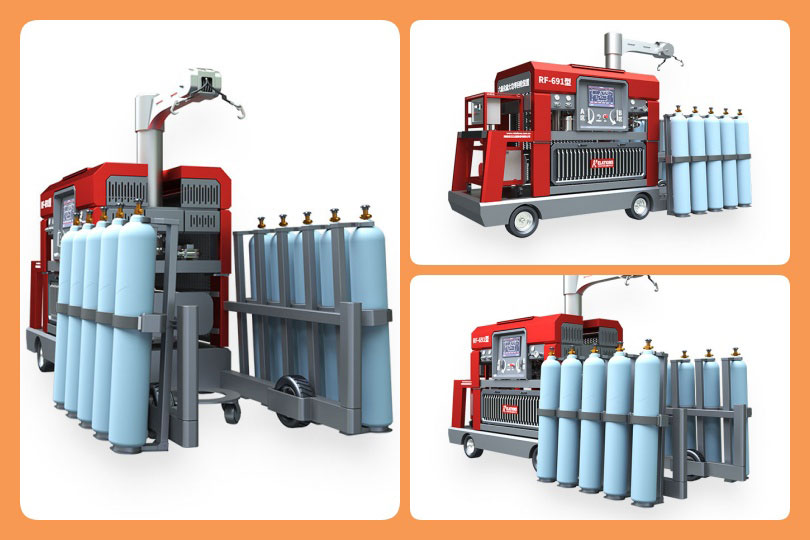
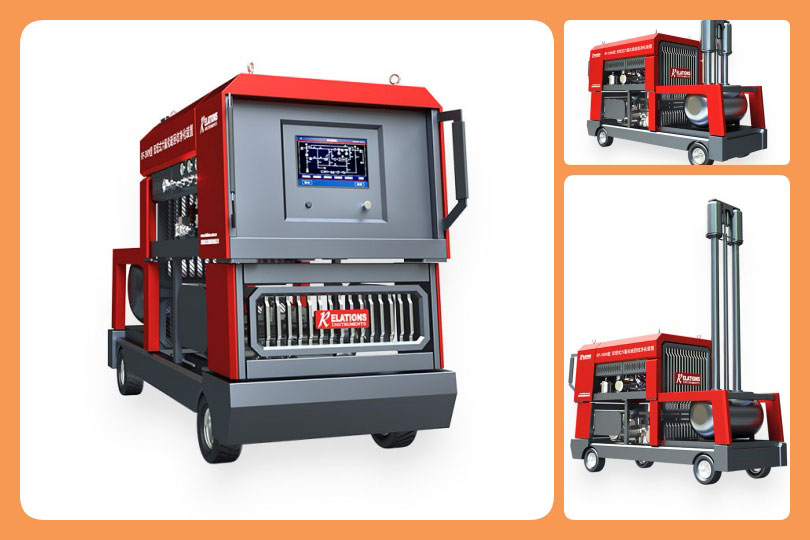
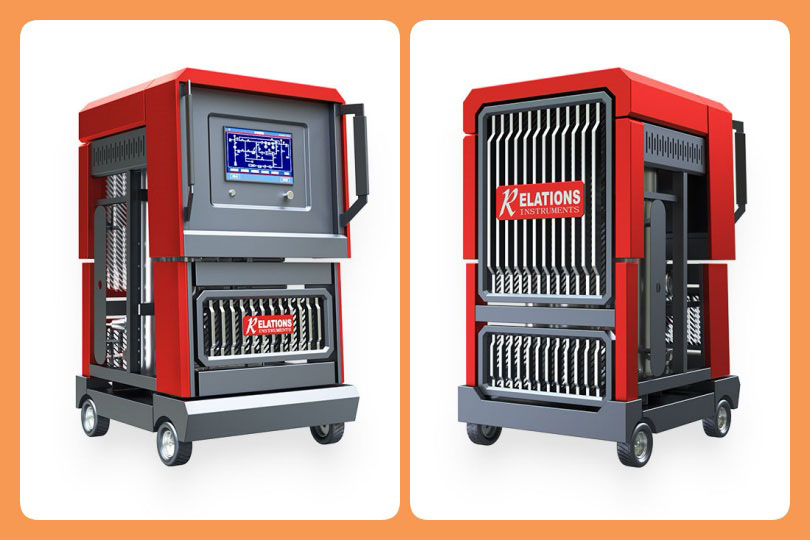
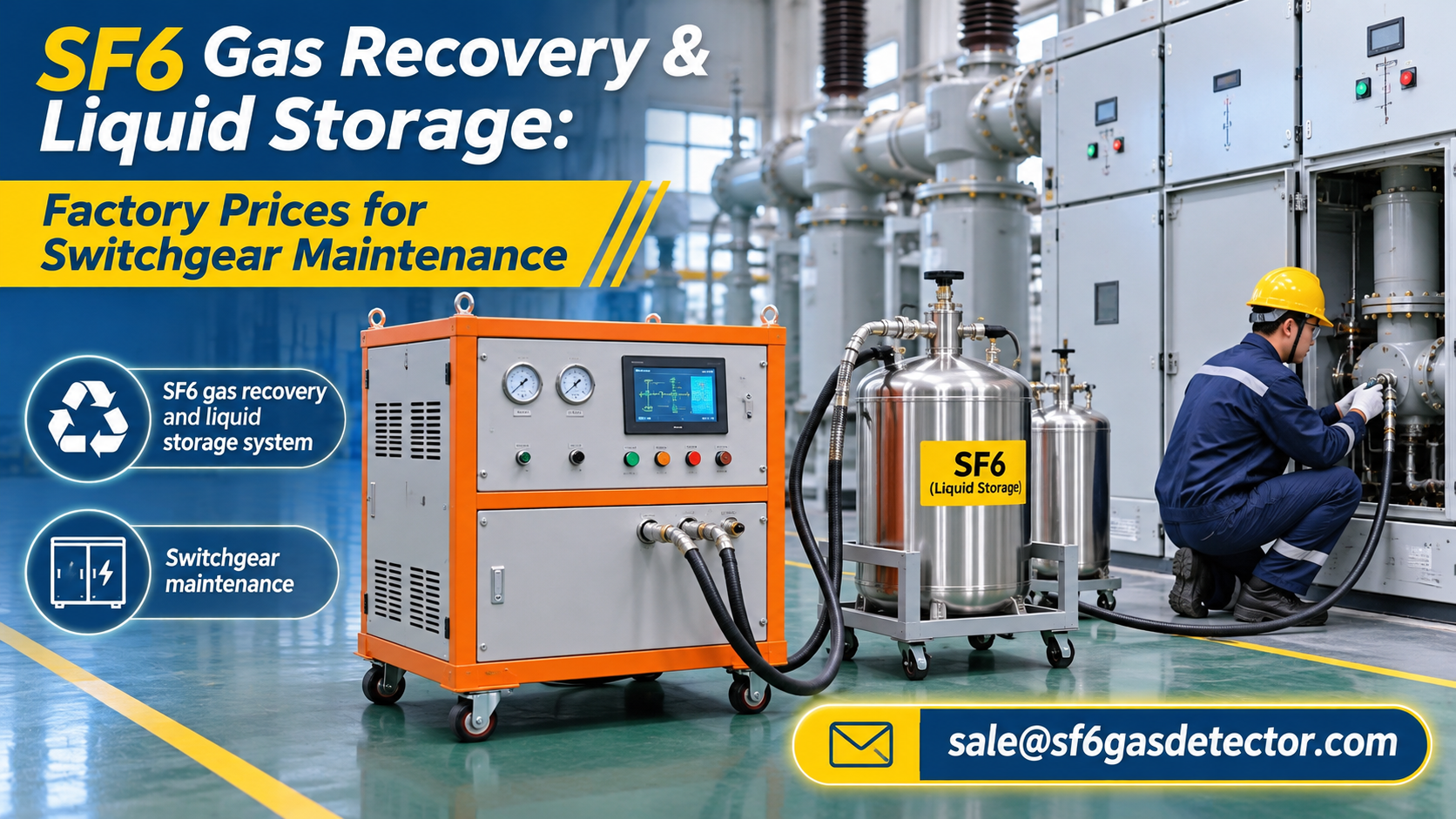
An SF6 gas recovery and liquid storage system enables maintenance teams to remove sulfur hexafluoride from switchgear, condition it for potential reuse, and store it without intentional atmospheric release. For buyers comparing factory prices, the key question is not simply which machine costs less, but which configuration delivers safe, compliant switchgear maintenance at the required throughput. A reliable purchase specification must connect recovery performance, liquid storage capacity, gas quality verification, and local regulatory requirements.
How the Recovery and Liquid Storage Process Works
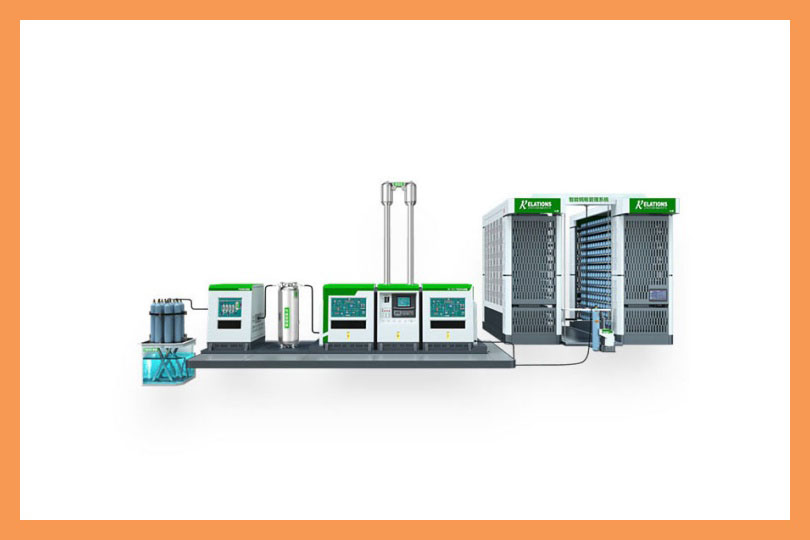
An SF6 gas recovery and liquid storage system transfers gas from an isolated equipment compartment through suitable filtration stages into a storage vessel. Depending on the design, compression, cooling, or both convert recovered gas into liquid for compact storage.
Liquid storage capacity depends on vessel volume, allowable filling limits, gas temperature, and rated pressure. SF6 has a critical temperature of approximately 45.6°C; above this temperature, compression alone cannot produce a distinct liquid phase. Buyers operating in hot climates should therefore confirm the specified ambient operating range and cooling arrangements.
After repairs, the compartment is evacuated and refilled according to the switchgear manufacturer’s procedure. Recovered gas should only be reused after its quality has been assessed against applicable acceptance criteria.
Factory Price: Compare Scope Before Cost
The factory price of an SF6 gas recovery and liquid storage system depends heavily on its configuration. Without a defined duty, numerical price comparisons can be misleading.
Main Cost Drivers
Major cost variables include:
- Recovery throughput: Compressor capacity and performance across the complete pressure range.
- Recovery endpoint: The residual absolute pressure achievable in the switchgear compartment.
- Storage capacity: Integral tank size or compatibility with approved external cylinders.
- Cooling system: Refrigeration capacity and high-ambient performance.
- Filtration: Particulate removal, moisture adsorption, and treatment of relevant decomposition products.
- Automation: Pressure monitoring, weighing, alarms, interlocks, and operating records.
- Accessories: Hoses, couplings, adapters, gas analyzers, and cylinder scales.
Request an itemized quotation distinguishing standard equipment from optional accessories. State whether pricing is EXW, FCA, or another agreed Incoterms® 2020 rule, and identify freight, taxes, commissioning, training, and spare parts separately.
For switchgear maintenance contractors, downtime and serviceability may outweigh a modest difference in purchase price.
Technical Parameters to Include in a Purchase Specification
An SF6 gas recovery and liquid storage system should be evaluated using measurable operating conditions rather than headline pump ratings.
| Parameter | Information to request | Operational relevance |
|---|---|---|
| Recovery rate | Mass flow at stated inlet pressure, temperature, and discharge conditions | Enables realistic outage planning |
| Recovery endpoint | Guaranteed final absolute pressure under defined test conditions | Indicates residual gas remaining |
| Evacuation capability | Vacuum pump rating and achievable compartment vacuum | Supports moisture and air removal |
| Storage vessel | Allowable pressure, temperature range, capacity, and filling limit | Establishes safe storage boundaries |
| Filtration | Media type, rated capacity, replacement criteria | Supports gas conditioning |
| Leak tightness | Test method and acceptance limit | Helps control emissions |
| Utilities | Voltage, frequency, power demand, cooling requirements | Confirms site compatibility |
Distinguish compartment evacuation from SF6 recovery: a vacuum pump rating alone does not establish recovery performance. Likewise, a nominal storage capacity should not be treated as permission to exceed the vessel’s allowable filling mass.
Standards, Certifications, and Regulatory Checks
No single certificate proves that an SF6 gas recovery and liquid storage system is suitable for every jurisdiction.
Gas Handling and Quality
IEC 62271-4 provides handling procedures for gases used for insulation or switching in high-voltage switchgear and controlgear. IEC 60480 addresses specifications for the reuse of SF6 and its mixtures, while IEC 60376 covers technical-grade SF6 and complementary gases.
These standards provide technical reference points; they do not replace the switchgear manufacturer’s instructions or applicable law.
Equipment and Personnel Compliance
For equipment supplied into the European Union, assess applicable requirements such as the Pressure Equipment Directive 2014/68/EU and relevant machinery, electrical, and electromagnetic compatibility legislation. CE marking is a conformity declaration framework, not an independent performance certification.
EU Regulation 2024/573 imposes fluorinated greenhouse gas obligations, including relevant recovery and personnel qualification requirements. Requirements vary by activity and implementation date. Other markets may require different pressure-vessel approvals, electrical conformity evidence, and transport documentation.
ISO 9001 certification supports confidence in a manufacturer’s quality management system but does not certify individual machine performance.
Matching the System to Maintenance Scenarios
Mobile Service Teams
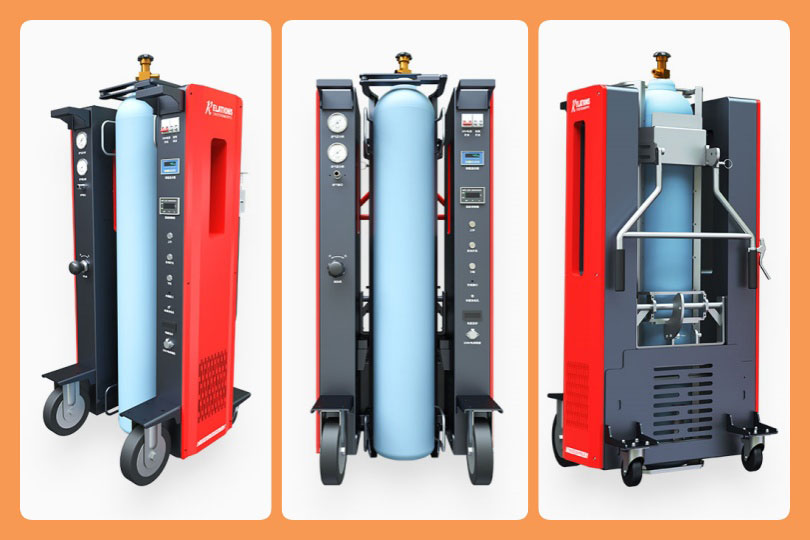
For field switchgear maintenance, prioritize maneuverability, robust connections, manageable power demand, and compatibility with the installed equipment fleet. Verify performance with the actual hose lengths and ambient conditions expected on site.
A portable SF6 gas recovery and liquid storage system should also provide secure cylinder handling and clear mass tracking.
Utility Workshops and Large GIS Installations
High-volume facilities may benefit from larger storage capacity, automated sequences, and stronger cooling performance. Select recovery capacity using compartment gas inventories and outage windows, rather than choosing the largest compressor available.
Equipment With Suspected Internal Arcing
Gas from faulted compartments may contain hazardous decomposition products. Apply a task-specific risk assessment, suitable protective equipment, controlled handling, and appropriate filtration. Do not assume a standard filter package makes contaminated gas reusable.
Frequently Asked Questions
Can recovered SF6 be refilled immediately?
Not automatically. Test relevant quality parameters, including moisture, purity, and decomposition products as appropriate. Release gas for reuse only when it meets applicable specifications and equipment requirements.
Does liquid storage eliminate leakage?
No. An SF6 gas recovery and liquid storage system still requires leak-tight components, inspection, and controlled connection procedures. Weighing recovered and transferred gas helps identify unexplained losses.
What should a factory acceptance test include?
Define recovery performance, endpoint pressure, leak testing, weighing accuracy, alarm functions, and safety interlocks in the purchase agreement. Test conditions should represent the intended switchgear maintenance duty.
A Practical Purchasing Standard
Choose an SF6 gas recovery and liquid storage system on verified performance, documented compliance, and lifecycle support—not factory price alone. A clear specification and witnessed acceptance testing turn a low-cost quotation into a defensible investment in dependable switchgear maintenance.