Buy Wholesale Portable SF6 Gas Detectors for Power Plants at Best Prices

Date
2026-08-13
[email protected]
Website
www.sf6gasdetector.com
Get Solutions And Quotes
Contact Factory
Buy Wholesale Portable SF6 Gas Detectors for Power Plants at Best Prices
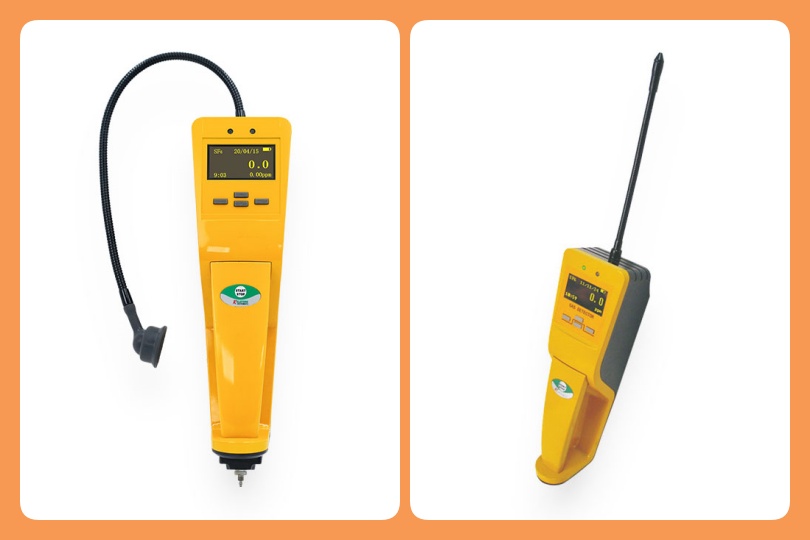
When power utilities need to buy wholesale portable SF6 gas detector for power plants, the decision affects more than routine maintenance efficiency. Reliable sulfur hexafluoride monitoring supports personnel safety, asset reliability, environmental reporting, and compliance with site-specific gas-handling procedures. A properly specified portable detector helps maintenance teams identify leaks around gas-insulated switchgear (GIS), circuit breakers, transformers, and other SF6-insulated equipment before small losses become expensive outages or reportable emissions.
For procurement teams, the best wholesale solution is not simply the lowest unit price. It is a detector package that delivers suitable sensitivity, dependable field operation, traceable calibration, service support, and compatibility with the plant’s maintenance workflow.
Why Portable SF6 Detection Matters in Power Plants
SF6 is widely used in high-voltage electrical equipment because of its excellent dielectric and arc-quenching properties. However, it is also a potent greenhouse gas. Even minor leakage from aging seals, valves, flanges, pressure-relief devices, or gas compartments can create operational and environmental concerns.
A portable SF6 gas detector enables technicians to perform targeted inspections during commissioning, preventive maintenance, outage work, and post-repair verification. Compared with waiting for density-monitor alarms or pressure changes, handheld leak detection can locate the probable source of a leak at an earlier stage.
Typical power plant applications include:
- GIS bay inspections and flange leak checks
- SF6 circuit breaker maintenance and recommissioning
- Gas compartment valve, coupling, and fitting inspections
- Leak verification after gas filling, recovery, or repair
- Routine surveys of substations and high-voltage switchyards
- Contractor acceptance checks during electrical infrastructure projects
For organizations managing multiple plants or substations, purchasing portable SF6 leak detectors in bulk can create consistent maintenance standards across sites while reducing per-unit procurement costs.
Key Parameters When Selecting a Portable SF6 Gas Detector
Detection Principle and Sensitivity
The detection technology should match the intended maintenance task. For trace leak location, a high-sensitivity portable SF6 leak detector is generally required. Common technologies include infrared sensing, electron capture methods, and other specialized gas-detection approaches.
Evaluate the manufacturer’s stated minimum detectable leak rate, response time, warm-up time, and recovery time. These values should be clearly documented, tested under defined conditions, and suitable for real field work near GIS and circuit breaker enclosures.
A highly sensitive instrument is valuable, but it must also resist false alarms caused by wind, background contamination, temperature changes, or operator movement. Adjustable sensitivity settings and audible/visual alarm indications help technicians isolate leaks more efficiently.
Measurement Range and Alarm Functions
A practical power plant SF6 gas detector should provide a measurement range appropriate for leak-search activities and, where applicable, local concentration checks. Look for clear alarm logic, such as graduated audible tones, LED indicators, vibration alerts, and on-screen concentration or leak-rate displays.
For shift teams working in noisy substations, audible alarms alone may not be sufficient. Combined sound, light, and vibration alarms improve usability and reduce the chance of missed indications.
Probe Design and Field Durability
Leak locations are often difficult to access. A flexible probe, long gooseneck, or extension option can make it easier to inspect valve assemblies, cable sealing ends, breaker mechanisms, and narrow gaps around GIS connections.
Portable instruments should also be selected for realistic industrial conditions. Important considerations include:
- Rugged enclosure and impact resistance
- Suitable ingress protection rating for the intended environment
- Stable performance across expected operating temperatures
- Rechargeable battery runtime sufficient for inspection rounds
- Easy-to-read display in indoor and outdoor lighting
- Replaceable filters, probes, and consumable parts
Compliance, Calibration, and Traceability Requirements
Relevant Standards and Quality Documentation
A wholesale portable SF6 gas detector for power plants should be supported by credible quality and safety documentation. Depending on the product configuration and destination market, buyers may require CE marking, RoHS compliance, UKCA marking, or other applicable regulatory declarations. Electrical safety, electromagnetic compatibility, battery transport, and hazardous-substance requirements should be reviewed before purchase.
For SF6 equipment management, plant operators commonly align their procedures with recognized utility practices and applicable environmental regulations. Relevant references may include IEC standards for high-voltage switchgear, IEC 62271 series requirements where applicable, and regional rules governing fluorinated greenhouse gases. The detector itself does not replace compliant SF6 handling, recovery, or reporting procedures, but it is an important tool within a controlled maintenance program.
Calibration Certificate and Service Planning
Calibration is essential for confidence in detector performance. Request a calibration certificate with instrument serial number, calibration date, test conditions, and traceability information. A defined recalibration interval should be established based on the manufacturer’s instructions, plant quality procedures, frequency of use, and local regulatory expectations.
For multi-site procurement, standardizing on one detector model simplifies technician training, spare-part inventory, calibration scheduling, and audit documentation. It also allows maintenance managers to compare inspection results using a consistent method.
How to Buy Wholesale Portable SF6 Gas Detector for Power Plants
Define the Procurement Scope Before Requesting Quotes
Before contacting suppliers, specify the number of units, target delivery location, required certifications, operating environment, expected annual usage, and desired accessories. Include whether your teams need carrying cases, spare filters, flexible probes, chargers, calibration services, or training materials.
It is also useful to identify the equipment being inspected. A SF6 gas detector used mainly for GIS leak localization may need different probe access and sensitivity characteristics than one used for general circuit breaker maintenance.
For project-based procurement, request a detailed quotation that separates detector cost, accessories, calibration documentation, shipping, lead time, warranty, and after-sales support. You can quickly obtain product quotations for bulk orders by providing your required quantity, destination country, and technical specification.
Evaluate Total Ownership Cost, Not Only Unit Price
The lowest wholesale price can become costly if the detector has short battery life, poor sensor stability, unavailable spare parts, or no calibration support. Consider the total cost of ownership over several years, including service, consumables, replacement sensors, and downtime.
Ask suppliers to confirm:
- Minimum detectable leak rate and test method
- Response and recovery performance
- Battery type and typical operating duration
- Warranty terms and repair turnaround
- Calibration options and certificate availability
- Delivery lead time for wholesale SF6 gas detector orders
- Availability of spare probes, filters, chargers, and batteries
- Technical manuals in English and relevant local languages
Scenario-Based Selection for Utility Buyers
Routine GIS Preventive Maintenance
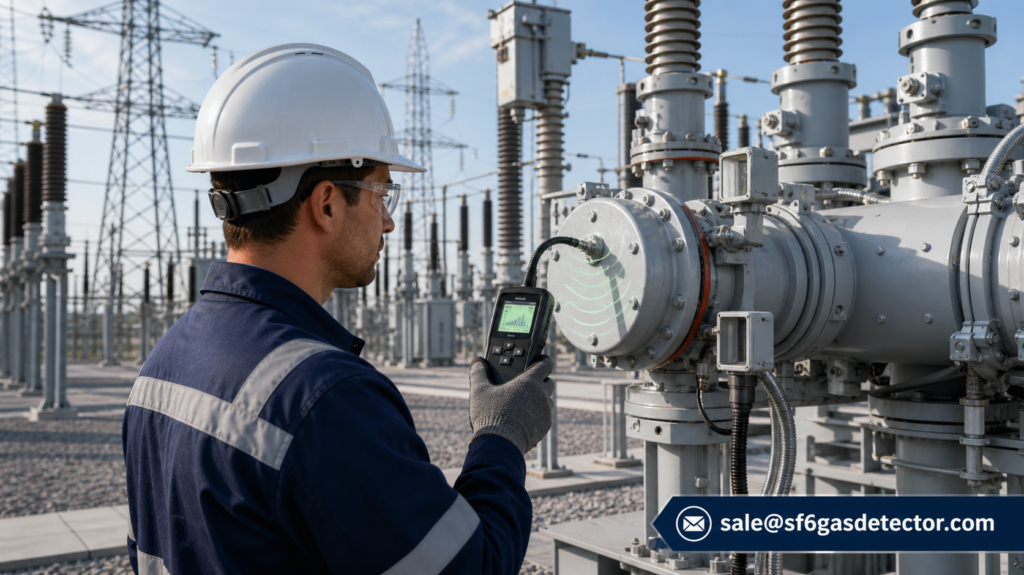
For regular GIS inspection programs, prioritize sensitivity, flexible probe access, durable construction, and long battery life. Technicians should be able to scan common leak points quickly without repeatedly returning to a charging station or changing instruments.
Outage and Commissioning Projects
During planned outages or new equipment commissioning, speed and repeatability are especially important. Multiple standardized portable SF6 leak detectors allow parallel inspection of bays, breakers, and gas compartments. Select units with intuitive alarms and clear documentation so contractor and utility teams can follow the same test procedure.
Multi-Plant Fleet Management
Utilities operating numerous facilities benefit from bulk purchasing because it supports unified procedures and simplifies competency training. A supplier capable of supporting model standardization, calibration scheduling, and technical troubleshooting is usually more valuable than one offering only one-time equipment delivery. For complex application questions, arrange one-on-one guidance from engineers to match detector performance to your inspection workflow.
Frequently Asked Questions
What sensitivity should a portable SF6 detector have for power plant maintenance?
The required sensitivity depends on the plant’s inspection procedure and the type of equipment being tested. For locating small leaks in GIS and circuit breakers, choose a detector with a documented low leak-rate detection capability and verify the manufacturer’s test method. Always compare instruments under equivalent stated conditions.
Is a portable SF6 detector the same as an SF6 gas analyzer?
No. A portable SF6 leak detector is primarily used to locate external gas leaks. An SF6 gas analyzer typically measures gas quality parameters such as purity, moisture, and decomposition products. Many power plants use both instruments for a complete SF6 maintenance program.
How often should an SF6 leak detector be calibrated?
Follow the manufacturer’s recommendation and your site quality system. Annual calibration is common, but high-use instruments or critical applications may require more frequent verification. Maintain calibration records for quality assurance and audit traceability.
Can wholesale orders include accessories and calibration certificates?
Yes. Professional suppliers can normally provide detector packages with carrying cases, chargers, filters, probes, operating manuals, calibration certificates, and optional service arrangements. Confirm the exact contents before issuing a purchase order.
A well-chosen wholesale portable SF6 gas detector gives power plant teams a practical way to identify leaks early, strengthen preventive maintenance, and support responsible SF6 management. By focusing on sensitivity, durability, compliance documentation, calibration traceability, and supplier support, buyers can build a dependable inspection capability across their electrical assets.