Request Quote: SF6 Regeneration Service for Reliable GIS Switchgear
Date
2026-08-03
[email protected]
Website
www.sf6gasdetector.com
Get Solutions And Quotes
Contact Factory
Request Quote: SF6 Regeneration Service for Reliable GIS Switchgear
Gas-insulated switchgear (GIS) is widely used in substations, power plants, rail transit systems, industrial facilities, and renewable energy grid connections because it offers compact structure, high insulation performance, and reliable operation in demanding electrical environments. However, the long-term performance of GIS equipment depends heavily on the quality and purity of sulfur hexafluoride gas. For utilities and industrial operators looking to reduce operating costs, comply with environmental regulations, and extend equipment service life, choosing a professional request quote SF6 regeneration service manufacturer for GIS switchgear is a practical and strategic decision.
SF6 regeneration is not simply gas recovery. It is a controlled technical process involving gas extraction, filtration, drying, purification, testing, storage, and reuse according to recognized industry standards. A qualified SF6 regeneration service manufacturer can help operators restore used SF6 gas to reusable quality, reduce new gas procurement, and support sustainable asset management.
Why SF6 Regeneration Matters for GIS Switchgear
SF6 gas has excellent dielectric strength and arc-quenching performance, but it must remain clean and dry to function safely inside GIS compartments. During operation, maintenance, leakage events, or internal faults, SF6 may become contaminated with moisture, air, decomposition by-products, oil vapor, or particles. If contaminated gas is reused without treatment, it may increase insulation risks, corrosion potential, and maintenance uncertainty.
Regeneration helps remove harmful impurities and restore gas quality before reuse. For high-voltage GIS assets, this process supports stable insulation performance, lowers environmental impact, and improves the economics of gas lifecycle management.
Core Advantages of Professional SF6 Regeneration Services
A reliable SF6 regeneration service provider offers both technical and operational value:
| Advantage | Practical Value for GIS Operators |
|---|---|
| Gas reuse and cost reduction | Reduces the need to purchase new SF6 gas |
| Environmental compliance | Supports responsible handling of high-global-warming-potential gases |
| Improved gas purity | Removes moisture, air, acids, and decomposition products |
| Equipment protection | Helps maintain insulation and switching reliability |
| On-site flexibility | Minimizes downtime during GIS maintenance |
| Traceable testing | Provides documentation for audits and asset records |
For project managers comparing suppliers, the ability to request quote SF6 regeneration service manufacturer for GIS switchgear with clear technical scope, gas quantity, purity targets, and service location can significantly improve procurement accuracy.
Typical Technical Parameters for SF6 Regeneration Equipment and Service
Professional SF6 regeneration systems are designed to handle high-voltage insulation gas safely and efficiently. While exact parameters vary by manufacturer and project requirements, the following table outlines common industrial reference values.
| Parameter | Typical Requirement or Range |
|---|---|
| Applicable gas | Used SF6 gas from GIS, GCB, transformers, and electrical equipment |
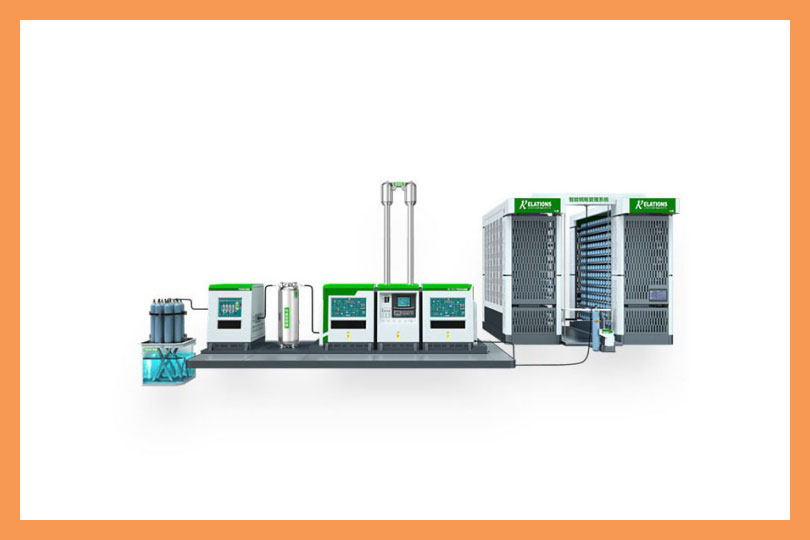
| Processing functions | Recovery, filtration, drying, purification, liquefaction, storage |
| Final gas quality | In accordance with IEC 60480 reuse guidance where applicable |
| Moisture removal | Deep drying to meet GIS reuse requirements |
| Impurity removal | Air, oil vapor, acidic compounds, particles, and decomposition by-products |
| Operation mode | On-site service, workshop regeneration, or mobile regeneration unit |
| Storage options | Gas cylinders, tanks, or dedicated recovery vessels |
| Testing support | Moisture, purity, SO2, HF, CF4, air content, and decomposition analysis |
| Safety protection | Overpressure protection, vacuum monitoring, leak prevention, automatic alarms |
Internationally recognized references such as IEC 60376, IEC 60480, and IEC 62271 series standards are commonly considered in SF6 gas quality control, handling, and high-voltage switchgear operation. Local environmental regulations, occupational safety requirements, and utility-specific procedures should also be followed during all service activities.
Key Application Scenarios for GIS Switchgear SF6 Regeneration
SF6 regeneration is valuable across many stages of GIS ownership, from commissioning to emergency maintenance. Below are the most common high-value applications.
GIS Maintenance and Overhaul Projects
During scheduled GIS inspection, compartment opening, or component replacement, SF6 gas often needs to be recovered before work begins. Instead of disposing of used gas or sending it for external processing without traceability, operators can regenerate the gas and reuse it after testing. This reduces gas loss and shortens the maintenance cycle.
Substation Expansion and Retrofit Work
Utilities upgrading old substations or adding GIS bays may need gas evacuation, storage, purification, and refilling. A qualified manufacturer can provide mobile regeneration equipment and technical personnel to support site-specific switching schedules and safety protocols.
Contaminated SF6 Gas Recovery After Faults
Internal arc events, abnormal discharge, or moisture ingress may generate decomposition by-products. In such cases, professional testing is essential before deciding whether gas can be regenerated, partially treated, or isolated for special disposal. A responsible SF6 regeneration service manufacturer will evaluate gas condition before reuse.
Industrial Power Distribution Systems
Large industrial users in petrochemical, mining, semiconductor, steel, data center, and rail transit sectors often operate GIS equipment where downtime is costly. On-site SF6 regeneration service can help maintain insulation reliability while reducing procurement and logistics pressure.
For technical evaluation or project budgeting, operators can contact [email protected] to request a free consultation for customized GIS switchgear SF6 regeneration solutions.
How to Request a Quote from an SF6 Regeneration Service Manufacturer
A precise quotation depends on gas volume, contamination level, site conditions, and service expectations. When preparing to request quote SF6 regeneration service manufacturer for GIS switchgear, buyers should provide enough technical information to avoid vague pricing and hidden costs.
Information to Prepare Before Requesting a Quote
| Required Information | Why It Matters |
|---|---|
| GIS voltage level and equipment type | Determines safety requirements and connection compatibility |
| Estimated SF6 gas quantity | Affects processing capacity, labor, cylinders, and transport |
| Gas condition or test report | Helps define regeneration difficulty and filtration requirements |
| Service location | Influences mobilization, logistics, and on-site support cost |
| Required schedule | Determines manpower, equipment allocation, and downtime planning |
| Reuse target standard | Clarifies final testing and acceptance criteria |
| Cylinder or tank requirements | Impacts storage, transfer, and documentation |
| Site safety rules | Ensures compliance with local industrial procedures |
A professional supplier should be able to provide a transparent scope of work, including service method, equipment capacity, testing items, acceptance criteria, safety measures, estimated timeline, and documentation deliverables.
Purchasing Guide: Selecting the Right Manufacturer
Choosing the right SF6 regeneration service manufacturer is not only a price decision. GIS switchgear is critical infrastructure, so technical capability, safety management, and documentation quality are equally important.
Verify Technical Experience with GIS Applications
Select a manufacturer with proven experience in high-voltage GIS gas handling, not only general gas recovery. GIS systems require strict contamination control, vacuum procedures, leak prevention, and compatibility with different gas compartment designs.
Check Compliance with Relevant Standards
The supplier should understand IEC-based gas handling practices, electrical safety requirements, pressure vessel regulations, and environmental reporting obligations. They should also provide gas test reports and service records where required.
Evaluate Equipment Capacity and Mobility
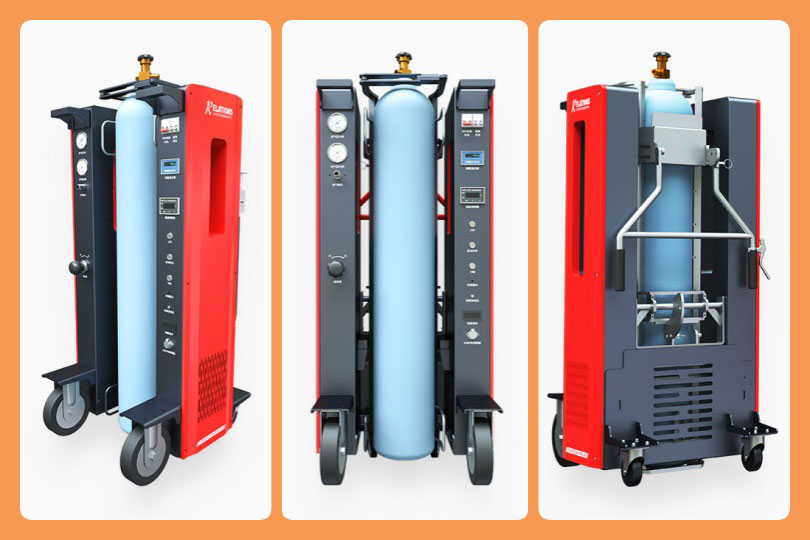
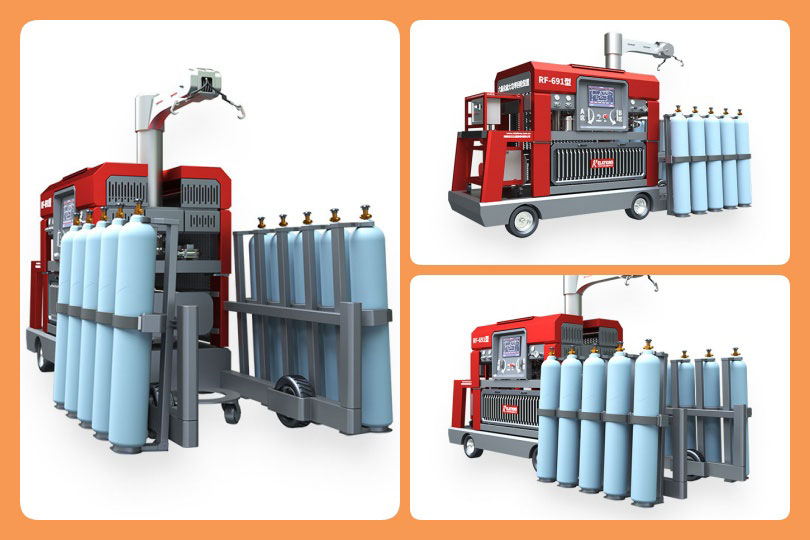
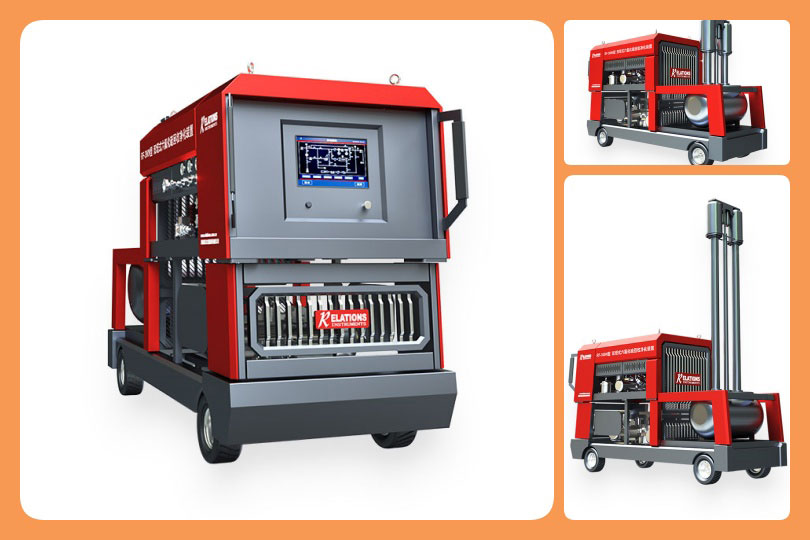
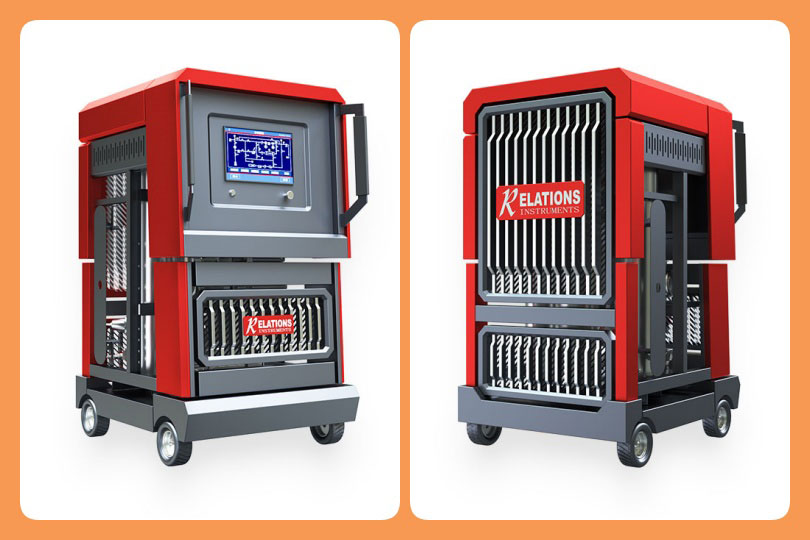
For large substations or multi-bay GIS projects, mobile SF6 regeneration units with sufficient recovery speed, filtration efficiency, and storage capacity can reduce downtime. Ask whether the equipment supports on-site regeneration, liquefied storage, vacuum pumping, and automatic monitoring.
Review Testing and Documentation Capabilities
Reliable service should include pre-treatment and post-treatment gas analysis. Common test items include SF6 purity, moisture content, SO2, acidity, air content, and decomposition components. Documentation is important for quality control, environmental audits, and internal asset management.
Consider Engineering Support
The best suppliers provide more than equipment. They help assess gas condition, develop a service plan, recommend treatment methods, and support site safety coordination. For one-on-one engineering guidance before procurement, send project details to [email protected].
Operational Standards and Safety Considerations
SF6 regeneration must be performed by trained personnel using suitable equipment and approved procedures. Operators should avoid uncontrolled venting because SF6 is a greenhouse gas with high global warming potential. Gas transfer connections must be leak-checked, pressure limits must be respected, and contaminated gas should be handled according to safety data sheets and local environmental regulations.
Personnel should use appropriate personal protective equipment when handling gas suspected of containing decomposition by-products. Work areas should be ventilated, and monitoring should be performed where required. All recovered gas should be labeled, tested, and stored in approved cylinders or tanks.
Frequently Asked Questions
Can regenerated SF6 gas be reused in GIS switchgear?
Yes, regenerated SF6 gas can be reused if it meets the required purity, moisture, and impurity limits specified by applicable standards and equipment owner requirements. Post-regeneration testing is essential before refilling GIS compartments.
How long does SF6 regeneration service take?
The timeline depends on gas volume, contamination level, site access, equipment capacity, and testing requirements. Small service jobs may be completed quickly, while large GIS projects may require staged processing and coordination with outage schedules.
Is on-site SF6 regeneration better than off-site processing?
On-site regeneration can reduce transport risk, shorten downtime, and allow immediate reuse after testing. Off-site processing may be suitable when gas is heavily contaminated, site access is limited, or specialized treatment is required.
What affects the price when requesting a quote?
Key factors include total gas quantity, gas condition, location, required service speed, testing scope, cylinder requirements, manpower, and documentation needs. Providing a gas analysis report can improve quote accuracy.
How can I choose a qualified supplier?
Look for GIS experience, suitable regeneration equipment, compliance knowledge, testing capability, clear documentation, and responsive engineering support. A low-cost offer without technical details may create operational and compliance risks.
For utilities, EPC contractors, industrial plants, and substation maintenance teams, SF6 regeneration is an effective way to manage GIS switchgear gas responsibly while controlling operating costs. A professional request quote SF6 regeneration service manufacturer for GIS switchgear should provide reliable equipment, qualified technicians, documented testing, and practical engineering support aligned with international standards and local regulations.
To receive a tailored quotation, technical assessment, or customized on-site SF6 regeneration plan for GIS switchgear, contact [email protected] with your project details, gas volume, and service location.