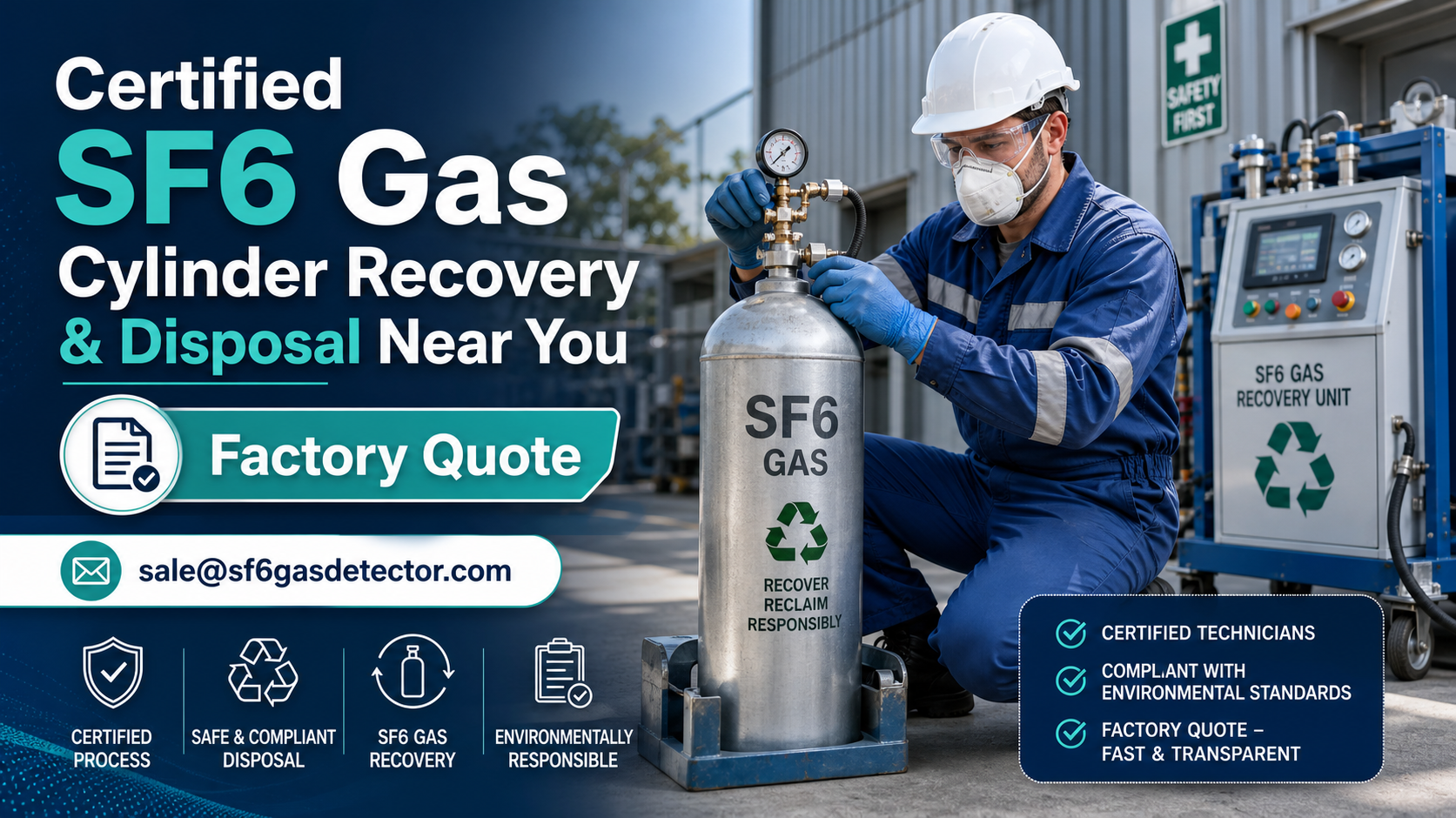
Certified SF6 Gas Cylinder Recovery & Disposal Near You | Factory Quote
Date
2026-08-31
[email protected]
Website
www.sf6gasdetector.com
Get Solutions And Quotes
Contact Factory
Certified SF6 Gas Cylinder Recovery & Disposal Near You | Factory Quote
When searching for certified SF6 gas cylinder recovery and disposal near me, industrial operators need more than a local collection service. SF6 cylinders may contain recoverable gas, residual pressure, contaminated gas mixtures, or damaged valves that require specialist handling. A reliable provider should offer a transparent factory quote, documented chain of custody, qualified technicians, and recovery processes aligned with environmental, transport, and workplace safety requirements.
Sulfur hexafluoride (SF6) is widely used in high-voltage electrical equipment because of its excellent dielectric properties. However, it also has a very high global warming potential, making proper recovery and disposal essential. Whether you operate a utility substation, switchgear manufacturing plant, testing laboratory, or maintenance contractor fleet, selecting certified SF6 recovery support helps reduce emissions, protect employees, and maintain regulatory compliance.
Why Certified SF6 Cylinder Recovery Matters
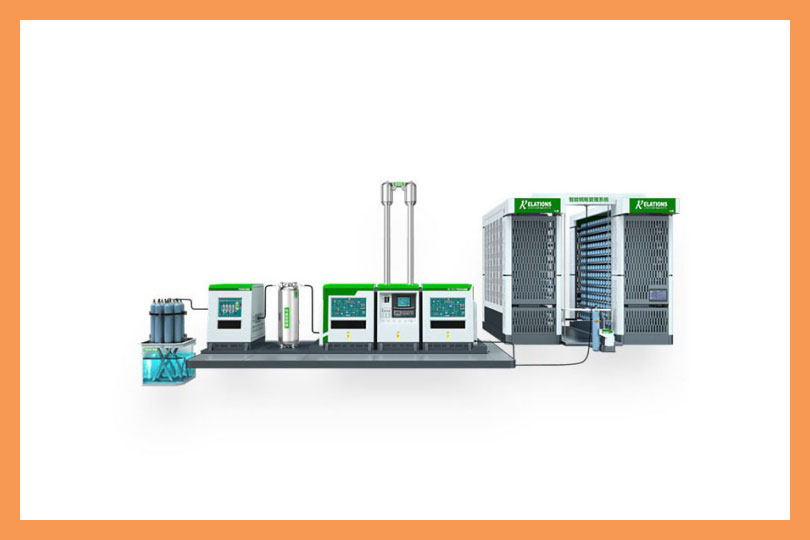
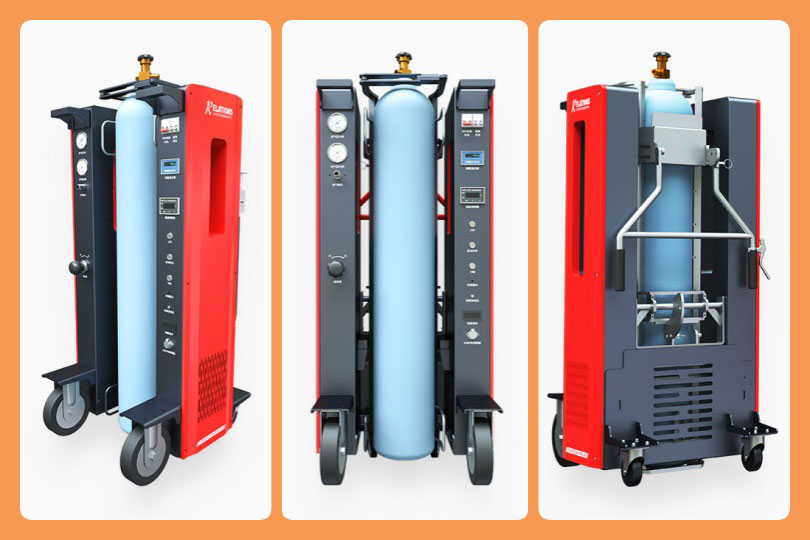
SF6 is not a gas that should be vented during cylinder retirement, maintenance, or decommissioning. Even small releases can create a significant environmental impact. Certified recovery providers use sealed transfer systems, vacuum equipment, gas analyzers, and approved pressure vessels to recover SF6 safely.
A professional certified SF6 gas cylinder recovery and disposal near me service typically evaluates:
- Cylinder ownership, serial number, and condition
- Remaining SF6 pressure and estimated gas volume
- Gas purity, moisture content, and decomposition by-products
- Valve integrity, corrosion, damage, and transport readiness
- Whether the gas can be reclaimed, recycled, or must be treated as contaminated material
- Applicable hazardous-material transport and waste documentation
For organizations managing multiple cylinders across sites, a documented recovery program also supports internal ESG reporting and greenhouse-gas reduction targets.
Recovery, Reclamation, and Disposal Are Different Services
Not every returned SF6 cylinder follows the same process. A qualified supplier should explain the treatment route before issuing a factory quote.
Recovery means removing SF6 from a cylinder or gas compartment using closed-loop equipment. The gas is transferred into an approved storage vessel rather than released to atmosphere.
Reclamation means processing recovered gas to restore it to an acceptable purity specification for reuse. This may involve filtration, drying, separation, and laboratory analysis.
Disposal applies to cylinders that are unsafe, obsolete, irreparable, or contaminated beyond viable reclamation. The residual gas must first be recovered, followed by cylinder depressurization, valve removal, rendering the container unusable, and recycling through an authorized metal-processing route.
What a Factory Quote Should Include
A credible factory quote should not be based only on cylinder quantity. Proper pricing depends on the actual service scope, gas condition, logistics, and compliance documentation required.
Essential Quote Parameters
When requesting certified SF6 gas cylinder recovery and disposal near me, prepare the following information:
- Number, size, and water capacity of cylinders
- Cylinder pressure readings and estimated SF6 content
- Gas grade and known contamination history
- Cylinder photographs, especially valves, labels, and corrosion areas
- Pickup location, access limitations, and loading requirements
- Whether cylinders are owned, leased, or supplier-returnable
- Required certificates, recovery records, or destruction documentation
- Urgency, including planned outages or decommissioning dates
A detailed factory quote should identify labor, recovery equipment, transport arrangements, testing, cylinder processing, and certificate issuance. It should also clearly state any assumptions regarding gas purity, cylinder condition, and collection access.
For time-sensitive projects, you can obtain a product quotation with cylinder specifications, photos, and your required service location.
Compliance Standards and Documentation to Verify
SF6 cylinder recovery should follow applicable local environmental rules, occupational safety requirements, and dangerous-goods transport regulations. Exact obligations vary by country and region, but reputable providers operate within recognized international frameworks.
Key compliance points include:
- ISO 9001 quality management controls for traceable service processes
- ISO 14001 environmental management systems for emissions and waste handling
- ISO 45001 occupational health and safety controls for field operations
- Applicable dangerous-goods transport rules, such as ADR, RID, IMDG Code, or IATA Dangerous Goods Regulations
- Cylinder design, inspection, and transport requirements under local pressure-equipment legislation
- IEC 60480 guidance for reuse and handling of SF6 taken from electrical equipment
- IEC 62271-4 guidance related to SF6 handling procedures for high-voltage switchgear
Certification alone is not enough. Ask for service records that demonstrate actual traceability. These may include cylinder identification logs, recovered gas quantities, analysis reports, transfer records, waste manifests, and recycling or disposal certificates.
Scenario-Based Solutions for Industrial Users
Substation Decommissioning Projects
When old GIS or circuit breakers are removed, cylinders may be partially filled with used SF6 or mixed gas. The best approach is an on-site recovery plan using vacuum-capable equipment and gas analysis before transport. The final factory quote should account for outage windows, equipment access, and the need for recovery certificates.
Manufacturing and Testing Facilities
Factories often accumulate partially used cylinders from production, testing, and quality-control activities. A scheduled certified SF6 gas cylinder recovery and disposal near me program can consolidate collection volumes, reduce storage risks, and improve inventory control. Reclaimable gas may be analyzed and returned to the supply chain where permitted.
Damaged or Expired Cylinders
Corroded, leaking, or out-of-test cylinders require additional caution. Do not attempt to remove valves or transfer gas without trained personnel and suitable equipment. The service provider should assess the cylinder remotely where possible, establish safe transport conditions, and provide a specialized factory quote for recovery and metal recycling.
How to Select the Right Local Provider
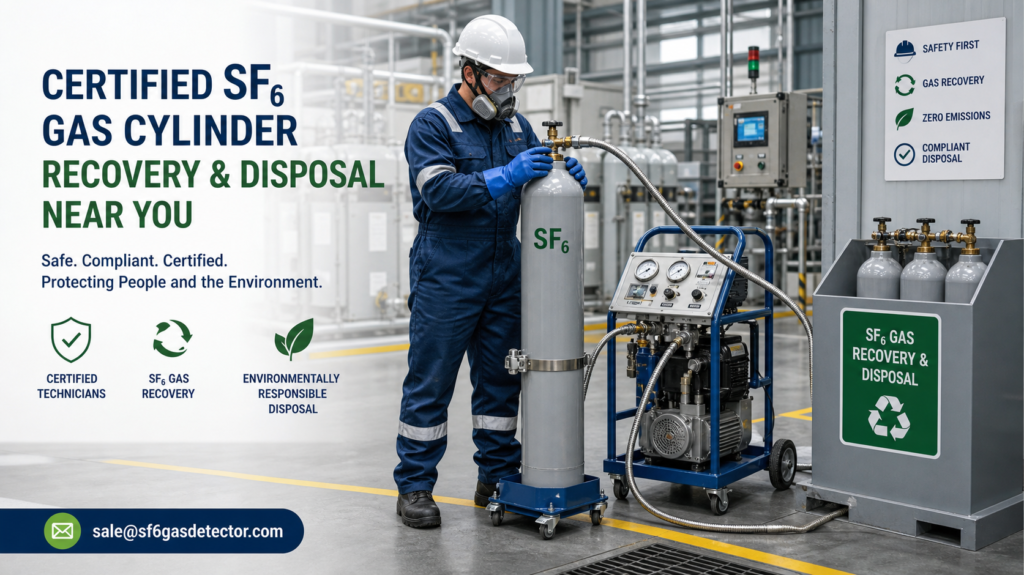
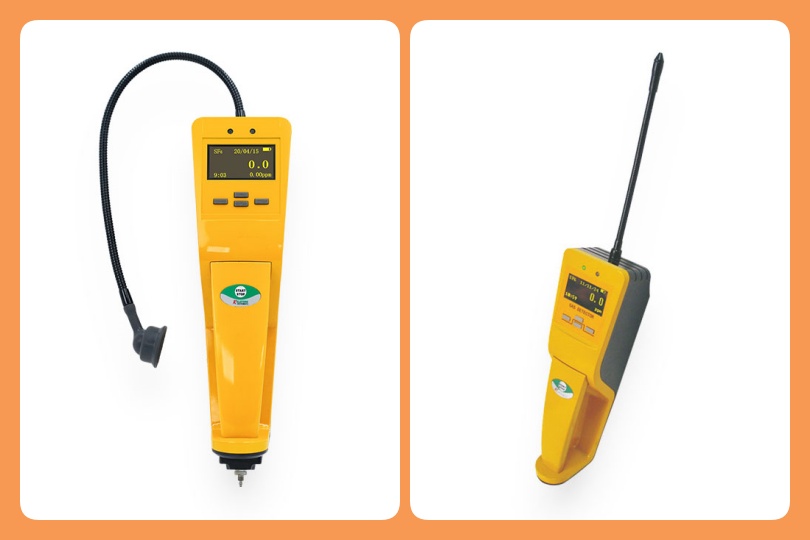
Choose a company with demonstrated SF6 handling experience rather than a general scrap or waste contractor. Ask whether technicians are trained in gas recovery, pressure-system safety, contamination control, and emergency response. Confirm that calibrated gas analyzers and leak-detection instruments are used.
The best certified SF6 gas cylinder recovery and disposal near me partner will provide clear responsibilities from pickup through final documentation. They should also explain whether recovered gas is reused, reclaimed, transferred for treatment, or destroyed through an approved process.
For complex cylinder inventories, request one-on-one guidance from engineers to determine the safest recovery route, required documentation, and practical collection plan.
Frequently Asked Questions
Can SF6 cylinders be disposed of with ordinary industrial scrap?
No. Cylinders containing SF6 or residual pressure should not enter ordinary scrap streams. The gas must be recovered first, and the cylinder must be professionally depressurized and rendered unusable before metal recycling.
How long does certified SF6 cylinder recovery take?
Timing depends on cylinder quantity, gas condition, pickup distance, site access, and documentation needs. A straightforward collection may be scheduled quickly, while contaminated gas or damaged cylinders may require a site-specific assessment.
What affects the factory quote for SF6 cylinder disposal?
The primary factors are cylinder size and quantity, remaining gas volume, gas contamination, cylinder condition, transport distance, recovery equipment requirements, and required compliance certificates.
Is recovered SF6 always reusable?
No. Reuse depends on gas analysis and applicable quality specifications. Clean gas may be reclaimed, while gas containing excessive moisture, air, or decomposition products may require additional treatment or approved disposal.
A well-structured certified SF6 gas cylinder recovery and disposal near me service protects your workforce, supports environmental accountability, and provides the evidence needed for responsible industrial operations.