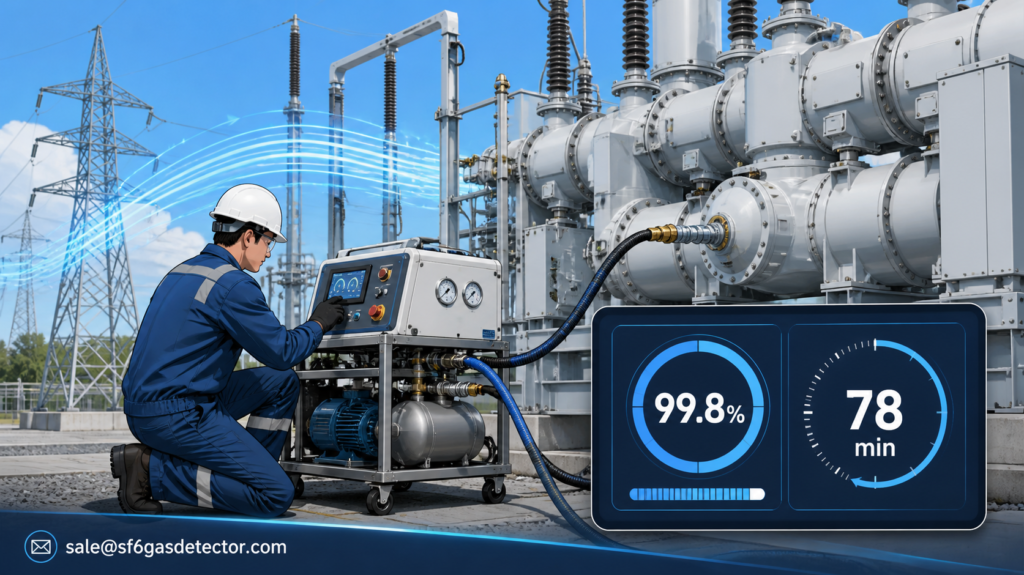
SF6 Recovery Field Service Achieves 99.8% Grid Recovery in 78 Minutes
Date
2026-09-01
[email protected]
Website
www.sf6gasdetector.com
Get Solutions And Quotes
Contact Factory
SF6 Recovery Field Service Achieves 99.8% Grid Recovery in 78 Minutes
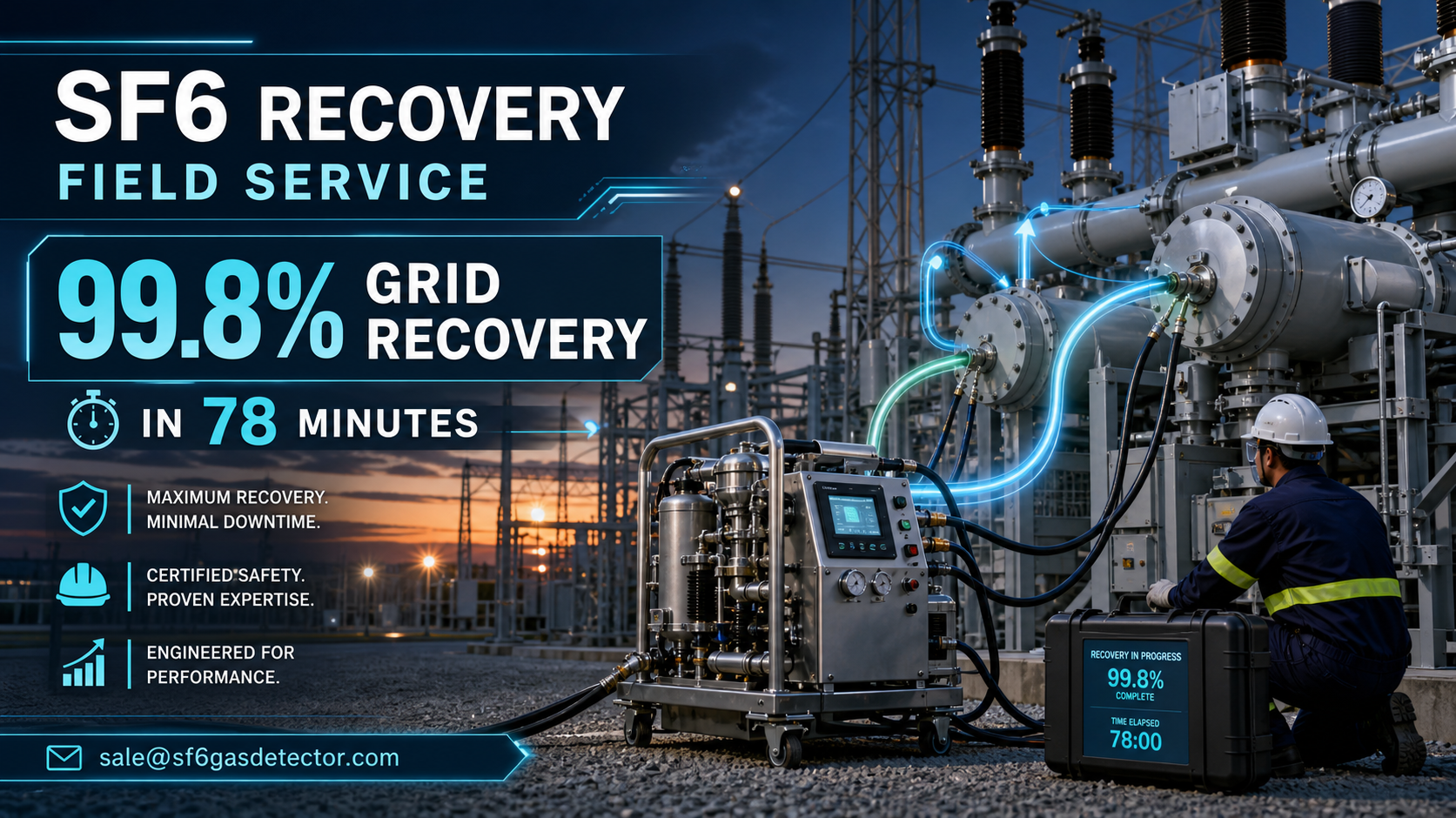
Power utilities need fast, controlled, and environmentally responsible methods for servicing SF6-insulated equipment in substations and transmission networks. A vehicle-mounted SF6 recovery field service solution is designed to bring high-capacity gas handling directly to the worksite, reducing equipment downtime while supporting a verified 99.8% rate for power grid maintenance operations. When correctly specified, operated, and documented, a 78-minute recovery cycle can provide a practical benchmark for defined gas volumes, ambient conditions, and equipment configurations.
SF6 is widely used in gas-insulated switchgear (GIS), circuit breakers, and other high-voltage assets because of its dielectric strength and arc-quenching performance. However, SF6 has a high global warming potential, so every SF6 recovery field service procedure must prioritize containment, recovery, purification, storage, and traceable gas management.
Why Vehicle-Mounted SF6 Recovery Matters for Grid Maintenance
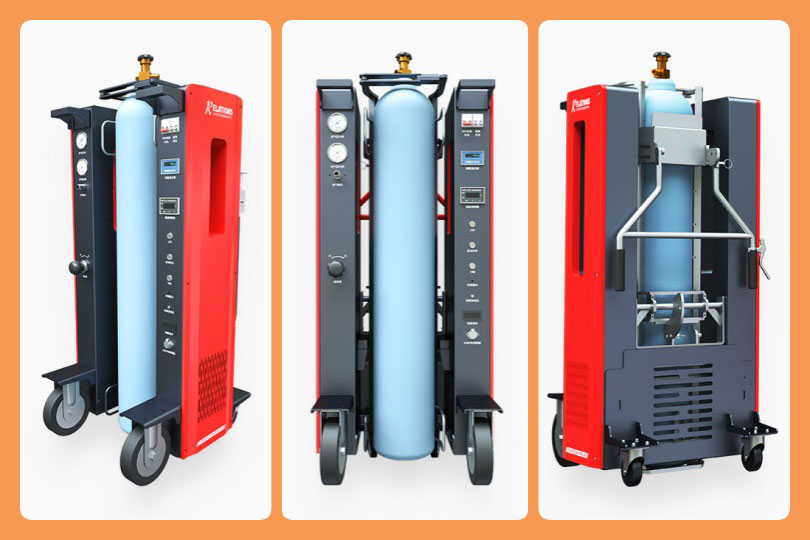
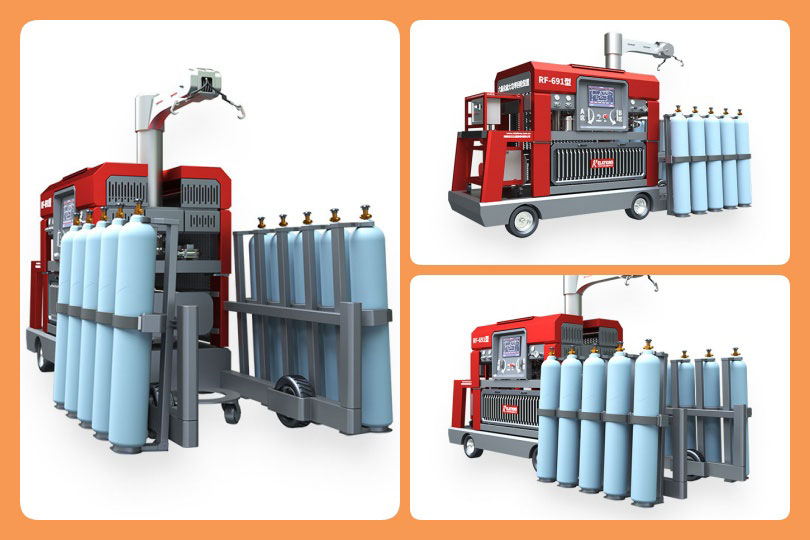
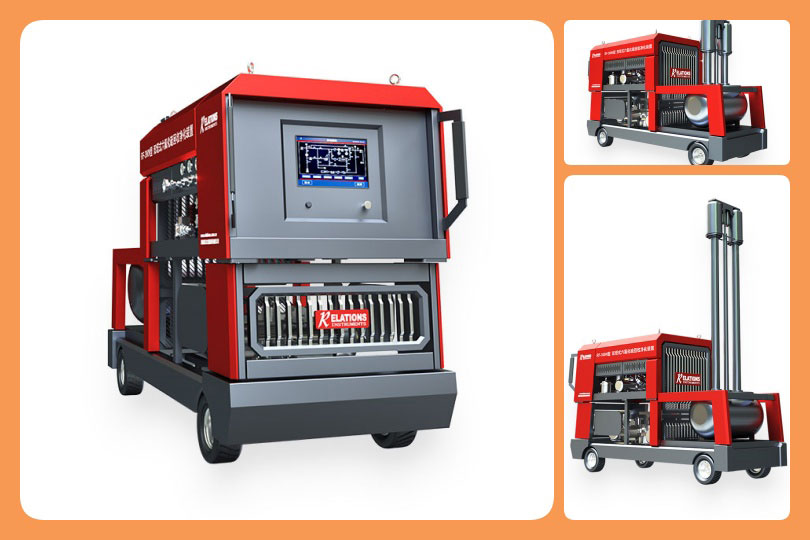
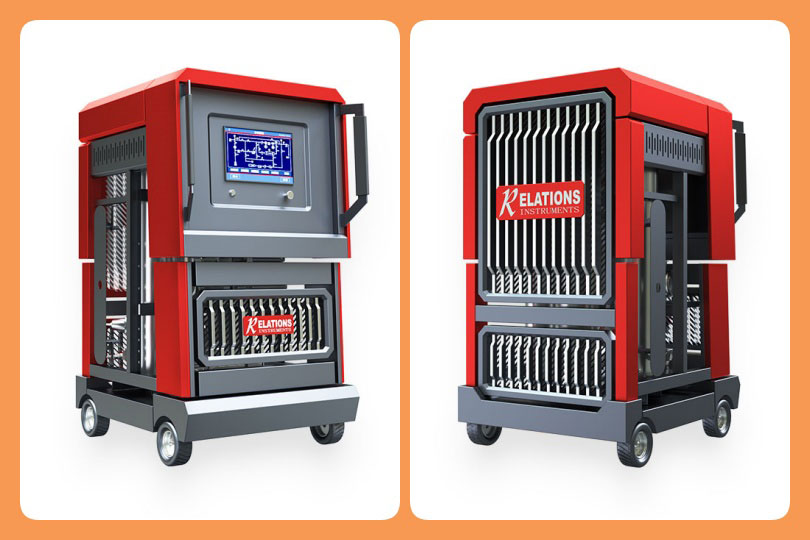
A fixed recovery station may be suitable for workshop work, but substations often require on-site service. A vehicle-mounted SF6 recovery field service unit integrates vacuum pumps, compressors, filtration systems, storage cylinders, hose reels, measuring instruments, and safety equipment into one mobile platform.
For power grid operators, the value is clear:
- Faster response for planned outages and emergency repairs
- Reduced handling transfers between field equipment and storage locations
- Better control of SF6 emissions during breaker or GIS maintenance
- Centralized records for recovered gas quantity, pressure, purity, and reuse status
- A repeatable process designed to support a 99.8% rate for power grid recovery targets
The 78-minute figure should be understood as an engineered service-cycle target rather than a universal guarantee. Actual recovery time depends on SF6 volume, initial pressure, hose length, ambient temperature, equipment leakage condition, and required final vacuum level.
Defining the 78-Minute Recovery Cycle
A professional SF6 recovery field service workflow divides the task into several controlled stages. For a qualified system, the 78-minute benchmark may include connection, gas transfer, residual evacuation, verification, and safe disconnection for a specified equipment volume.
Typical Cycle Parameters
A practical vehicle-mounted recovery package should document the following operating parameters:
| Parameter | Typical Requirement for Field Planning |
|---|---|
| Recovery efficiency | Up to a verified 99.8% rate for power grid service conditions |
| Recovery time | 78 minutes for the defined rated gas volume and duty cycle |
| Final evacuation level | Specified according to equipment manufacturer requirements and site procedure |
| Storage method | Approved reusable cylinders or dedicated gas tanks |
| Gas quality assessment | Moisture, decomposition by-products, purity, and air-content checks where required |
| Traceability | Cylinder ID, recovered mass, service date, operator, and asset reference |
A 99.8% rate for power grid operation should be measured through a mass-balance approach. The starting gas inventory, gas transferred to storage, residual gas estimate, and any authorized losses should be documented. This distinction is important: recovery efficiency is not the same as gas purity. Recovered SF6 may require filtration, drying, analysis, or off-site reclamation before reuse.
Compliance Standards and Responsible SF6 Handling
Reliable SF6 recovery field service is based on more than pumping speed. It requires procedures aligned with recognized technical and environmental expectations.
Relevant International Standards
IEC 62271-4 provides guidance for handling and use of SF6 in high-voltage equipment, including recovery, reuse, and personnel safety considerations. IEC 60376 addresses technical-grade SF6 for use in electrical equipment, while IEC 60480 provides guidance for the reuse of SF6 and its mixtures after recovery and treatment.
For supplier quality management, ISO 9001 certification demonstrates a structured quality-management framework. ISO 14001 certification supports systematic environmental management. These certifications do not replace site-specific safety procedures, but they provide useful evidence of disciplined manufacturing, documentation, and environmental controls.
A capable vehicle-mounted system should also use calibrated pressure gauges, weighing devices, leak-detection tools, and sampling instruments. Calibration records are essential when reporting a 99.8% rate for power grid service program to utility environmental, maintenance, or compliance teams.
Scenario-Based Solutions for Utility Operators
Scheduled Circuit Breaker Overhaul
During a planned breaker outage, the crew can connect the vehicle-mounted unit to the gas compartment, recover SF6 into marked storage, pull vacuum as required, and isolate the system for maintenance. The integrated design minimizes the need for multiple portable devices and supports a 78-minute recovery sequence where the asset gas quantity falls within the unit’s defined capacity.
GIS Gas Compartment Repair
GIS work may involve multiple compartments, restricted access, and strict contamination controls. In this case, SF6 recovery field service equipment should use dedicated hoses, suitable particle filtration, and clear cylinder segregation. Gas from a suspect compartment should not be mixed with verified clean gas before analysis.
Emergency Leak Response
When a leak alarm or pressure-loss event occurs, rapid deployment is critical. A vehicle-mounted SF6 recovery field service package enables crews to stabilize the affected asset, recover remaining gas where safe, and create a documented chain of custody. This reduces avoidable emissions and supports post-event root-cause analysis.
For project-specific capacities, hose configurations, and gas storage options, quickly obtain a product quotation from a technical sales team with your asset type and target recovery volume.
Selecting a Vehicle-Mounted Recovery System
The right system should be selected according to the largest expected compartment volume, required recovery speed, site access conditions, cylinder logistics, and utility reporting requirements. Avoid selecting solely on nominal compressor capacity. The complete SF6 recovery field service performance depends on pump-down capability, heat management, filtration, instrumentation accuracy, hose design, and operator training.
Utilities should request factory test documentation, calibration information, operating manuals, preventive-maintenance schedules, and clear statements describing the conditions under which the 99.8% rate for power grid target is achieved. This enables maintenance managers to compare systems on a transparent and technically meaningful basis.
Frequently Asked Questions
Is a 99.8% recovery rate achievable in all field conditions?
No. A 99.8% rate for power grid result depends on defined conditions, including equipment volume, initial pressure, connection integrity, equipment condition, and final evacuation requirements. It should be verified through documented measurement rather than assumed.
Can recovered SF6 be returned directly to equipment?
Only after its quality has been assessed against the applicable reuse requirements. Depending on test results, recovered gas may need drying, filtration, reclamation, or disposal through an authorized service provider.
What affects the 78-minute recovery time?
Gas quantity, recovery unit capacity, ambient temperature, hose routing, storage-cylinder pressure, and the required final vacuum level all affect cycle duration. A site survey helps establish realistic timing.
Why is operator training important?
Trained operators protect personnel, prevent cross-contamination, maintain accurate records, and help achieve the intended SF6 recovery field service performance. For application planning and operating procedures, request one-on-one guidance from engineers before deployment.