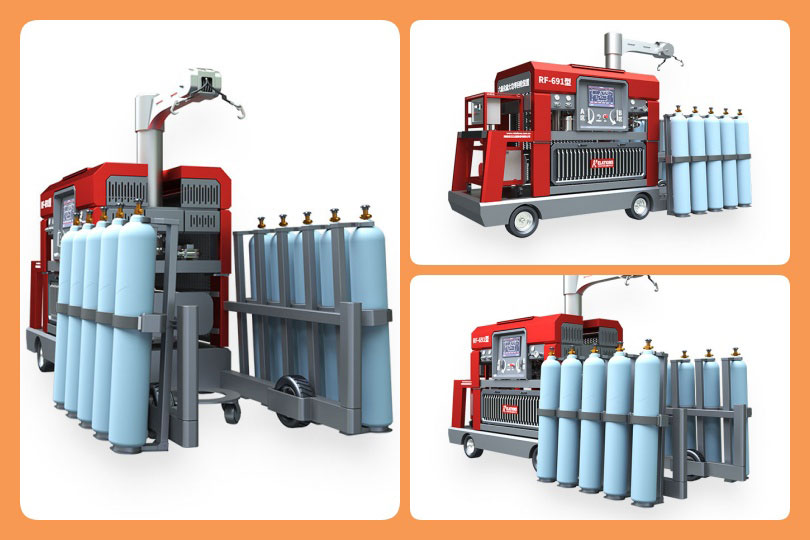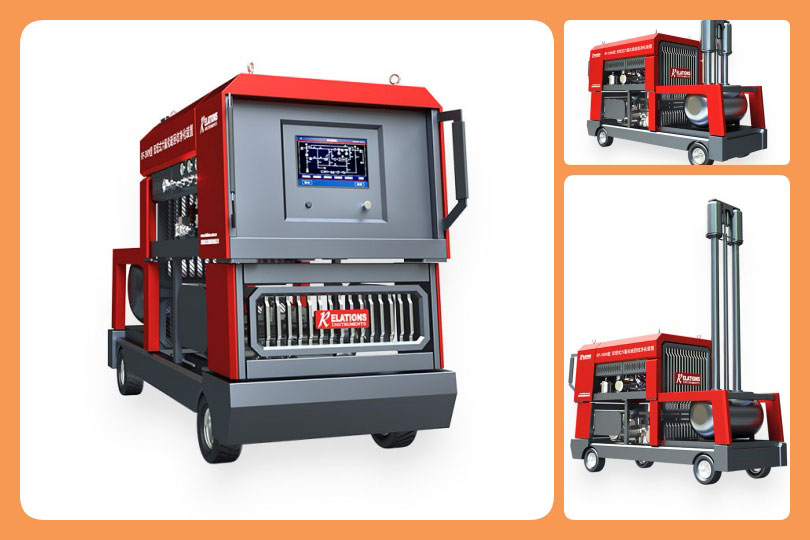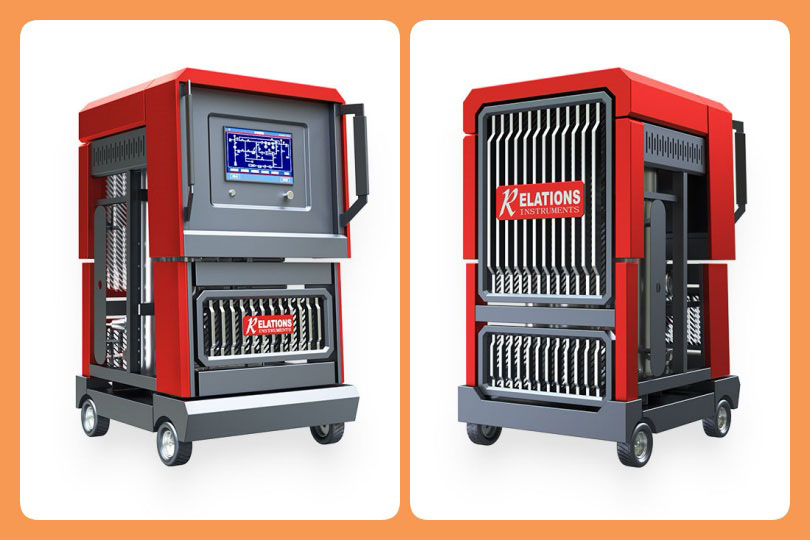
SF6 Cylinder Filling & Weighing Station: Streamline Electrical Maintenance
Date
2026-11-09
[email protected]
Website
www.sf6gasdetector.com
Get Solutions And Quotes
Contact Factory
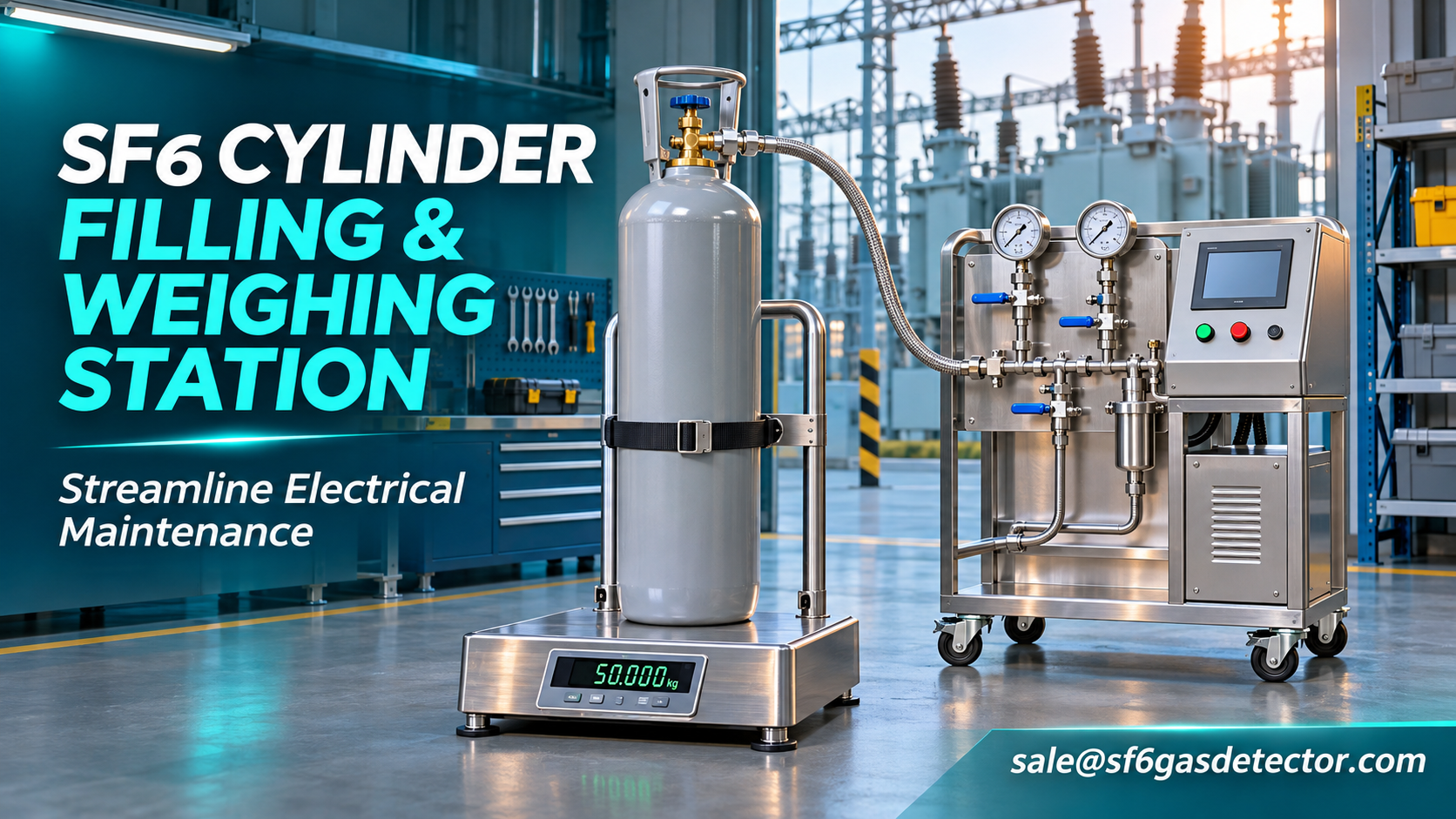
SF6 Cylinder Filling & Weighing Station: Streamline Electrical Maintenance
An SF6 cylinder filling and weighing station for electrical maintenance service centers provides controlled gas transfer, accurate inventory measurement, and traceable cylinder handling during switchgear servicing. For maintenance teams working with sulfur hexafluoride, the objective is not simply to fill containers: it is to prevent overfilling, minimize emissions, preserve gas quality, and document every transfer. A suitable installation combines compatible gas-handling equipment, calibrated weighing instruments, pressure protection, and operating procedures aligned with applicable environmental and pressure-equipment requirements.
Why Dedicated Filling and Weighing Matters
SF6 provides insulation and arc-quenching performance in electrical equipment, but it is also a potent greenhouse gas. Closed-loop handling helps maintenance centers recover and reuse eligible gas instead of releasing it during servicing.
Cylinder pressure alone cannot reliably indicate the amount of SF6 present when liquid and vapor coexist. Pressure depends strongly on temperature, so weighing is essential for determining transferred mass and controlling cylinder inventory.
A dedicated station also separates incoming recovered gas from approved reusable supplies. This reduces the risk of introducing moisture, air, or decomposition products into otherwise serviceable gas.
Essential Technical Parameters
Specifications should reflect the service center’s actual cylinder fleet, transfer volumes, and required turnaround times rather than an advertised maximum filling rate.
| Parameter | Procurement requirement | Practical significance |
|---|---|---|
| Gas compatibility | Wetted materials and seals suitable for SF6 and anticipated contaminants | Supports leak-tight operation |
| Cylinder compatibility | Approved connections, cylinder water capacities, and pressure ratings | Prevents unsafe mismatches |
| Weighing performance | Capacity covering cylinder gross mass; resolution and uncertainty appropriate to filling tolerance | Enables dependable mass control |
| Transfer performance | Rated flow under stated inlet pressure, outlet pressure, and temperature conditions | Makes throughput comparisons meaningful |
| Pressure protection | Rated components, monitoring, and protective devices appropriate to the design | Controls pressure-related hazards |
| Filling control | Adjustable mass target with automatic shutoff and independent overfill protection where specified | Reduces reliance on operator intervention |
| Gas segregation | Identified routes or dedicated equipment for suspect gas | Limits cross-contamination |
| Recordkeeping | Cylinder identification, tare, transferred mass, operator, and calibration status | Supports inventory reconciliation |
Establishing Safe Fill Limits
The permissible charge must follow the cylinder approval, applicable filling ratio, gas classification, and governing transport rules. There is no universal safe fill percentage applicable to every SF6 cylinder.
Determine allowable net gas mass from the approved cylinder data, then calculate the gross-mass cutoff using the verified tare. Account for weighing uncertainty and gas remaining in transfer lines. Never use pressure alone as the filling endpoint.
Standards, Certifications, and Legal Compliance
Compliance depends on installation location, equipment configuration, and whether cylinders will be transported. A supplier’s generic claim of “international certification” is insufficient.
IEC 62271-4 provides handling procedures for gases used for insulation and switching in high-voltage equipment. IEC 60376 addresses technical-grade SF6 and complementary gases, while IEC 60480 addresses specifications for reusing SF6 and its mixtures. These standards support gas-handling and quality decisions; they do not replace local legal requirements.
For European installations, assess the applicability of the Pressure Equipment Directive 2014/68/EU to stationary pressure equipment. Transportable cylinders may fall under the Transportable Pressure Equipment Directive 2010/35/EU and applicable dangerous-goods transport provisions, including ADR for road transport.
EU operators must also evaluate obligations under Regulation (EU) 2024/573 on fluorinated greenhouse gases, including relevant personnel certification, recovery, and recordkeeping requirements. Other jurisdictions impose their own environmental, workplace, and cylinder requirements.
Request declarations of conformity where applicable, cylinder inspection records, pressure-test documentation, and calibration certificates. Calibration traceable through an ISO/IEC 17025-accredited laboratory strengthens confidence in weighing results, but does not itself certify the entire station.
Matching Equipment to Maintenance Scenarios
Routine Switchgear Maintenance
Centers servicing a consistent population of equipment benefit from standardized cylinder connections, stored filling targets, and barcode-based identification. Pair the station with suitable recovery equipment and gas-quality testing so that recovered gas is assessed before reuse.
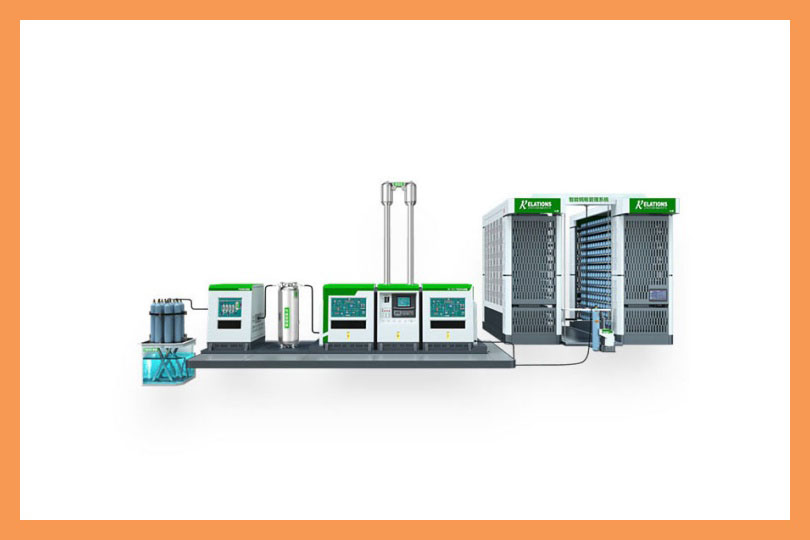
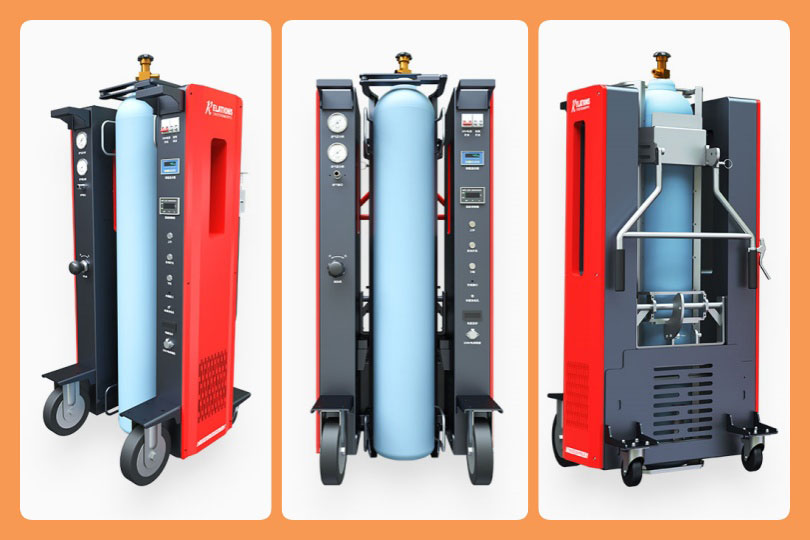
An SF6 gas filling station with automatic weighing is particularly useful where operators perform repeated transfers and need consistent cutoff control.
High-Volume Service Operations
Facilities processing multiple cylinders daily should prioritize repeatability, data integration, and safe cylinder changeover. Independent weighing platforms can improve scheduling, provided the control system prevents unintended transfers between connected cylinders.
Evaluate throughput across the complete workflow, including identification, connection, evacuation where required, testing, filling, and disconnection.
Contaminated Gas Recovery
Gas recovered after internal arcing may contain hazardous decomposition products. Use designated containers, suitable filtration or treatment equipment, and contamination-specific procedures.
Operators need ventilation, appropriate personal protective equipment, and controls based on the safety data sheet and risk assessment. A weighing station alone does not make contaminated SF6 suitable for reuse.
A Controlled Operating Workflow
Before transfer, verify cylinder identification, inspection validity, valve condition, tare, and allowable charge. Secure the cylinder on a stable weighing platform without hose forces distorting the reading.
Inspect connections and perform the specified leak check. Prepare transfer lines according to the equipment manufacturer’s procedure, avoiding atmospheric releases. Enter the approved mass target and verify protective functions.
During filling, monitor mass, pressure, and temperature. After automatic shutoff, isolate the cylinder, recover residual line gas where the system permits, and verify final weight. Record the transferred quantity and apply the required identification.
Frequently Asked Questions
Can one station handle recovered and new SF6?
Yes, if its design and procedures prevent cross-contamination. Suspect gas may require dedicated lines, cylinders, or separate treatment equipment.
How often should the scale be calibrated?
Set intervals through manufacturer guidance, usage intensity, legal requirements, and observed drift. Routine checks with suitable reference weights help identify changes between calibrations.
Does the station replace gas analysis?
No. Weighing establishes quantity, not purity, moisture content, or decomposition-product levels. Reuse decisions require appropriate testing.
Building a Reliable Service Capability
Selecting an SF6 cylinder filling and weighing station for electrical maintenance service centers requires verified filling limits, traceable measurement, compatible connections, and clear operating responsibilities. Prioritize demonstrable safety functions and lifecycle support over headline transfer speed. A well-specified installation strengthens gas accountability while supporting safer, lower-emission electrical maintenance.