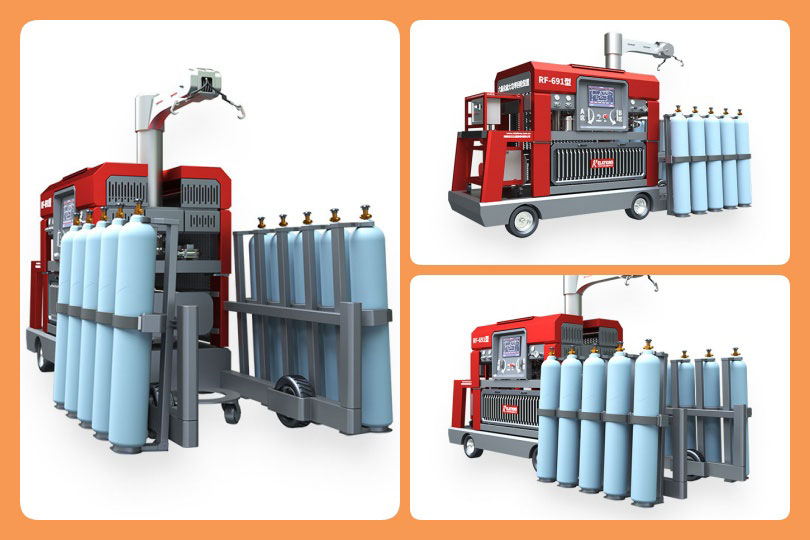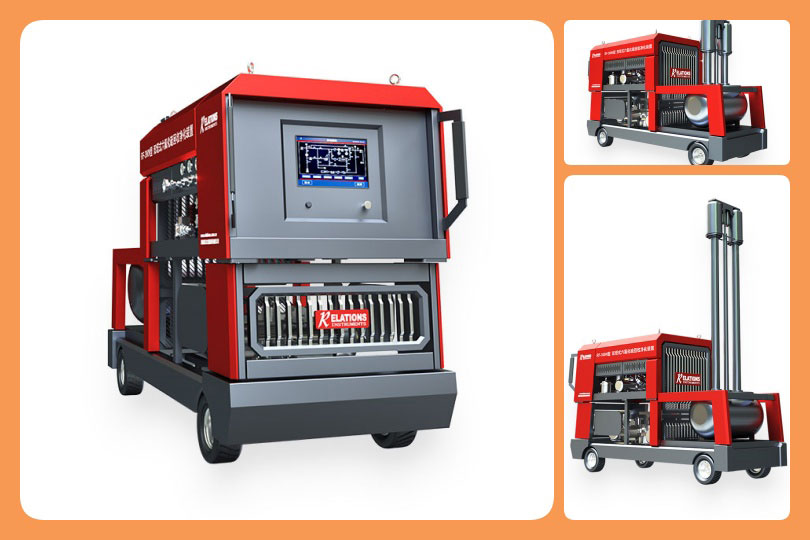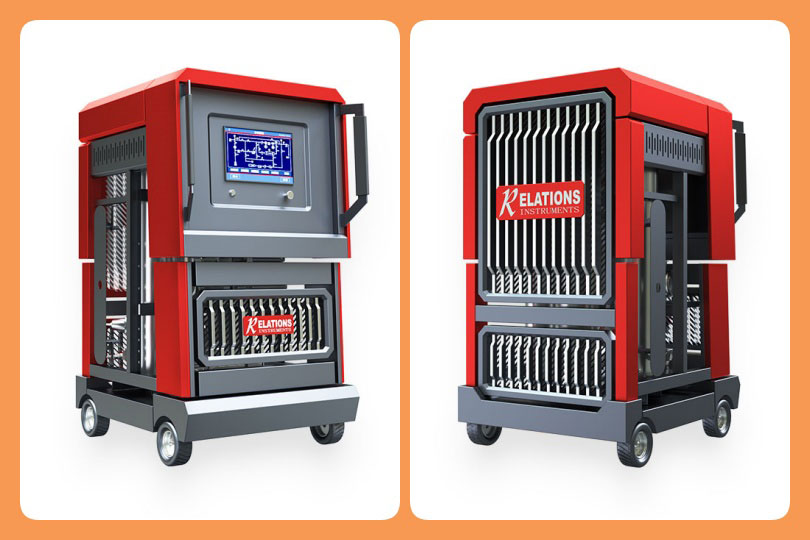
Get an SF6 Comprehensive Analyzer Quotation for Accurate GIS Testing

Date
2026-10-09
[email protected]
Website
www.sf6gasdetector.com
Get Solutions And Quotes
Contact Factory
Get an SF6 Comprehensive Analyzer Quotation for Accurate GIS Testing
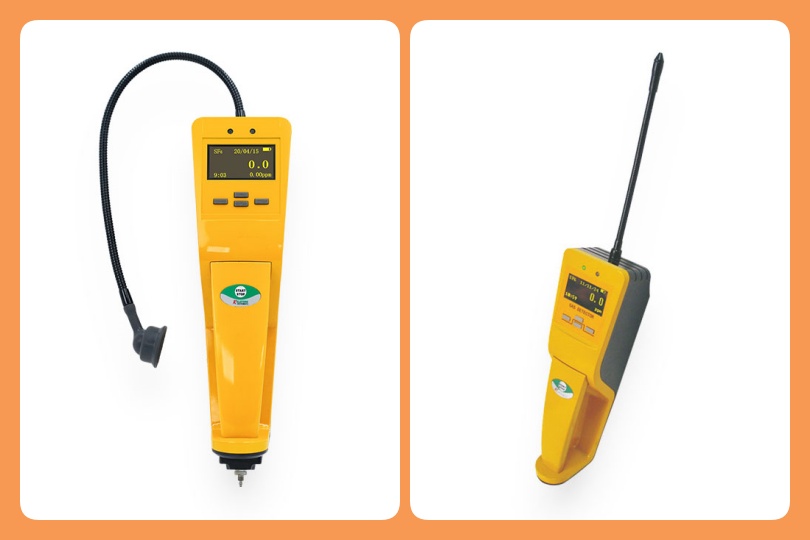
An SF6 comprehensive analyzer quotation for GIS testing is more than a price list. For utilities, substation contractors, testing laboratories, and GIS maintenance providers, it is a technical procurement document that should clearly define instrument capability, measurement accuracy, certification status, delivery scope, and after-sales support. Selecting the right analyzer helps teams verify sulfur hexafluoride gas quality efficiently, support condition-based maintenance, and maintain compliance with applicable electrical and environmental requirements.
When requesting an SF6 comprehensive analyzer quotation for GIS testing, buyers should provide the rated voltage level, type of gas-insulated switchgear, expected testing frequency, and required gas quality parameters. This information enables suppliers to configure the instrument correctly and prevents unnecessary accessories or insufficient measuring ranges.
Why GIS Testing Requires a Comprehensive SF6 Analyzer
Gas-insulated switchgear depends on high-purity SF6 or approved alternative insulating gases to maintain dielectric performance. Over time, moisture ingress, air contamination, decomposition by-products, and reduced gas purity can affect insulation reliability and indicate internal equipment issues.
A professional SF6 comprehensive analyzer quotation for GIS testing should cover the key gas-condition measurements commonly required during commissioning, preventive maintenance, fault investigation, and gas recovery operations:
- SF6 purity or volume percentage
- Moisture content, typically expressed as dew point, ppmv, or ppmw
- Decomposition products, such as SO₂, H₂S, CO, HF-related indicators, or other configured channels
- Gas pressure and temperature compensation, where applicable
- Data storage, reporting, and communication functions
The exact test items should match the utility’s maintenance procedures and the GIS manufacturer’s recommendations. Not every application requires the same sensor package, so a quotation should identify which channels are included as standard and which are optional.
Core Specifications to Review in a Quotation
Measurement Range and Accuracy
An SF6 comprehensive analyzer quotation for GIS testing should state measurement ranges, resolution, repeatability, response time, and accuracy for every parameter. Buyers should avoid evaluating analyzers solely by the number of functions listed. A wider range is not automatically better if the accuracy is unsuitable for normal GIS service conditions.
For example, moisture measurement should be selected according to expected dew point levels and maintenance acceptance thresholds. Purity measurement should provide adequate resolution near the gas quality limits used by the facility. Decomposition sensors should be chosen based on likely fault modes, such as arcing, overheating, or moisture-related deterioration.
Sensor Technology and Cross-Sensitivity
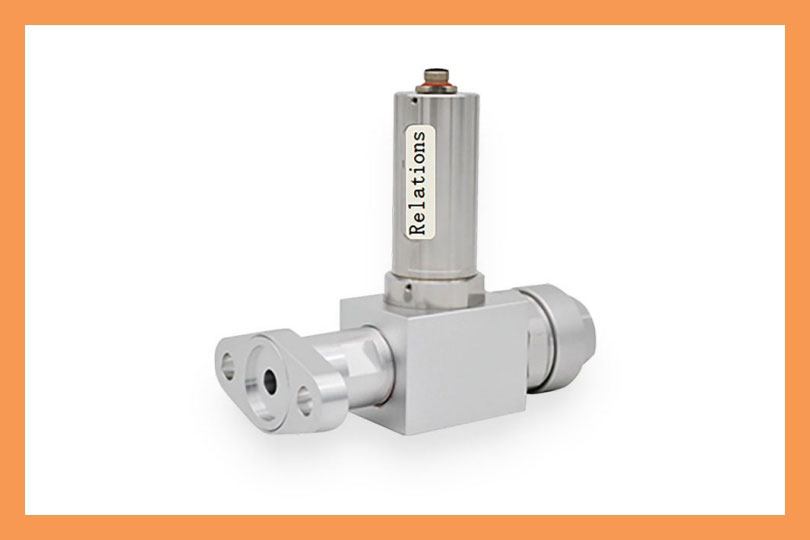
Different sensing methods have different strengths. High-quality analyzers may use thermal conductivity, infrared, electrochemical, capacitive polymer, chilled-mirror, or other suitable technologies depending on the parameter. A reliable SF6 comprehensive analyzer quotation for GIS testing should disclose the measuring principle where relevant and explain expected sensor life, calibration intervals, and cross-sensitivity limitations.
This is especially important for decomposition testing. Certain gas components may interfere with other sensor channels, while high concentrations of contaminants can shorten sensor life. Suppliers should provide clear operating limits and recommended maintenance procedures.
Gas Consumption and Recovery Design
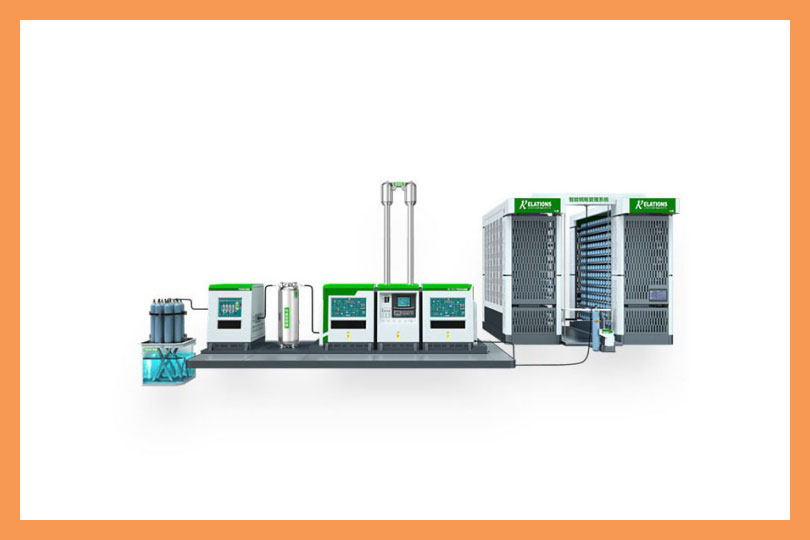
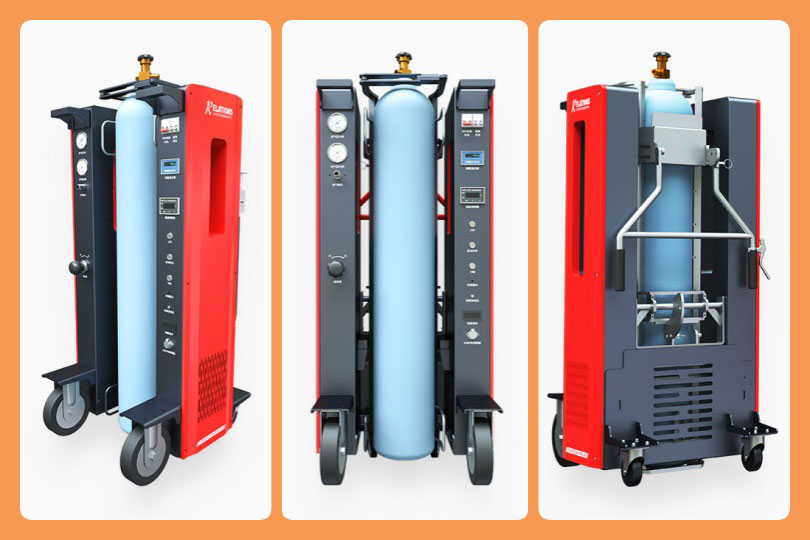
SF6 is a potent greenhouse gas, so gas handling is an important purchasing consideration. Buyers should prioritize analyzers with low sample-gas consumption and a closed-loop or gas-recovery option where operationally appropriate. The SF6 comprehensive analyzer quotation for GIS testing should specify gas consumption per test, hose configuration, connection fittings, and whether sampled gas can be returned to the equipment or collected for proper recovery.
For environmentally responsible GIS maintenance, testing practices should align with site procedures, local environmental regulations, and recognized SF6 handling guidance. Personnel should never vent SF6 unnecessarily during analysis.
Compliance, Calibration, and Documentation Requirements
A credible SF6 comprehensive analyzer quotation for GIS testing should include traceable calibration information and identify the standards followed during manufacturing and quality management. Depending on the supplier and project requirements, buyers may request documentation related to ISO 9001 quality management systems, CE conformity for applicable markets, RoHS compliance, and calibration certificates traceable to recognized national or international standards.
For GIS gas quality evaluation, relevant technical references may include IEC 60376 for new SF6 quality and IEC 60480 for the reuse and handling of SF6 taken from electrical equipment. These documents should be used alongside the asset owner’s procedures and the GIS manufacturer’s specified acceptance criteria.
A complete quotation should also list:
- Instrument model and configured measuring channels
- Standard accessories, hoses, couplings, filters, and carrying case
- Battery capacity and AC charging requirements
- Display language, data export format, and printer options
- Calibration validity and recommended recalibration period
- Warranty terms, training, technical support, and spare sensor availability
For project-specific configurations, buyers can quickly obtain product quotations with the required measurement channels, GIS connection type, and destination market identified in the inquiry.
Scenario-Based Selection for GIS Maintenance Teams
Commissioning of New GIS Installations
During commissioning, the primary concern is confirming that filling gas meets specified purity and moisture requirements before energization. An SF6 comprehensive analyzer quotation for GIS testing for this scenario should emphasize purity accuracy, low moisture detection capability, stable readings, and clean sampling accessories. Data reporting is also valuable for handover documentation.
Routine Preventive Maintenance
For periodic maintenance programs, portability, test speed, data logging, and low gas consumption become major priorities. A compact analyzer with rechargeable power, onboard records, and simple field connections can reduce outage time while supporting consistent trending across multiple GIS bays.
Fault Investigation and Condition Assessment
After abnormal switching events, partial discharge investigations, or suspected internal arcing, decomposition analysis becomes more important. The right SF6 comprehensive analyzer quotation for GIS testing should include the required decomposition channels and suitable filters or protective arrangements. Operators should follow safe work procedures because contaminated gas may contain harmful by-products.
How to Compare Supplier Quotations Fairly
When comparing an SF6 comprehensive analyzer quotation for GIS testing, create a technical comparison table rather than reviewing only the total purchase price. Compare sensor configuration, accuracy, gas recovery method, calibration support, lead time, warranty, and lifecycle maintenance costs.
A lower initial price may not represent the best long-term value if it excludes essential fittings, requires frequent sensor replacement, lacks calibration support, or cannot meet project documentation requirements. For complex GIS applications, one-on-one guidance from engineers can help confirm the appropriate sensor combination and accessories before issuing a purchase order.
Frequently Asked Questions
What affects an SF6 comprehensive analyzer quotation for GIS testing?
The price is affected by the number of measurement channels, sensor technology, accuracy level, gas recovery capability, included accessories, certification documents, calibration requirements, and after-sales service package.
Is a three-in-one analyzer sufficient for all GIS applications?
Not always. Purity, moisture, and SO₂ measurement may suit routine work, but fault investigations may require additional decomposition channels. The required configuration should follow site procedures and the GIS manufacturer’s recommendations.
How often should an SF6 analyzer be calibrated?
Calibration frequency depends on the manufacturer’s instructions, usage intensity, sensor type, and quality system requirements. Many organizations schedule annual calibration, but the instrument manual and internal QA procedures should govern the final interval.
What should be included in a complete purchase request?
A complete request should state the required gas parameters, expected ranges, GIS connection type, project location, applicable certification needs, desired delivery date, and whether gas recovery or return-to-equipment functionality is required.