SF6 Gas Recovery, Purification & Filling for Grid Projects | Factory Price
Date
2026-10-09
[email protected]
Website
www.sf6gasdetector.com
Get Solutions And Quotes
Contact Factory
SF6 Gas Recovery, Purification & Filling for Grid Projects | Factory Price
SF6 gas recovery purification and filling equipment is an essential solution for utilities, switchgear manufacturers, electrical service contractors, and industrial maintenance teams working with gas-insulated equipment. In a modern power grid project, controlling SF6 handling is not only a maintenance requirement; it is also an environmental, safety, quality, and compliance responsibility. A properly configured system enables technicians to recover used gas, remove contaminants, store purified SF6, evacuate equipment, and refill compartments with verified gas quality and pressure.
Because sulfur hexafluoride has a high global warming potential, best-practice handling focuses on preventing emissions throughout installation, overhaul, testing, and decommissioning activities. Selecting professional SF6 gas recovery purification and filling equipment helps organizations protect high-value GIS, circuit breakers, transformers, and other gas-insulated assets while reducing gas losses and operating costs.
What Does SF6 Gas Recovery Purification and Filling Equipment Do?
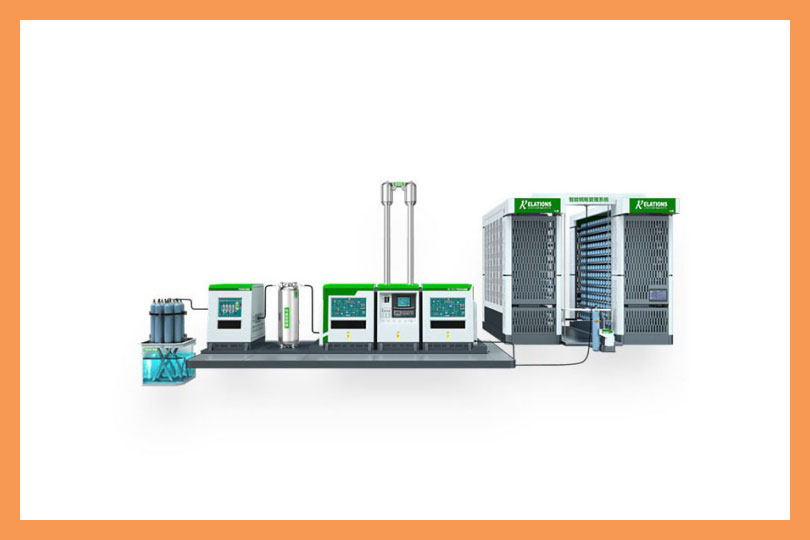
A complete SF6 gas recovery purification and filling equipment package integrates several functions into one controlled process. Instead of venting gas or relying on separate tools with inconsistent interfaces, maintenance personnel can perform recovery, treatment, vacuum drying, storage, and refilling through sealed connections.
Typical applications include:
- Gas-insulated switchgear (GIS) maintenance
- High-voltage circuit breaker servicing
- Gas-insulated line and transformer projects
- SF6 cylinder transfer and gas reclamation
- Equipment commissioning within a power grid project
- End-of-life gas collection before asset dismantling
The primary operating sequence generally includes gas recovery from the electrical compartment, compression into a storage tank or cylinder, filtration and purification, vacuum evacuation of the serviced equipment, leak checking, and controlled refilling. High-quality SF6 gas recovery purification and filling equipment supports stable gas flow, minimizes cross-contamination, and improves traceability for field records.
Core Functional Modules
Reliable systems are normally designed around the following modules:
- Oil-free recovery compressor: Compresses SF6 into a storage vessel without introducing compressor oil into the gas circuit.
- Purification train: Uses particulate filters, molecular sieves, and adsorbent media to reduce moisture, decomposition products, and other contaminants.
- Vacuum pump assembly: Removes air and moisture from gas compartments before filling.
- Storage tank: Holds recovered gas safely during servicing and enables accurate inventory management.
- Precision measurement instruments: May include pressure gauges, vacuum indicators, weighing scales, dew-point analyzers, and gas quality monitors.
- Filling and transfer hoses: Use compatible couplings, check valves, and sealed connections to reduce leakage risks.
Key Technical Parameters for Equipment Selection
When comparing SF6 gas recovery purification and filling equipment, buyers should evaluate more than the initial factory price. Capacity, purification performance, vacuum capability, instrumentation, and service support directly affect lifecycle value.
Recovery and Filling Capacity
Recovery flow is commonly stated in cubic meters per hour or kilograms per hour. A compact unit may suit individual circuit breaker service, while a large mobile plant is better suited to GIS stations and utility-scale applications. The selected recovery rate should match the largest anticipated gas compartment and planned outage duration.
Filling performance should also be controlled rather than simply fast. Stable, regulated filling helps avoid overpressure and supports compliance with OEM filling procedures. For a large power grid project, a system with high storage capacity and multiple connection options can reduce transfer time between maintenance locations.
Vacuum Performance and Moisture Control
Vacuum capability is critical because residual air and moisture can compromise dielectric performance. Buyers should verify the ultimate vacuum rating, pumping speed, hose quality, and vacuum measurement method. A dedicated vacuum stage is particularly valuable for newly installed GIS bays, repaired circuit breakers, and equipment exposed to humid site conditions.
Purification performance should be assessed against the expected gas condition. Used SF6 may contain moisture, air, SO₂, HF-related by-products, dust, and decomposition compounds generated by electrical arcing. Proper filtration media and timely replacement schedules are necessary for dependable results.
Compliance Standards and Responsible SF6 Handling
Professional SF6 gas recovery purification and filling equipment should support the operating practices described in recognized international standards. Relevant references include IEC 62271-4 for handling procedures for SF6 and its mixtures, IEC 60376 for technical-grade new SF6, and IEC 60480 for the reuse of SF6 recovered from electrical equipment.
For asset owners, compliance means establishing documented procedures for gas identification, recovery, purification, storage, testing, reuse, and disposal. It also means ensuring that operators receive appropriate training and use suitable personal protective equipment when handling gas that may contain decomposition products.
A well-designed SF6 gas recovery purification and filling equipment unit should include clearly labeled controls, emergency shutdown functions, protected electrical components, pressure-relief provisions, and calibrated measuring instruments. Manufacturers should also provide operating manuals, maintenance instructions, test documentation, and applicable CE conformity documentation where required for the destination market.
Scenario-Based Equipment Solutions
Utility Substation Maintenance
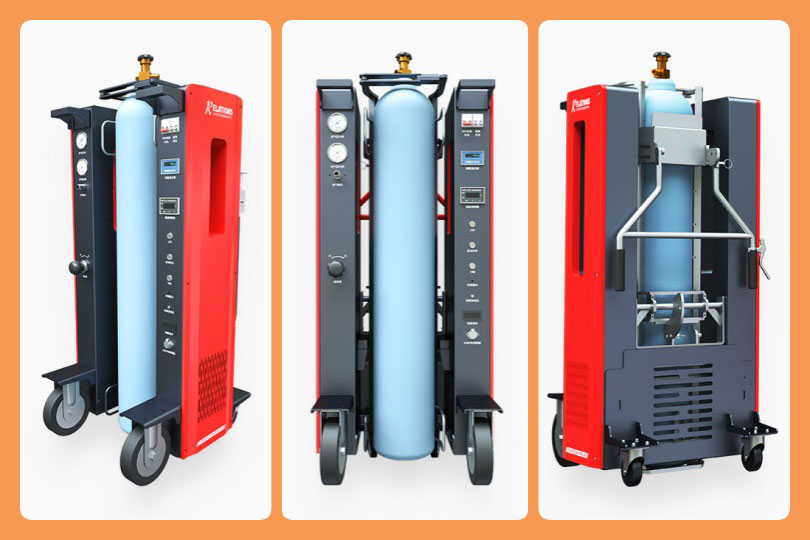
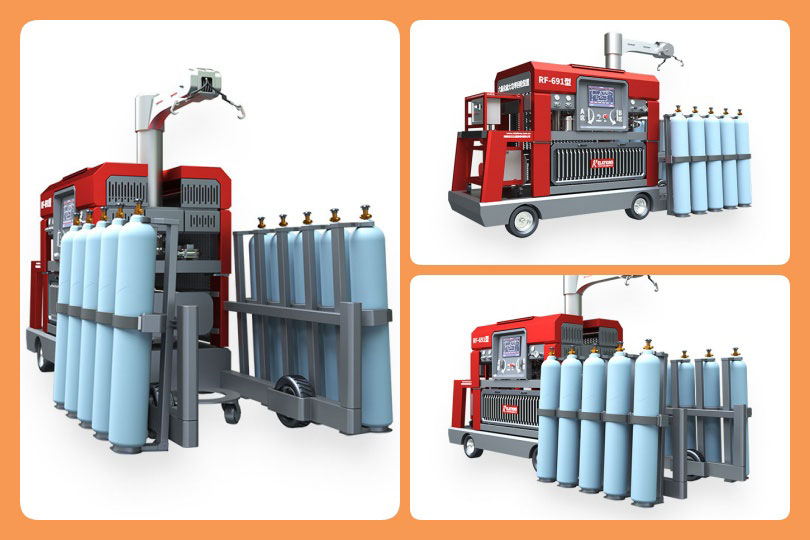
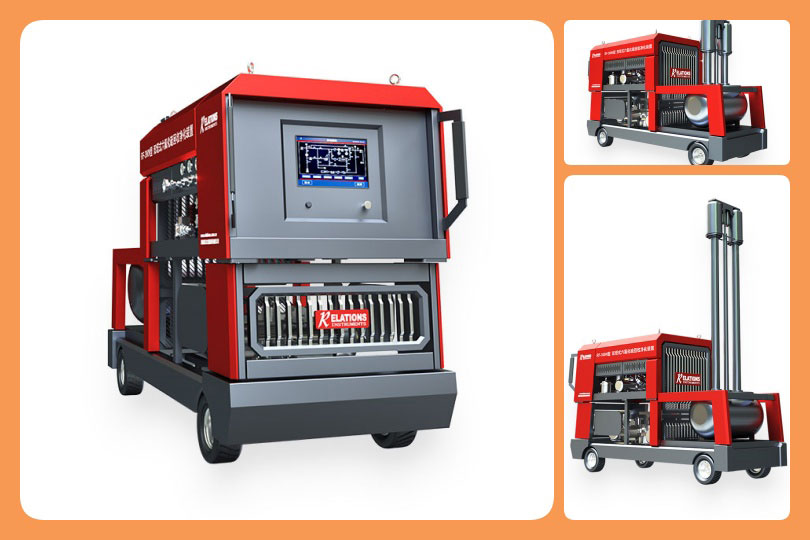
For utility teams servicing GIS and high-voltage breakers, mobile SF6 gas recovery purification and filling equipment with a large integrated storage tank is often the most practical option. It allows recovered gas to remain on site, reducing cylinder handling and enabling technicians to return purified gas to the same equipment after maintenance.
In this scenario, important features include robust wheels, weather-resistant construction, long hose sets, remote-readable gauges, and high recovery capacity. These functions help maintenance crews complete scheduled outages efficiently without compromising gas quality.
Switchgear Manufacturing and Commissioning
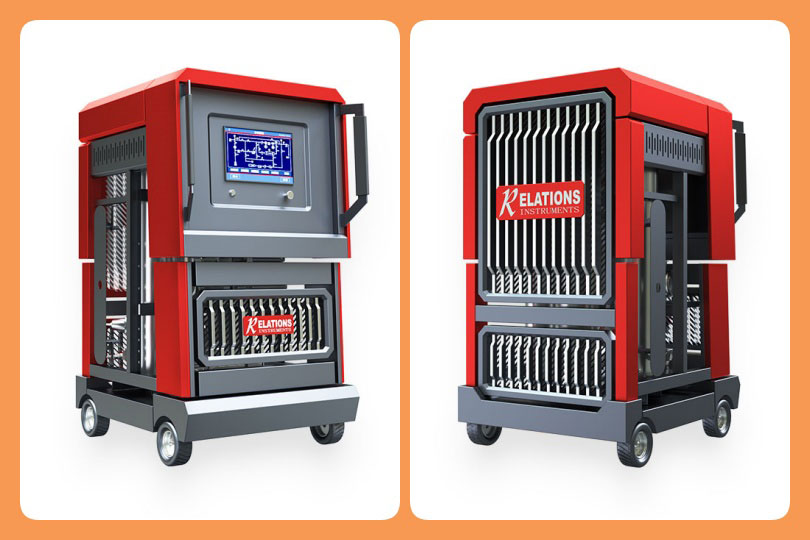
Switchgear manufacturers often need repeatable gas filling procedures during factory testing and final assembly. Stationary or semi-mobile SF6 gas recovery purification and filling equipment can support standardized production workflows, accurate filling weights, and cleaner gas management between test stations.
For project managers who need technical configuration support, one-on-one guidance from engineers can help align tank volume, recovery speed, voltage requirements, and instrumentation with the commissioning plan.
Emergency Leak Repair and Field Service
During unexpected leak investigations, service contractors require compact, fast-deploying systems. A portable unit with rapid evacuation capability, secure couplings, and integrated gas storage can reduce downtime while preventing unnecessary SF6 release. Before returning equipment to service, technicians should complete leak testing and confirm that gas purity, moisture level, and pressure meet the equipment manufacturer’s requirements.
Factory Price Versus Lifecycle Cost
A competitive factory price is important, especially for contractors and buyers managing capital budgets across multiple substations. However, the lowest purchase cost is not always the lowest operational cost. Equipment with inadequate filtration, undersized storage, unreliable gauges, or difficult-to-source consumables can create delays and increase gas losses.
When evaluating factory price, compare the full scope of supply: recovery compressor type, vacuum pump, storage capacity, filter configuration, scales, gas analysis options, hose lengths, control system, spare parts, and warranty. Buyers should also confirm whether commissioning assistance and operator training are available.
To obtain a configuration-specific product quotation, provide the expected SF6 volume, application type, power supply, required mobility, and destination country. This enables a more accurate technical and commercial comparison.
Frequently Asked Questions
Can recovered SF6 gas be reused?
Yes, recovered SF6 can be reused when it is properly analyzed and processed to meet the applicable quality requirements. IEC 60480 provides guidance for evaluating and reusing SF6 recovered from electrical equipment. Gas that cannot be restored to acceptable quality should be managed through an authorized waste or gas-treatment route.
How often should purification filters be replaced?
Filter replacement depends on the volume and condition of processed gas. Systems used after fault interruption or heavily contaminated equipment may require more frequent servicing. Operators should follow the manufacturer’s maintenance schedule and monitor gas-quality results.
Is portable equipment suitable for a large power grid project?
Portable equipment can support large projects when its recovery rate, storage tank volume, and duty cycle match the site requirements. For extensive GIS work, a higher-capacity mobile unit or multiple coordinated units may be more efficient.
Why is vacuum evacuation required before SF6 filling?
Evacuation removes air and moisture from the gas compartment and connected hoses. This helps preserve dielectric performance, reduce condensation risk, and support accurate final gas composition.
By choosing compliant, correctly sized SF6 gas recovery purification and filling equipment, organizations can improve maintenance efficiency, reduce emissions, protect critical electrical assets, and maintain disciplined gas-handling practices across every power grid project.