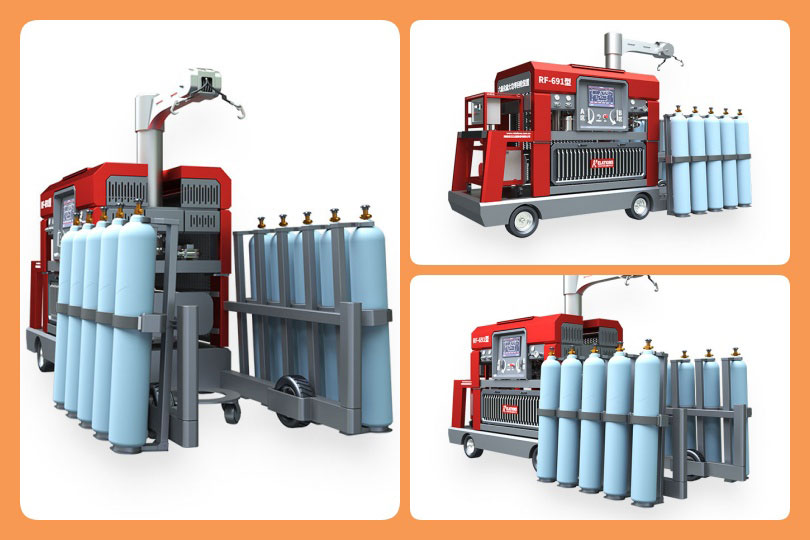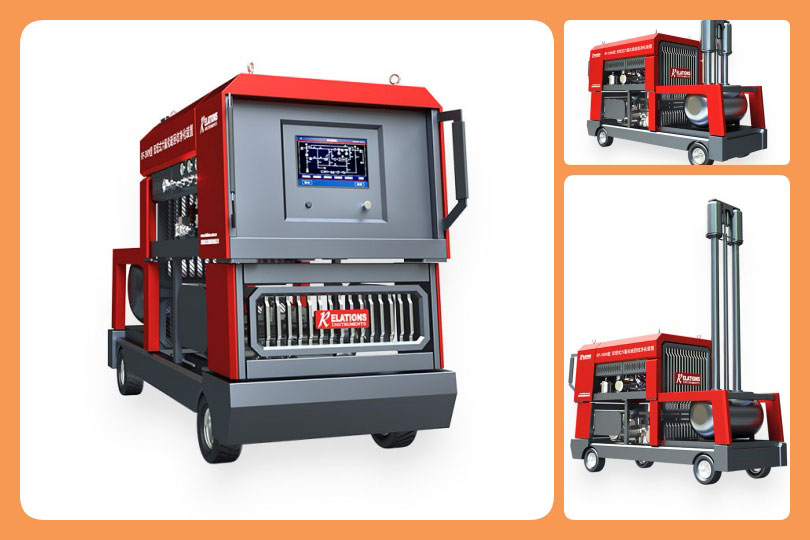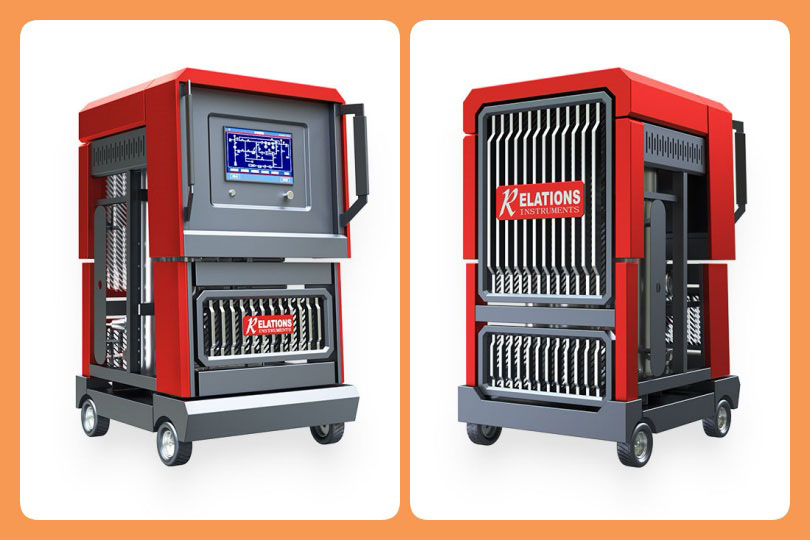
High-Capacity SF6 Recovery, Purification & Filling Systems for Substations
Date
2026-10-21
[email protected]
Website
www.sf6gasdetector.com
Get Solutions And Quotes
Contact Factory
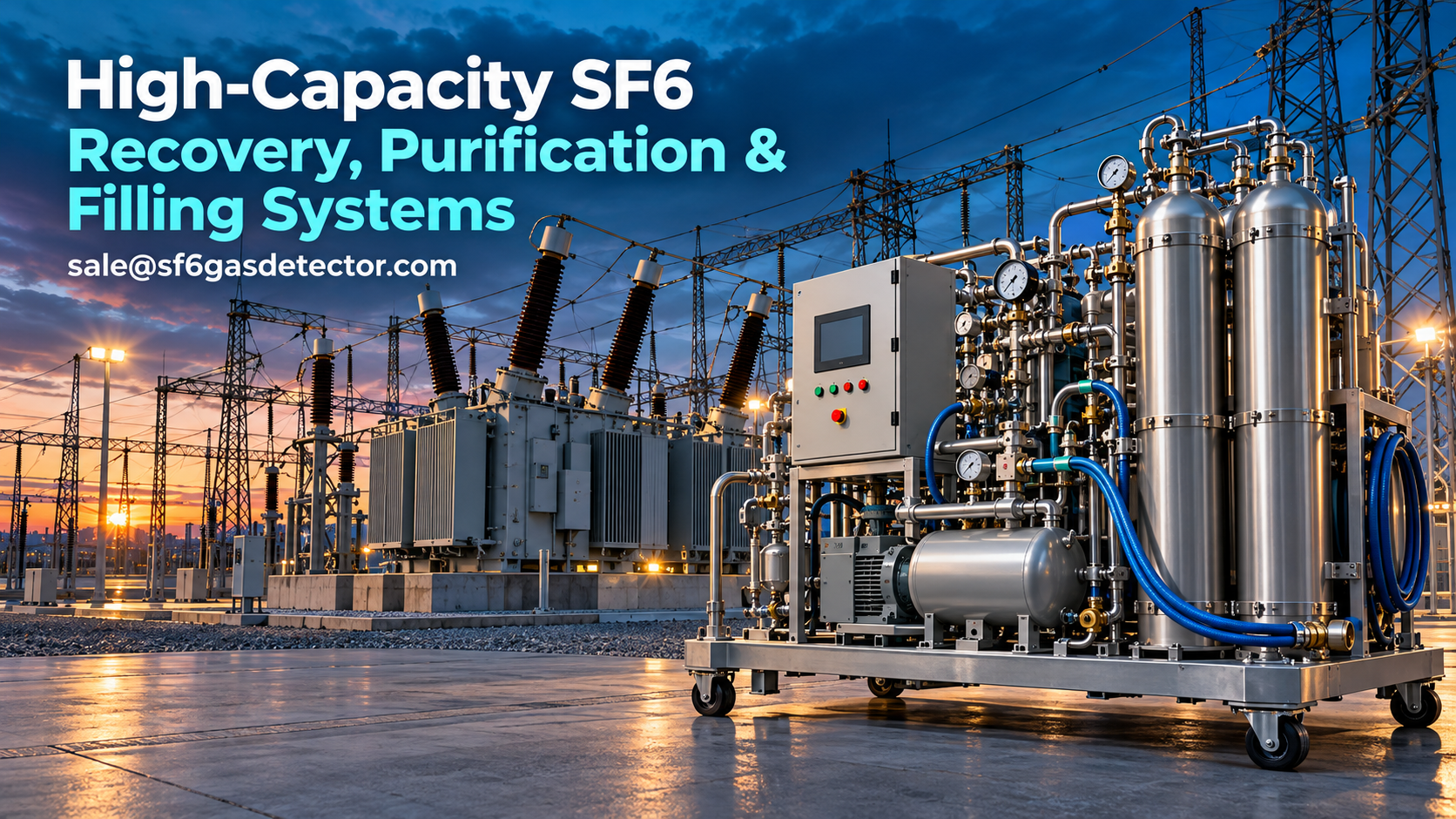
High-Capacity SF6 Recovery, Purification & Filling Systems for Substations
Large transmission and distribution substations require dependable gas-handling equipment to keep SF6-insulated assets available, compliant, and safe. A qualified high-capacity SF6 recovery purification and filling system supplier for large substations provides integrated solutions for recovering used gas, removing contaminants, storing purified SF6, and refilling circuit breakers, GIS, gas-insulated lines, and other high-voltage equipment. The right system reduces gas loss, shortens outage windows, and supports responsible SF6 lifecycle management.
Why Large Substations Need High-Capacity SF6 Gas Handling Systems
SF6 remains widely used in high-voltage insulation and arc-quenching applications because of its dielectric strength and operational reliability. However, it is also a potent greenhouse gas, making containment, recovery, reuse, and accurate records essential. During planned maintenance, emergency repair, commissioning, or decommissioning, large substations may need to process hundreds of kilograms or several tonnes of gas.
A high-capacity SF6 recovery purification and filling system supplier for large substations should therefore offer equipment designed for high throughput, deep vacuum performance, contamination control, and stable filling accuracy. Portable low-volume carts may be suitable for individual breakers, but they can create unacceptable delays when a GIS bay or multiple high-voltage assets require gas handling within a limited outage period.
Typical High-Volume Operating Scenarios
- GIS maintenance: Recovering SF6 from large gas compartments before inspections, contact replacement, or fault investigation.
- Substation expansion: Vacuuming and filling new GIS modules, gas-insulated bus systems, and high-voltage circuit breakers during commissioning.
- Contaminated-gas treatment: Purifying gas affected by moisture, air ingress, decomposition products, or oil vapor after equipment faults.
- Fleet-level maintenance: Supporting utility service teams managing several substations or multiple gas-insulated assets in one shutdown cycle.
- End-of-life recovery: Transferring SF6 into approved storage cylinders before equipment dismantling or gas reclamation.
Key Performance Parameters for System Selection
When evaluating a high-capacity SF6 recovery purification and filling system supplier for large substations, buyers should compare complete technical capabilities rather than focusing only on compressor speed. The system must perform consistently in real field conditions and protect both gas quality and equipment integrity.
Recovery Capacity and Final Residual Pressure
Recovery capacity is commonly stated in kilograms per hour or cubic meters per hour. For large substation work, capacity should be matched to the largest compartment volume, the planned maintenance duration, and the number of gas zones to be processed. A high-capacity compressor shortens recovery time, while a low final residual pressure helps minimize remaining SF6 in the equipment.
The supplier should clearly specify rated recovery performance under defined ambient conditions, as well as the achievable residual pressure. Actual performance can vary with gas temperature, inlet pressure, hose length, and contamination level, so transparent test conditions are important.
Purification Performance and Gas Quality Control
Recovered gas may contain moisture, air, particulate matter, acidic decomposition by-products, or compressor-related impurities. A professional SF6 purification unit normally includes particulate filtration, moisture adsorption, gas drying, and chemical adsorption media selected for decomposition products. Multi-stage filtration helps restore gas quality for reuse when the gas is suitable for reclamation.
Gas quality verification should be based on recognized industry methods and the applicable customer specification. Relevant references include IEC 60480 for the reuse and handling of SF6 in electrical equipment, IEC 60376 for technical-grade SF6, and IEC 62271-4 for SF6 handling procedures for high-voltage equipment. A capable supplier should support testing for moisture, purity, air content, and decomposition products before gas is returned to service.
Vacuum and Filling Precision
Before filling, gas compartments should be evacuated according to the equipment manufacturer’s instructions and site procedures. A dual-stage vacuum pump, reliable vacuum measurement, and leak-tight hose assemblies are essential. Filling controls should provide stable pressure regulation and prevent overfilling, especially where temperature compensation is required.
For accurate commissioning work, select a system with calibrated gauges or digital instruments, controlled transfer valves, and suitable connections for the installed equipment. Calibration records should be traceable to appropriate national or international measurement standards.
Compliance, Safety, and Environmental Management
A reputable high-capacity SF6 recovery purification and filling system supplier for large substations understands that gas handling equipment is part of a broader environmental and safety program. Equipment design and site operation should align with IEC guidance, local environmental requirements, utility procedures, and the original equipment manufacturer’s maintenance instructions.
For projects involving European markets, applicable requirements may include the EU F-gas regulatory framework and related reporting obligations. In other regions, operators must follow national rules governing fluorinated greenhouse gases, hazardous waste, pressure equipment, and transportable gas cylinders. SF6 cylinders should be approved for the relevant transport regime, such as ADR, DOT, or equivalent local requirements.
Essential Safety Features
- High-pressure protection and properly rated relief devices
- Leak-tested piping, valves, couplings, and storage connections
- Emergency stop functions and electrical protection appropriate to site conditions
- Separate pathways for recovered gas, purified gas, and non-reclaimable contaminated gas
- Clear operating manuals, preventive maintenance plans, and operator training support
Personnel should use appropriate PPE and follow confined-space, ventilation, lockout/tagout, and gas-monitoring procedures where required. In particular, gas from faulted equipment may contain harmful decomposition products and must be assessed before handling or disposal.
How to Choose the Right Supplier for a Utility Project
The best high-capacity SF6 recovery purification and filling system supplier for large substations delivers more than a machine. Utilities and EPC contractors should look for a partner that can assess operating volume, equipment interfaces, gas purity targets, storage logistics, and project-site constraints.
Questions to Ask Before Purchasing
- What recovery rate and residual pressure can the unit achieve under documented conditions?
- Which impurities can the purification train remove, and how is filter performance monitored?
- Can the system be configured for our cylinder type, GIS connection, voltage, and ambient temperature?
- Are pressure gauges, vacuum instruments, and safety devices supplied with calibration documentation?
- What commissioning, training, spare-parts, and after-sales support are available?
For a project-specific configuration, utilities can request one-on-one guidance from engineers to review required capacity, purification media, storage options, and connection standards before procurement.
Frequently Asked Questions
Can recovered SF6 always be reused?
No. Reuse depends on measured gas quality and the applicable technical specification. Gas that meets the required purity and contamination limits after treatment may be reused. Gas that cannot be restored economically or safely should be managed through an approved reclamation or disposal route.
What capacity is suitable for a large GIS substation?
The correct capacity depends on total gas inventory, the largest compartment volume, target outage duration, storage-cylinder logistics, and required purification performance. A supplier should calculate capacity using the site’s actual gas volumes and maintenance schedule rather than relying on a generic rating.
Is purification necessary during every recovery operation?
Not always, but gas quality should be evaluated whenever recovery is performed. Purification is particularly important after fault interruption, moisture ingress, long service intervals, or when analytical results show contamination outside the reuse specification.
How can buyers obtain a tailored equipment price?
Because capacity, purification modules, storage vessels, voltage configuration, and accessories affect total cost, buyers can quickly obtain product quotations by providing the gas volume, application, destination country, and preferred operating requirements.
Choosing a technically capable high-capacity SF6 recovery, purification, and filling solution helps large substations protect asset reliability while reducing emissions and supporting compliant maintenance practices. A system sized around real site conditions, supported by documented performance and professional service, delivers the best long-term value for utility operations.