Professional SF6 Recovery Systems for High-Voltage Applications
Date
2026-08-17
[email protected]
Website
www.sf6gasdetector.com
Get Solutions And Quotes
Contact Factory
Professional SF6 Recovery Systems for High-Voltage Applications
A qualified SF6 recovery system supplier helps utilities, electrical manufacturers, and maintenance contractors manage sulfur hexafluoride safely during servicing, testing, and decommissioning of gas-insulated equipment. In high-voltage applications, SF6 handling is not simply a maintenance task: it is a controlled environmental, operational, and personnel-safety process. The right recovery system protects valuable insulating gas, reduces emissions, improves equipment uptime, and supports compliance with recognized international standards.
For organizations operating GIS substations, circuit breakers, gas-insulated transmission lines, transformers, and other SF6-filled equipment, selecting an experienced SF6 recovery system supplier is essential for reliable field performance and responsible gas management.
Why SF6 Recovery Matters in High-Voltage Applications
SF6 is widely used in high-voltage electrical equipment because of its outstanding dielectric strength and arc-quenching properties. It enables compact equipment designs and reliable interruption performance at high voltage levels. However, SF6 also has a very high global warming potential, making leak prevention, recovery, purification, reuse, and documented handling important parts of modern asset management.
A professional SF6 recovery system supplier provides equipment designed to transfer SF6 from electrical apparatus into approved storage cylinders or tanks while minimizing gas loss. Depending on the application, a recovery unit may also evacuate equipment, filter contaminants, separate moisture, and refill treated gas to the required pressure.
For high-voltage applications, these capabilities reduce the risk of uncontrolled emissions during routine maintenance, emergency repairs, factory testing, and equipment retirement.
Essential Performance Parameters for an SF6 Recovery System
Not every gas-handling unit is suitable for every voltage class or service condition. A capable SF6 recovery system supplier should assess the equipment type, gas volume, contamination condition, site environment, and required recovery speed before recommending a model.
Recovery Capacity and Final Vacuum Level
Recovery capacity is commonly measured by gas flow rate or kilograms of SF6 recovered per hour. A higher-capacity system is appropriate for large GIS compartments, transmission-class circuit breakers, and utility substations where shutdown windows are limited.
Final vacuum capability is equally important. Deep evacuation helps remove residual SF6 before opening equipment and supports effective drying before refilling. The selected system should provide a vacuum level appropriate for the relevant maintenance procedure and equipment manufacturer’s instructions.
Gas Purification and Filtration
During arcing or fault interruption, SF6 may produce decomposition by-products. Moisture, particulates, oil vapor, and acidic compounds can also affect gas quality and equipment performance. For this reason, many high-voltage applications require filtration stages designed for particulate removal, moisture control, and treatment of decomposition products.
A dependable SF6 recovery system supplier should explain the filter configuration, replacement intervals, compatible adsorbents, and safe disposal requirements for used filter materials. This is particularly important when servicing heavily operated circuit breakers or equipment with known internal faults.
Storage, Compression, and Refilling Control
Recovered gas must be stored in compatible, inspected cylinders or storage vessels. Systems should include suitable pressure monitoring, safety relief measures, and connections designed to reduce leakage during transfer. For refilling work, precise pressure control supports correct equipment operation and avoids overfilling.
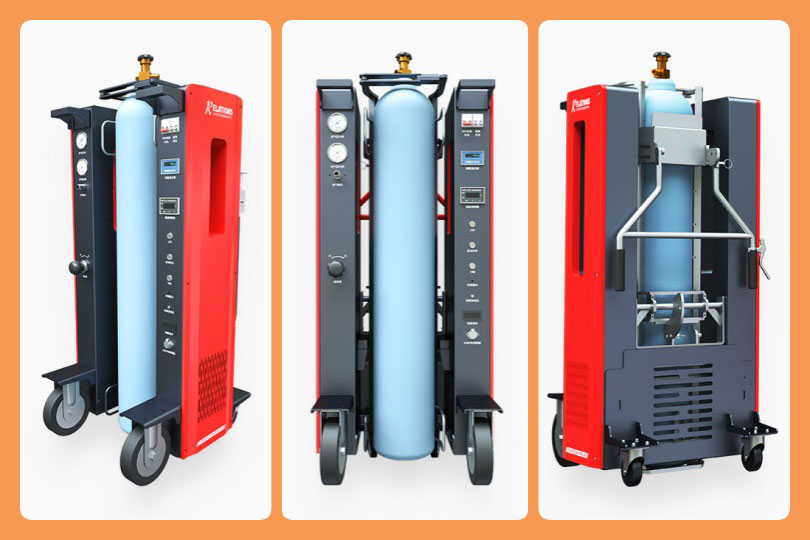
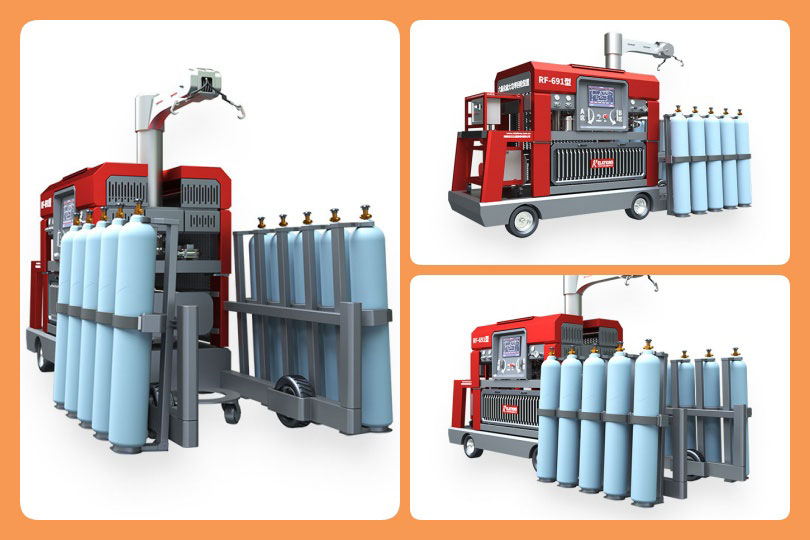
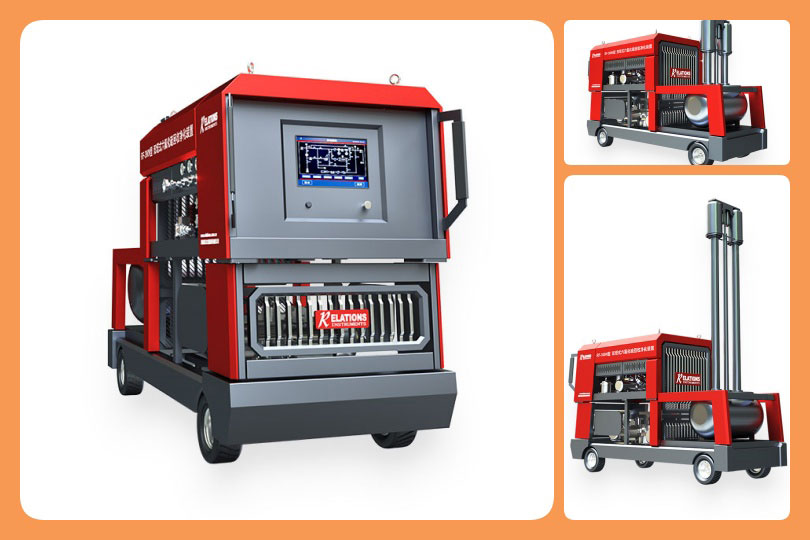
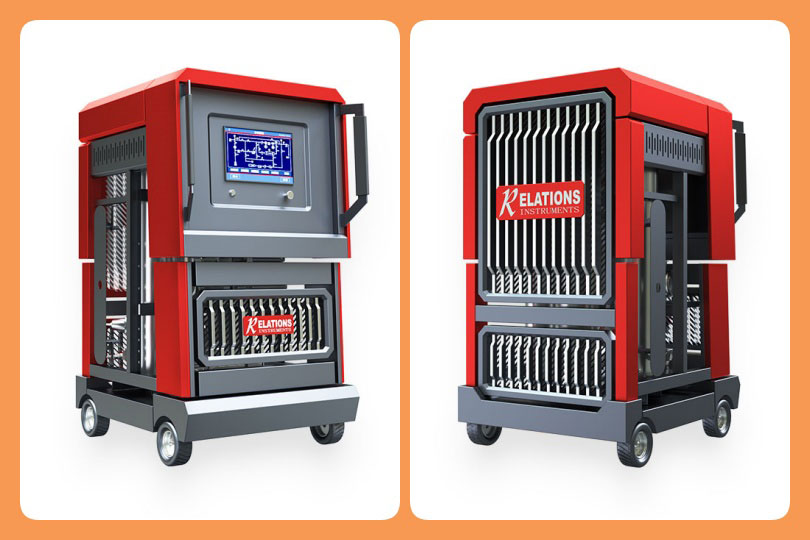
For high-voltage applications, mobile recovery carts are often valuable because they allow technicians to perform recovery, vacuuming, filtering, and refilling at the asset location without unnecessary gas transfers.
Compliance Standards and Responsible SF6 Handling
A professional SF6 recovery system supplier should build equipment and service procedures around established industry requirements. While local legal obligations differ by country, the following references are widely used in SF6-related work:
- IEC 62271-4, which addresses handling procedures for SF6 and its mixtures in high-voltage switchgear.
- IEC 60376, which specifies technical-grade SF6 for electrical equipment.
- IEC 60480, which provides guidance for checking and treating reused SF6 from electrical equipment.
- IEC 62271 series requirements applicable to high-voltage switchgear and controlgear.
- ISO 9001 quality management practices for manufacturing consistency and traceability.
- Applicable pressure-equipment, electrical-safety, transport, and environmental regulations in the installation country.
Compliance is more than a document package. It should be visible in calibrated gauges, pressure-tested piping, properly rated electrical components, clear operating manuals, maintenance records, and trained technical support. When evaluating an SF6 recovery system supplier, request information on inspection procedures, quality-control documentation, safety interlocks, and available test reports.
Matching Recovery Systems to Real Operating Scenarios
Utility Substation Maintenance
Utilities need reliable recovery equipment for planned breaker servicing, GIS compartment work, and leak investigations. A high-capacity SF6 recovery system with integrated vacuum pumping and filtration can shorten outage duration while improving recovery completeness. Portable designs with robust wheels, durable hoses, and clear instrumentation are especially useful for substation environments.
GIS Installation and Commissioning
During GIS installation, new compartments may require evacuation, leak testing support, and controlled SF6 filling. The recovery system should offer stable pressure regulation, accurate gauges, and clean gas paths to prevent contamination of newly installed equipment.
Circuit Breaker Overhaul and Fault Response
Circuit breakers exposed to frequent interruption duty may contain degraded SF6 or decomposition products. In this scenario, technicians need a system with appropriate filtration, contamination-resistant components, and safety procedures for handling potentially hazardous by-products. A specialized SF6 recovery system supplier can recommend the correct gas-treatment configuration based on breaker type, operating history, and gas-analysis results.
Decommissioning and Gas Reclamation
At the end of an asset’s service life, SF6 should be recovered before dismantling. A suitable SF6 recovery unit supports efficient transfer into labeled storage cylinders for analysis, reuse, reclamation, or approved disposal. This approach assists with environmental reporting and reduces the need to purchase replacement gas.
For project-specific sizing, operators can quickly obtain product quotations based on gas volume, voltage class, required recovery speed, and site conditions.
How to Choose an SF6 Recovery System Supplier
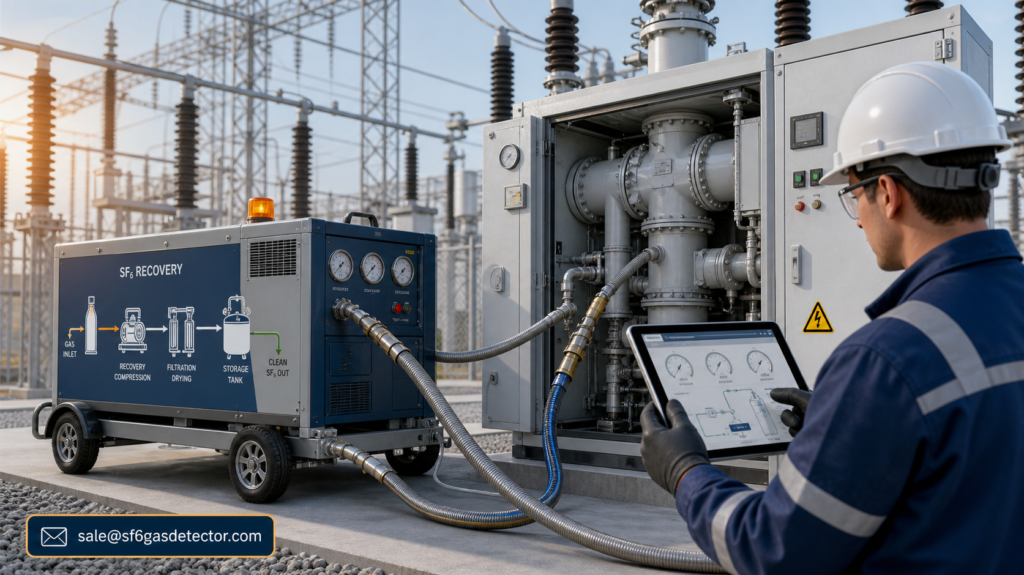
The best SF6 recovery system supplier offers more than a machine. Look for a partner that can provide technical selection support, operating procedures, spare parts, filter recommendations, commissioning guidance, and responsive after-sales service.
Key evaluation points include:
- Experience with GIS, circuit breakers, and other high-voltage applications.
- Verified recovery, vacuum, and filling performance specifications.
- Compatible hoses, couplings, cylinders, and pressure ratings.
- Clear safety features, including pressure protection and emergency shutdown provisions.
- Availability of gas-analysis and purification support.
- Documentation aligned with IEC guidance and applicable local regulations.
- Training resources for operators and maintenance personnel.
Complex sites often benefit from one-on-one guidance from engineers, especially when equipment contains contaminated gas, large compartment volumes, or non-standard connection requirements.
Frequently Asked Questions
Can recovered SF6 be reused?
Recovered SF6 may be reused if it meets the required quality criteria after testing and, where necessary, treatment. IEC 60480 provides guidance for evaluating and handling SF6 recovered from electrical equipment. Gas should be analyzed for moisture, purity, air content, and decomposition by-products before reuse.
What equipment needs an SF6 recovery system?
Common users include operators of GIS substations, high-voltage circuit breakers, gas-insulated lines, transformers, test laboratories, electrical equipment manufacturers, and maintenance contractors. Any operation that removes, transfers, or refills SF6 can benefit from a suitable recovery system.
How often should an SF6 recovery system be maintained?
Maintenance frequency depends on utilization, gas condition, and manufacturer instructions. Typical attention points include vacuum pump oil, filters, seals, hoses, couplings, gauges, and electrical connections. Calibration and pressure-system inspections should follow the supplier’s recommendations and applicable site procedures.
Is portable equipment suitable for large high-voltage projects?
Yes, provided the system capacity matches the gas volume and outage schedule. For large GIS projects, a higher-flow portable unit or dedicated recovery skid may be more efficient than a small service cart. A knowledgeable SF6 recovery system supplier can calculate the appropriate capacity from the equipment’s SF6 inventory and target completion time.