High Sensitivity SF6 Leak Detector for Reliable Power Utility Projects
Date
2026-09-18
[email protected]
Website
www.sf6gasdetector.com
Get Solutions And Quotes
Contact Factory
High Sensitivity SF6 Leak Detector for Reliable Power Utility Projects
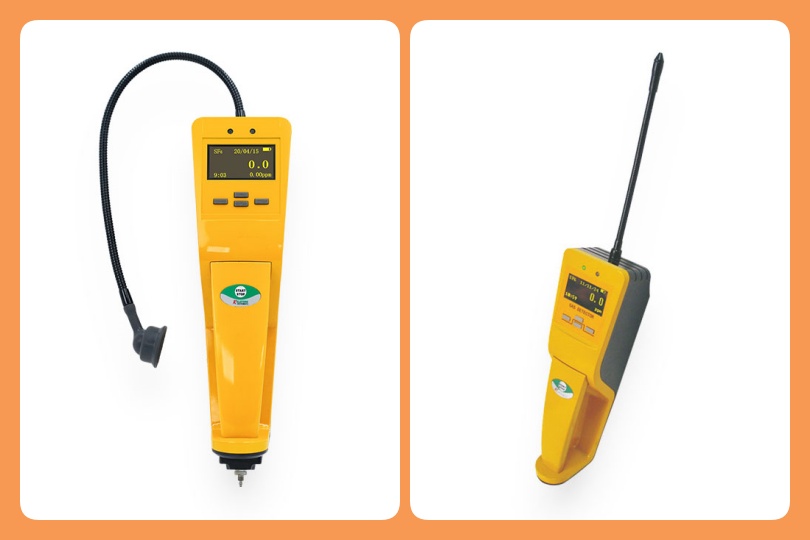
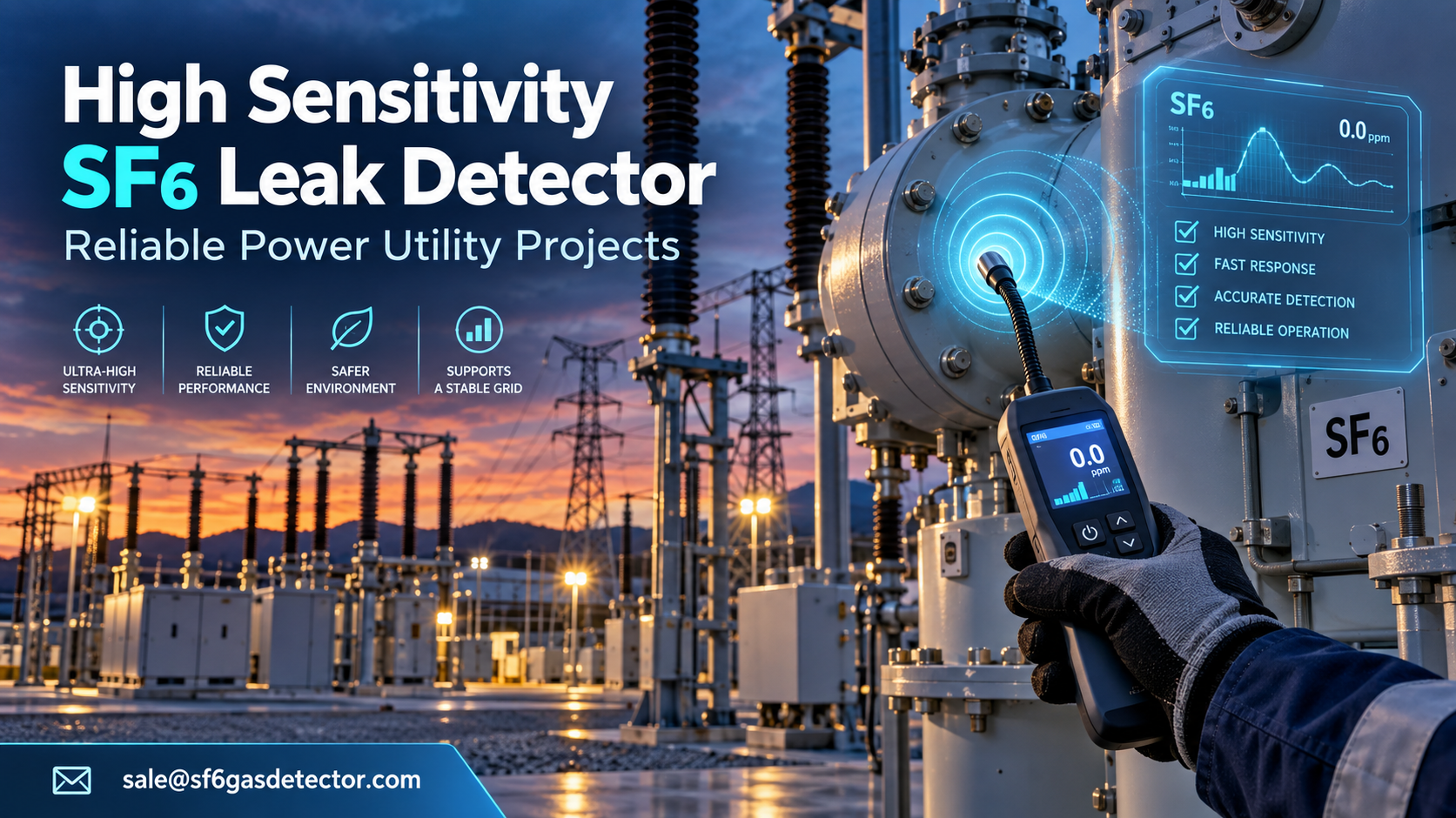
A High sensitivity SF6 leak detector is an essential diagnostic instrument for power utility projects involving SF6-insulated switchgear, gas-insulated substations (GIS), circuit breakers, ring main units, and other high-voltage assets. Because sulfur hexafluoride is widely used for its excellent dielectric and arc-quenching properties, utilities must manage it carefully throughout installation, commissioning, maintenance, and end-of-life recovery. A reliable High sensitivity SF6 leak detector helps maintenance teams identify small gas losses early, protect equipment performance, support environmental reporting, and reduce unplanned outages.
For power utility projects, leak detection is not simply a maintenance task. It is part of asset integrity management, regulatory compliance, and lifecycle cost control. Selecting the correct instrument requires a practical assessment of sensitivity, response time, field durability, calibration traceability, and suitability for the operating environment.
Why SF6 Leak Detection Matters in Power Utility Projects
SF6 leakage can develop at flange joints, valve connections, pressure relief devices, bushings, density-monitor interfaces, and aging seals. Even a minor leak can gradually reduce gas density and compromise insulation margins in high-voltage equipment. In addition, SF6 has a high global warming potential, making responsible gas management a priority for utilities, EPC contractors, and maintenance service providers.
A High sensitivity SF6 leak detector allows teams to locate the source of a leak instead of relying only on pressure-loss trends or density monitor alarms. Density monitoring indicates that gas may be escaping, while a portable leak detector helps technicians determine where corrective action is required.
For large power utility projects, early leak localization provides several practical benefits:
- Reduces avoidable SF6 top-up and recovery costs
- Supports condition-based maintenance planning
- Helps prevent service interruptions caused by low gas density
- Improves documentation for environmental and asset-management programs
- Minimizes technician exposure to unnecessary maintenance work
- Supports acceptance testing during installation and commissioning
Core Performance Parameters for a High Sensitivity SF6 Leak Detector
Not every instrument is appropriate for substation work. A professional High sensitivity SF6 leak detector should be evaluated according to measurable operating parameters rather than price alone.
Detection Sensitivity and Selectivity
Sensitivity determines the smallest concentration or leak rate the instrument can identify under defined test conditions. For utility maintenance, higher sensitivity is particularly important when inspecting slow leaks around sealed GIS compartments, outdoor breaker seals, and difficult-to-access fittings.
Selectivity is equally important. The detector should be designed to respond specifically to SF6 and limit interference from common field contaminants, moisture, cleaning products, exhaust gases, or other halogenated compounds where applicable. Infrared sensing technology is commonly preferred for SF6 applications because it can provide targeted gas identification and stable measurement performance when properly maintained.
Response Time and Recovery Time
Substation technicians often inspect multiple panels, joints, and components during a single outage window. A High sensitivity SF6 leak detector with fast response and recovery characteristics improves inspection efficiency by allowing personnel to distinguish between adjacent leak points without excessive waiting time.
A practical field instrument should provide clear audible, visual, or vibration alarms. Adjustable alarm thresholds can also help technicians work effectively in different environments, from compact indoor GIS rooms to windy outdoor switchyards.
Probe Design, Battery Life, and Ruggedness
Power utility projects frequently involve confined cable basements, elevated equipment, outdoor yards, and crowded control rooms. A flexible probe is valuable for reaching behind panels, beneath mechanisms, and around valve assemblies. Long battery operation, a readable display, and a robust enclosure are also important for uninterrupted field work.
When comparing models, users should confirm the operating temperature range, humidity tolerance, ingress protection rating, battery charging method, and recommended calibration interval. These details directly affect reliability in real utility conditions.
Compliance Considerations and Industry Standards
A High sensitivity SF6 leak detector should support an organization’s broader compliance program, but the detector itself does not replace proper gas-handling procedures. Utilities should align inspection and maintenance activities with applicable national regulations, project specifications, and recognized international standards.
Relevant technical references may include:
- IEC 62271-4, covering handling procedures for SF6 and its mixtures in high-voltage equipment
- IEC 60376, specifying technical-grade SF6 for electrical equipment
- IEC 60480, addressing the reuse and treatment of SF6 taken from electrical equipment
- ISO 9001 quality-management practices for manufacturers and service providers
- ISO/IEC 17025 calibration principles when traceable calibration records are required
For projects subject to greenhouse-gas reporting or fluorinated-gas controls, maintenance records should include asset identification, inspection date, detector status, leak location, corrective action, gas quantity recovered or added, and technician information. Always verify the latest local legal requirements, because reporting rules vary by country and project owner.
Scenario-Based Applications for Utility Teams
GIS Commissioning and Acceptance Testing
During GIS installation, a High sensitivity SF6 leak detector can be used to inspect flange interfaces, gas pipes, filling connections, density-monitor ports, and compartment seals before energization. Detecting leaks at this stage prevents costly rework after the equipment enters service.
Commissioning teams should follow the equipment manufacturer’s specified stabilization period after gas filling. Leak inspection should be performed systematically, with the probe moved slowly around each suspected point to avoid missing localized emissions.
Preventive Maintenance of Circuit Breakers
For outdoor circuit breakers, seals may deteriorate due to temperature cycles, UV exposure, vibration, and mechanical operation. A routine inspection using a High sensitivity SF6 leak detector can identify small leaks before density alarms initiate an urgent maintenance response.
This approach is especially valuable for remote substations, where emergency dispatches can be expensive and weather conditions may delay repair access.
Fault Investigation and Repair Verification
When a density monitor indicates abnormal gas loss, technicians need more than a pressure reading. A High sensitivity SF6 leak detector helps narrow the investigation to a specific valve, gasket, flange, or fitting. After repair, the same instrument can be used to verify that the corrected area no longer produces an alarm.
For faster procurement planning, utility buyers can obtain a product quotation based on required sensitivity, application environment, and project quantity.
Best Practices for Accurate Leak Surveys
To achieve dependable results, technicians should inspect equipment in a controlled and repeatable manner:
- Confirm the detector is charged, warmed up, and functioning according to the manufacturer’s instructions.
- Perform a functional check using an approved reference source or verification method where required.
- Avoid testing directly in strong wind, as airflow can disperse gas and reduce detection reliability.
- Move the probe slowly around joints, seals, valves, and accessible interfaces.
- Record the exact asset, component location, alarm indication, and repair recommendation.
- Re-test after maintenance and retain results in the utility’s asset-management system.
Periodic calibration and documented functional checks are critical. A High sensitivity SF6 leak detector is only as dependable as its maintenance status, sensor condition, and correct use in the field.
Frequently Asked Questions
What is the main advantage of a high sensitivity SF6 leak detector?
A High sensitivity SF6 leak detector identifies very small SF6 emissions that may not yet cause a visible pressure or density alarm. This enables earlier repair, lower gas losses, and improved equipment availability.
Can one detector be used for both GIS and circuit breakers?
Yes, provided the detector has the required sensitivity, probe reach, environmental rating, and alarm performance for both indoor GIS inspections and outdoor breaker maintenance. Review the equipment layout and project specifications before selection.
Does leak detection replace SF6 density monitoring?
No. Density monitoring and leak detection serve different purposes. Density monitoring tracks gas condition within the compartment, while a High sensitivity SF6 leak detector locates the physical source of a leak.
How often should utility equipment be checked?
Inspection frequency should follow the asset owner’s maintenance strategy, equipment manufacturer guidance, operational history, and applicable environmental requirements. Higher-risk or aging assets may require more frequent surveys.
For application-specific selection support, request one-on-one guidance from engineers to match detector performance with your power utility projects, maintenance procedures, and compliance documentation needs.