Request SF6 Disposal & Recycling Prices for Electrical Contractors
Date
2026-09-20
[email protected]
Website
www.sf6gasdetector.com
Get Solutions And Quotes
Contact Factory
Request SF6 Disposal & Recycling Prices for Electrical Contractors
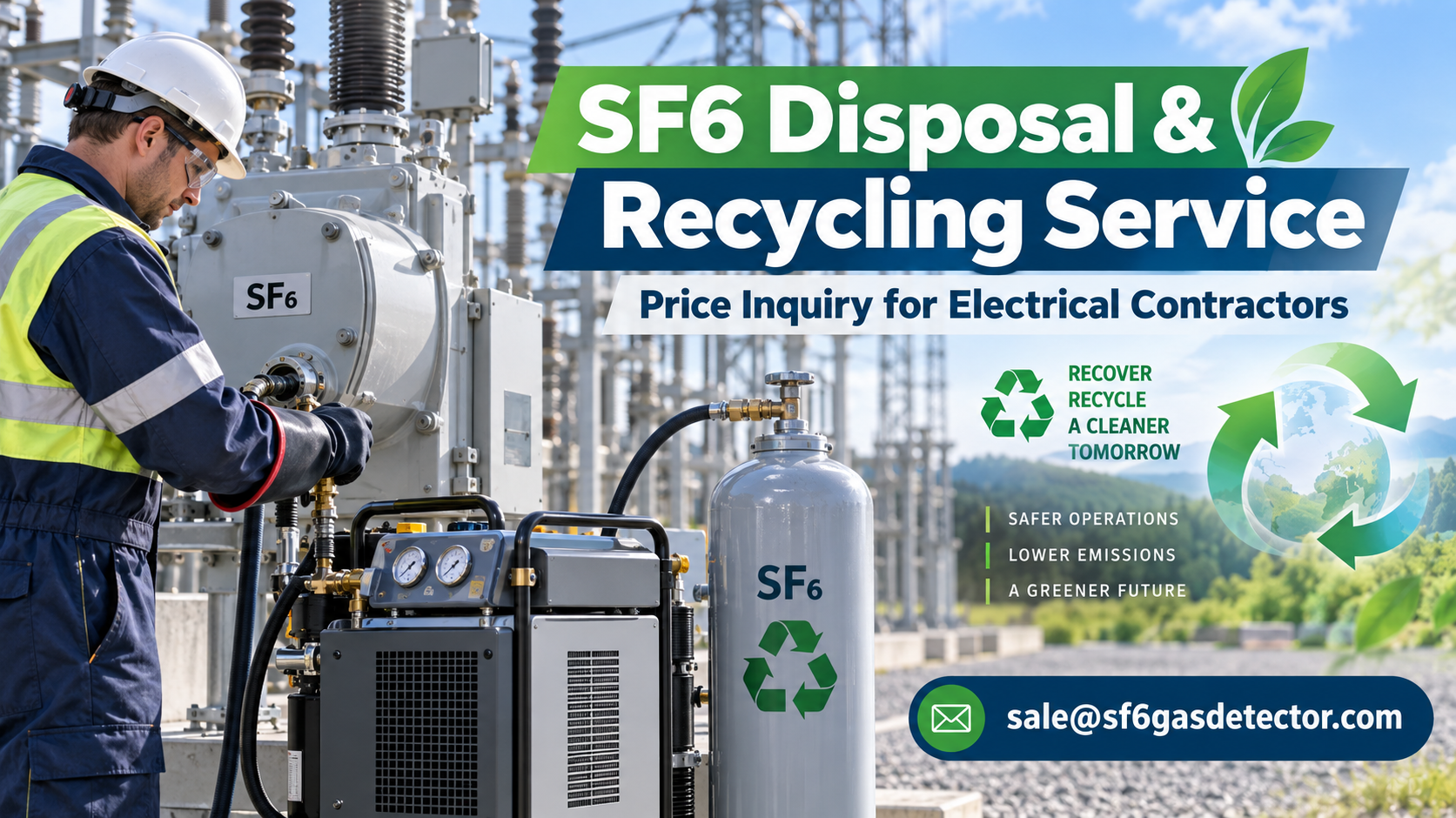
A price inquiry SF6 Disposal and Recycling Service for electrical contractors is not simply a request for a collection fee. It is a project-critical step in planning safe switchgear maintenance, equipment replacement, substation refurbishment, and end-of-life decommissioning. Because sulfur hexafluoride (SF6) has a very high global warming potential, contractors need a service partner that can recover, test, recycle, transport, and document the gas in accordance with applicable environmental and electrical-industry requirements.
The most reliable way to evaluate a price inquiry SF6 Disposal and Recycling Service for electrical contractors is to compare the complete scope of work: gas recovery volume, equipment access, gas quality, cylinder logistics, laboratory testing, recycling requirements, technician support, and compliance documentation. A low initial collection price may not include contaminated-gas treatment, urgent mobilization, or certified transport.
What Is Included in an SF6 Disposal and Recycling Service?
In professional practice, SF6 should normally be recovered rather than vented. Recovered gas may be purified and reused when it meets the relevant quality requirements, or managed through an approved treatment or destruction route when reuse is not feasible.
A complete price inquiry SF6 Disposal and Recycling Service for electrical contractors should define whether the provider will perform the following activities:
- On-site recovery from GIS, circuit breakers, ring main units, or gas-insulated lines
- Evacuation of residual gas and handling of gas compartments
- Moisture, purity, and decomposition-product testing
- Filtration and separation of oil, particles, moisture, and by-products
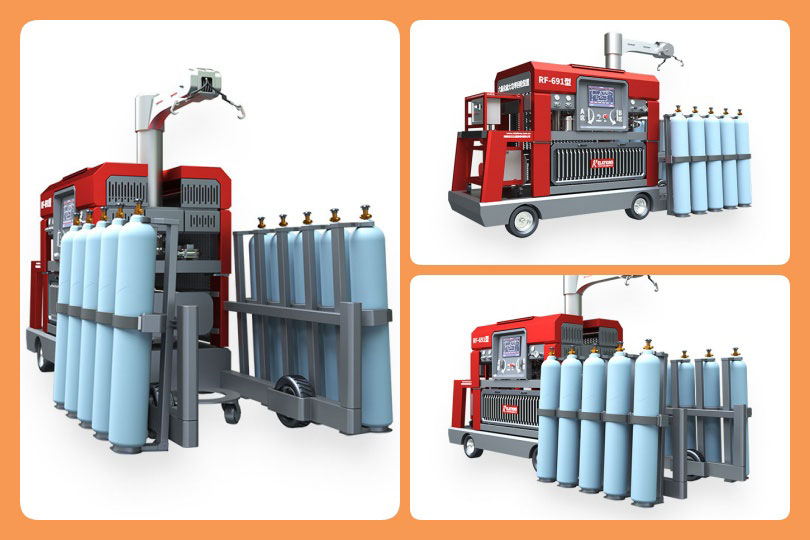
- Transfer into approved recovery cylinders
- Cylinder labeling, weighing, chain-of-custody records, and transport coordination
- Recycling, reclamation, reuse assessment, or compliant final treatment
- Recovery certificates and project closeout reports
SF6 decomposition products can present health and corrosion hazards, particularly after internal arcing or equipment faults. Therefore, the service scope should also address appropriate PPE, particulate control, compartment cleaning, and safe handling of filters and contaminated consumables.
Key Parameters That Influence SF6 Recycling Service Pricing
Gas Volume and Equipment Type
The total mass of SF6 is the primary cost driver. A small medium-voltage breaker may contain only a limited quantity of gas, while a large GIS installation may contain hundreds of kilograms. The price inquiry SF6 Disposal and Recycling Service for electrical contractors should state the estimated SF6 nameplate quantity, equipment model, number of gas compartments, and whether the gas can be consolidated into a common recovery operation.
Equipment accessibility also affects cost. Indoor substations, restricted utility sites, elevated installations, confined areas, and remote locations can require additional labor, lifting support, permits, or specialized mobile recovery equipment.
Gas Condition and Contamination Level
Clean SF6 generally requires less processing than gas affected by moisture ingress, air contamination, oil vapor, or arc decomposition. Before issuing a fixed price, qualified providers may recommend gas analysis for parameters such as SF6 purity, humidity, SO₂, HF-related indicators, and other decomposition by-products.
For this reason, an accurate price inquiry SF6 Disposal and Recycling Service for electrical contractors should identify the equipment history. Include details about fault interruption, internal arcing, leakage, prolonged outage periods, or prior gas handling. This information helps prevent scope changes after work begins.
Mobilization, Cylinder Supply, and Project Timing
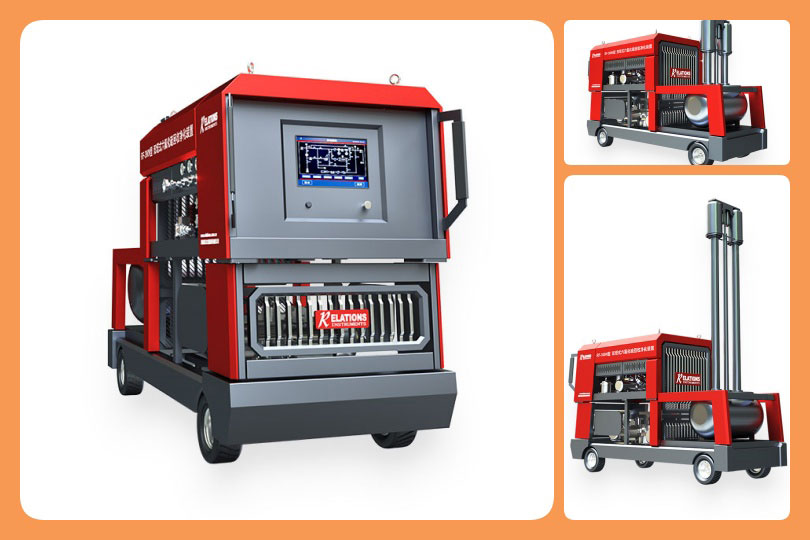
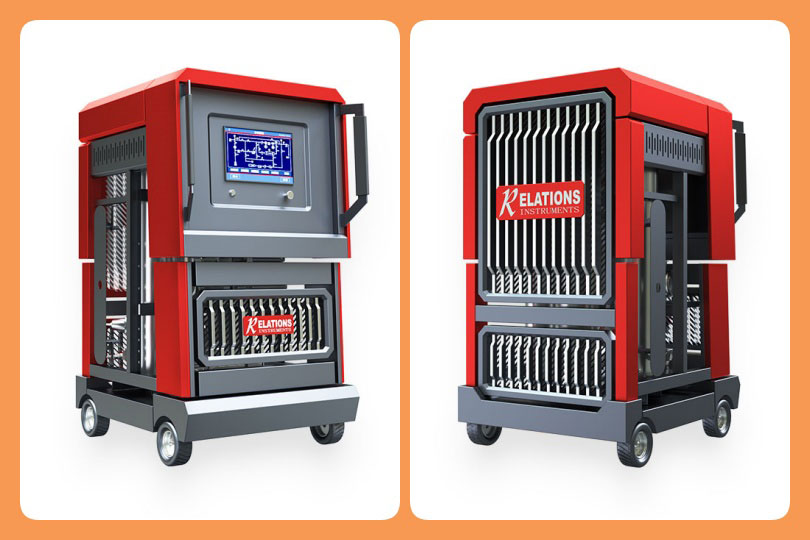
Pricing can differ significantly between planned maintenance and emergency response. Planned recovery allows the service provider to schedule technicians, recovery carts, vacuum pumps, calibrated analyzers, and cylinders efficiently. Emergency work may involve after-hours labor, rapid transport, and expedited testing.
If you are budgeting an outage or replacement project, request a product quotation that separates mobilization, on-site recovery, gas analysis, cylinder rental, recycling, and documentation costs. Itemized pricing makes it easier to compare bids and control change-order exposure.
Compliance Standards and Documentation Requirements
SF6 handling should follow the legal requirements of the jurisdiction where the work is performed, as well as the technical procedures specified by the asset owner. Internationally recognized references include IEC 60480 for the reuse and handling of recovered SF6, and IEC 62271-4 for handling procedures for SF6 and its mixtures in high-voltage equipment.
A capable price inquiry SF6 Disposal and Recycling Service for electrical contractors should also verify the provider’s quality, environmental, and safety management arrangements. ISO 9001, ISO 14001, and ISO 45001 certifications can demonstrate structured management systems, although certification alone does not replace project-specific legal compliance.
For example, contractors working in the United States must consider applicable federal, state, and local environmental, transport, and utility requirements. In the European Union, fluorinated greenhouse gas obligations under Regulation (EU) 2024/573 require careful attention to recovery, leakage prevention, records, and personnel qualification requirements. Waste classification and transport obligations must be confirmed locally, especially where contaminated materials or decomposition residues are involved.
Scenario-Based Solutions for Electrical Contractors
Planned Switchgear Replacement
When replacing aging SF6 breakers or GIS bays, contractors should arrange recovery before dismantling. The service team can recover and weigh the gas, issue cylinder records, analyze gas quality, and determine whether reclamation is viable. This reduces outage risk and supports handover documentation.
Faulted Circuit Breaker or Arc Event
A faulted breaker may contain corrosive or toxic decomposition products. In this scenario, the price inquiry SF6 Disposal and Recycling Service for electrical contractors should include contaminated-gas assessment, controlled recovery, PPE requirements, absorbent and filter handling, and decontamination procedures. Standard clean-gas recovery pricing is rarely sufficient for this type of work.
Multi-Site Utility Maintenance Program
For contractors supporting multiple substations, a framework service agreement can reduce unit costs. Consolidated mobilization, standardized reporting, cylinder rotation, and scheduled sampling help improve traceability and reduce administrative workload across sites.
How to Submit an Accurate Price Inquiry
To receive a meaningful quotation, provide the following information:
- Site location and access restrictions
- Equipment type, manufacturer, model, and number of compartments
- Estimated SF6 quantity in kilograms
- Gas condition and known fault or leak history
- Required service date and outage window
- Whether cylinders, transport, testing, and certificates are required
- Applicable owner, utility, environmental, or site safety requirements
For complex GIS recovery, contaminated gas, or urgent shutdown work, request one-on-one guidance from engineers before finalizing the work package. Early technical review helps align recovery capacity, safety controls, and documentation with the actual site conditions.
Frequently Asked Questions
Is SF6 disposal the same as SF6 recycling?
Not always. Recycling or reclamation means recovered SF6 is processed and tested for possible reuse. Disposal may refer to managing gas that cannot be returned to an acceptable quality standard, as well as handling contaminated filters, residues, and related waste streams.
What affects the final SF6 recycling service price most?
Gas quantity, contamination level, site access, travel distance, urgency, equipment type, cylinder requirements, and documentation scope are the main variables. A detailed price inquiry SF6 Disposal and Recycling Service for electrical contractors reduces the risk of unplanned charges.
Can recovered SF6 be reused?
Yes, when it is properly processed and demonstrated to meet the required quality criteria for the intended application. Reuse decisions should follow IEC 60480 guidance, equipment manufacturer requirements, and local regulations.
What documents should contractors receive after service?
Typical closeout documentation includes recovered gas mass, cylinder identification, gas test results where applicable, transfer records, recycling or treatment confirmation, and service reports. These records support environmental reporting, client acceptance, and future asset maintenance planning.